Bathroom design 2026 is redefining how we think about comfort, wellness, and daily rituals. Are you looking for bathroom design ideas that feel modern yet timeless, or bathroom designs that balance luxury, function, and personality? In this article, I explore bathroom design styles shaping 2026, drawing on bathroom design 2025 lessons while offering fresh bathroom design inspiration for modern living.
Bathroom Design 2026 Overview and Future Vision
In bathroom design 2026, I focus on creating spaces that feel intentional, calming, and adaptable to everyday life. The bathroom design interior is no longer an isolated utility room but a core part of the home experience. Layout decisions prioritize flow, comfort, and zoning, especially for toilet and shower areas, making the space practical for both small modern apartments and spacious homes.
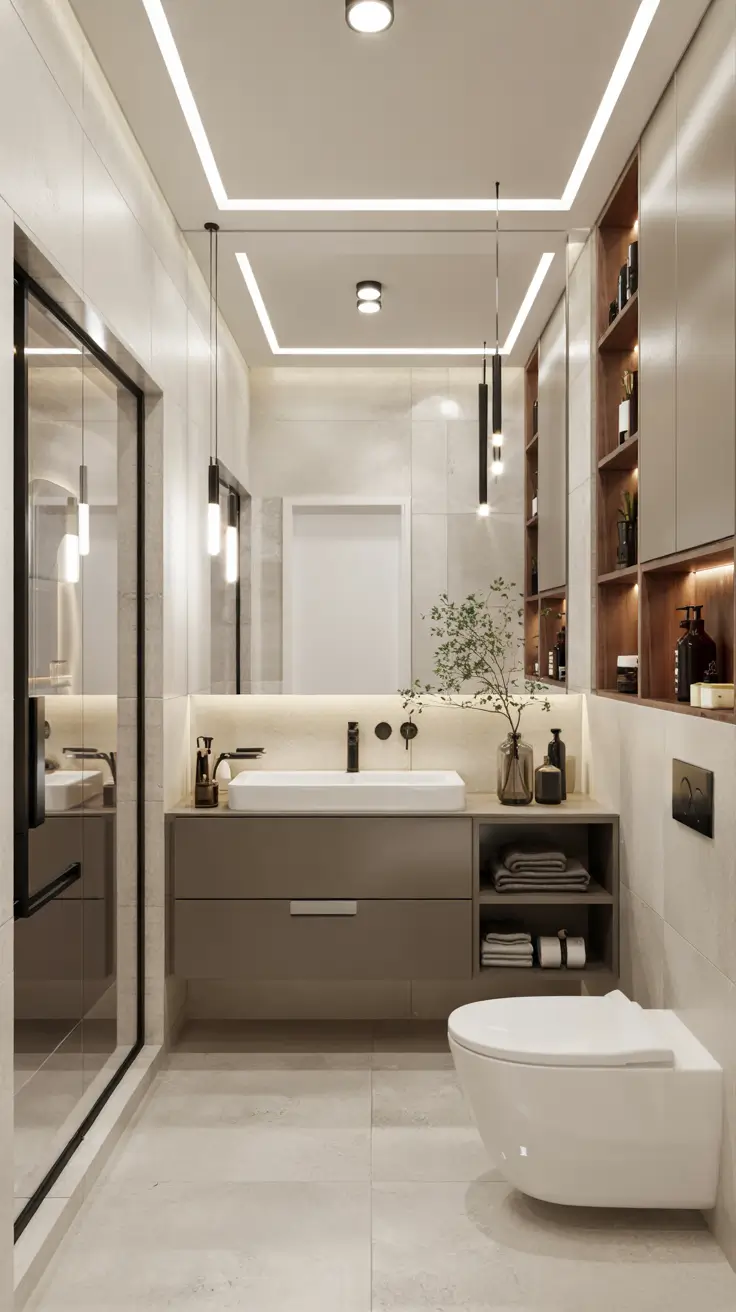
When I plan these bathroom designs, I rely on furniture with clean lines, wall hung vanities, integrated storage, and smart lighting systems. Materials are chosen for durability and elegance, from matte stone surfaces to warm wood accents. This approach supports modern and classic tastes while keeping the overall bathroom design layout flexible for future changes.
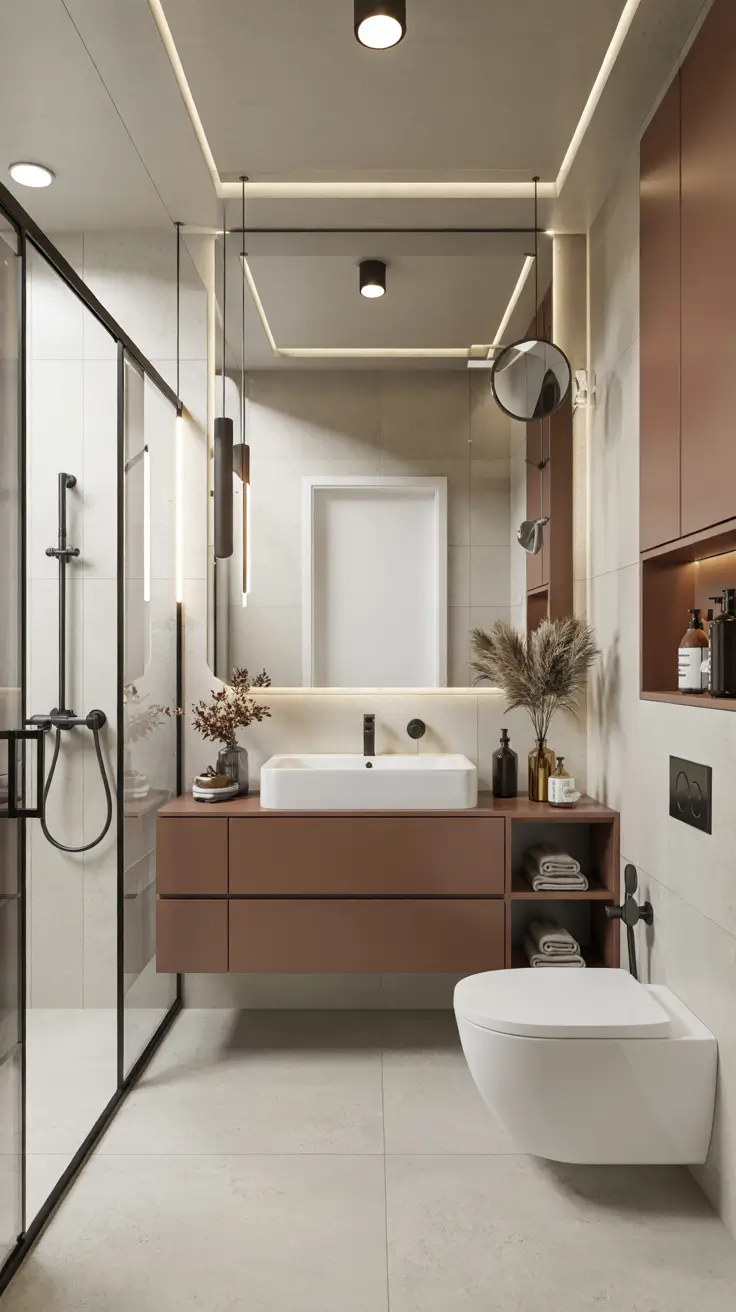
From my experience, clients increasingly want bathrooms that feel like personal retreats. Designers featured in US interior media often emphasize wellness driven layouts, and I agree that features such as heated floors and layered lighting are becoming essential rather than optional.
What I would still add to this vision is more focus on adaptive design, including modular furniture and layouts that easily adjust for aging in place or changing family needs.
Modern Bathroom Design Trends for 2026
Modern bathroom design in 2026 is about clarity and restraint rather than excess. I design these spaces to feel open, light filled, and easy to maintain, even in small space or tiny bathrooms. Clean geometry, concealed storage, and seamless transitions between zones define this modern style.
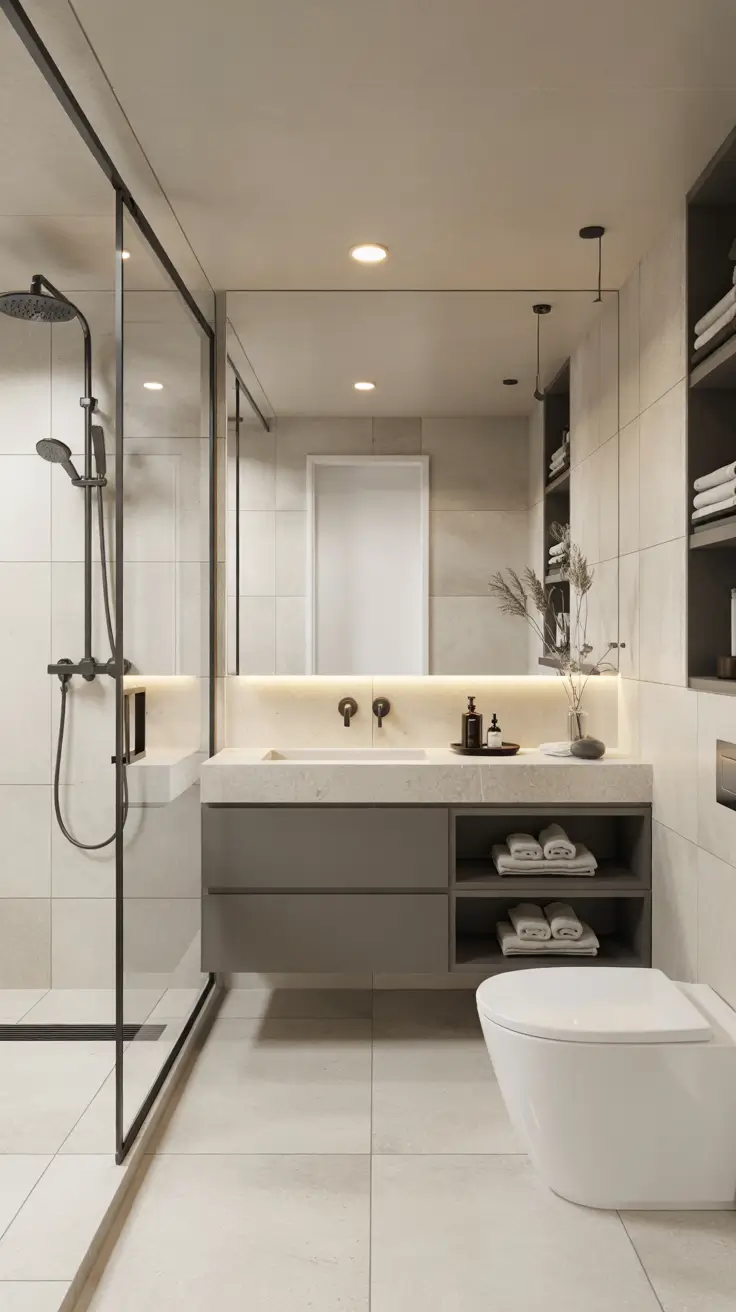
I typically include floating vanities, frameless glass showers, and integrated mirrors with soft backlighting. These items support a minimalist aesthetic while improving functionality. Large format tiles and subtle textures help keep the space visually calm without feeling empty.
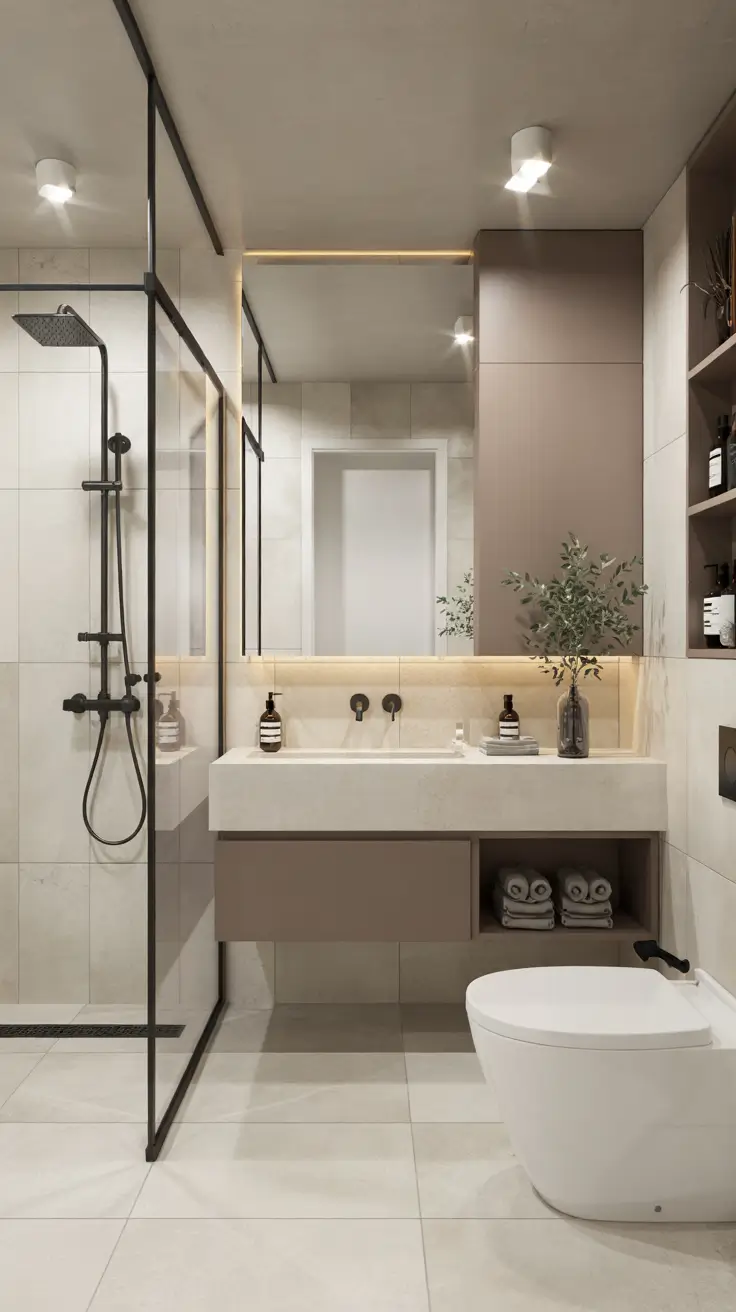
In my own projects, I follow guidance often shared by American designers who recommend prioritizing proportion and negative space. A modern bathroom should breathe, and removing unnecessary decor is often the best design decision.
To complete this trend, I would add more emphasis on smart water management systems, which enhance comfort while supporting sustainable living.
Luxury Bathroom Design Ideas for Contemporary Homes
Bathroom design luxury in 2026 feels refined rather than showy. I approach luxury as a combination of comfort, craftsmanship, and thoughtful details that elevate daily routines. These bathroom design ideas work well in hotel inspired homes and high end private residences.
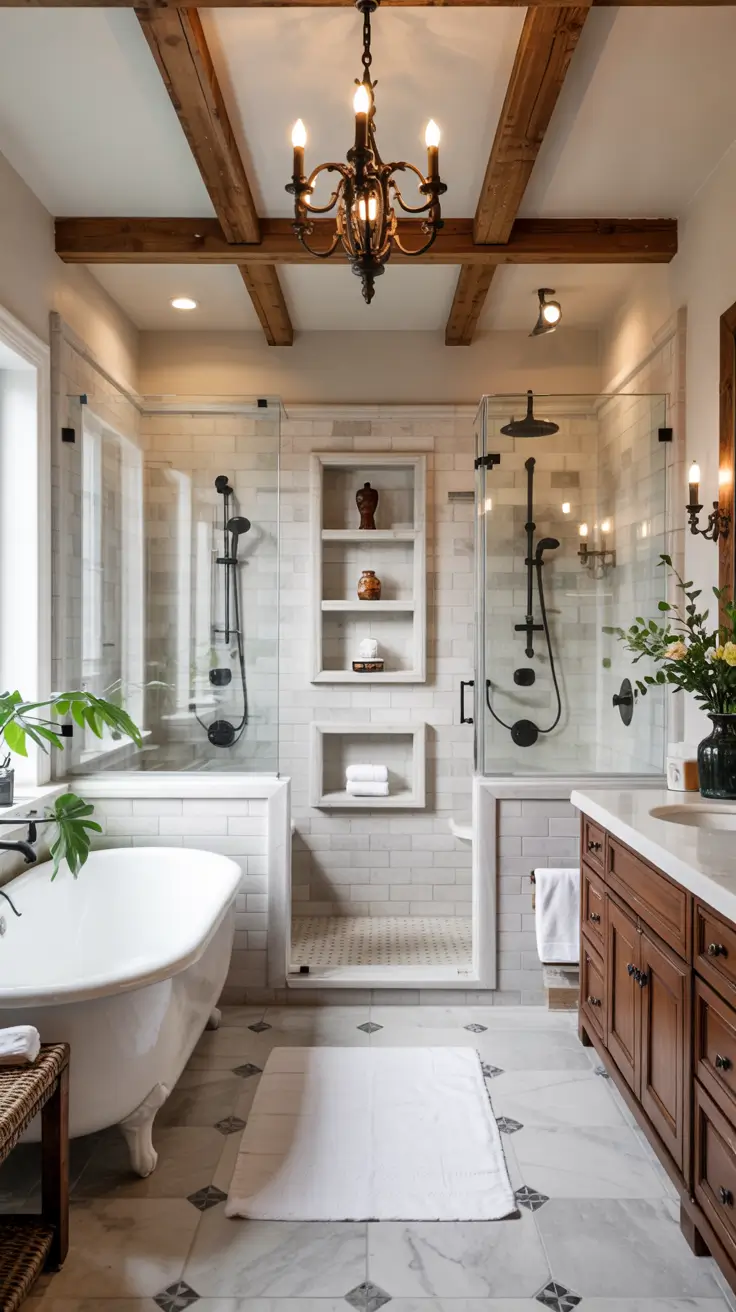
Key elements include freestanding tubs, walk in showers with multiple water functions, custom cabinetry, and high quality stone surfaces. Furniture finishes are elegant, often combining warm metals with natural textures to create a balanced look.
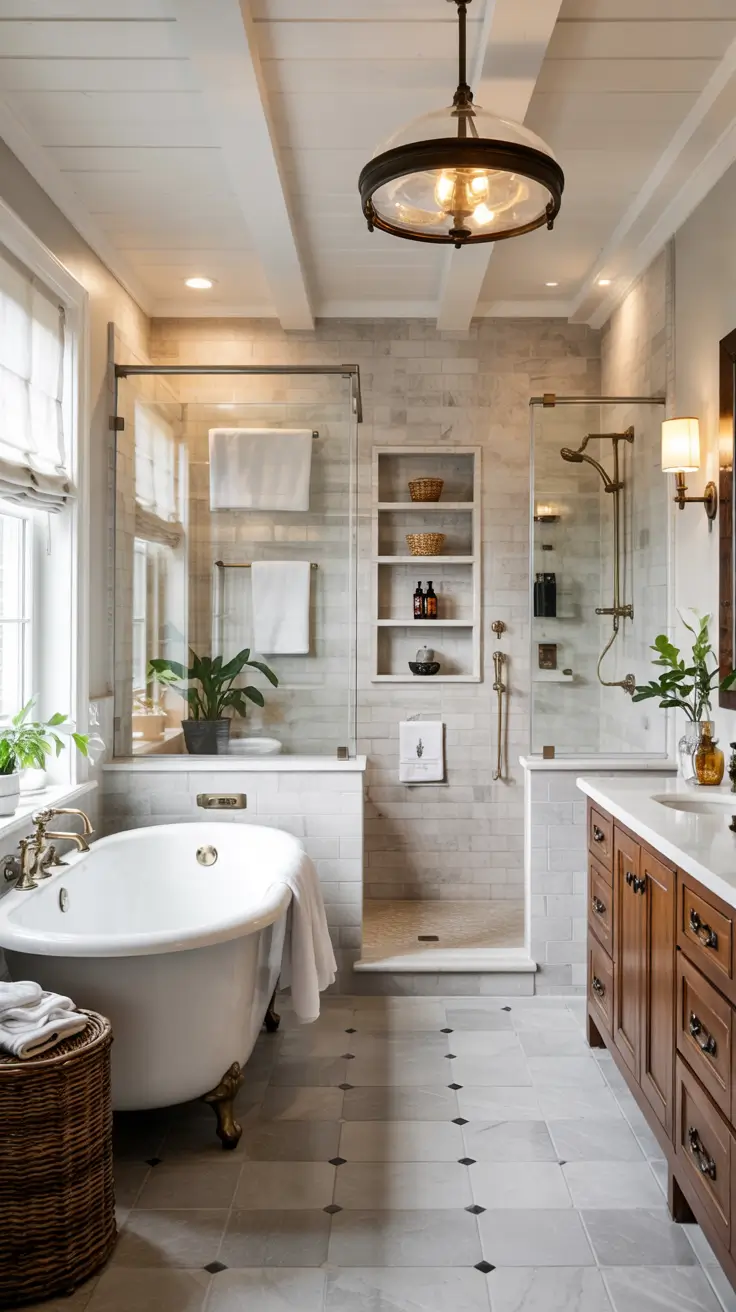
From my perspective, true luxury is about how a space makes you feel. Many US based design professionals note that spa like experiences at home are now a priority, and I see this reflected in client expectations.
What is often missing is acoustic comfort, so I recommend adding sound absorbing materials or soft finishes to enhance the sense of privacy and relaxation.
Elegant Bathroom Design Concepts for 2026
Elegant bathroom design in 2026 blends softness and structure. I design these spaces to feel graceful and welcoming without being overly decorative. The layout is usually symmetrical, which brings visual order and a sense of calm.
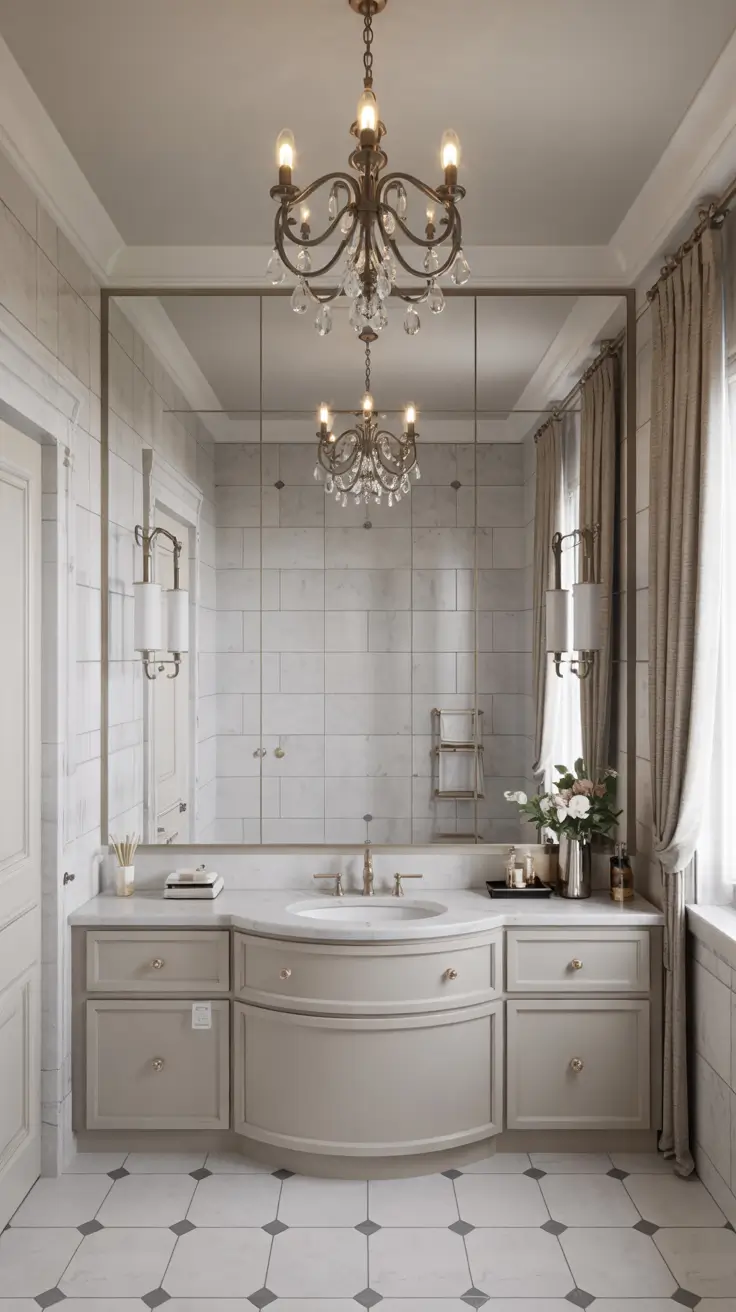
I choose furniture with refined profiles, curved edges, and subtle detailing. Elegant lighting fixtures, tailored mirrors, and carefully selected bathroom design decor such as ceramic accessories complete the look without cluttering the space.
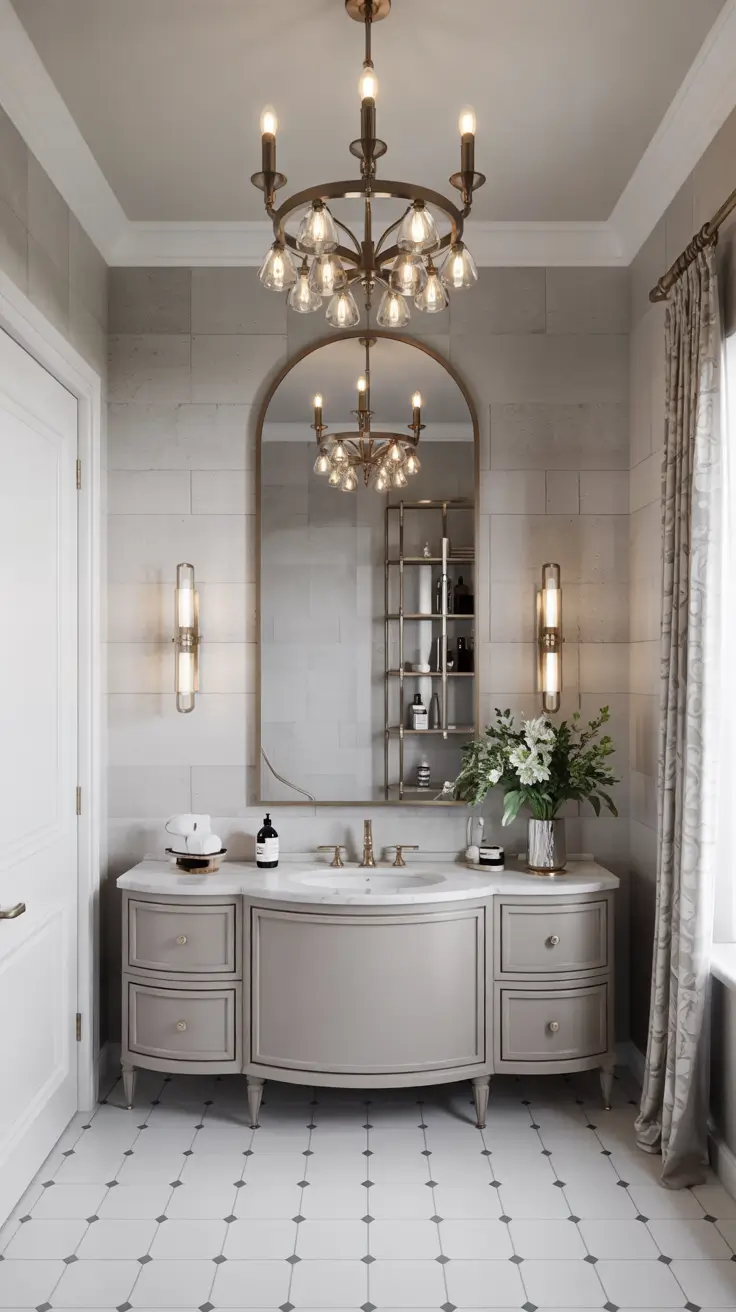
In my experience, elegance works best when restraint guides every decision. Designers frequently highlight that timeless elegance comes from proportion and material quality rather than ornament.
To enhance this concept further, I would incorporate more layered textiles, such as window treatments or upholstered seating, when space allows.
Timeless Bathroom Design Styles That Last
Timeless bathroom design styles remain relevant beyond trends. In 2026, I see a renewed appreciation for classic proportions, neutral palettes, and durable materials that age well. This approach suits both public and private interiors.
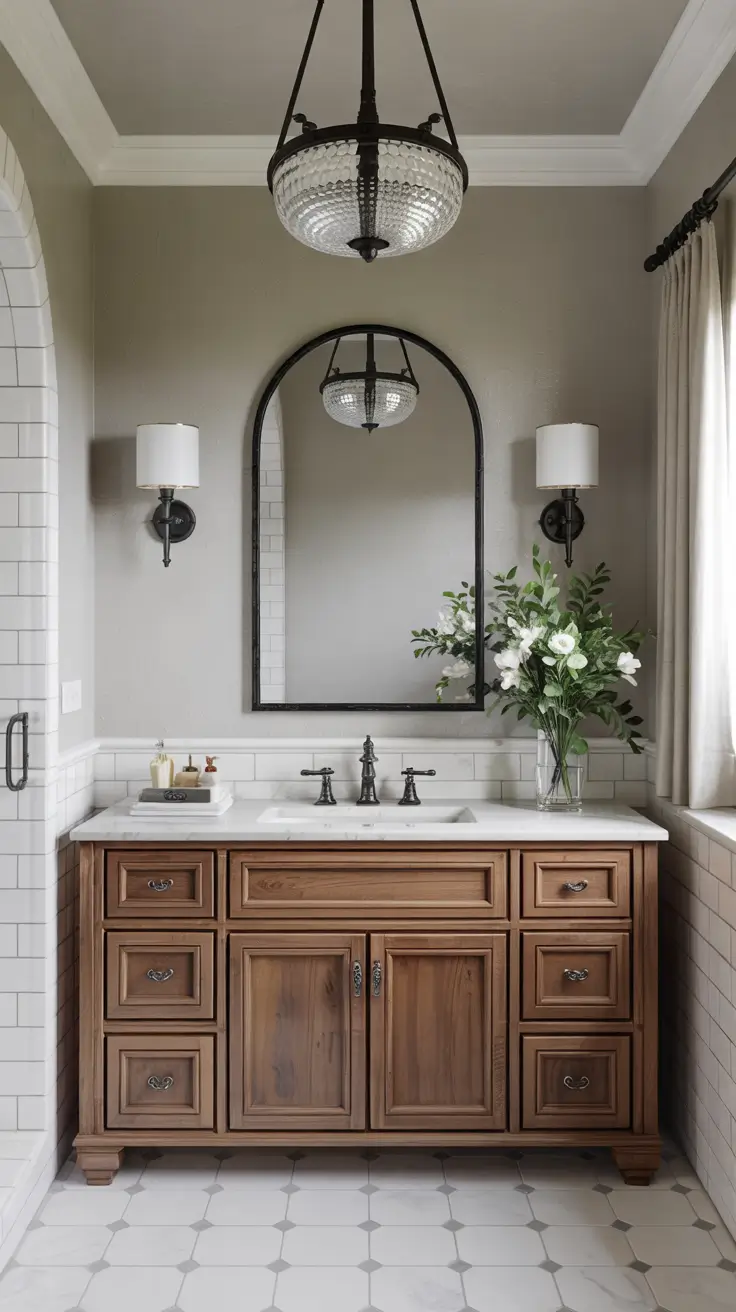
Furniture choices often include solid wood vanities, stone countertops, and classic fixtures with modern engineering. These elements create a reliable foundation that can be refreshed with minimal updates over time.
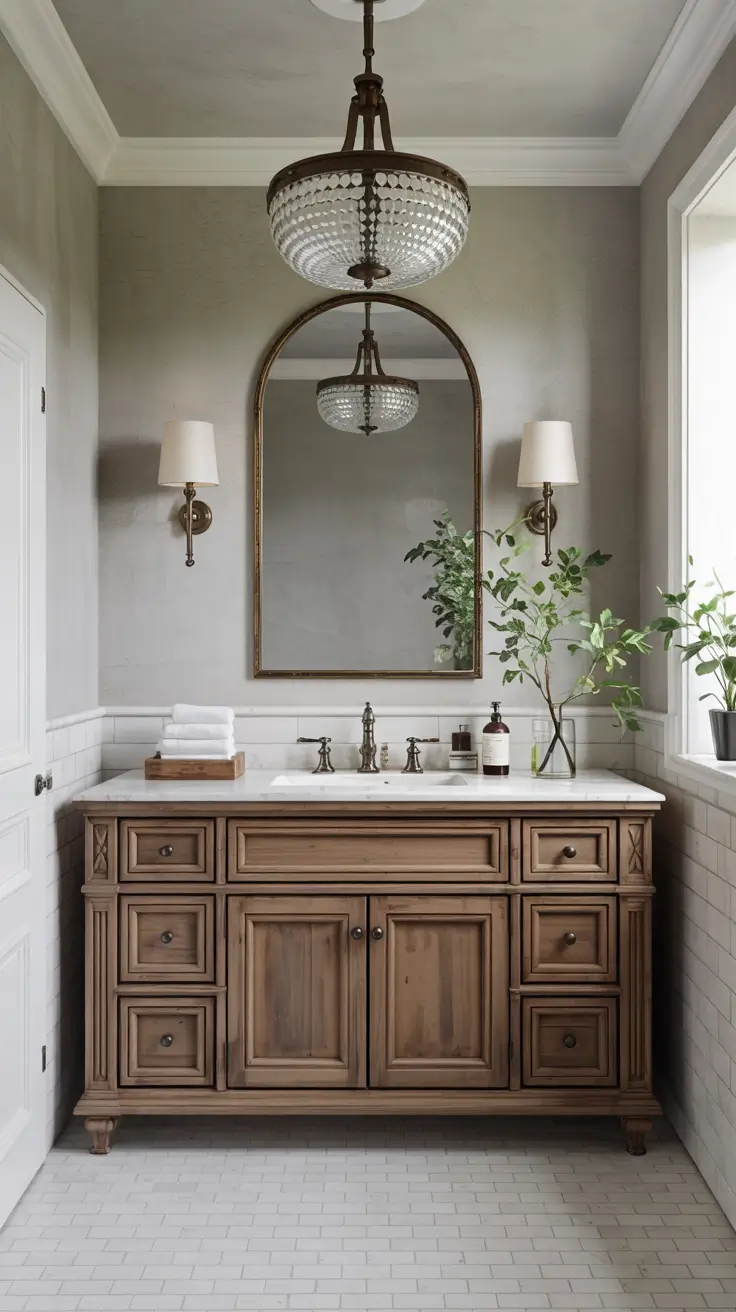
Personally, I find timeless design the most sustainable option. Many respected interior voices in the US emphasize designing for longevity, and I share this philosophy when advising clients.
What I would add here is a clearer strategy for mixing timeless elements with subtle contemporary accents to prevent the space from feeling dated.
Minimalist Bathroom Design for a Clean Aesthetic
Minimalist bathroom design in 2026 focuses on clarity and purpose. I design these interiors to remove visual noise while maintaining full functionality. This style is especially effective in small modern and tiny bathrooms.
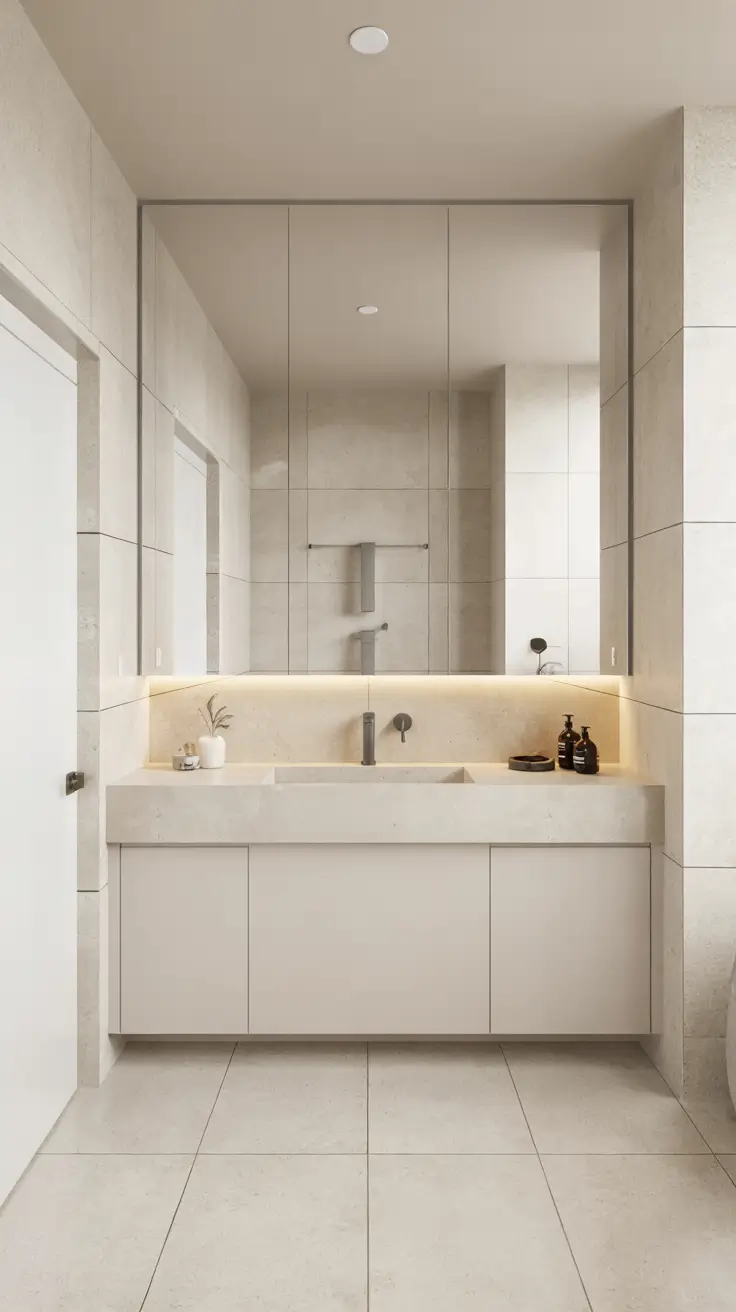
I rely on handle free cabinetry, integrated sinks, and concealed storage to maintain a clean look. Neutral tones, soft lighting, and simple materials help reinforce the minimalist concept without sacrificing comfort.
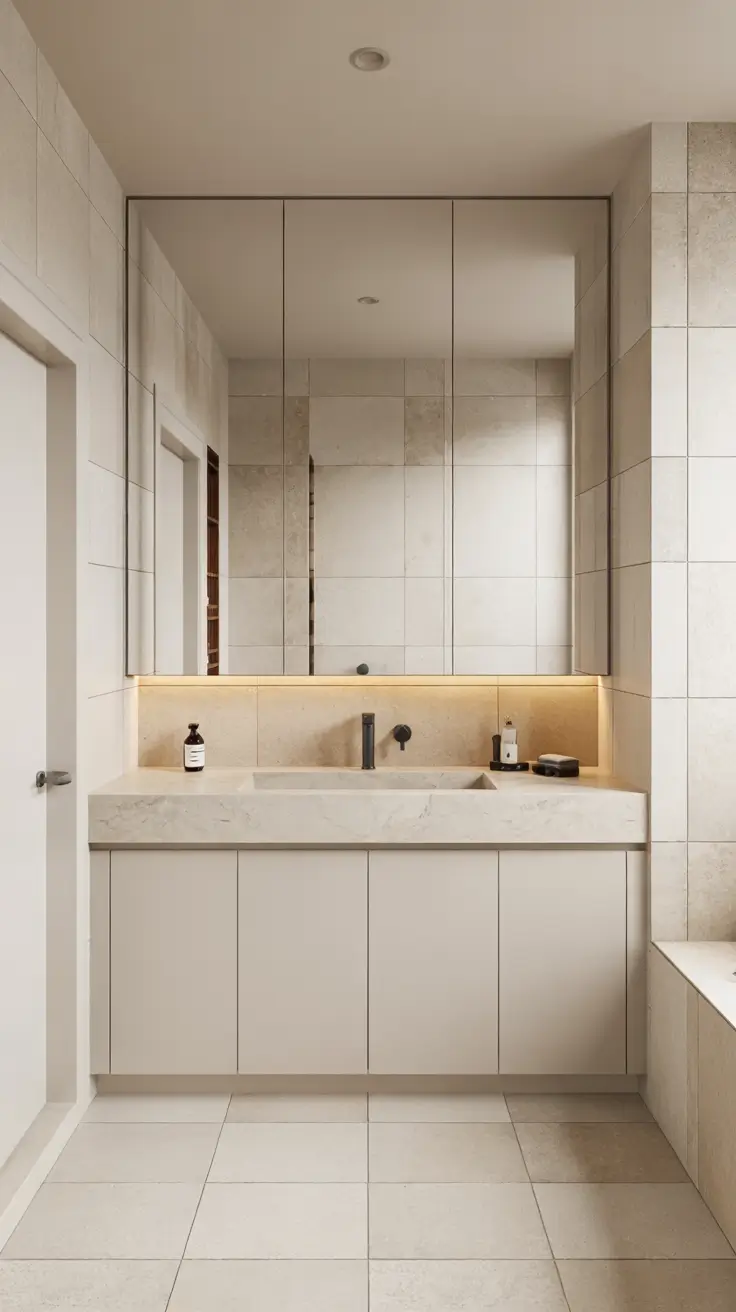
From my professional experience, minimalism requires discipline. Designers often remind us that every item must earn its place, and I apply this rule strictly in minimalist bathrooms.
To improve these spaces further, I would recommend adding subtle texture, such as stone or wood grain, to avoid a sterile feel.
Japandi Bathroom Design Blending East and West
Japandi bathroom design in 2026 combines Japanese calm with Scandinavian functionality. I use this style to create balanced, serene spaces that support daily rituals and relaxation. It works beautifully in both small space and larger layouts.
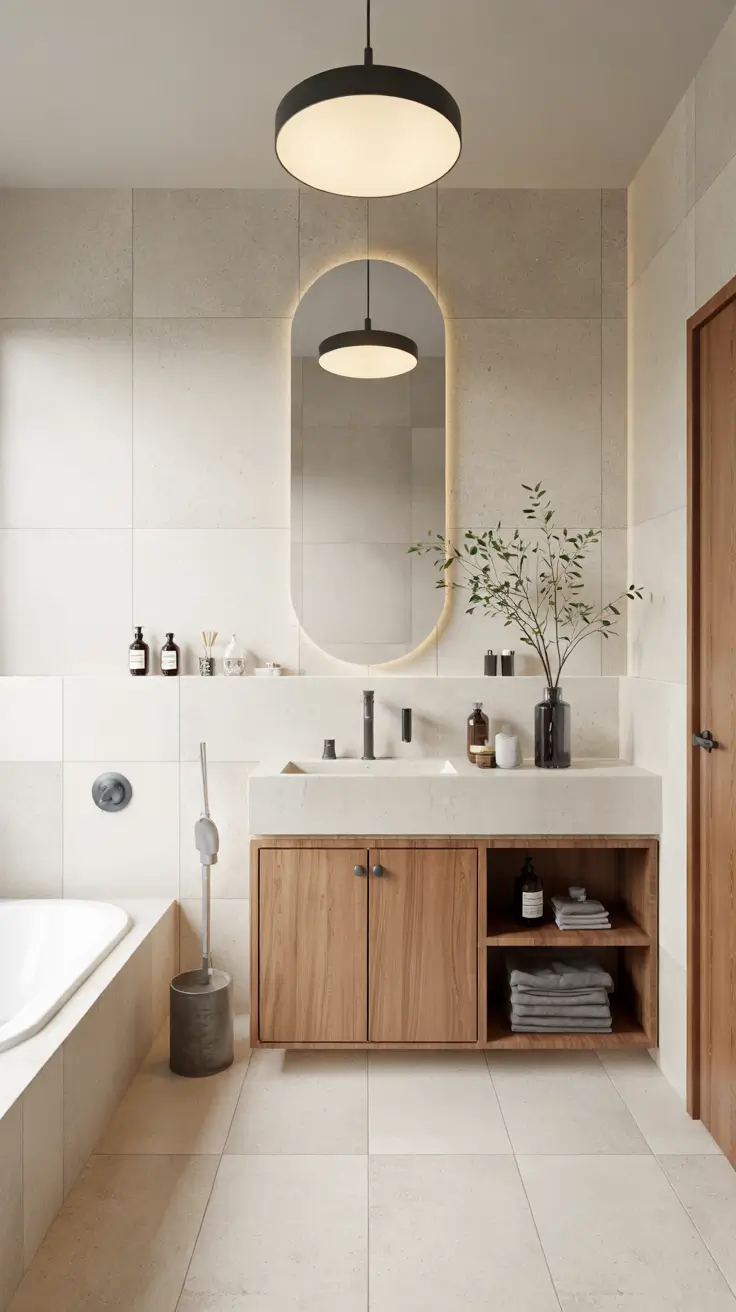
Furniture is low profile and practical, often made from natural wood. I pair this with simple fixtures, soft lighting, and neutral colors to maintain harmony. The layout encourages openness and ease of movement.
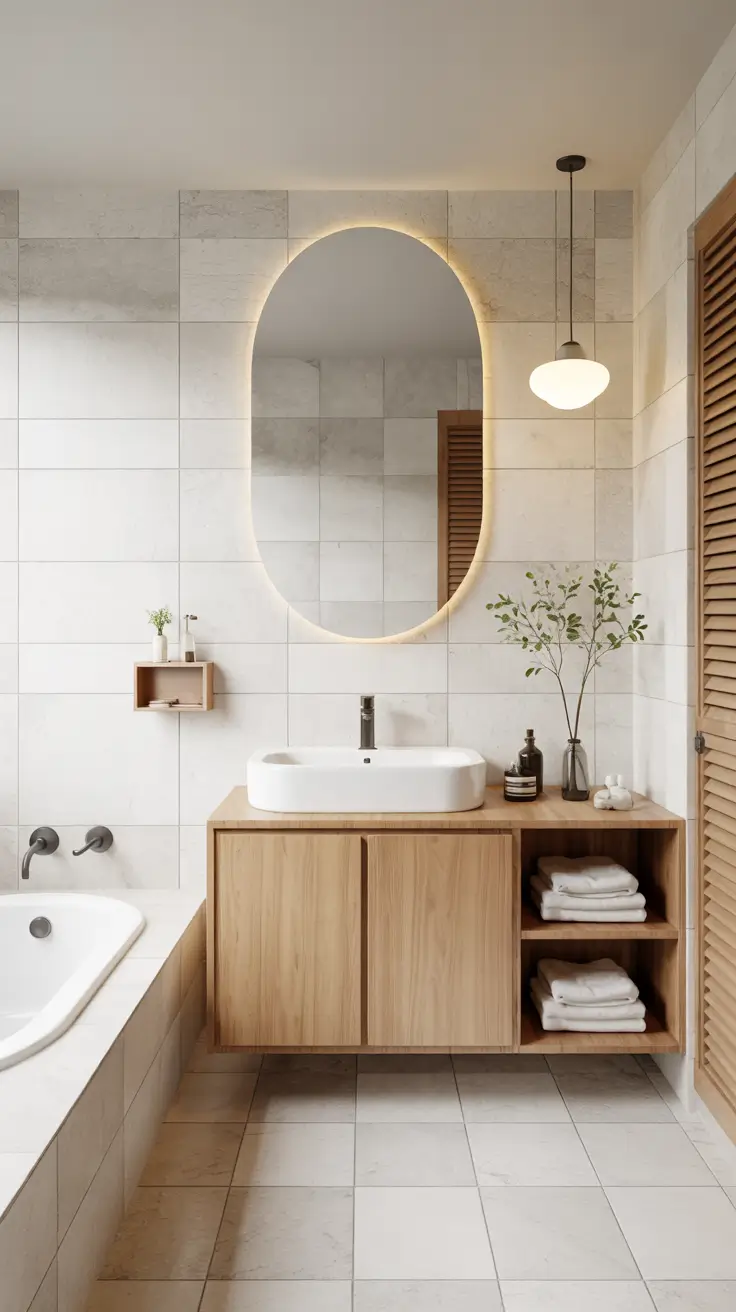
In my opinion, Japandi represents one of the most thoughtful bathroom design inspiration sources today. Design experts often note its focus on mindfulness and quality, which aligns perfectly with modern lifestyle needs.
What I would add is a stronger connection to nature, such as indoor plants or views to outdoor elements, to fully express the philosophy.
Japanese Bathroom Design Philosophy and Comfort
Japanese bathroom design in 2026 is deeply rooted in comfort, ritual, and respect for personal space. I design these bathrooms as places of restoration, where layout and materials support both physical and mental relaxation. Separate wet and dry zones, clear circulation, and thoughtful placement of the toilet and bathing area are essential for daily practicality.
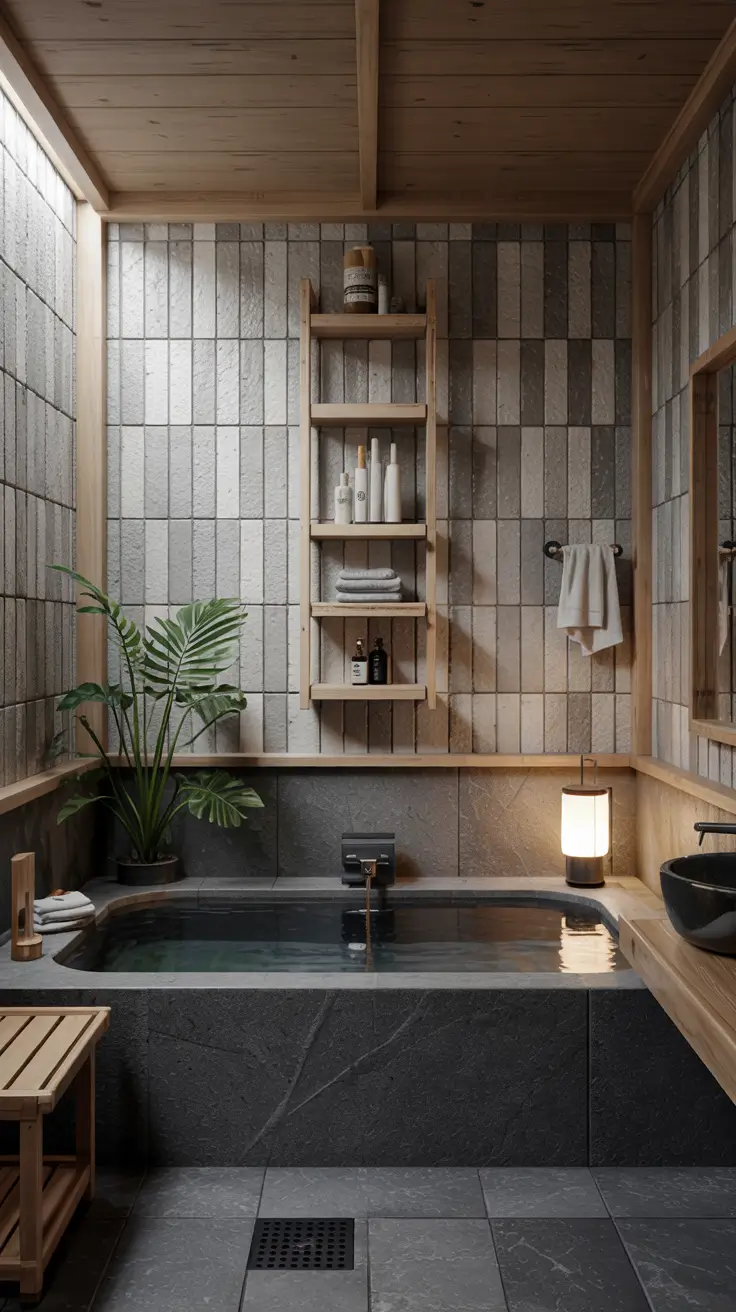
Furniture and fixtures are intentionally simple. I often include deep soaking tubs, wall mounted storage, and minimal vanities made from natural materials. Surfaces are easy to clean and pleasant to the touch, reinforcing a sense of order and calm that defines this bathroom design style.
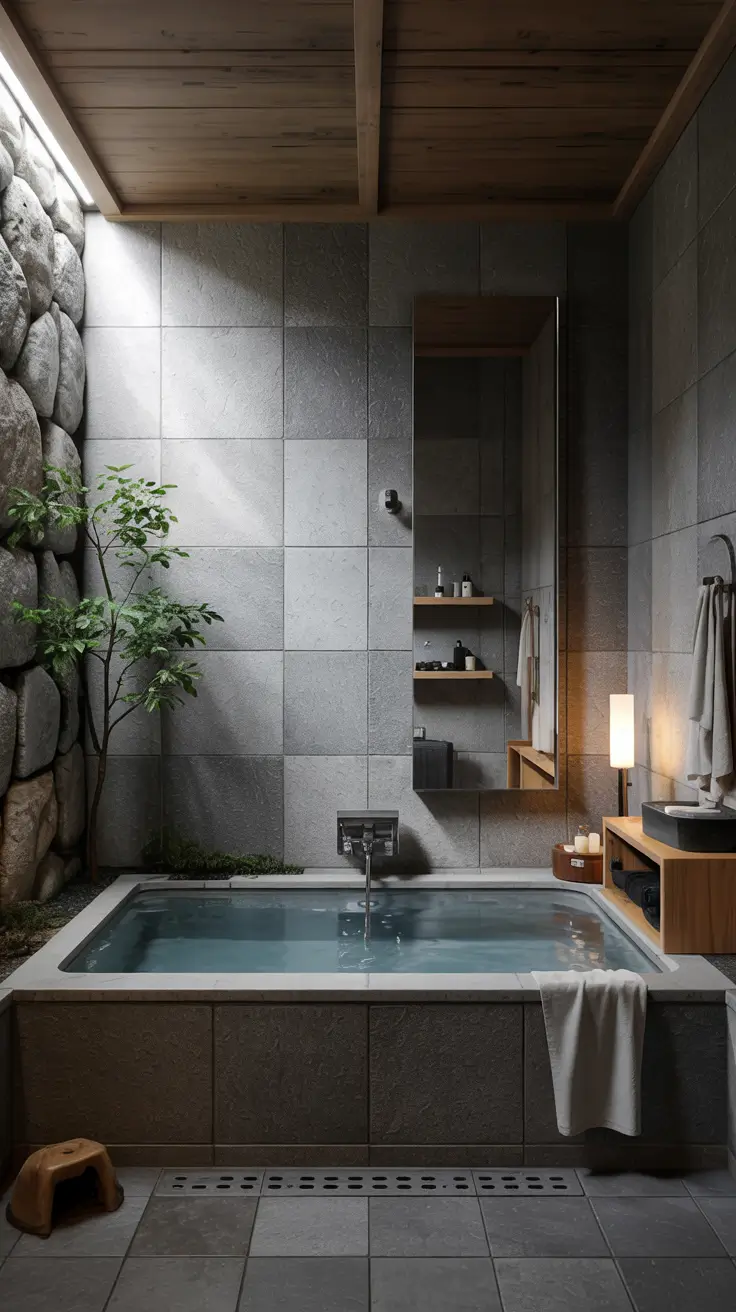
From my experience, clients are increasingly drawn to this philosophy because it reduces stress in everyday routines. US based interior publications frequently highlight Japanese bathrooms as benchmarks for wellness focused design, and I find their principles highly adaptable to modern homes.
What I would add here is a stronger integration of technology, such as precise temperature control and quiet ventilation systems, to enhance comfort without disrupting simplicity.
Classic Bathroom Design Reimagined for 2026
Classic bathroom design in 2026 respects tradition while subtly updating it for modern life. I approach these interiors with a focus on symmetry, balanced layouts, and materials that feel familiar yet refined. This style works well in both residential and public spaces where timeless appeal matters.
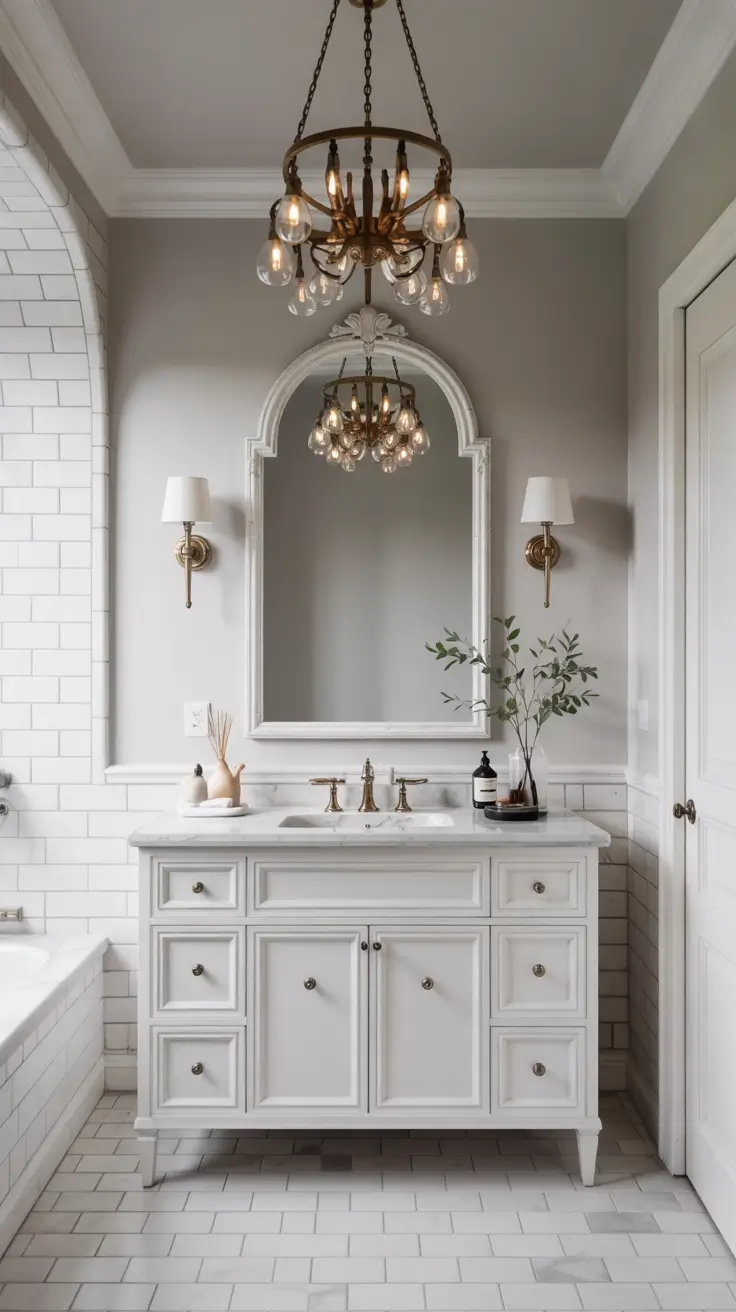
I select furniture with traditional forms, such as framed vanities and detailed mirrors, but pair them with modern plumbing and lighting solutions. This combination ensures reliability, comfort, and visual harmony within the bathroom design interior.
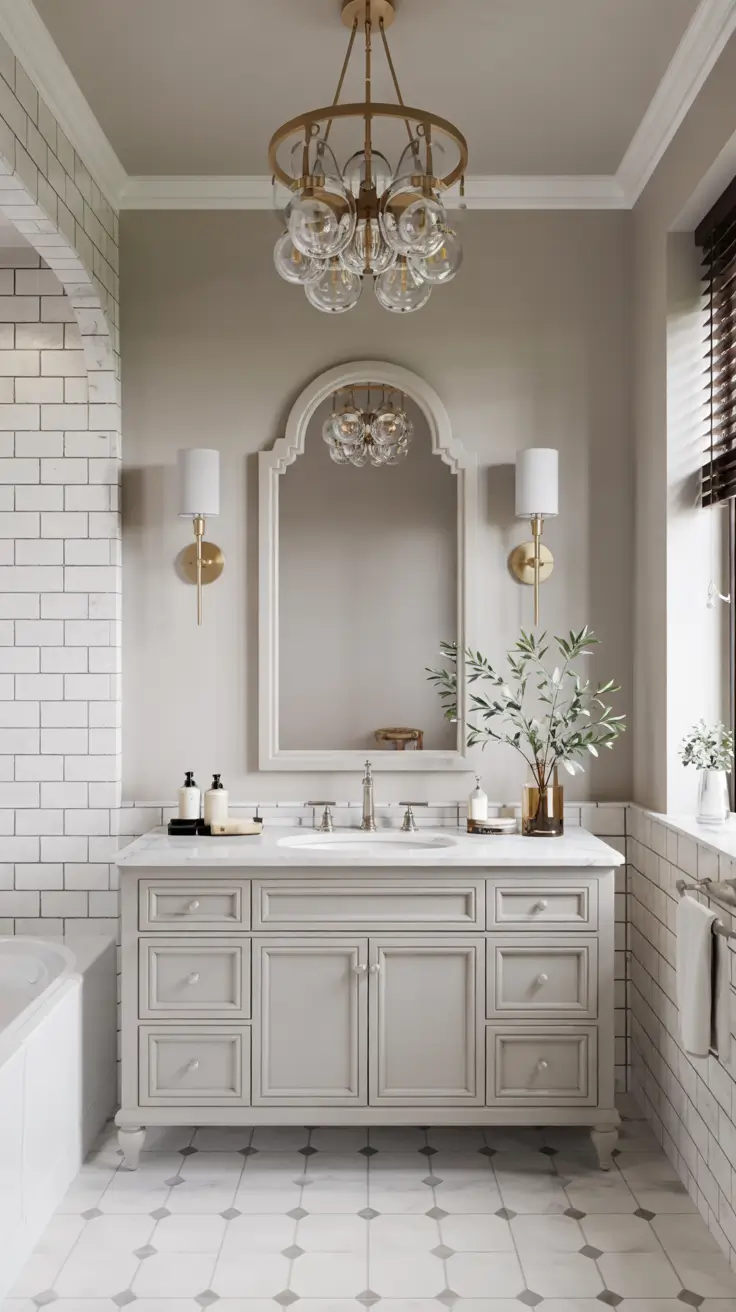
In my professional practice, I often remind clients that classic does not mean outdated. Designers across the US consistently recommend refreshing classic spaces with modern finishes, and I see this approach delivering long lasting satisfaction.
To complete this reimagined classic style, I would add more flexible storage solutions that meet contemporary lifestyle needs without altering the visual language.
Midcentury Bathroom Design Revival
Midcentury bathroom design is experiencing a thoughtful revival in 2026. I design these spaces to celebrate clean lines, functional layouts, and a sense of optimism that defined the original era. The bathroom design layout emphasizes efficiency and visual balance.
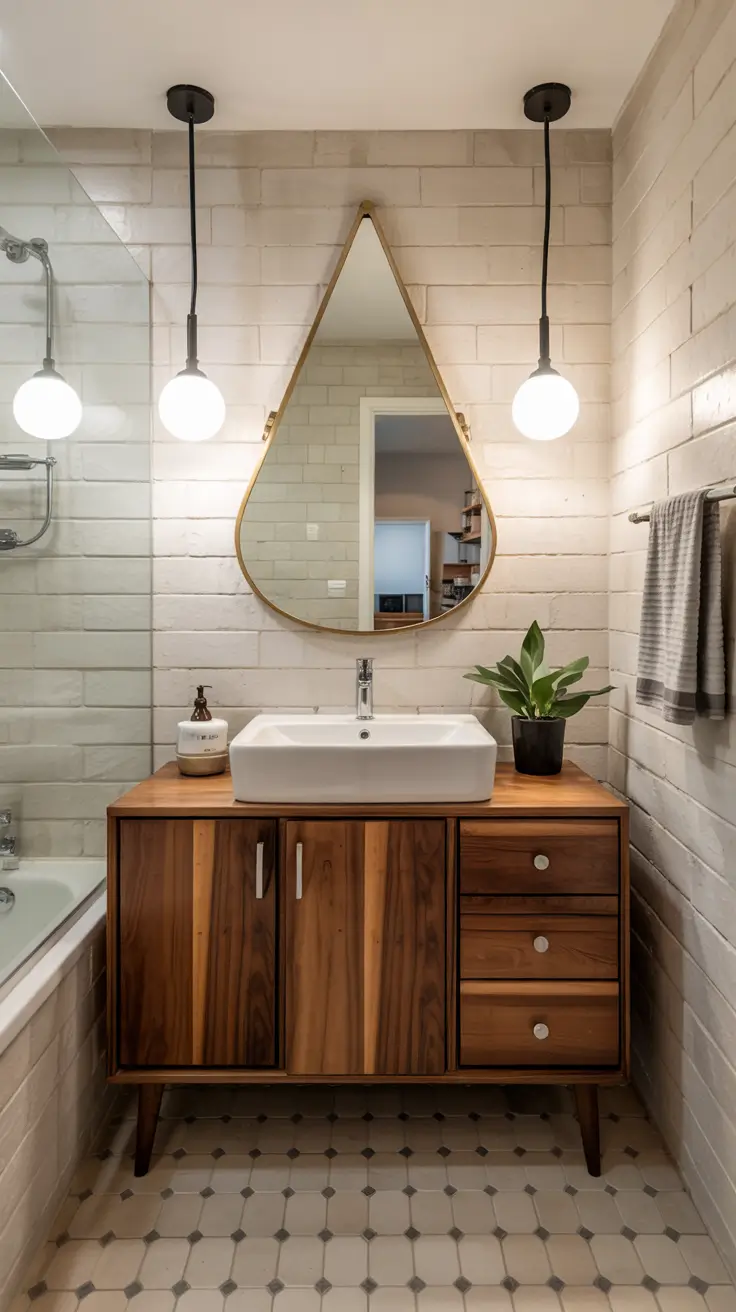
Furniture choices typically include wooden vanities with tapered legs, geometric mirrors, and bold yet controlled color accents. These elements bring character while maintaining a modern and elegant atmosphere.
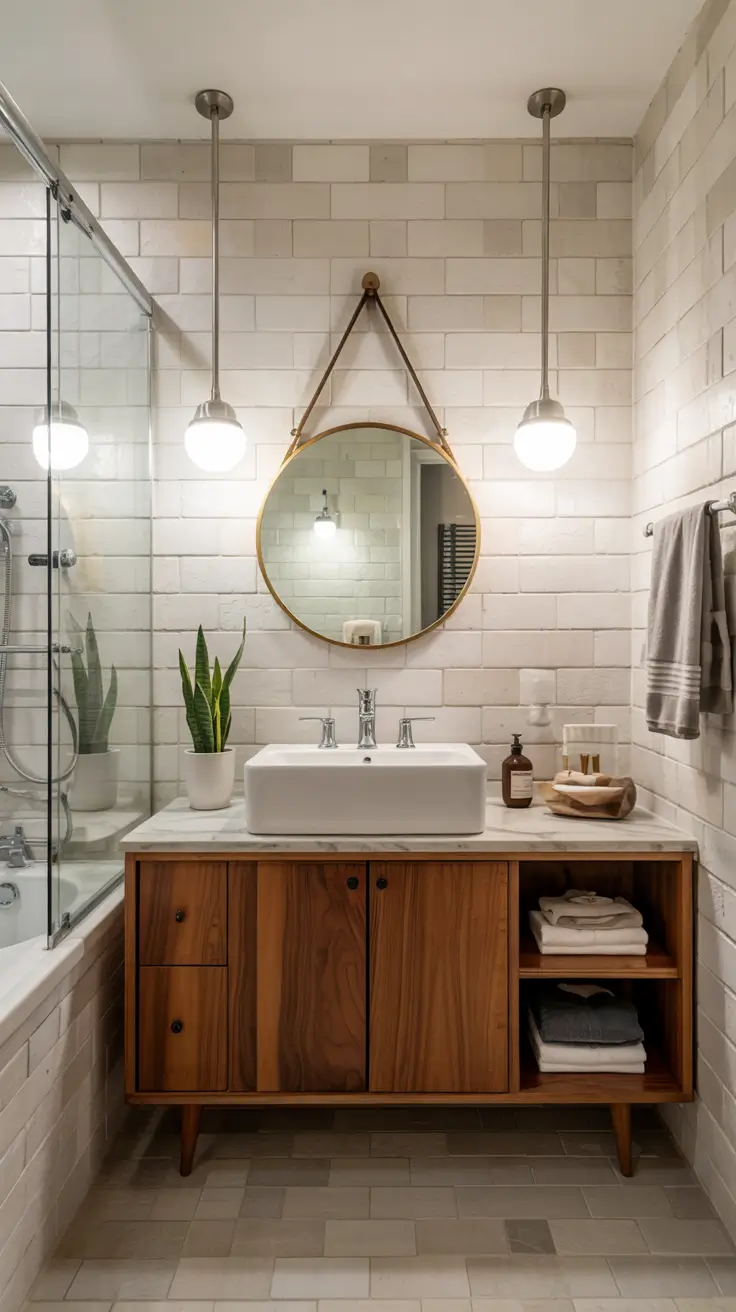
From my experience, midcentury style resonates with homeowners seeking personality without excess. Many interior designers note that this style works best when combined with modern materials, a strategy I consistently apply.
What I would still add is improved lighting planning, as contemporary lighting technology can significantly enhance midcentury forms.
Rustic Bathroom Design with Natural Materials
Rustic bathroom design in 2026 focuses on authenticity and warmth. I design these bathrooms to feel grounded and inviting, often using natural textures to soften the overall space. This approach works well in both urban homes and outdoor or spa inspired settings.
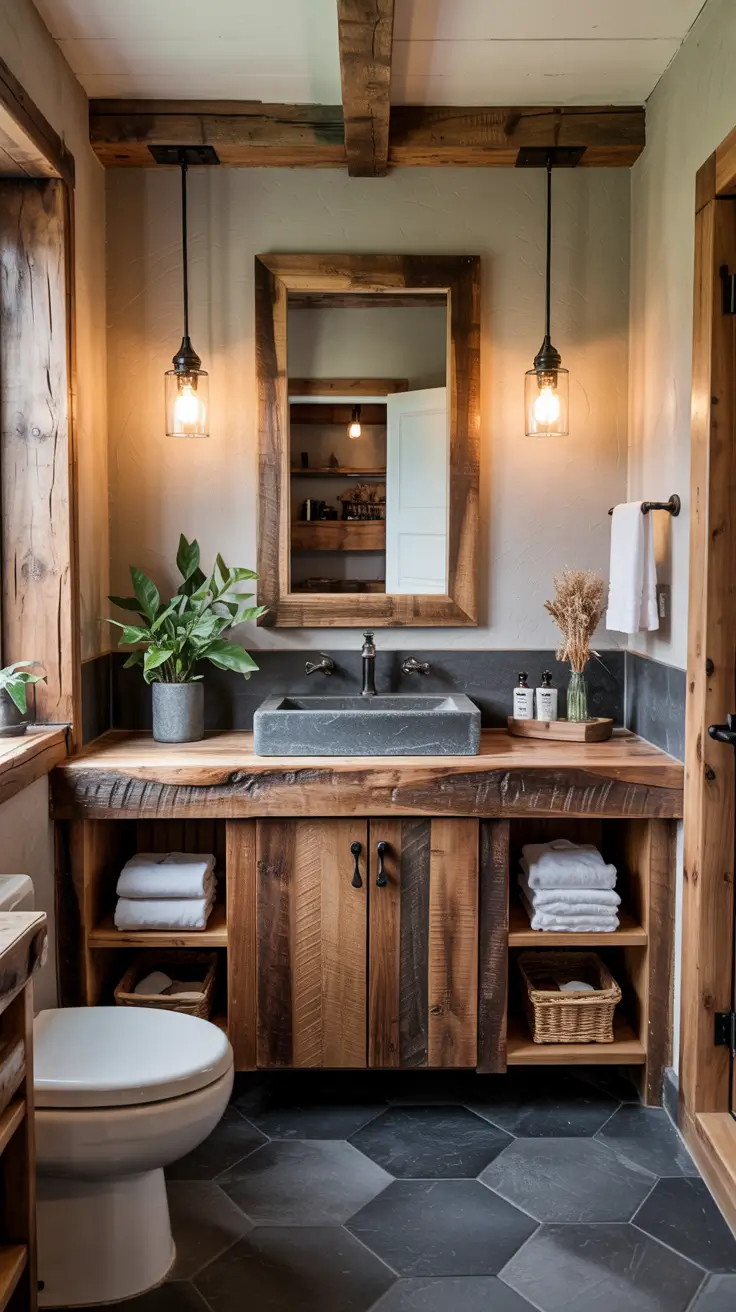
I include furniture made from reclaimed wood, stone sinks, and simple metal fixtures. These materials age gracefully and add depth to the bathroom design decor while remaining practical for everyday use.
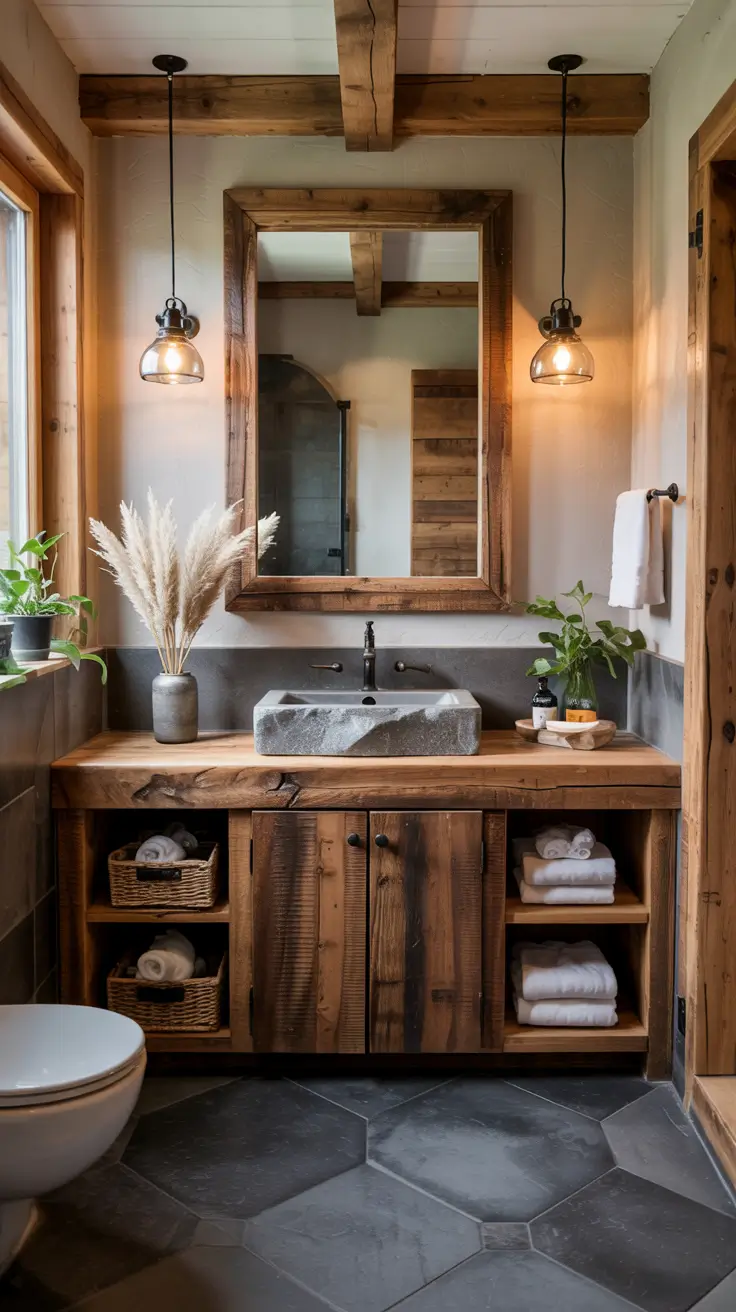
In my opinion, rustic bathrooms are most successful when balance is maintained. US design professionals often advise pairing rustic materials with modern conveniences, and I fully agree with this perspective.
To enhance this style further, I would incorporate underfloor heating or discreet modern comforts to contrast with the raw materials.
Green Bathroom Design and Sustainable Choices
Green bathroom design in 2026 is about responsible choices that do not compromise comfort or style. I design these spaces to reduce environmental impact while maintaining a modern and elegant look. Efficient layouts help minimize water and energy use.
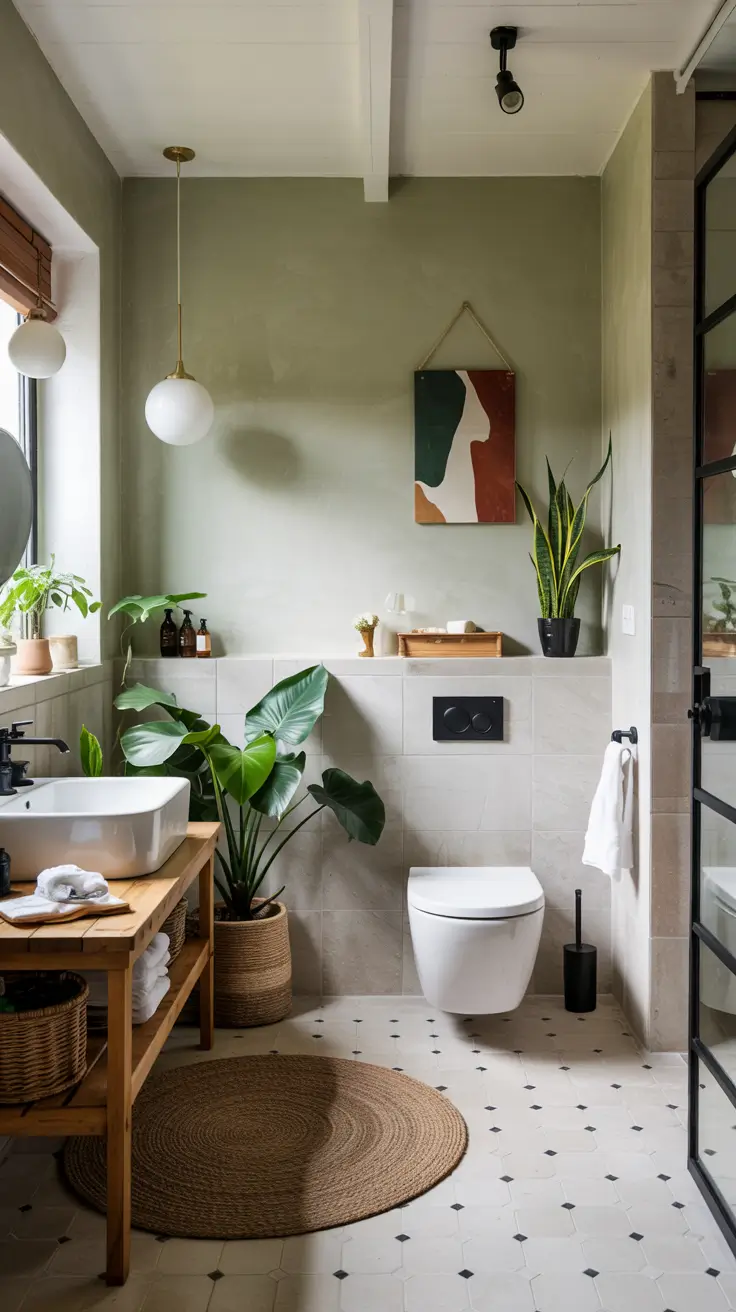
Furniture and fixtures are selected for sustainability, including water saving faucets, recycled materials, and durable finishes. Plants are often added to improve air quality and connect the interior to nature.
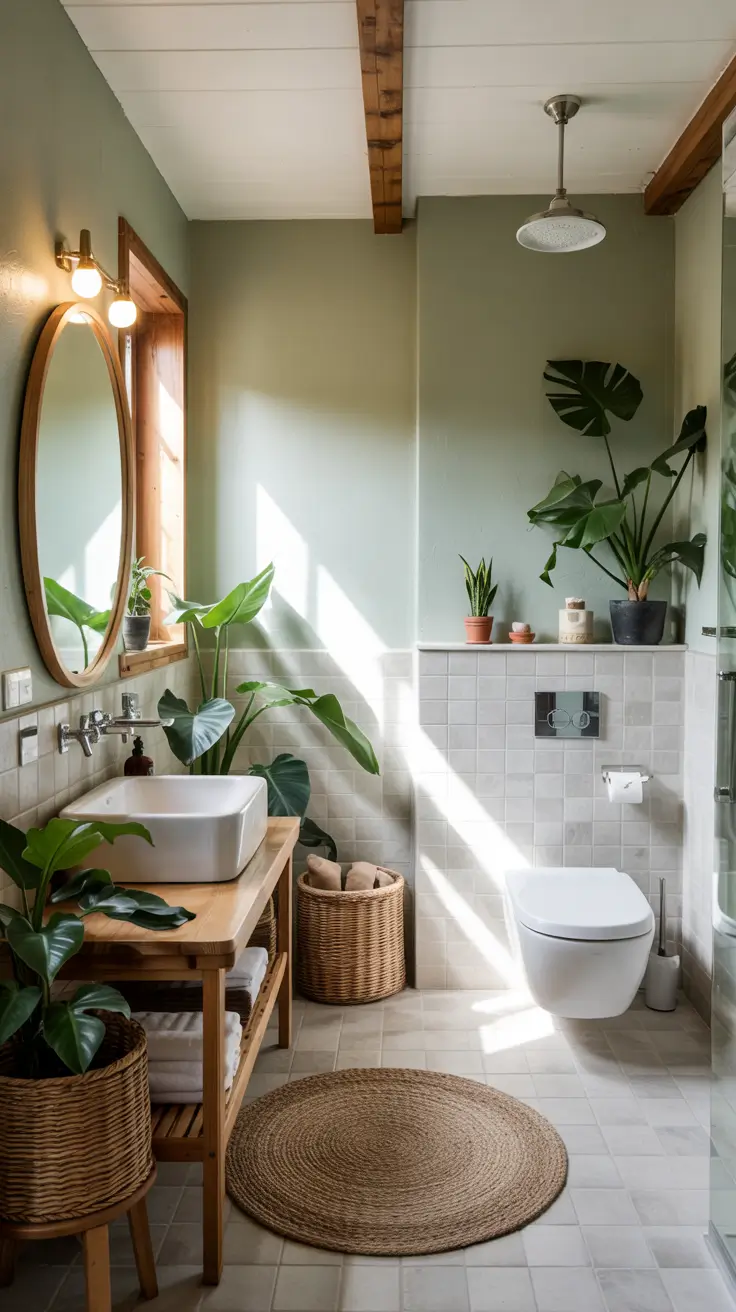
From my experience, sustainability is no longer optional. Many US based design authorities emphasize eco conscious interiors, and clients increasingly expect these solutions as standard.
What I would add here is clearer guidance on maintenance, ensuring that sustainable materials remain beautiful and functional over time.
Terrazzo Bathroom Design as a Statement Feature
Terrazzo bathroom design in 2026 serves as a bold yet refined statement. I use terrazzo strategically to add texture and visual interest without overwhelming the space. This material works well in modern and classic layouts alike.
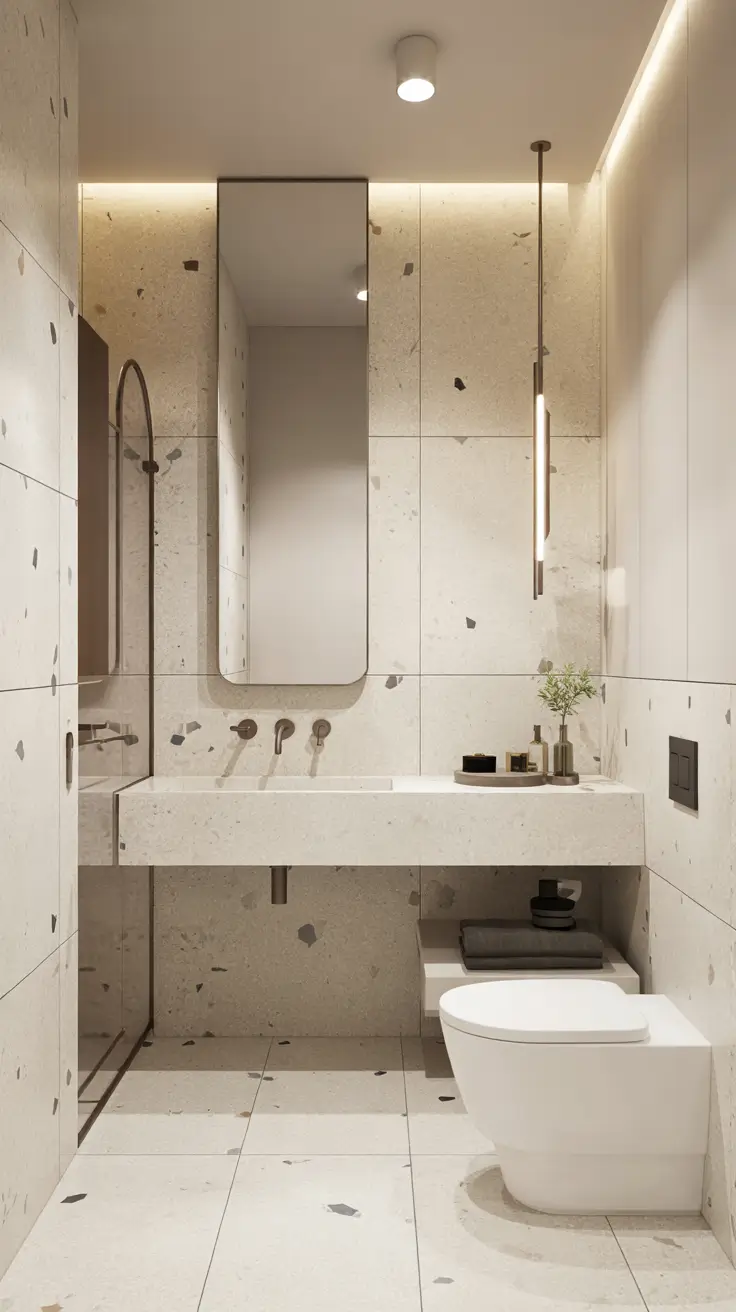
I often apply terrazzo to floors, walls, or vanity surfaces, pairing it with simple furniture to let the pattern stand out. Neutral fixtures help balance the vibrant surface, keeping the bathroom design modern and cohesive.
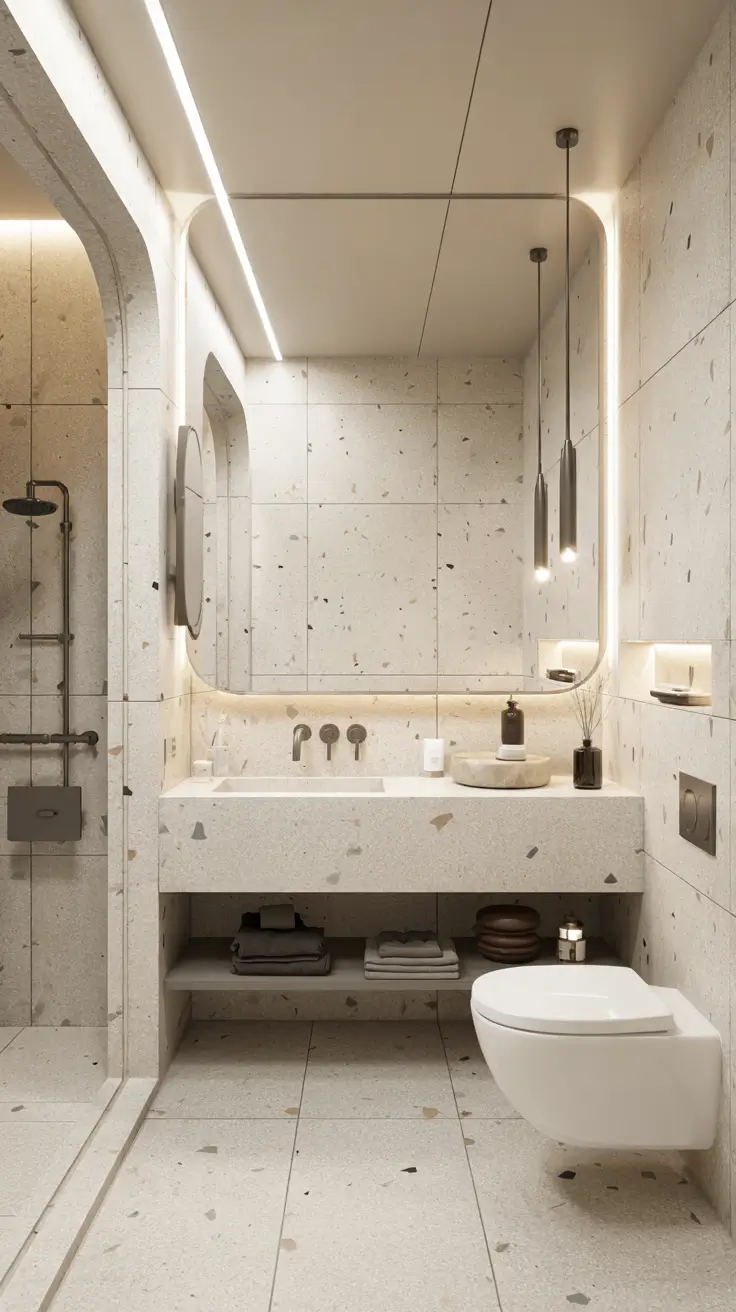
In my professional view, terrazzo is most effective when used with restraint. Designers frequently advise limiting strong materials to one or two surfaces, and I follow this approach to maintain elegance.
To complete this design, I would add complementary lighting that highlights the terrazzo texture throughout the day.
Coastal Bathroom Design Inspired by Nature
Coastal bathroom design in 2026 draws inspiration from light, air, and natural surroundings. I design these bathrooms to feel relaxed and open, making them ideal for homes near water or anyone seeking a calm atmosphere.
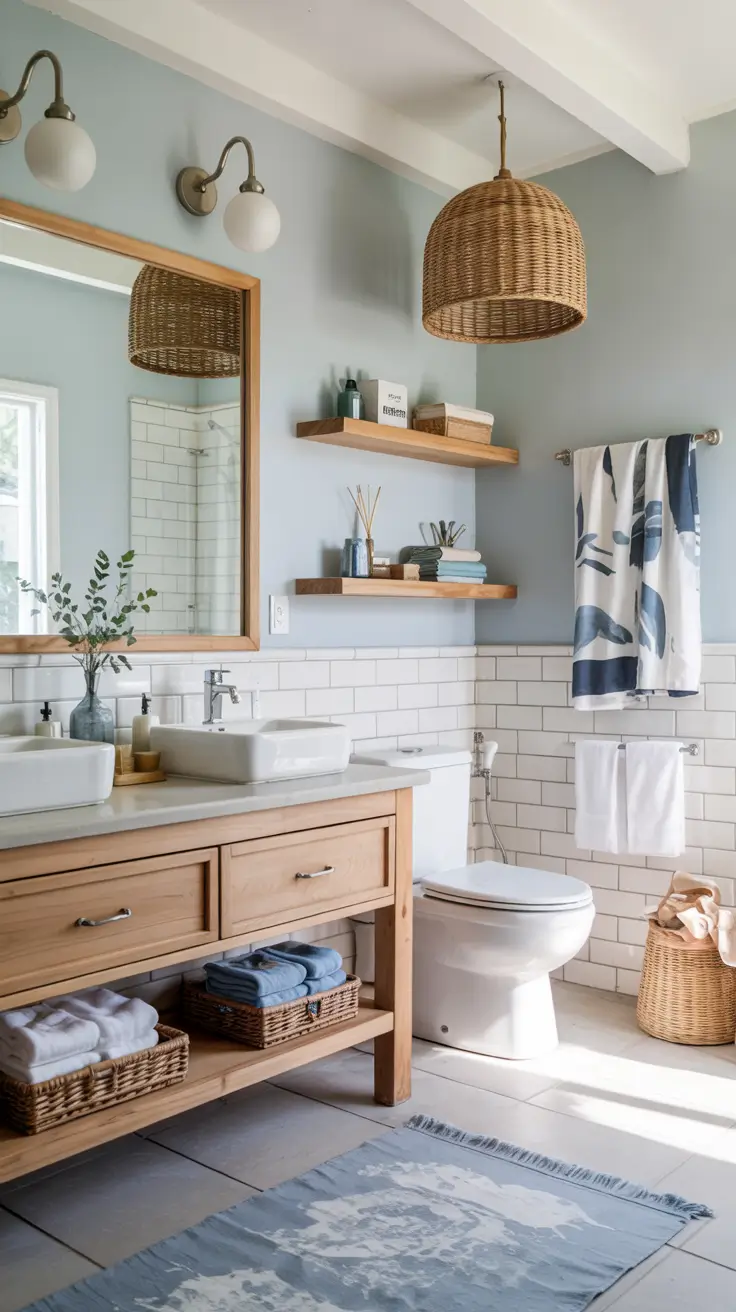
Furniture is typically light in color, with natural wood, simple vanities, and open shelving. Soft blues, whites, and sandy tones reinforce the coastal theme while keeping the bathroom design interior fresh and modern.
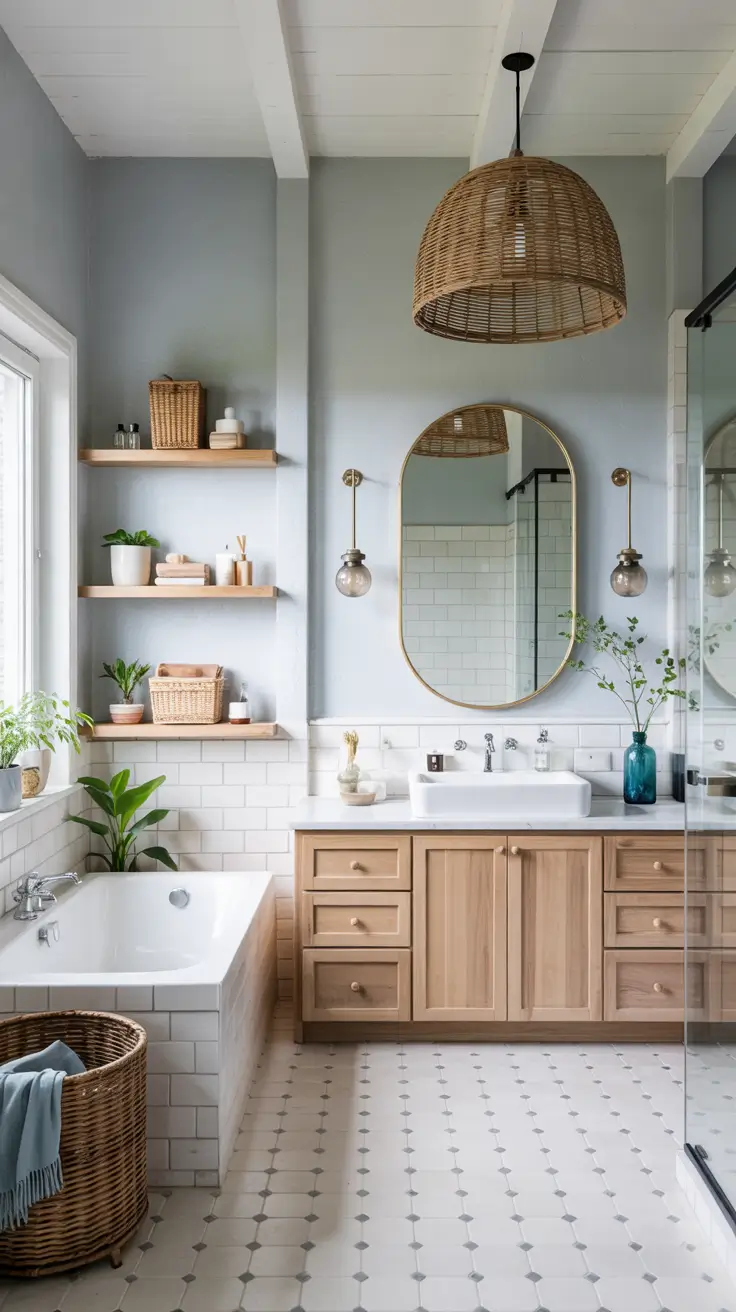
From my experience, coastal style works best when subtle. Interior designers often caution against overly literal decor, and I prefer to suggest nature through texture and color rather than themed accessories.
What I would add is improved moisture resistant materials to ensure durability in humid environments.
Hotel Style Bathroom Design at Home
I see hotel inspired bathrooms becoming one of the strongest bathroom design inspiration sources for 2026. This approach focuses on creating a calm, Elegant atmosphere that feels indulgent yet practical. Layout plays a major role here, with clear zoning between the shower, bathtub, toilet and vanity to support everyday routines without visual clutter. Warm lighting, balanced proportions, and acoustic comfort turn a regular bathroom into a private retreat.
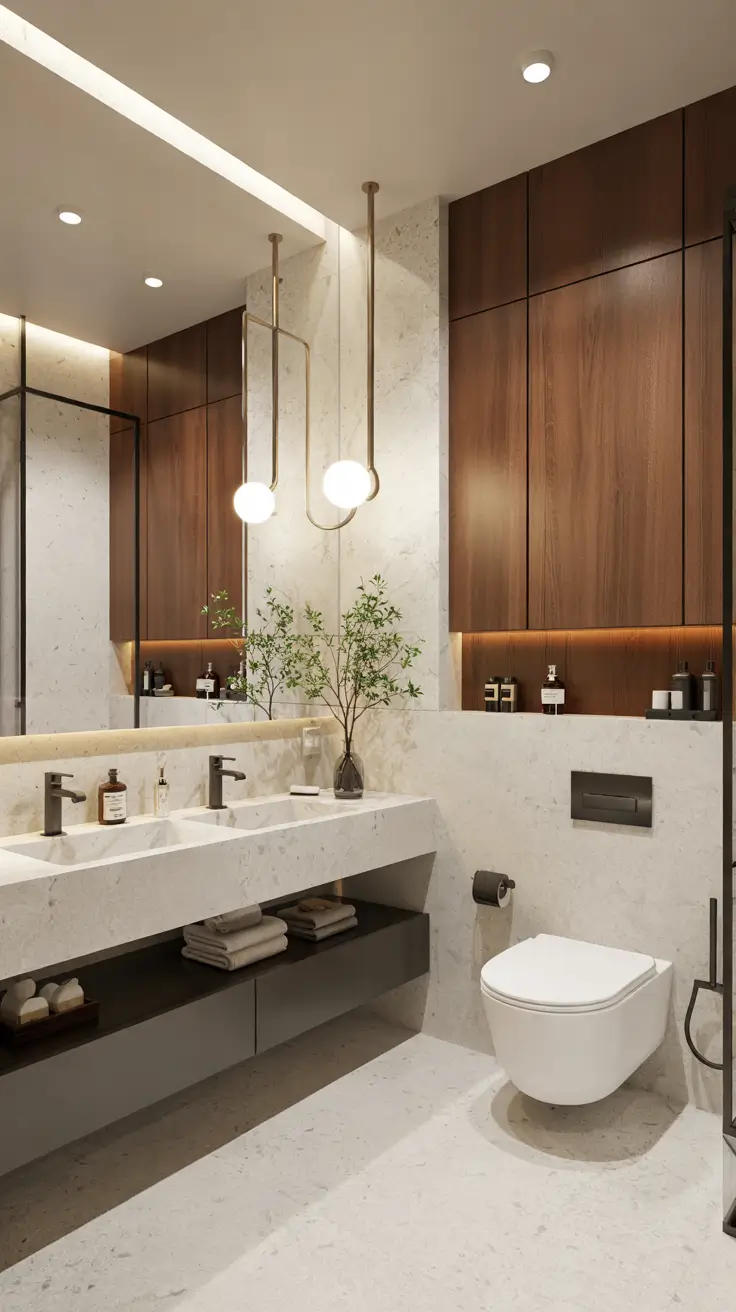
From my experience, the core furniture pieces include a floating vanity with integrated storage, a freestanding tub as a visual anchor, and a frameless glass shower enclosure. Stone or Terrazzo surfaces elevate the space while remaining durable. Wall mounted toilets and concealed cisterns maintain a clean bathroom design modern aesthetic while improving hygiene and ease of cleaning.
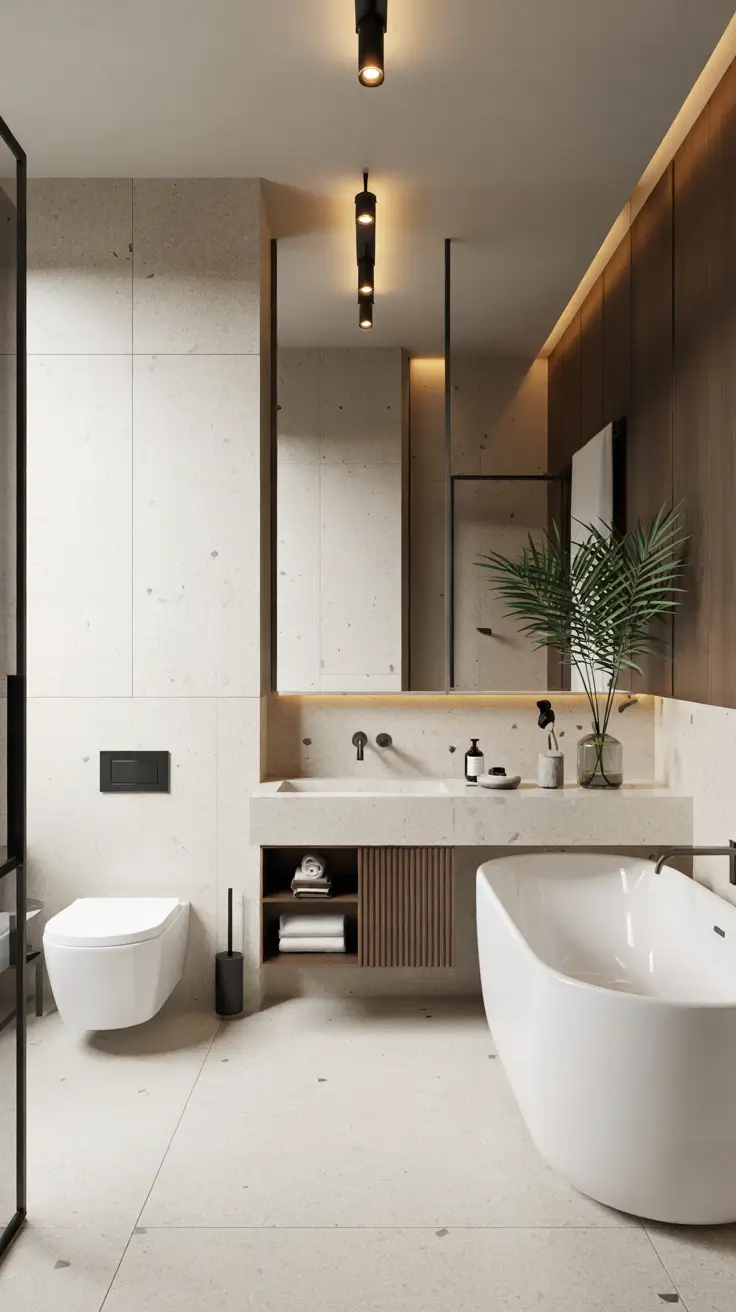
I often recommend this style to clients who want bathroom design luxury without excessive ornamentation. Designers frequently cited in US interior media emphasize layered lighting and tactile materials as the secret to hotel level comfort. I fully agree because lighting and surface quality define how luxurious a space feels long after the initial renovation.
What is often missing in hotel style bathrooms is personalized Decor. I always suggest adding subtle artwork, curated accessories, or Green elements to prevent the space from feeling generic and to maintain a sense of home.
Outdoor Bathroom Design for Modern Living
Outdoor bathroom design is no longer limited to resorts. In 2026, I see it becoming a serious option for Modern homes, especially in warm or Coastal regions. These bathrooms blur the line between interior and exterior design, using privacy walls, strategic landscaping, and weather resistant materials to create an immersive experience. Proper drainage and zoning are essential to make the layout functional year round.
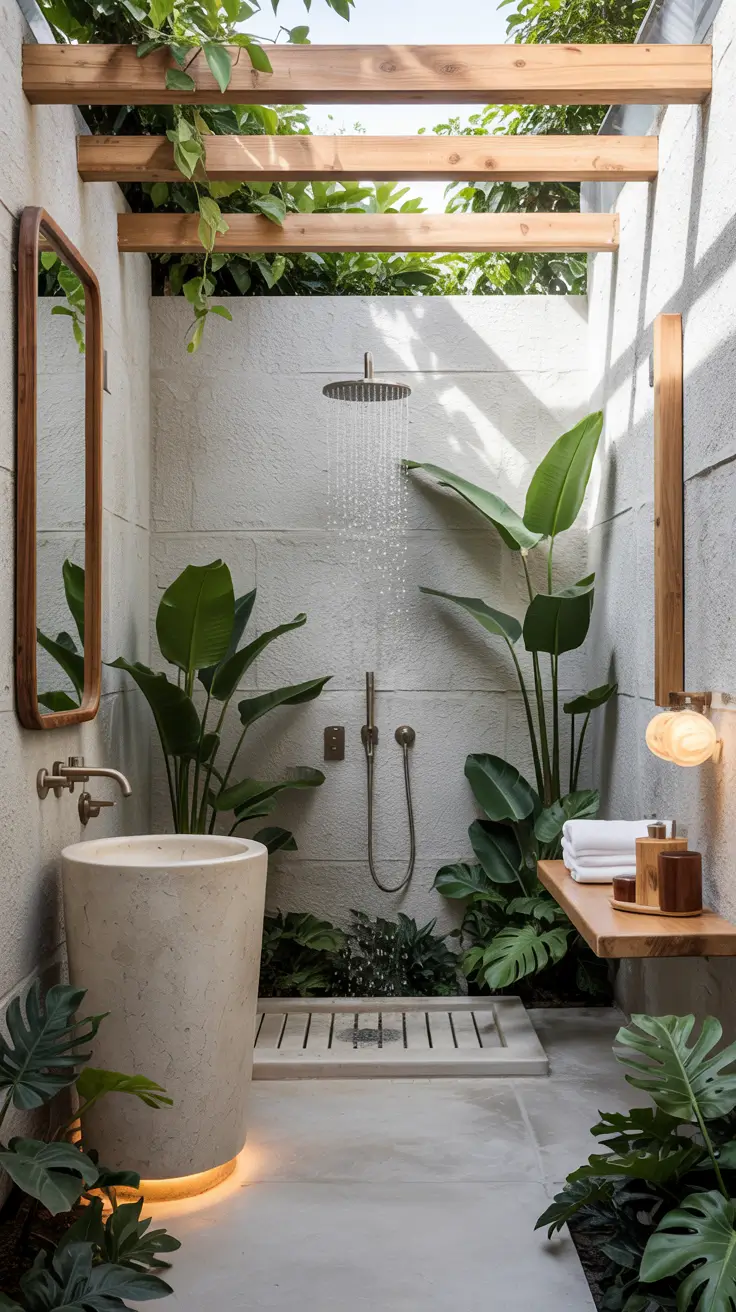
Key elements include stone basins, concrete or teak platforms, and rainfall showers designed for Outdoor use. I always specify fixtures with corrosion resistant finishes and flooring with anti slip textures. Natural materials such as wood and stone help the bathroom design interior blend seamlessly with its surroundings.
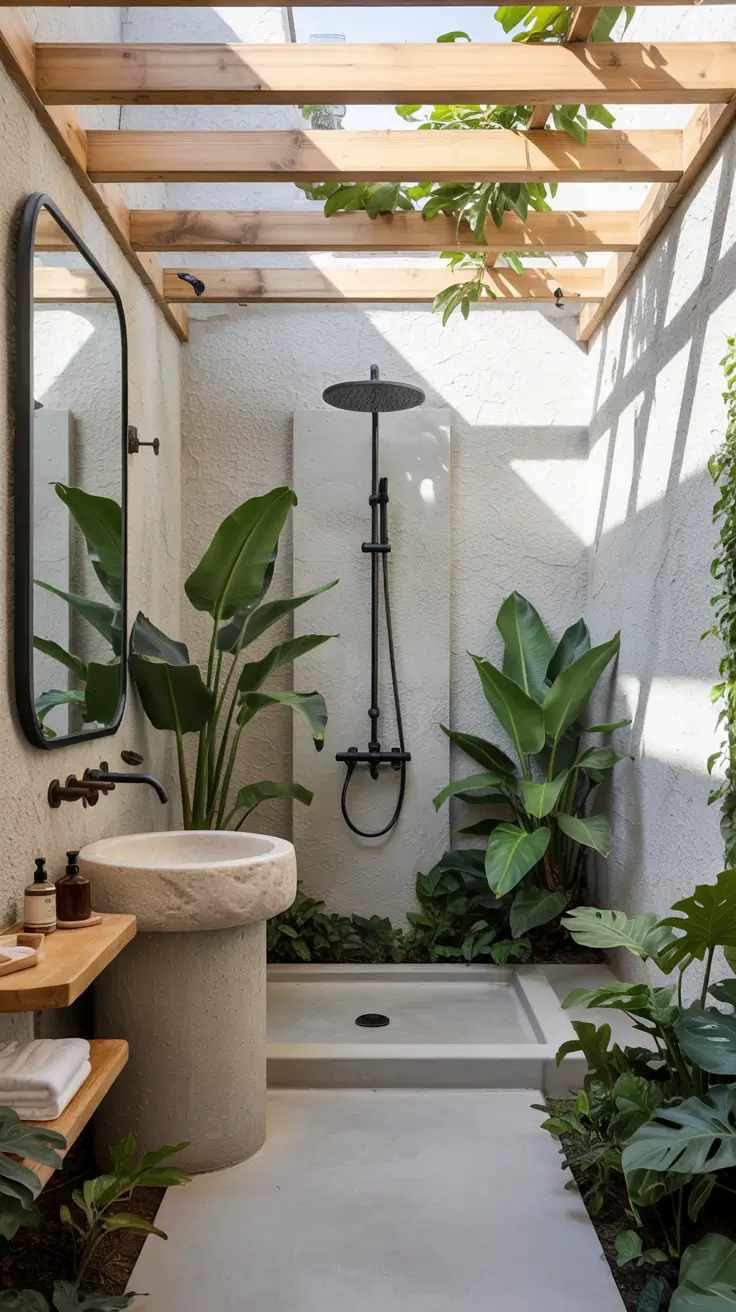
Personally, I find Outdoor bathrooms incredibly restorative. Many architects and designers featured in US design publications highlight the mental health benefits of bathing in open air environments. From my own projects, I can confirm that users connect more deeply with nature when the design is done thoughtfully.
What is often overlooked is lighting. I always recommend adding layered Outdoor lighting for evening use, combining soft ambient fixtures with focused task lighting to ensure safety without breaking the mood.
Small Space Bathroom Design Solutions
Small space bathrooms are a major focus in bathroom design 2026 as urban living continues to evolve. I approach these projects by prioritizing layout efficiency and visual openness. Clean lines, Minimalist detailing, and thoughtful storage solutions allow even Tiny bathrooms to feel functional and refined rather than cramped.
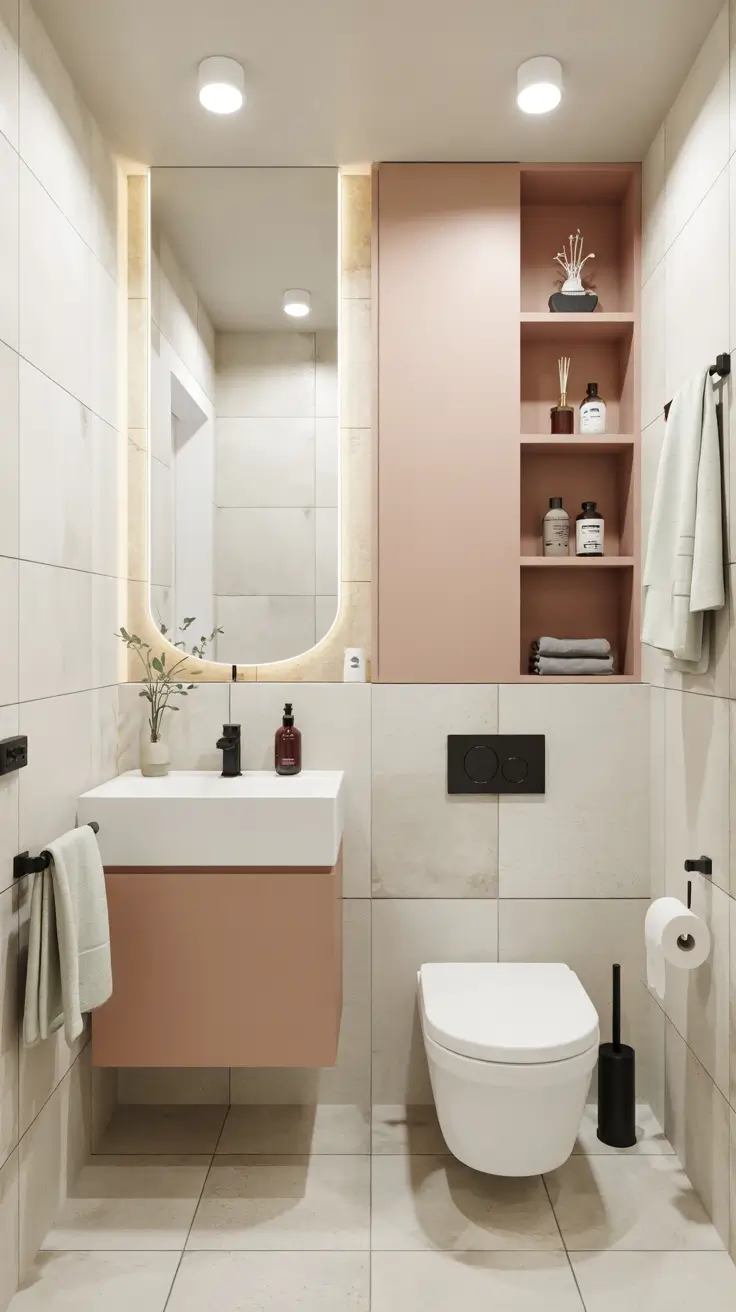
I typically use wall hung vanities, recessed shelves, and compact fixtures to free up floor space. Mirrors with integrated lighting expand visual depth, while sliding or pocket doors prevent wasted clearance. Choosing a consistent color palette, often light or Green toned, enhances continuity and calm.
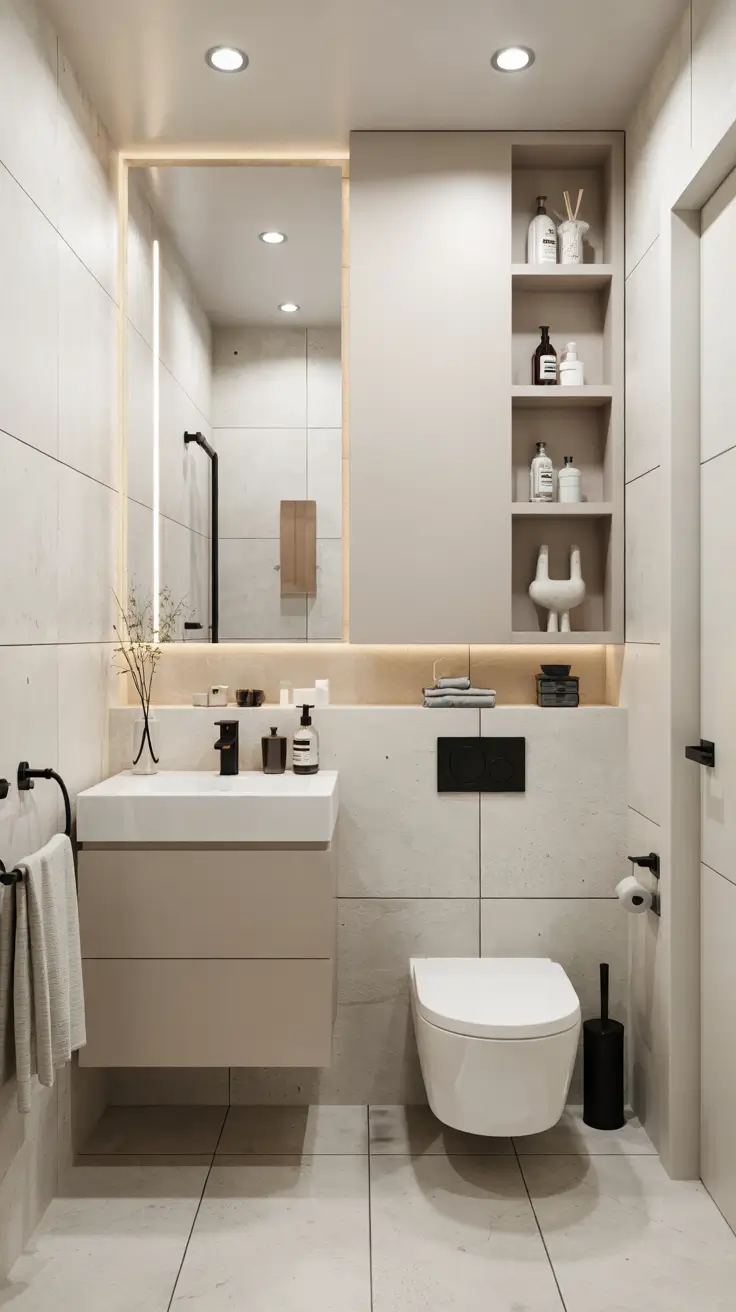
From my experience, small space success comes from restraint. Designers in Midcentury and Japanese traditions often stress simplicity over excess, and I apply the same principle. Every element must earn its place to avoid visual noise.
What is sometimes missing is adaptability. I recommend adding modular storage or adjustable shelving so the bathroom can evolve with changing needs without requiring a full renovation.
Small Modern Bathroom Design Ideas
Small modern bathrooms take compact living a step further by emphasizing technology and sleek aesthetics. In 2026, I see this style focusing on smart fixtures, integrated lighting, and precise geometry. The goal is to combine Modern design with maximum usability, even in limited square footage.
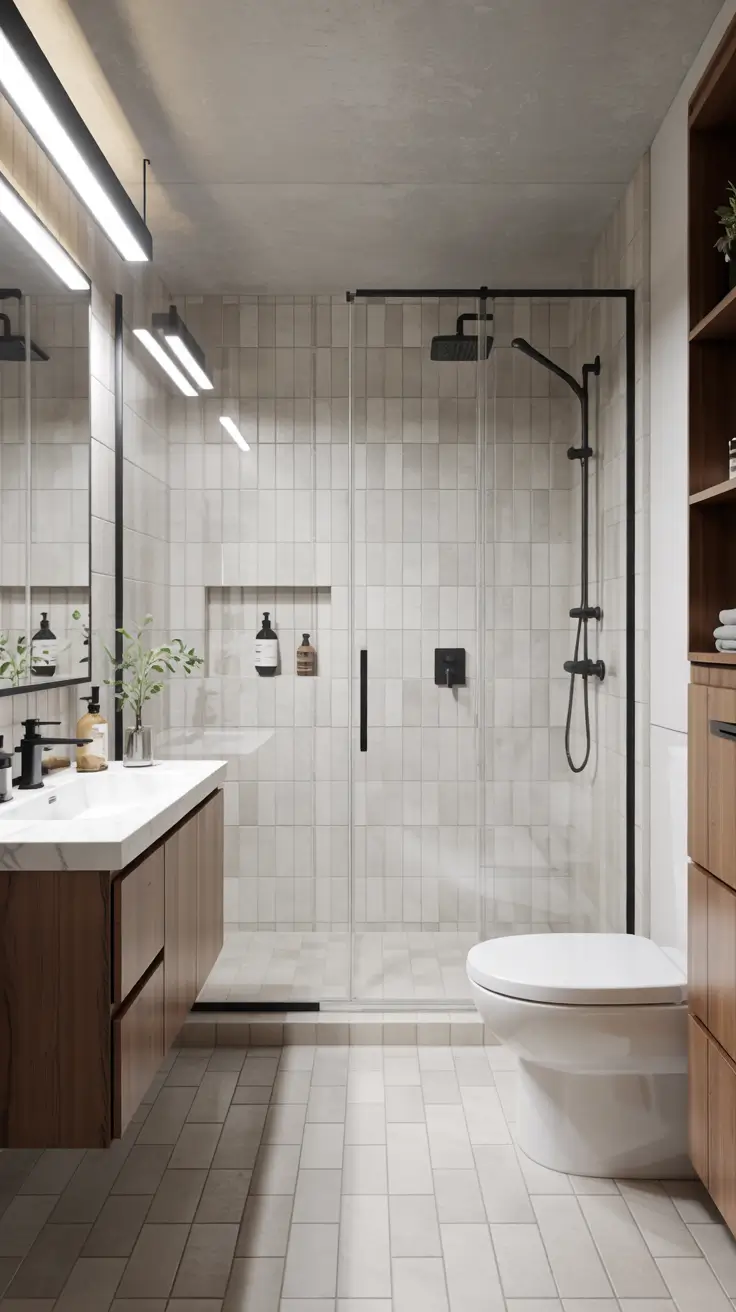
Essential elements include sensor faucets, rimless toilets, and walk in showers with linear drains. I often select matte finishes and handle free cabinetry to reinforce a clean bathroom design modern look. Glass partitions maintain openness while controlling splashes.
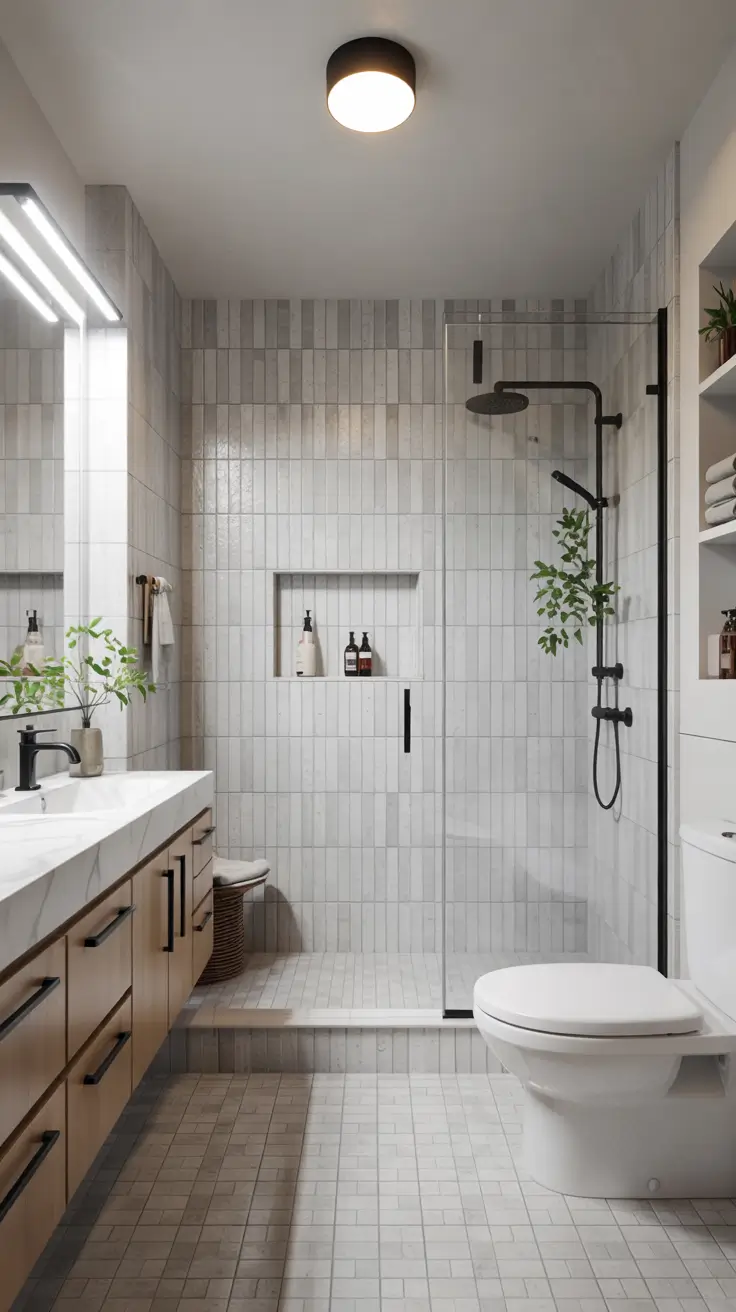
I appreciate how this style balances innovation and simplicity. Many US based interior designers advocate for investing in fewer but higher quality fixtures, and I share that view. A well designed small modern bathroom feels intentional rather than constrained.
What can enhance this style further is texture. I suggest subtle Terrazzo, ribbed tiles, or wood accents to prevent the space from feeling too sterile.
Tiny Bathroom Design That Maximizes Function
Tiny bathrooms demand a different mindset. In bathroom design 2026, I focus on micro layouts that still support daily comfort. This often means rethinking standard dimensions and embracing unconventional solutions without sacrificing elegance.
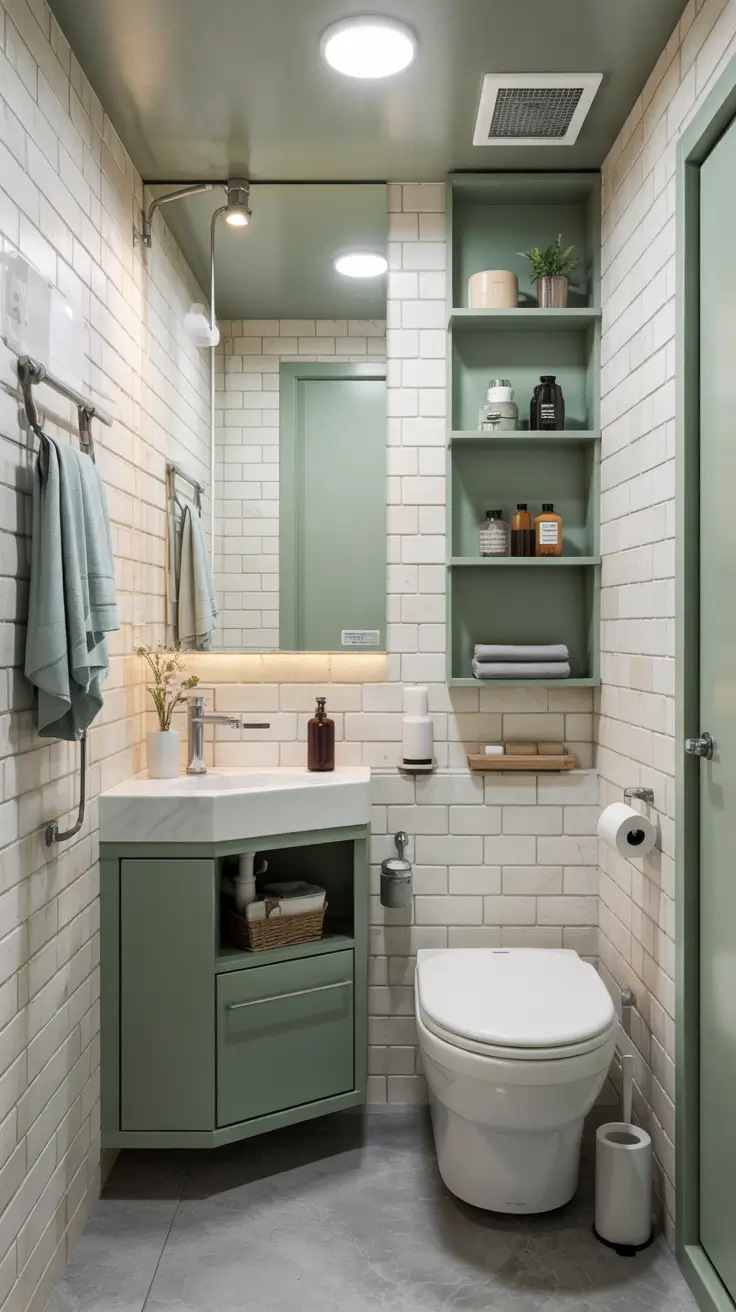
I frequently use corner sinks, combined shower and tub units, and compact toilet designs. Vertical storage becomes critical, with tall cabinets or wall niches extending upward rather than outward. Light colors and reflective surfaces amplify the sense of space.
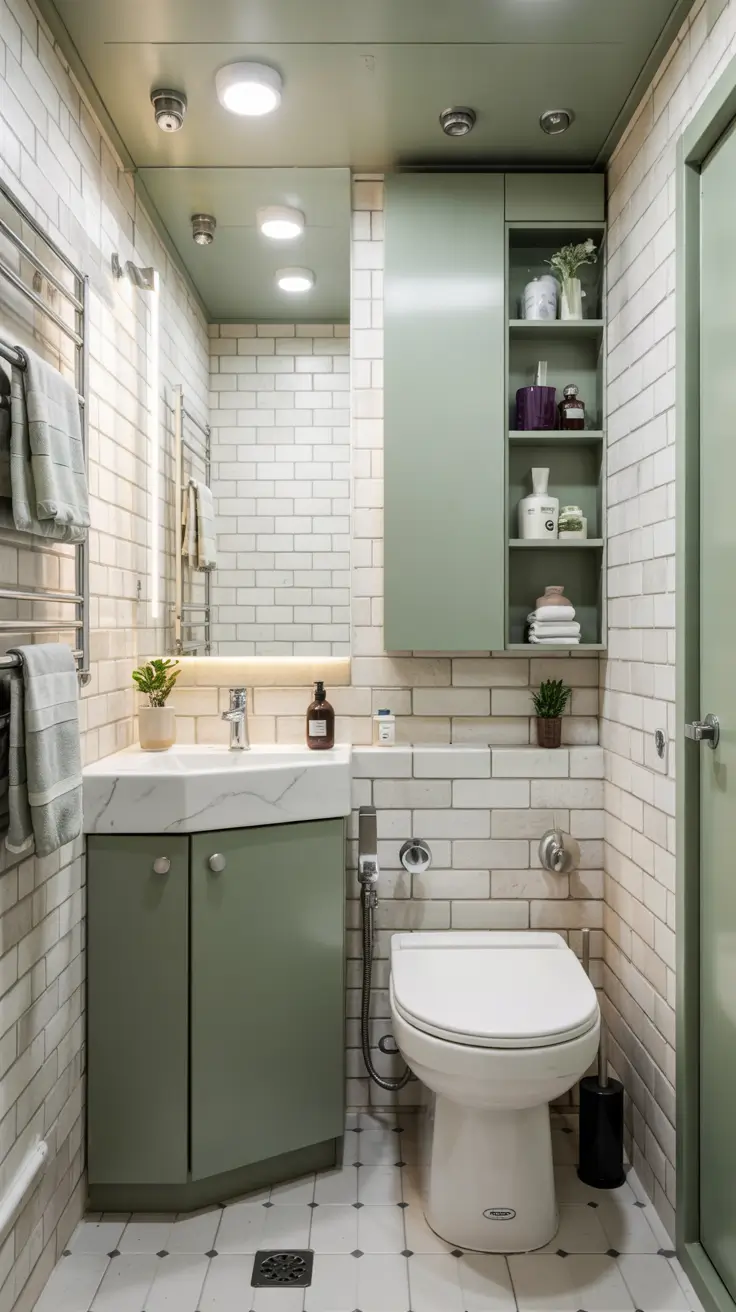
In my own work, I have seen how thoughtful Tiny bathroom design can outperform larger but poorly planned layouts. Experts in Small modern living consistently emphasize function first, and I apply that principle rigorously.
What is often missing is ventilation. I always advise improving airflow through efficient exhaust systems or small operable windows to maintain comfort and material longevity.
Bathroom Design Layout Planning for Efficiency
Layout planning is the backbone of successful bathroom designs in 2026. I approach layout as a strategic exercise that balances movement, privacy, and visual order. A well planned Layout improves usability regardless of style, whether Classic, Rustic, or Japandi.
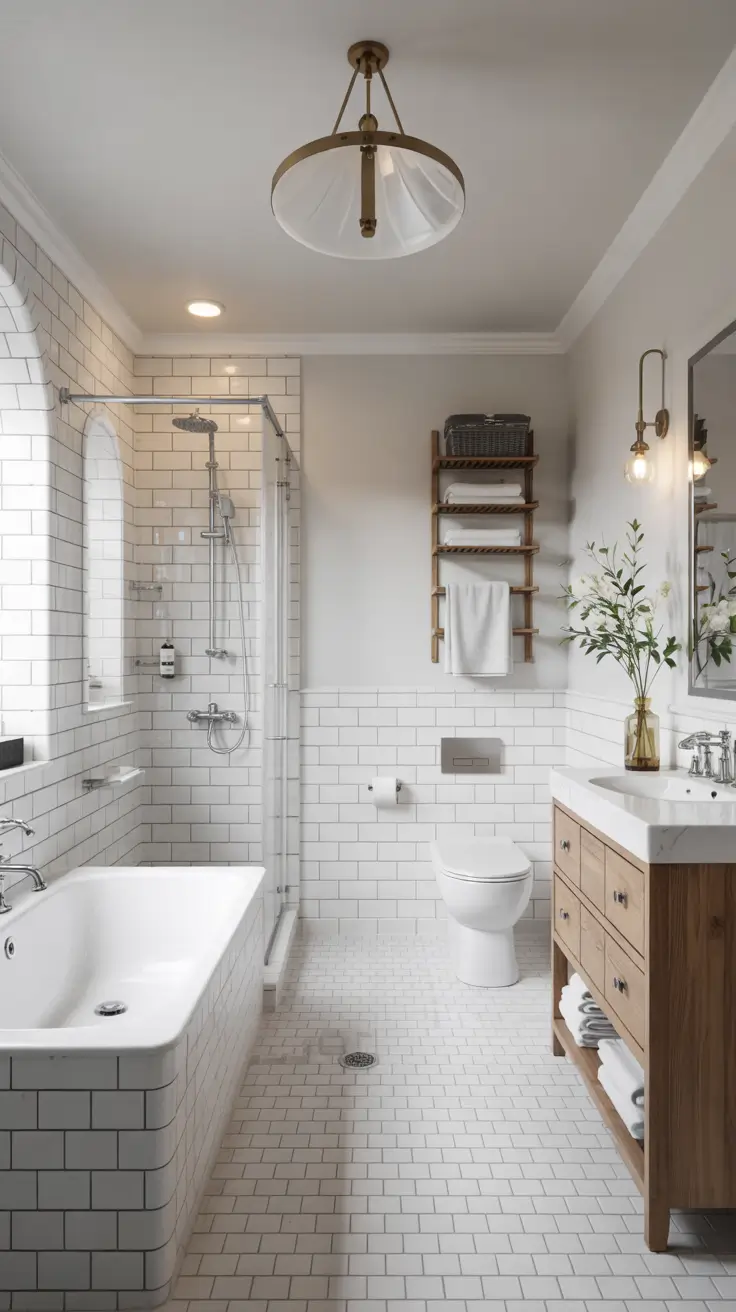
Key planning decisions include fixture placement, clearances, and circulation paths. I always ensure that the toilet and shower are visually discreet, while the vanity remains accessible and well lit. Zoning with flooring or ceiling treatments helps define functions without physical barriers.
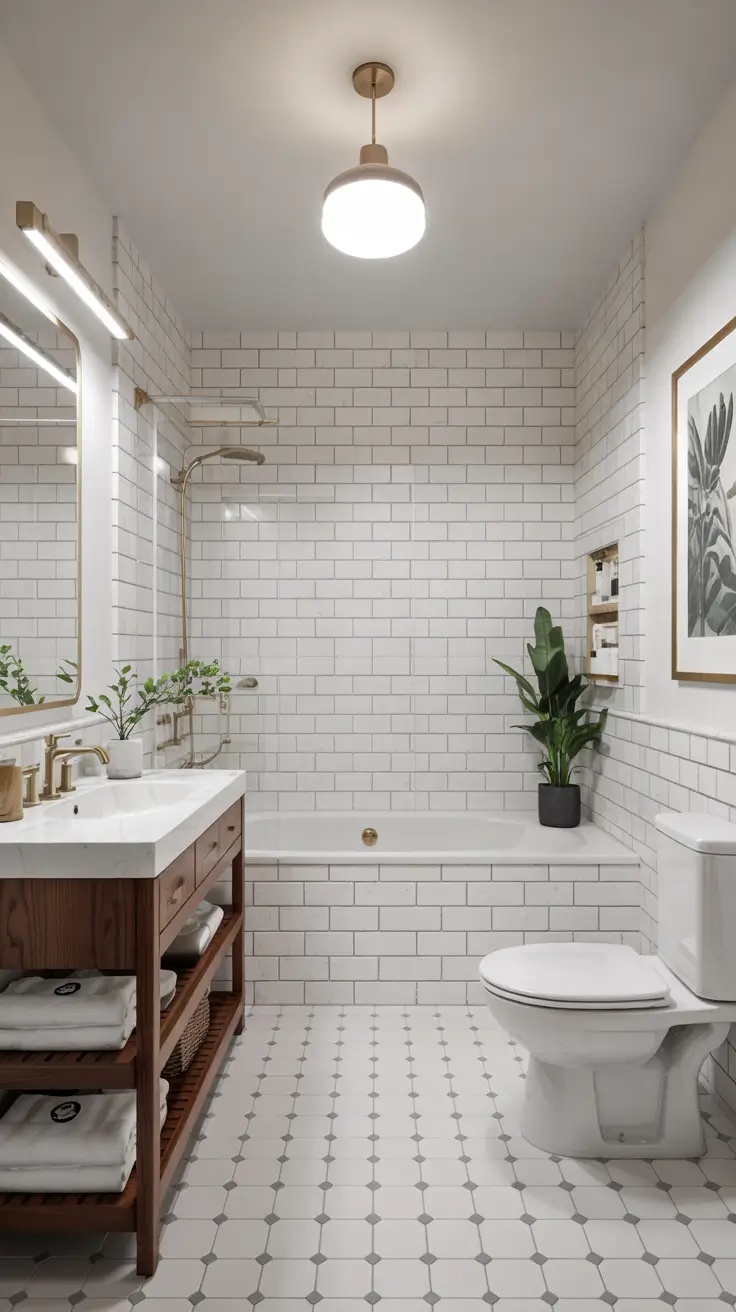
I strongly believe that good layout saves money long term. Many professional designers stress that mistakes in planning are costly to fix later, and my experience confirms this. Efficient layouts support aging in place and daily comfort.
What could be added more often is future proofing. I recommend planning for accessibility upgrades, such as wider clearances or reinforced walls, even if they are not immediately needed.
Bathroom Design Styles Defining 2026
Bathroom design styles in 2026 reflect a blend of global influences and timeless principles. I see Japandi, Minimalist, Classic, and Modern luxury styles evolving with more warmth and personalization. Sustainability and wellness now guide aesthetic decisions as much as visual appeal.
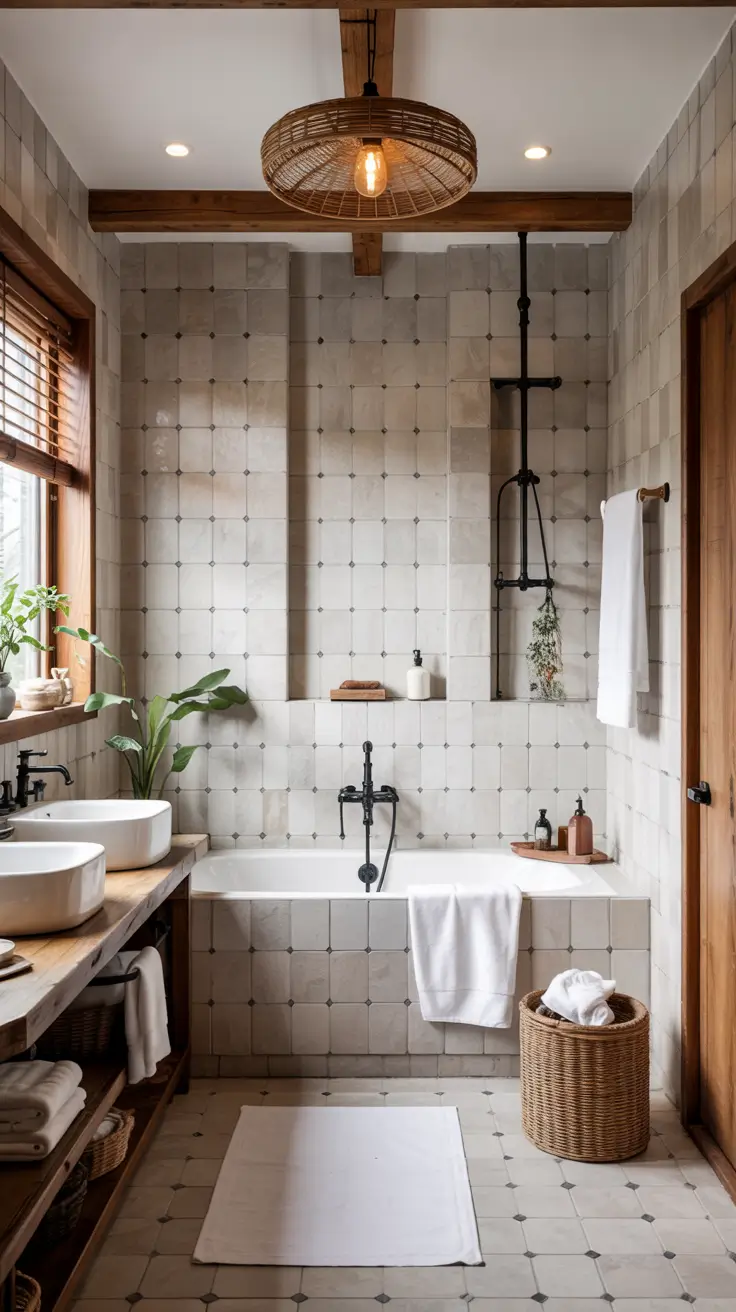
Signature elements vary by style but often include natural materials, subdued color palettes, and thoughtful Decor. Japandi bathrooms emphasize balance and simplicity, while Luxury styles focus on spa like features and refined finishes. Coastal and Rustic styles continue to influence material choices and textures.
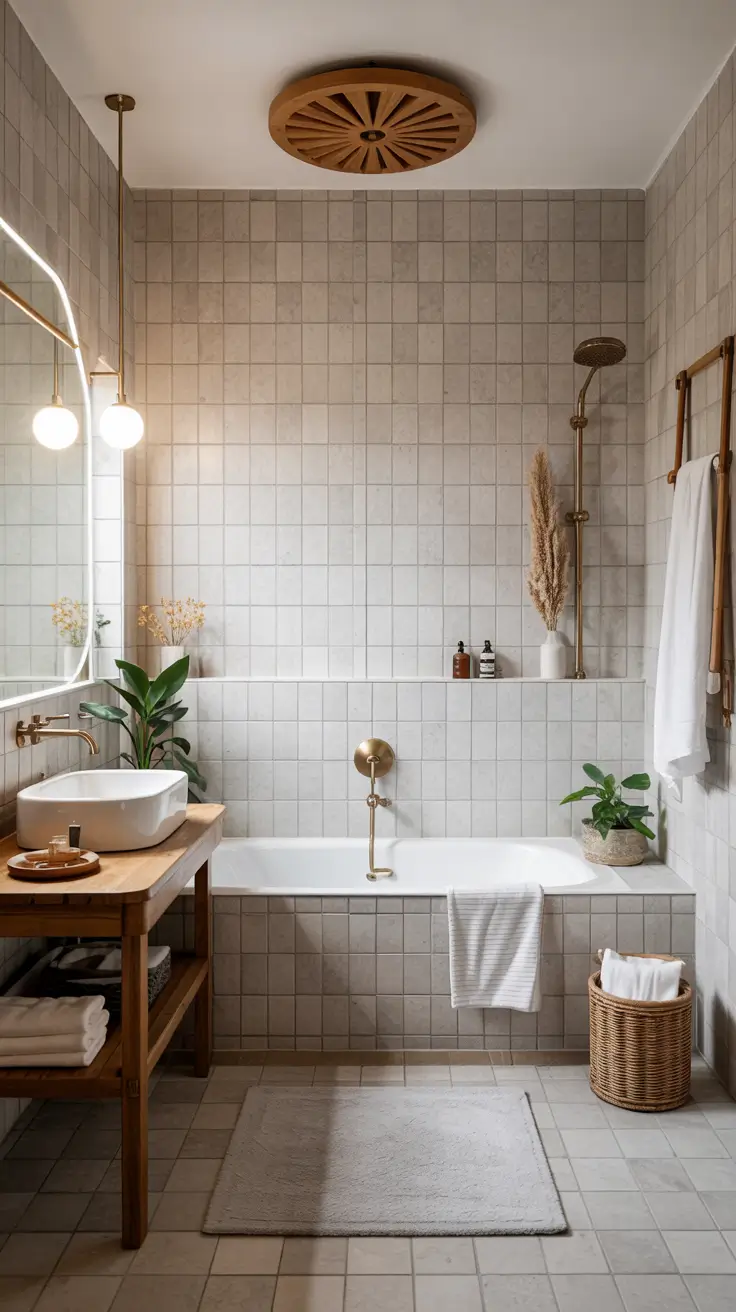
I enjoy how these styles encourage individuality. Well known US design publications often highlight the shift toward mixing Styles rather than following strict rules, and I support that approach. Personal comfort should always lead design decisions.
What is sometimes missing is cohesion. I advise selecting one dominant style and allowing secondary influences to support it, ensuring the bathroom feels intentional rather than eclectic.
Bathroom Design Interior Finishes and Materials
I approach bathroom design interior finishes in 2026 with durability, tactility, and visual calm in mind. The right materials define how Modern or Timeless a bathroom feels and how it performs over time. I focus on finishes that resist moisture while supporting Elegant bathroom design styles such as Japandi, Classic, or Minimalist. Surfaces are no longer just decorative, they actively contribute to comfort and longevity.
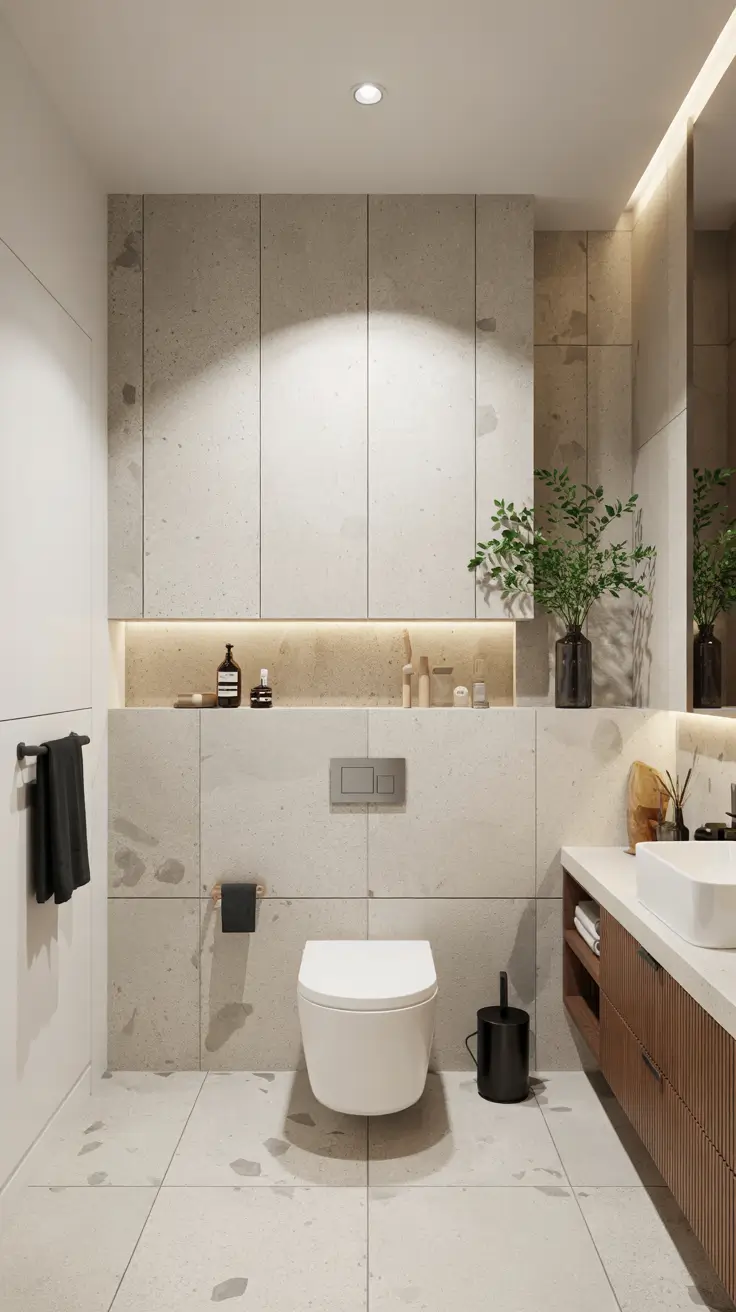
In my projects, I rely on large format porcelain tiles, Terrazzo flooring, natural stone accents, and engineered wood alternatives designed for wet areas. Matte finishes reduce glare and feel more refined, while seamless wall panels simplify maintenance. I also pay close attention to grout color, edge profiles, and transitions because these small details elevate overall bathroom designs.
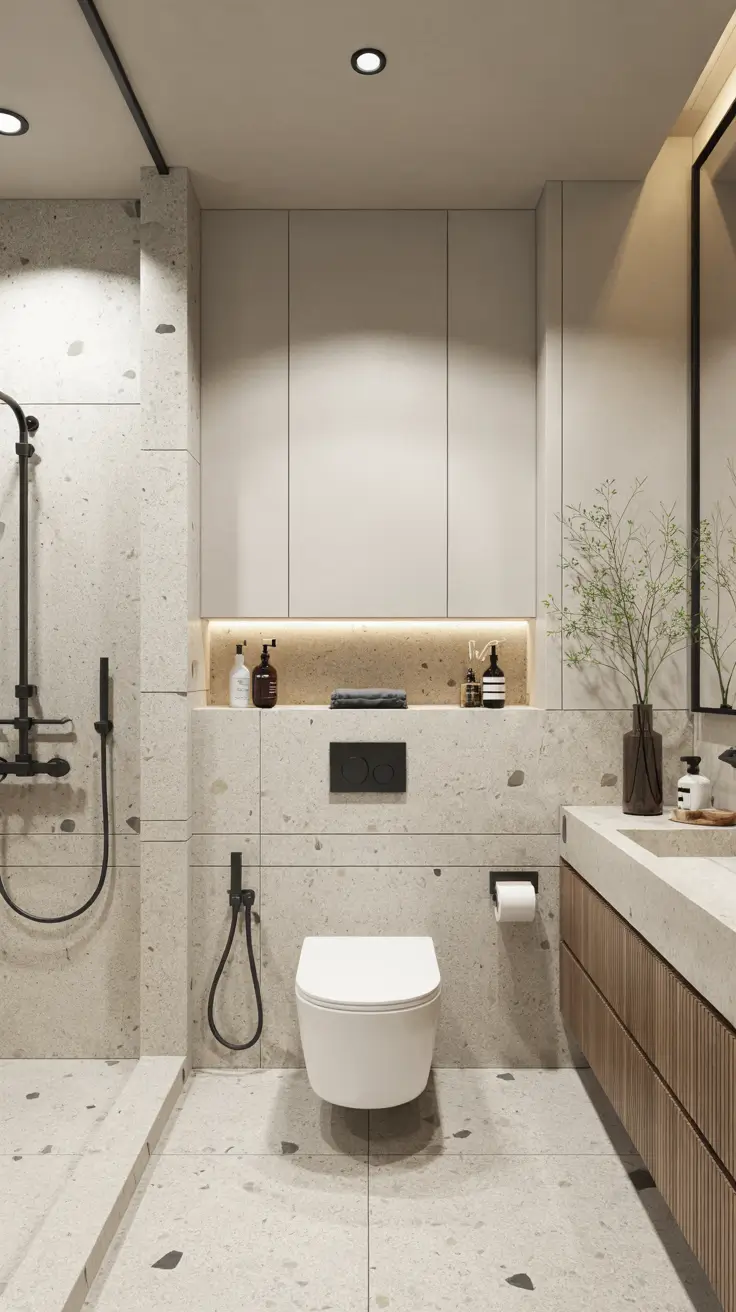
From personal experience, material restraint leads to better results. Many US based designers emphasize choosing fewer materials but using them consistently, and I follow that advice closely. A limited palette improves visual flow and makes even Small modern or Tiny bathrooms feel intentional rather than busy.
What is often missing is acoustic consideration. I recommend adding sound absorbing surfaces or backing materials to reduce echo, especially in larger or Hotel style bathrooms.
Bathroom Design Decor and Styling Elements
Bathroom design decor in 2026 is more thoughtful and less trend driven. I see decor as a tool to humanize the space while maintaining a clean bathroom design modern foundation. Styling should support the function of the room, not compete with it, especially in Small space or Minimalist layouts.
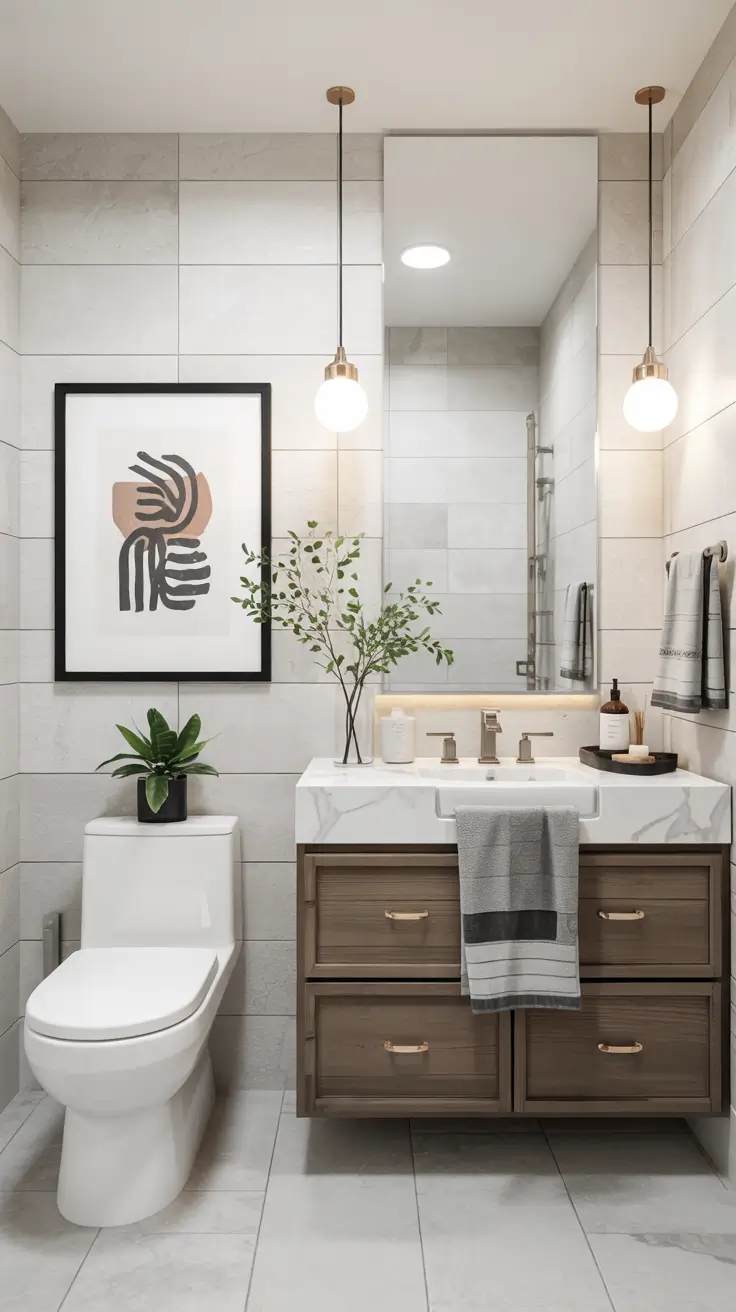
I usually incorporate framed art with moisture resistant glazing, sculptural accessories, soft textiles, and Green plants suited for humidity. Trays, containers, and wall hooks are chosen for both form and function. Even in Luxury bathrooms, decor remains controlled to preserve a sense of calm.
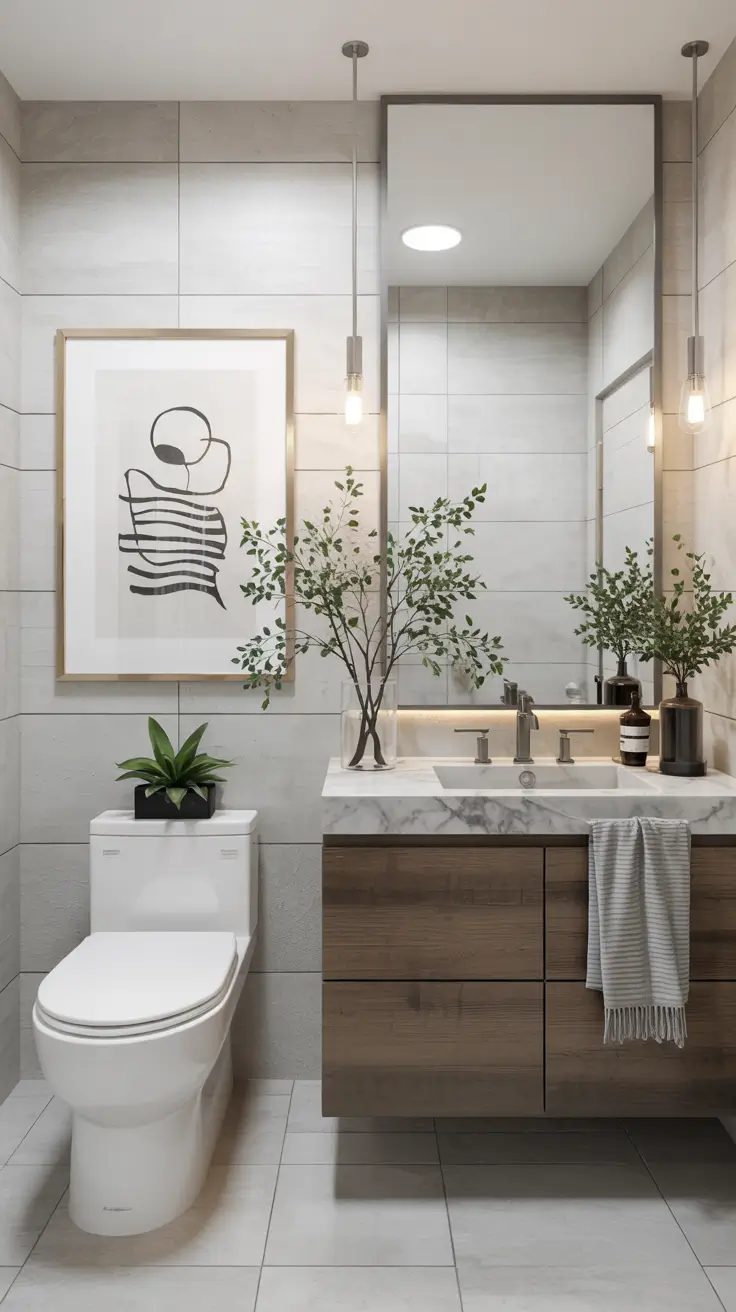
In my experience, well styled bathrooms feel more complete and welcoming. Designers often note that bathrooms benefit from the same decorative attention as living spaces, and I fully agree. A carefully chosen mirror or light fixture can act as decor without adding clutter.
What can improve most bathrooms is personalization. I advise adding one or two meaningful items so the space feels lived in rather than staged.
Bathroom Design Inspiration from Global Trends
Global bathroom design inspiration strongly influences bathroom design 2026. I draw ideas from Japanese, Scandinavian, and Mediterranean approaches, each contributing unique perspectives on wellness, simplicity, and material honesty. These influences help refine Modern bathroom design styles while keeping them grounded.
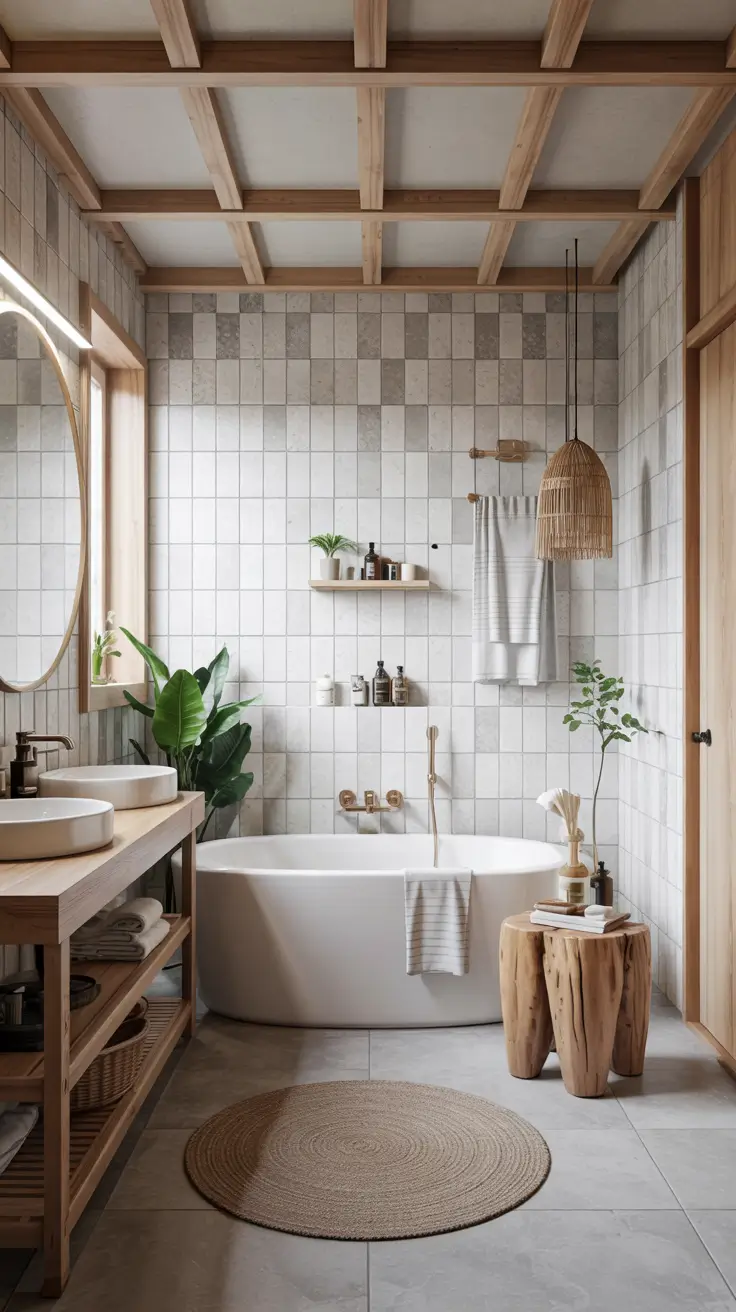
Key elements I adopt include Japanese soaking tubs, Nordic light wood tones, and Mediterranean plaster textures. These ideas translate well across different Layouts, from Small modern apartments to larger Luxury homes. The goal is to adapt global concepts rather than replicate them literally.
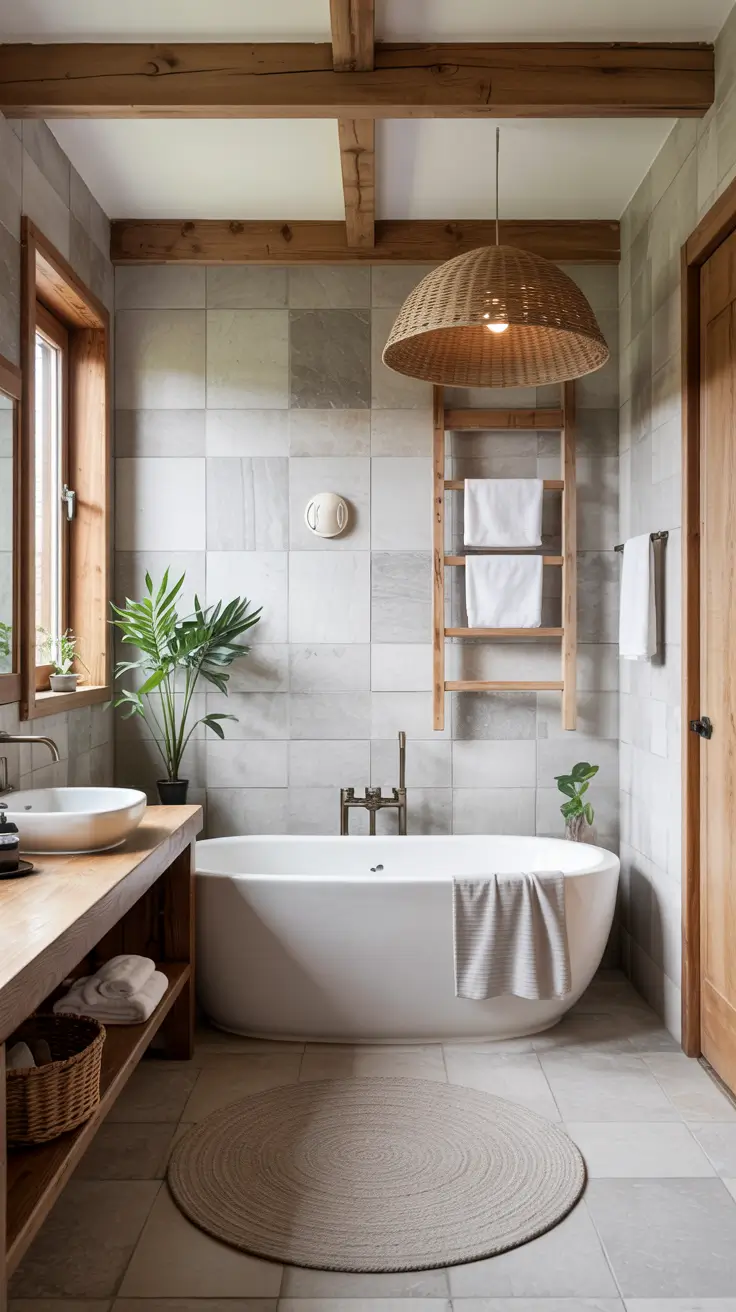
I have found that clients respond positively to these influences because they feel timeless. Many international design publications highlight cross cultural blending as a defining trend, and I see it working effectively in practice.
What is sometimes missing is local adaptation. I always recommend adjusting global ideas to climate, building codes, and daily habits to ensure practicality.
Bathroom Design Ideas for Toilets and Powder Rooms
Toilets and powder rooms play a unique role in bathroom design ideas for 2026. I treat these spaces as opportunities for bold expression within a controlled footprint. Since they are often used briefly, they can support stronger Decor or material choices without overwhelming the user.
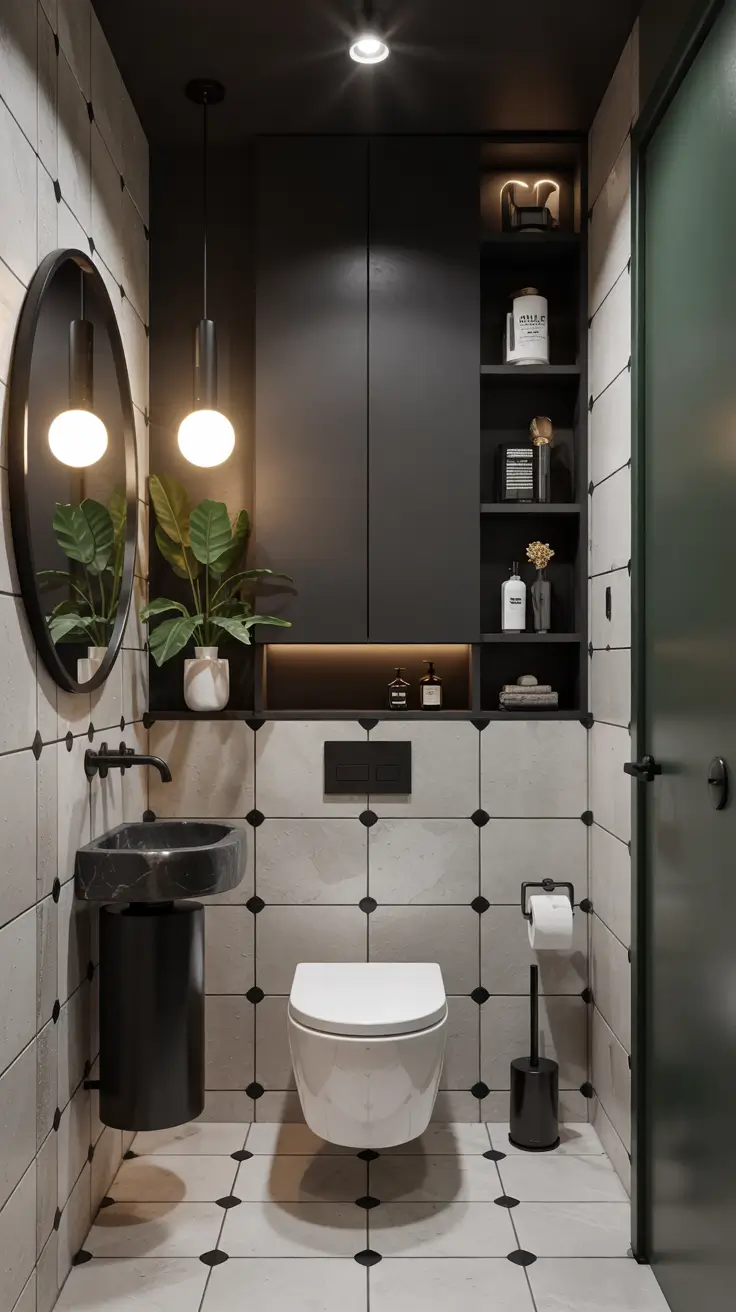
I typically specify wall mounted toilets, compact sinks, and statement lighting. Darker colors, textured wall finishes, or patterned tiles work well here. Storage remains discreet, focusing on essentials to maintain a clean appearance.
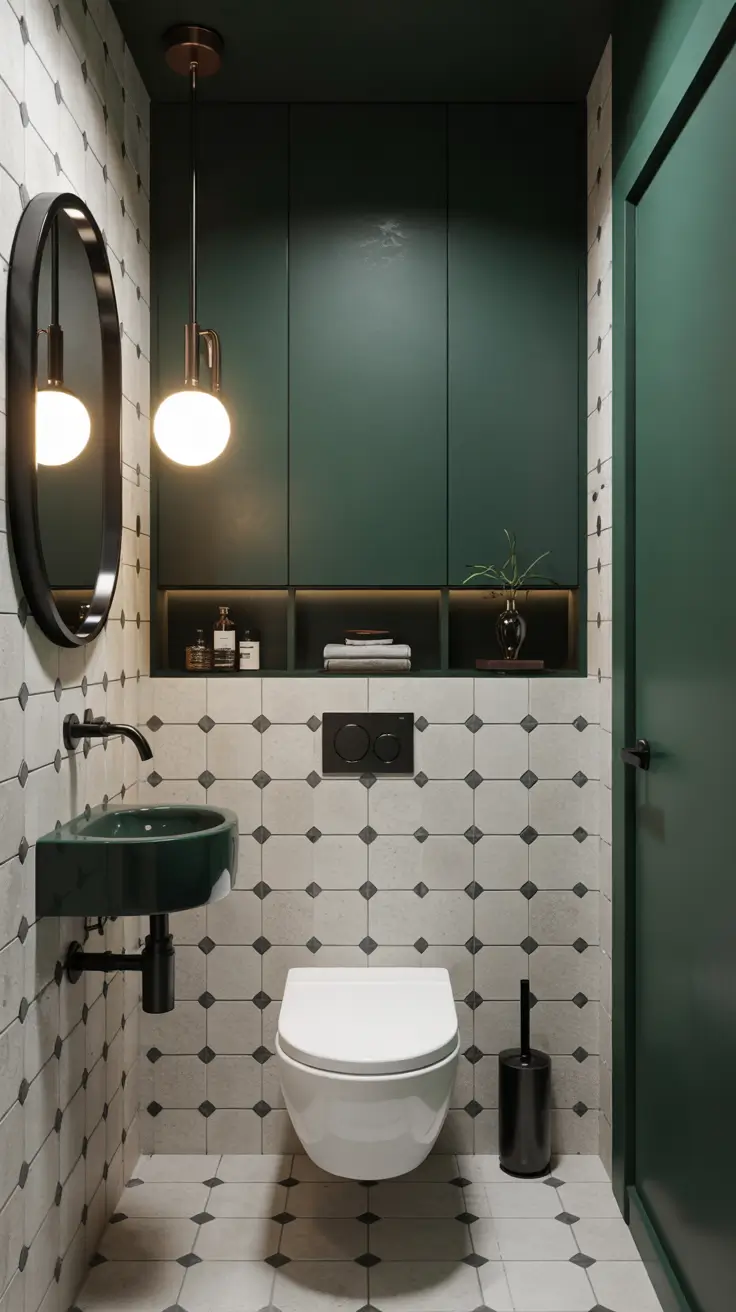
From my professional experience, powder rooms leave lasting impressions on guests. Many designers suggest using these spaces to experiment with Style, and I agree as long as functionality remains intact.
What is often overlooked is ventilation. I always ensure adequate airflow to protect finishes and maintain comfort in these compact rooms.
Public Bathroom Design Trends in 2026
Public bathroom design trends in 2026 emphasize hygiene, inclusivity, and visual clarity. I see these spaces becoming more aligned with Hotel and Commercial luxury standards while remaining highly durable. Clear Layout and intuitive circulation are critical in high traffic environments.
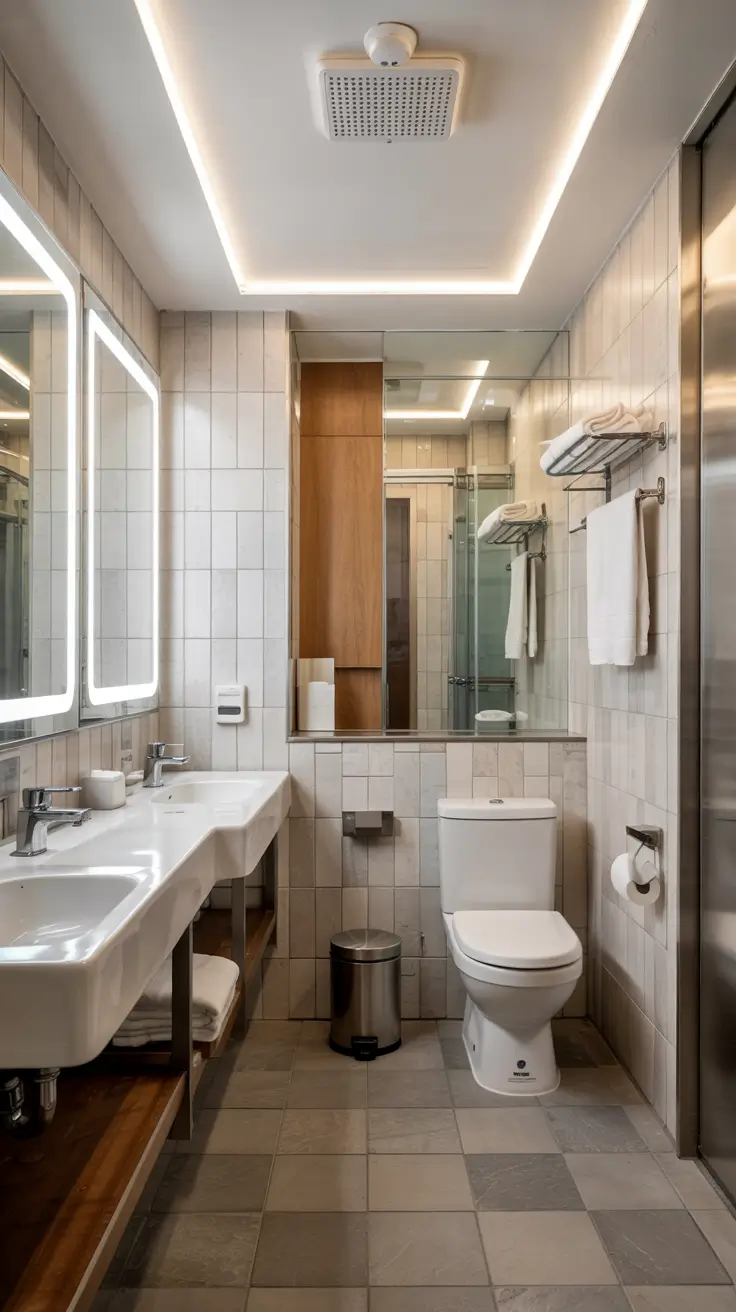
I specify vandal resistant fixtures, touchless faucets, and easy clean surfaces. Materials like porcelain panels, stainless steel accents, and solid surface counters perform well under heavy use. Lighting is bright but glare free, supporting safety and comfort.
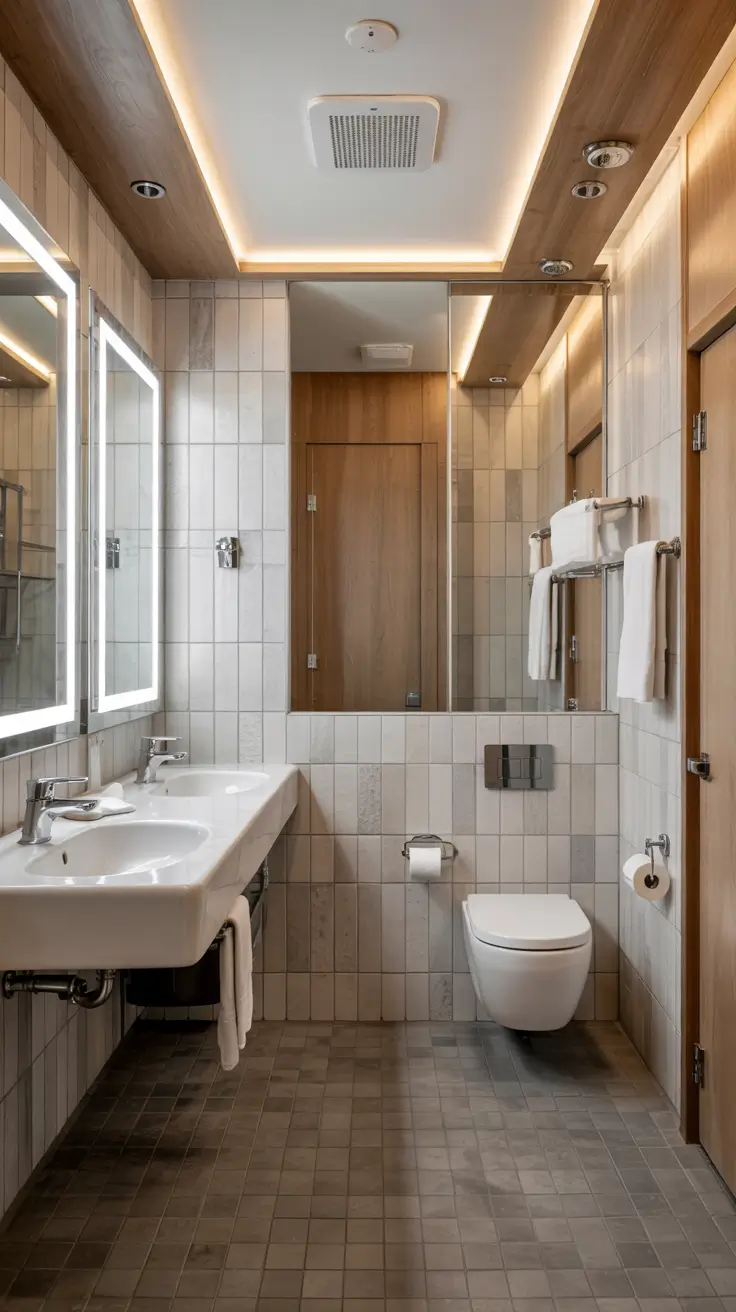
In my opinion, well designed Public bathrooms improve brand perception. US based facility designers often highlight that cleanliness perception matters as much as actual maintenance, and design plays a major role in that perception.
What can be improved is warmth. I recommend adding subtle color, artwork, or texture to reduce the institutional feel common in Public spaces.
Sauna Integrated Bathroom Design Concepts
Sauna integrated bathroom design is gaining momentum in 2026 as wellness becomes central to home design. I view the sauna as an extension of the bathroom rather than a separate amenity. Proper zoning and moisture control are essential to create a cohesive and safe Layout.
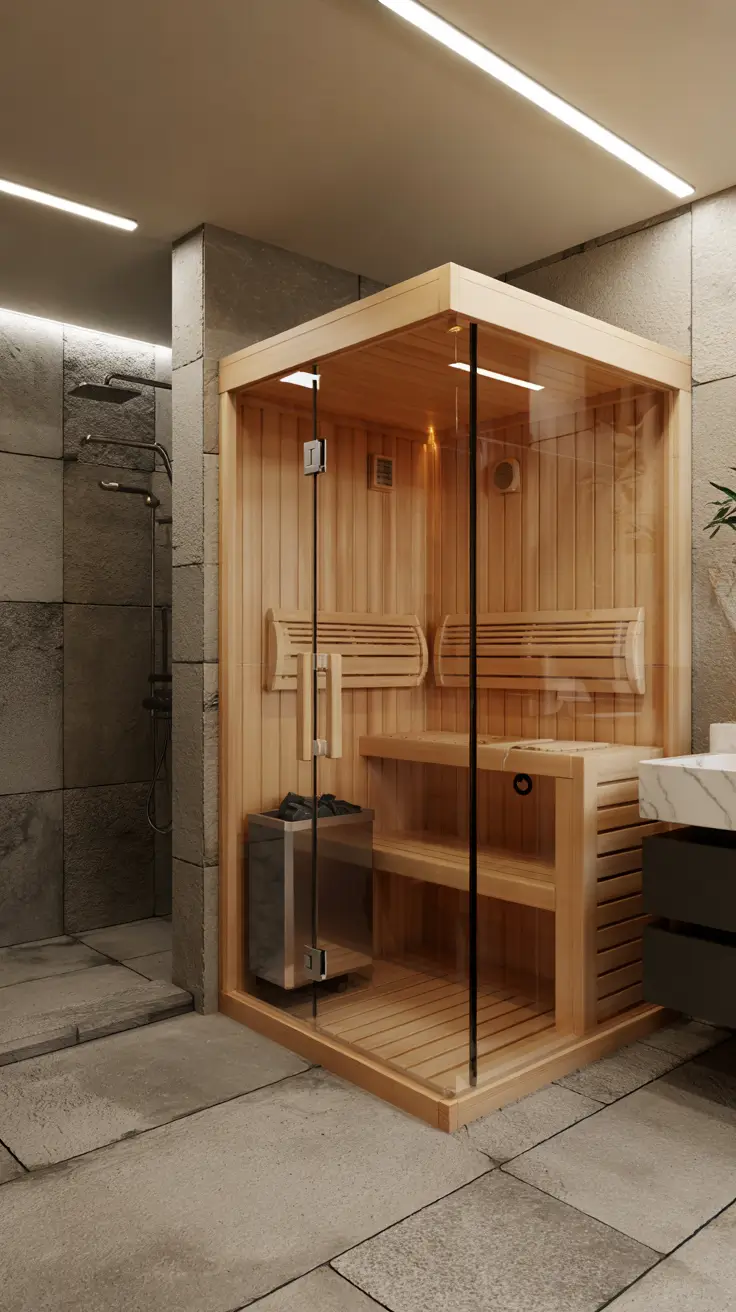
I often design glass enclosed saunas adjacent to showers, using heat treated wood and stone floors. Benches, lighting, and ventilation are carefully planned to support comfort and longevity. The surrounding bathroom design interior remains calm and uncluttered to reinforce relaxation.
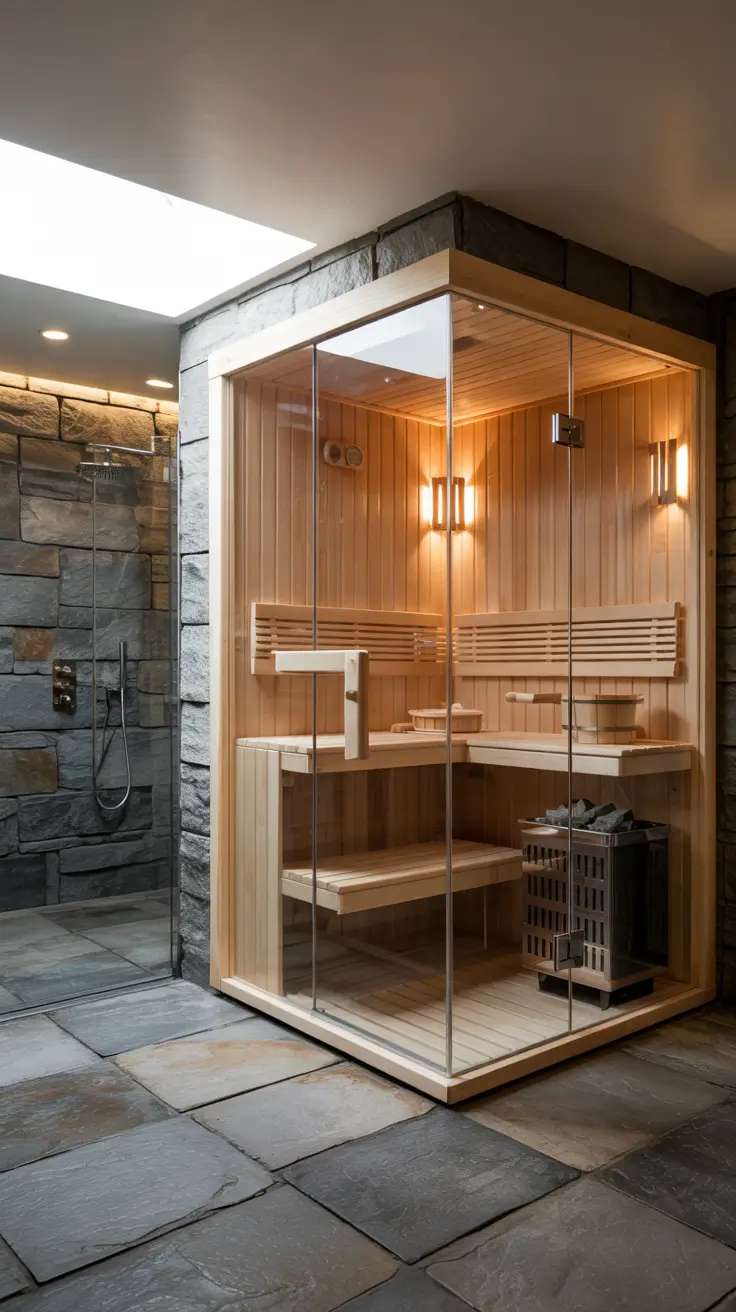
From my experience, integrated saunas increase daily use compared to standalone installations. Wellness focused designers frequently emphasize accessibility and ease of use, and I see higher satisfaction when saunas are seamlessly connected to bathing routines.
What is sometimes missing is cooling space. I advise adding a small relaxation bench or shower zone to complete the sauna experience.
Luxury Bathroom Design with Spa Atmosphere
Luxury bathroom design in 2026 is defined by spa atmosphere rather than excess. I focus on sensory comfort, privacy, and material quality to create spaces that feel restorative. Layout supports slow rituals, with generous circulation and visual balance.
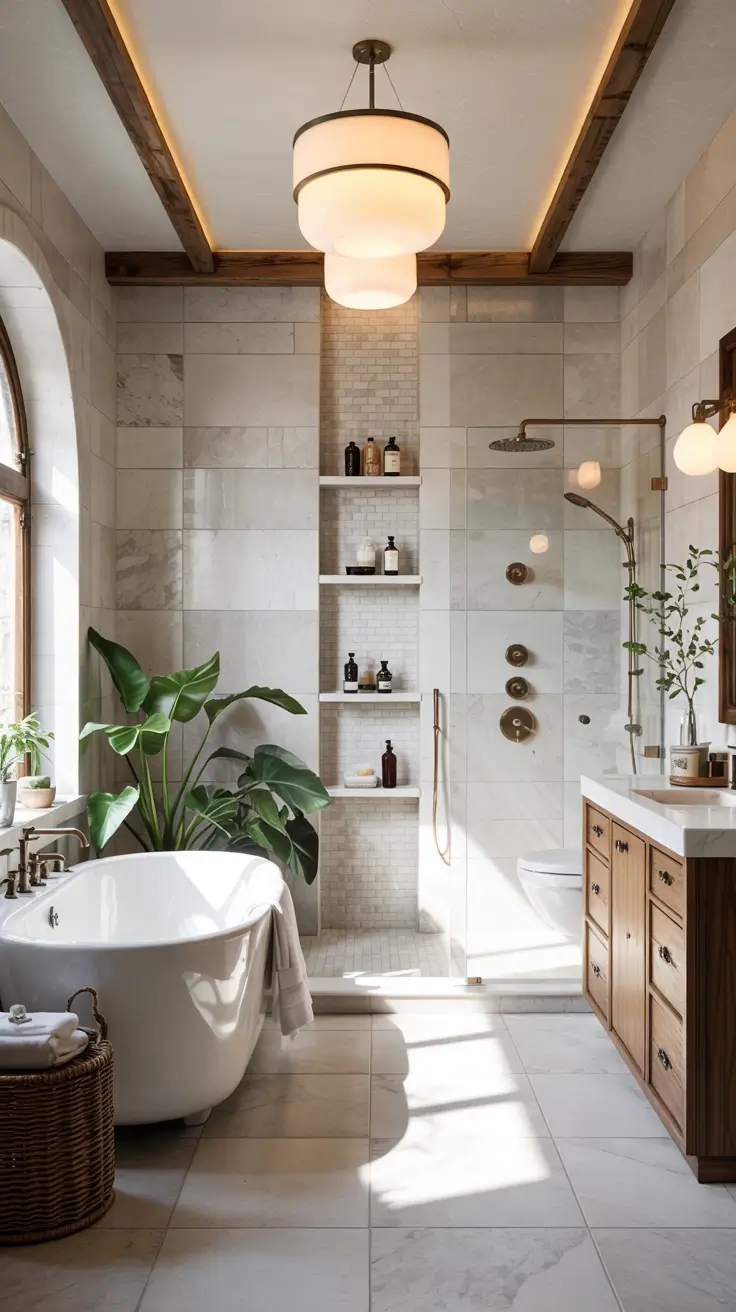
Key elements include freestanding tubs, walk in showers with multiple water functions, natural stone surfaces, and soft indirect lighting. Furniture is minimal but refined, often custom designed to fit the space perfectly. Green elements enhance the spa like mood.
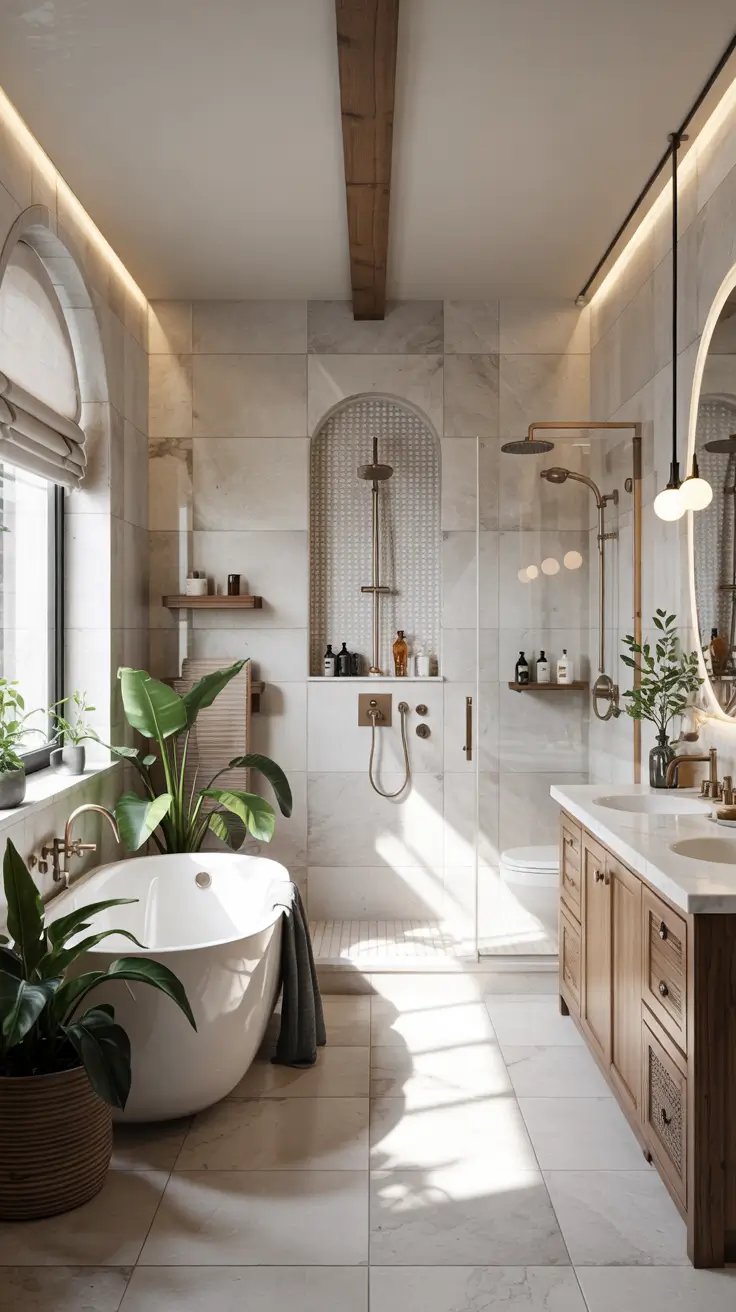
I believe true Luxury is quiet and intentional. Many US interior design experts stress wellness driven Luxury, and my work aligns with that philosophy. When a bathroom supports relaxation, it becomes a daily retreat.
What can elevate these spaces further is scent and sound. I recommend integrated aromatherapy or discreet audio systems to complete the spa experience.
Bathroom Design Ideas Influenced by 2025 Trends
I see bathroom design 2026 as a thoughtful continuation of bathroom design 2025, where Modern aesthetics meet proven functionality. The focus is on adaptable Layout solutions that work for Small space, Tiny, and Public bathrooms alike. Materials such as Terrazzo, Green stone, and warm woods return, but they are used more intentionally, creating bathroom design interior spaces that feel Timeless rather than trendy.
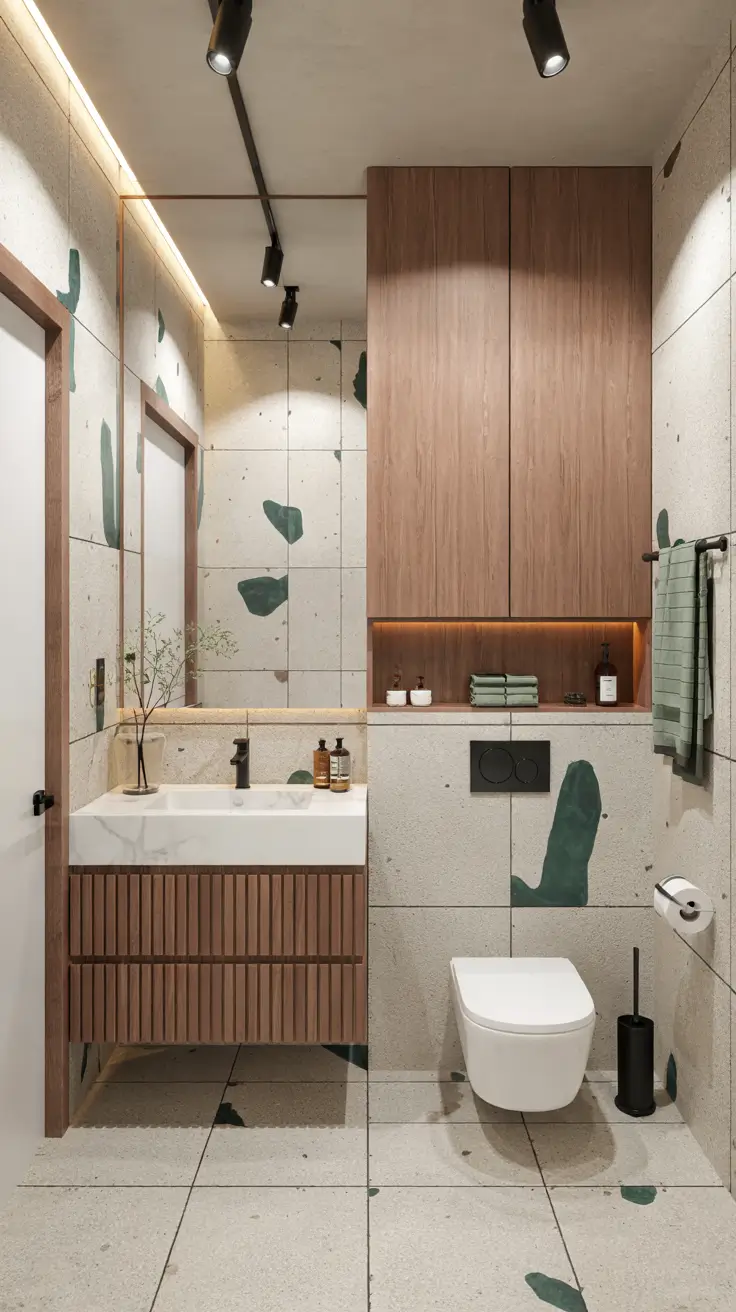
From my perspective, furniture choices define this direction. Floating vanities, wall mounted Toilet and storage systems, and integrated shelving improve circulation and visual clarity. I include mid height cabinets inspired by Midcentury and Classic proportions because they balance storage with openness. These elements support both Small modern bathrooms and Hotel scale interiors without feeling overdesigned.
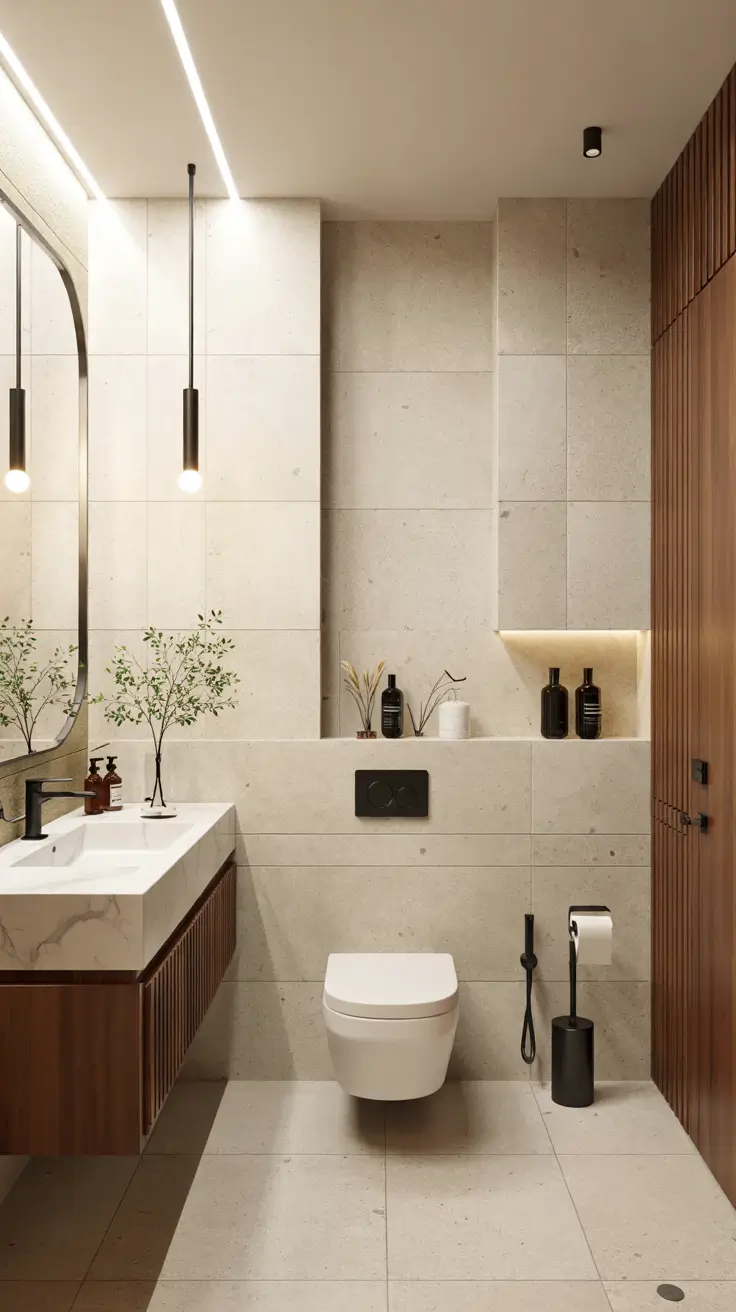
In my experience, designers like Kelly Wearstler often stress restraint when reinterpreting trends, and I agree with that philosophy here. I recommend selecting one dominant influence, such as Japandi or Minimalist, and layering it with subtle Decor accents. This approach keeps bathroom design inspiration relevant for years, not just a season.
What I would add to this section is more attention to lighting temperature. In 2026, adjustable warm to neutral lighting should be considered essential to fully support these evolved bathroom design ideas.
Bathroom Design Modern Technology and Smart Features
Bathroom design modern thinking in 2026 embraces technology that improves comfort without visual clutter. I focus on concealed systems, smart mirrors, and voice controlled features that quietly enhance daily routines. These innovations are especially effective in Small space and Public environments where efficiency matters.
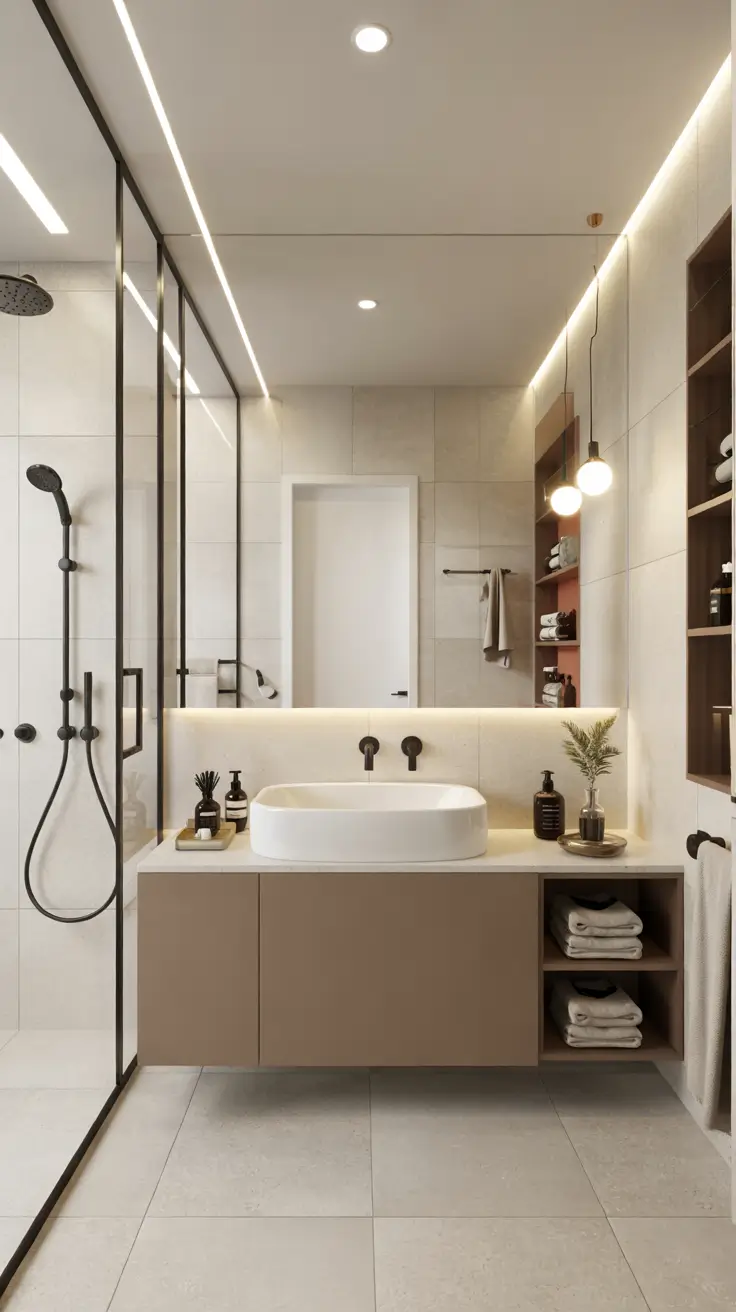
I always include smart mirrors with integrated lighting, anti fog systems, and subtle data displays. Touchless faucets, intelligent Toilet and bidet combinations, and heated floors are no longer Luxury add ons but practical standards. When chosen carefully, these items disappear into the bathroom design interior instead of dominating it.
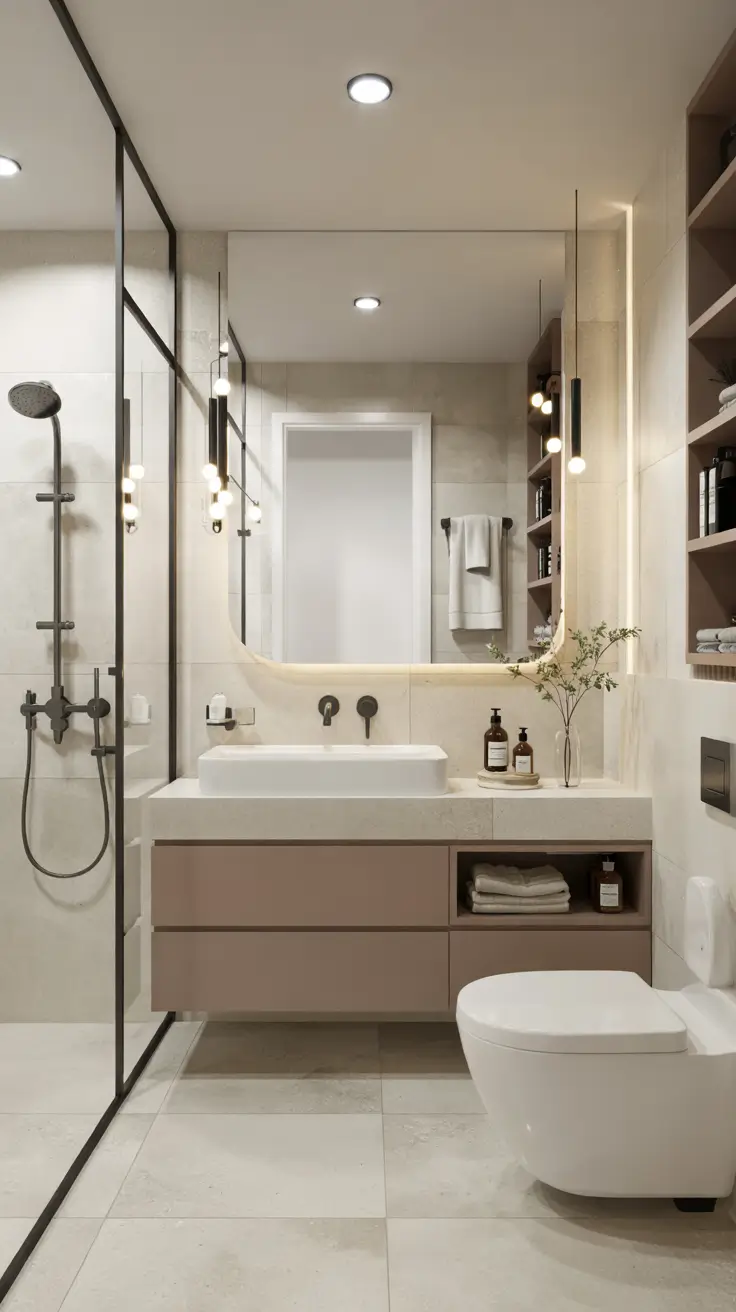
From my professional point of view, many US based interior publications highlight that technology should serve wellness, not distract from it. I follow this rule by prioritizing reliability and simplicity over novelty. A well designed smart bathroom feels calm, not technical.
What is often missing here is proper planning for upgrades. I recommend adding accessible service panels and modular wiring so future updates do not disrupt the entire Layout.
Bathroom Design for Relaxation and Wellness
In 2026, bathroom designs increasingly resemble personal spas. I design these spaces with wellness as the main function, using Japanese and Sauna inspired concepts that promote calm. Natural textures, soft acoustics, and generous circulation define this bathroom design style.
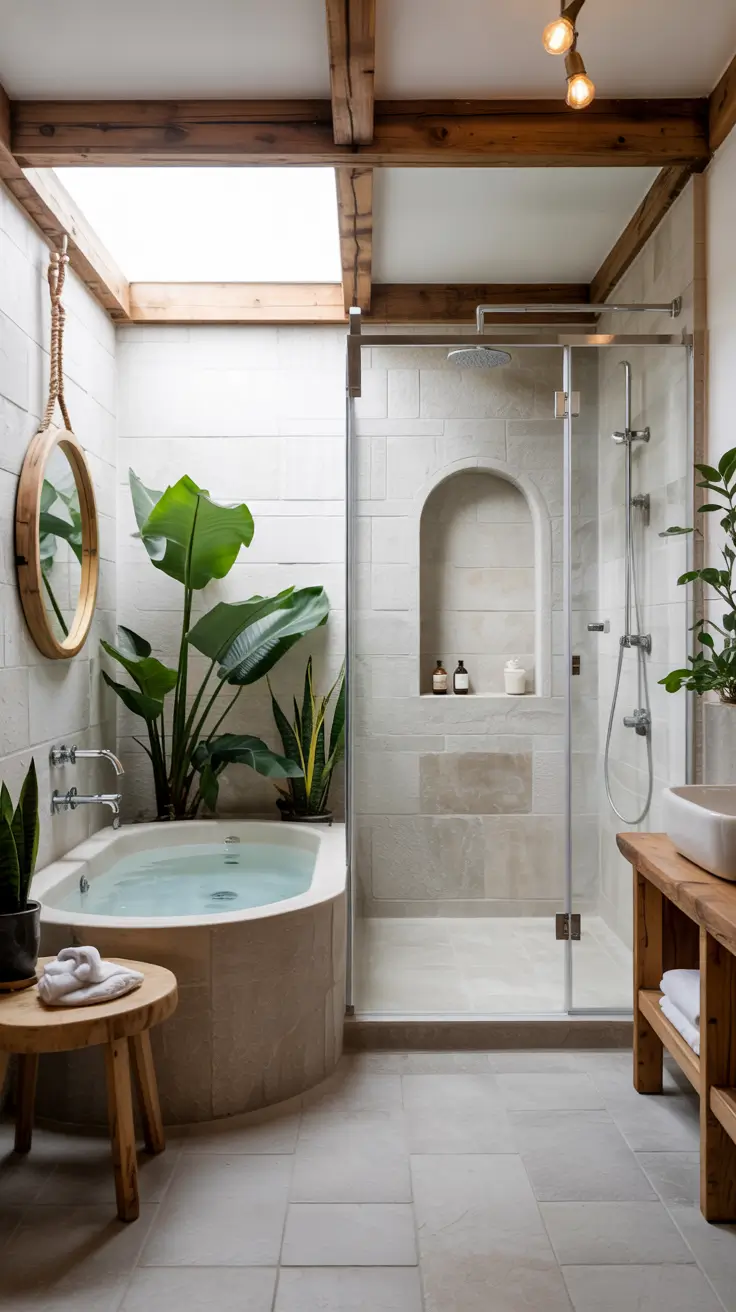
Key elements include freestanding soaking tubs, walk in showers with steam functions, and built in benches. I prefer stone basins, wood accents, and Minimalist fixtures because they reduce visual noise. Adding plants and Green tones strengthens the connection to nature and supports relaxation.
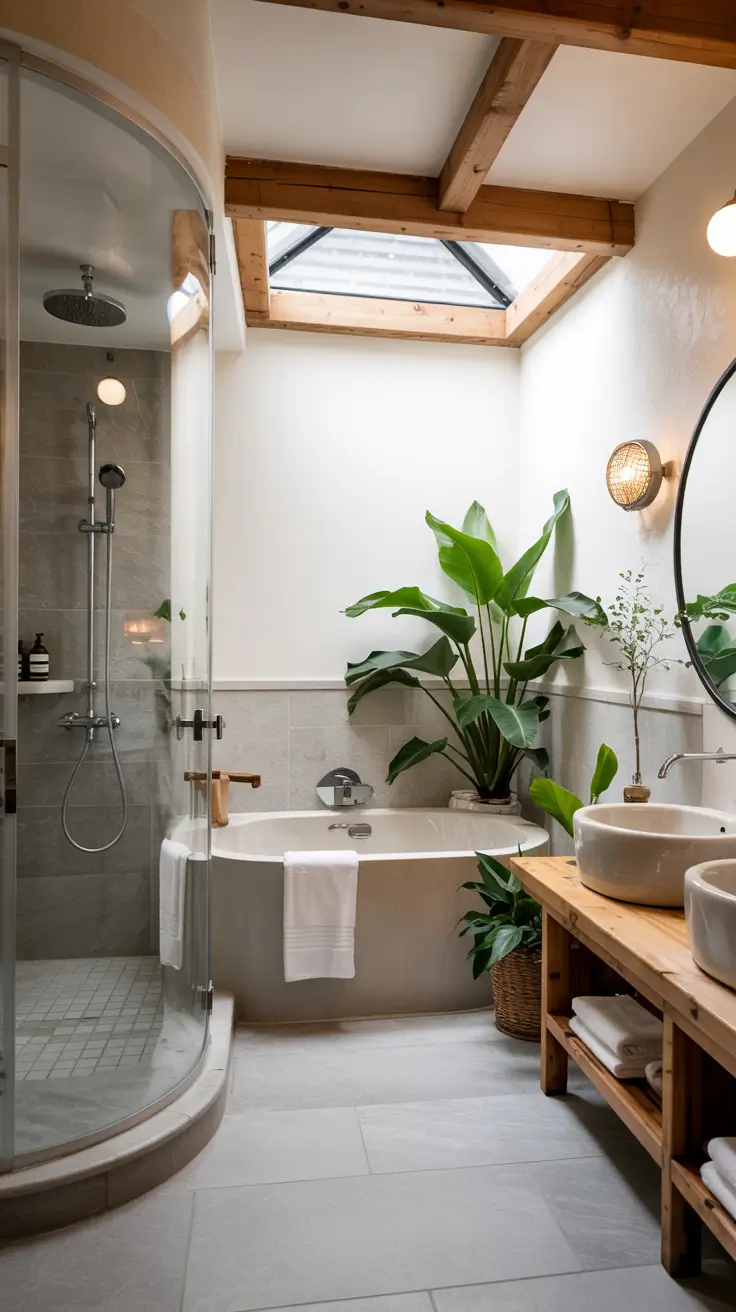
I have personally seen how Japandi principles transform everyday bathrooms into restorative zones. Designers often reference Japanese bathing culture for its focus on ritual, and I apply that idea by separating wet and dry areas whenever possible.
What I would add is scent design. Built in aromatherapy or ventilation systems designed for essential oils can elevate the wellness experience without adding visible Decor.
Bathroom Design 2026 as a Complete Lifestyle Experience
Bathroom design 2026 is no longer isolated from the rest of the home. I approach it as a lifestyle space that reflects personal habits, values, and routines. Whether it is a Coastal retreat or an Urban Hotel inspired suite, the bathroom becomes a daily destination.
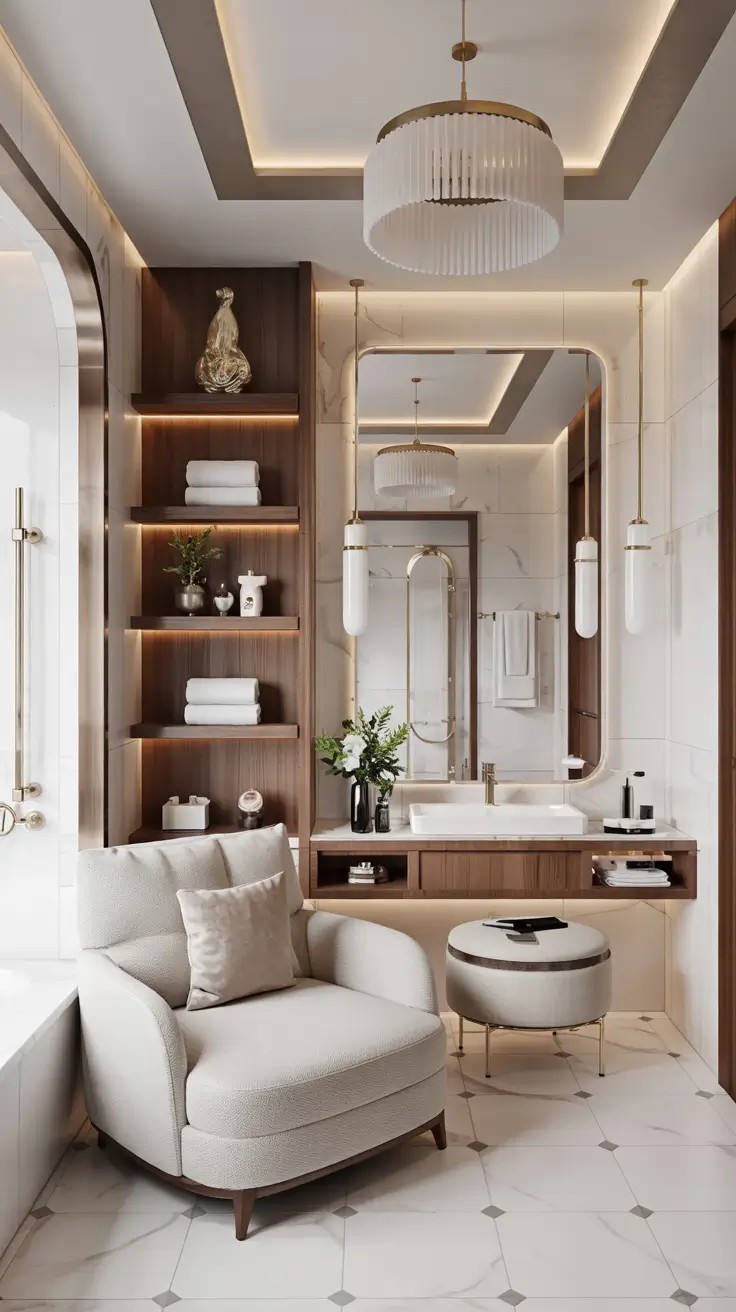
Furniture plays a strong role here. Lounge style seating, makeup stations, and open shelving turn the bathroom into a multifunctional area. I often integrate materials used elsewhere in the home to create visual continuity and a cohesive design interior narrative.
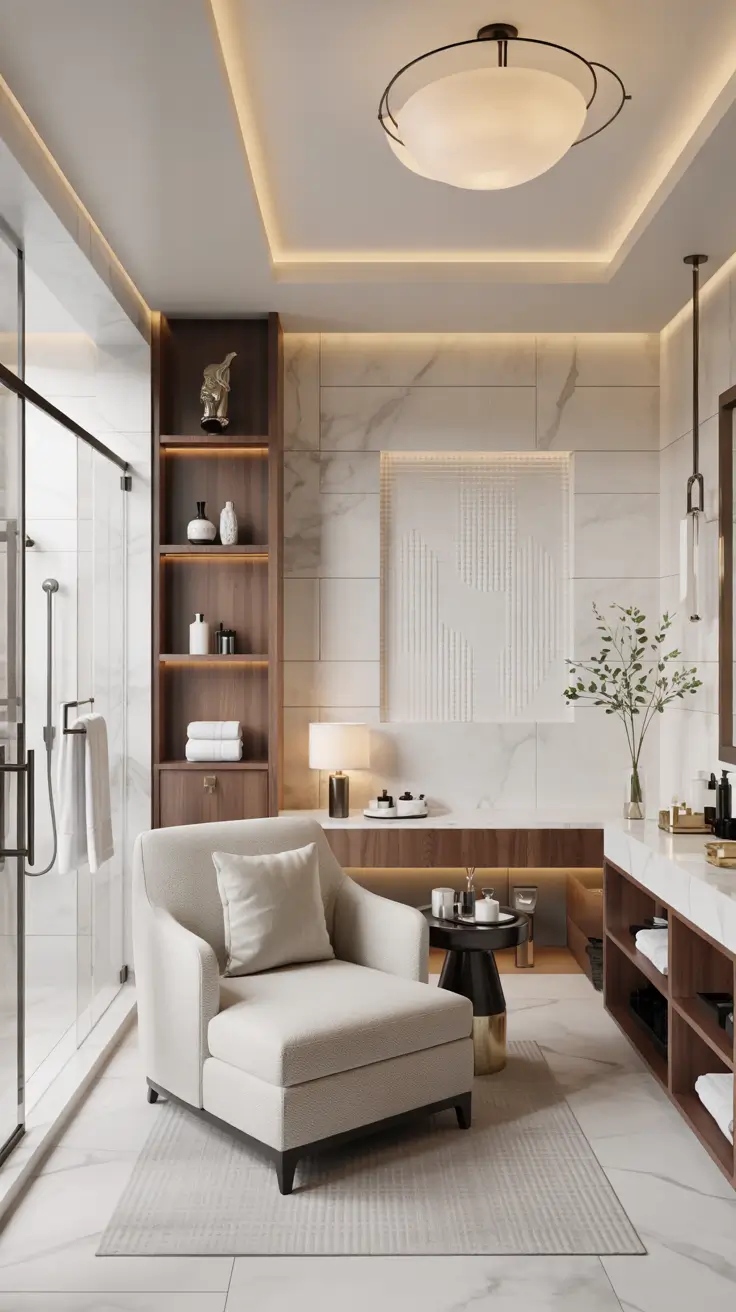
From my experience, lifestyle driven design increases long term satisfaction. Many US interior experts note that personalization is the future of Luxury spaces, and bathrooms are central to that shift. I agree and always encourage clients to define how they want to feel in the space.
What is sometimes missing is sound control. Adding acoustic panels or sound masking systems helps maintain privacy and comfort, especially in shared or Public settings