Are clover lawns the future of sustainable landscaping, and why are so many homeowners replacing traditional grass with this eco friendly option? In 2026, clover lawn ideas are transforming both front yards and backyard spaces with soft textures, low maintenance care, and a naturally lush aesthetic. From micro clover lawns to white dutch clover blends, this guide explores how to grow, design, and style a clover lawn that is both practical and visually appealing.
Clover Lawn Ideas 2026 – Modern Eco Friendly Ground Cover Trends
I see clover lawns becoming one of the most practical and forward thinking landscaping solutions in 2026, especially for homeowners who want a low maintenance yet visually appealing ground cover. Unlike traditional grass, clover lawns require less water, fewer chemicals, and naturally improve soil health. When I design outdoor spaces with clover, I focus on achieving a soft, dense green surface that feels inviting while also supporting biodiversity.
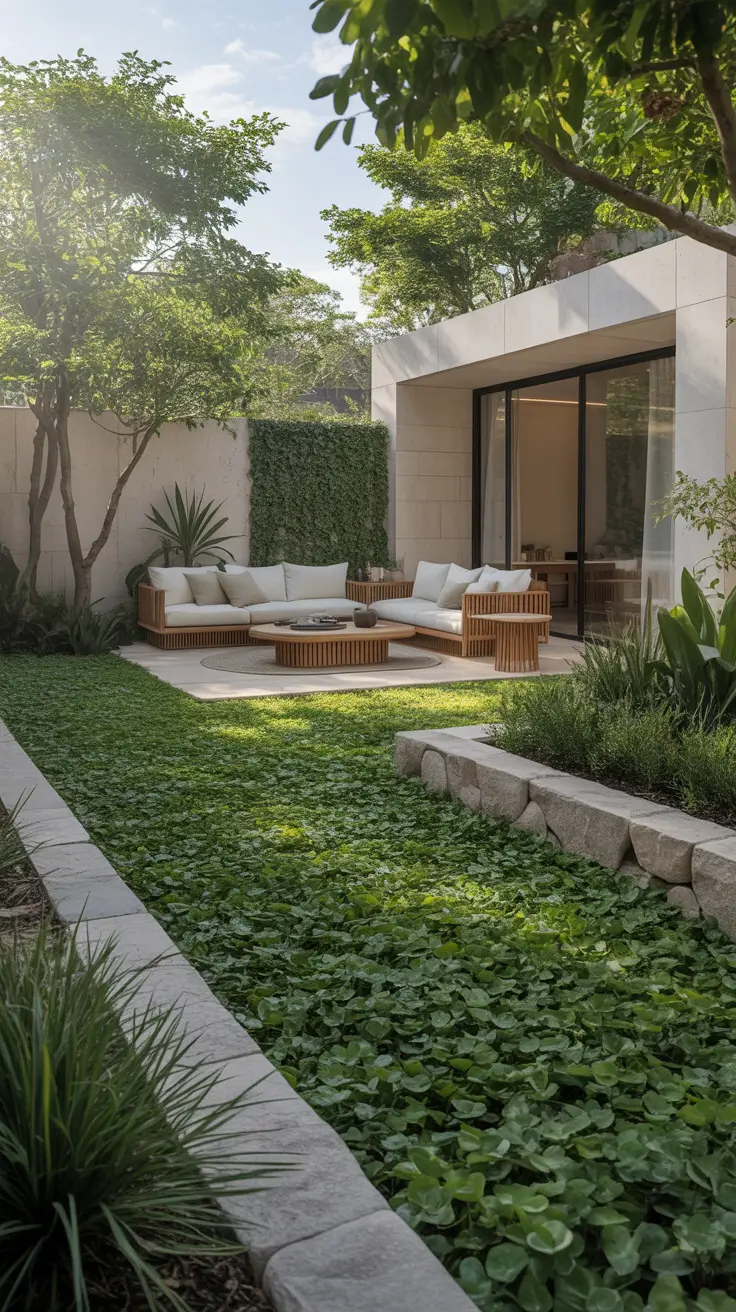
In terms of layout, I often combine clover lawn garden zones with natural stone borders, light gravel pathways, and simple outdoor seating areas made of wood or rattan. These elements help structure the space while allowing the clover to remain the focal point. I prefer neutral tones like beige stone, warm wood decking, and minimal metal accents to complement the organic texture of the clover lawn aesthetic.
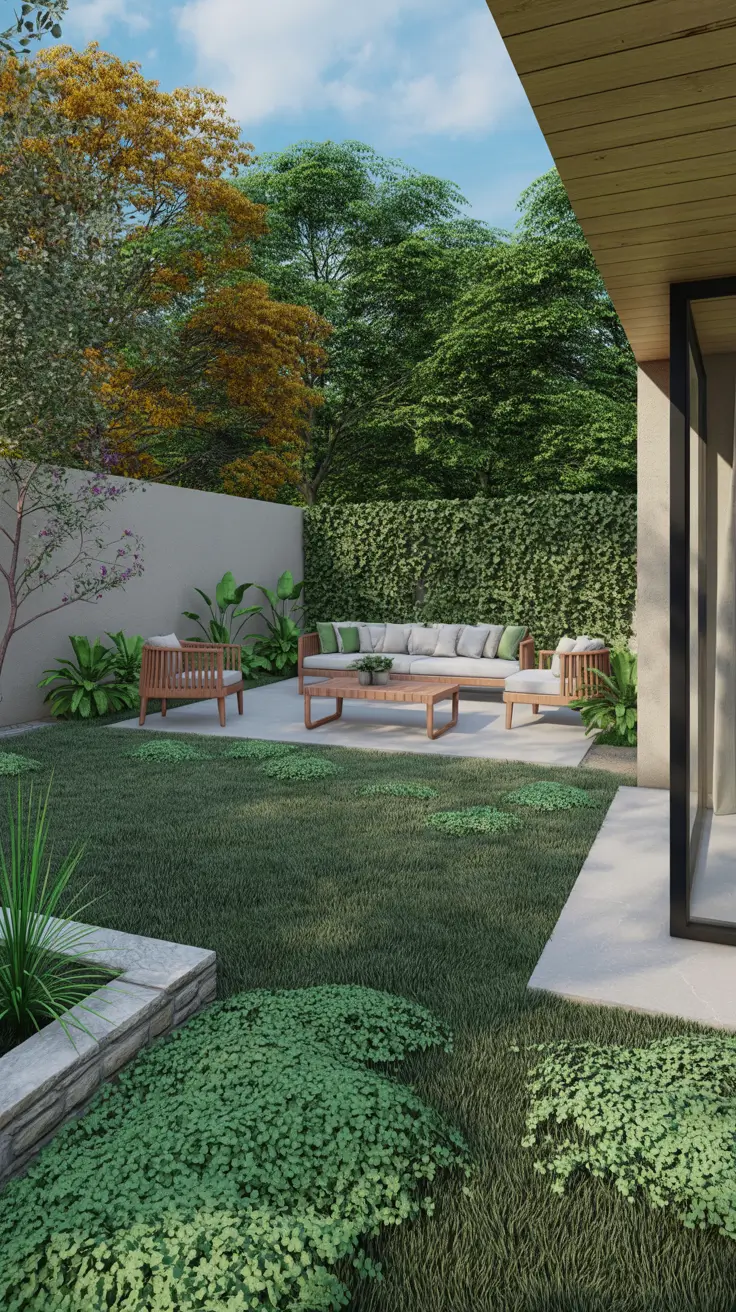
From my experience, many designers including those featured in Better Homes and Gardens emphasize sustainable landscaping trends, and clover lawns fit perfectly into this movement. I personally recommend starting with a mixed grass and clover base for beginners, as it creates a more resilient lawn while transitioning away from traditional turf.
I would also include information about seasonal performance and how clover lawns behave in different climates, as this helps homeowners better understand long term maintenance and expectations.
Clover Lawns 2026 – Why This Low Maintenance Lawn Alternative Is Trending
I often explain to clients that the popularity of clover lawns in 2026 is not just about aesthetics, but about functionality and sustainability. Clover lawns naturally resist weeds, stay green longer during dry periods, and require minimal mowing. This makes them an excellent alternative for busy homeowners or those looking to reduce water usage.
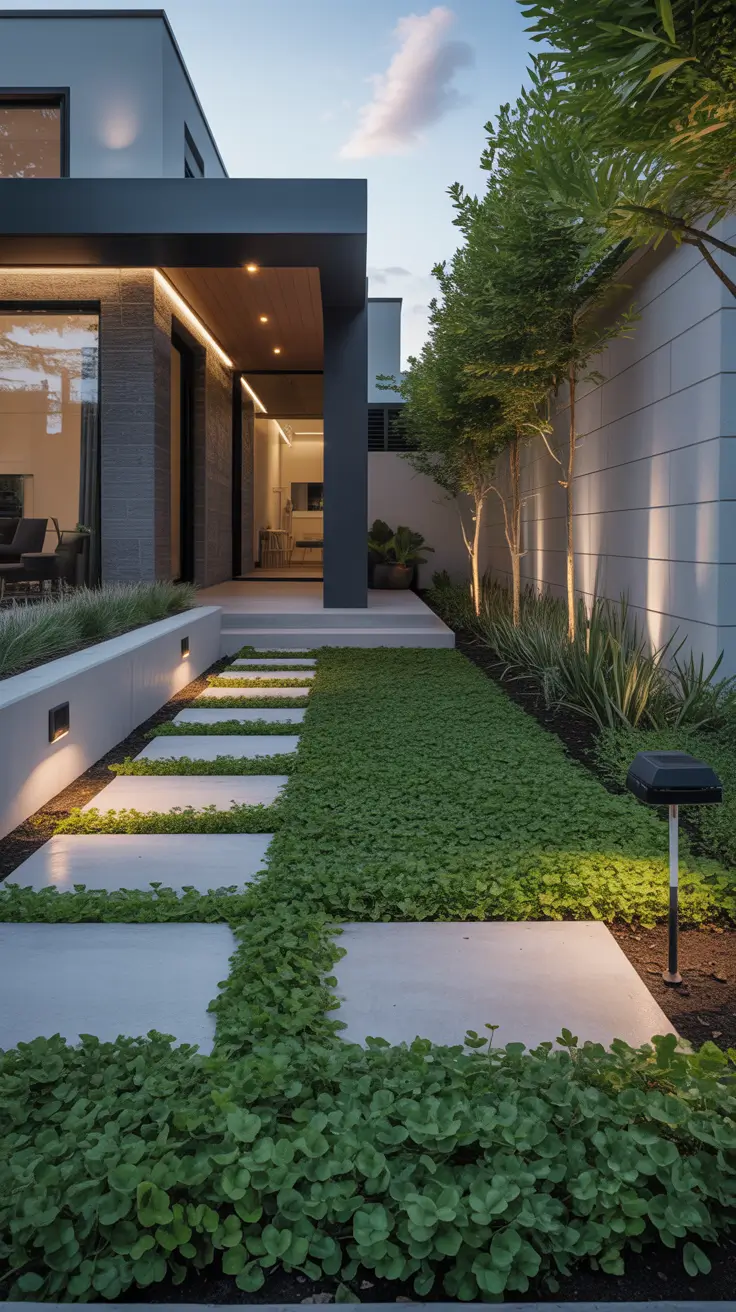
When designing a clover lawn front yard, I usually pair it with clean edging, modern pathways, and subtle lighting to create a polished yet relaxed appearance. Low profile solar lights, concrete pavers, and minimalist planters enhance the overall design without overpowering the softness of the clover.
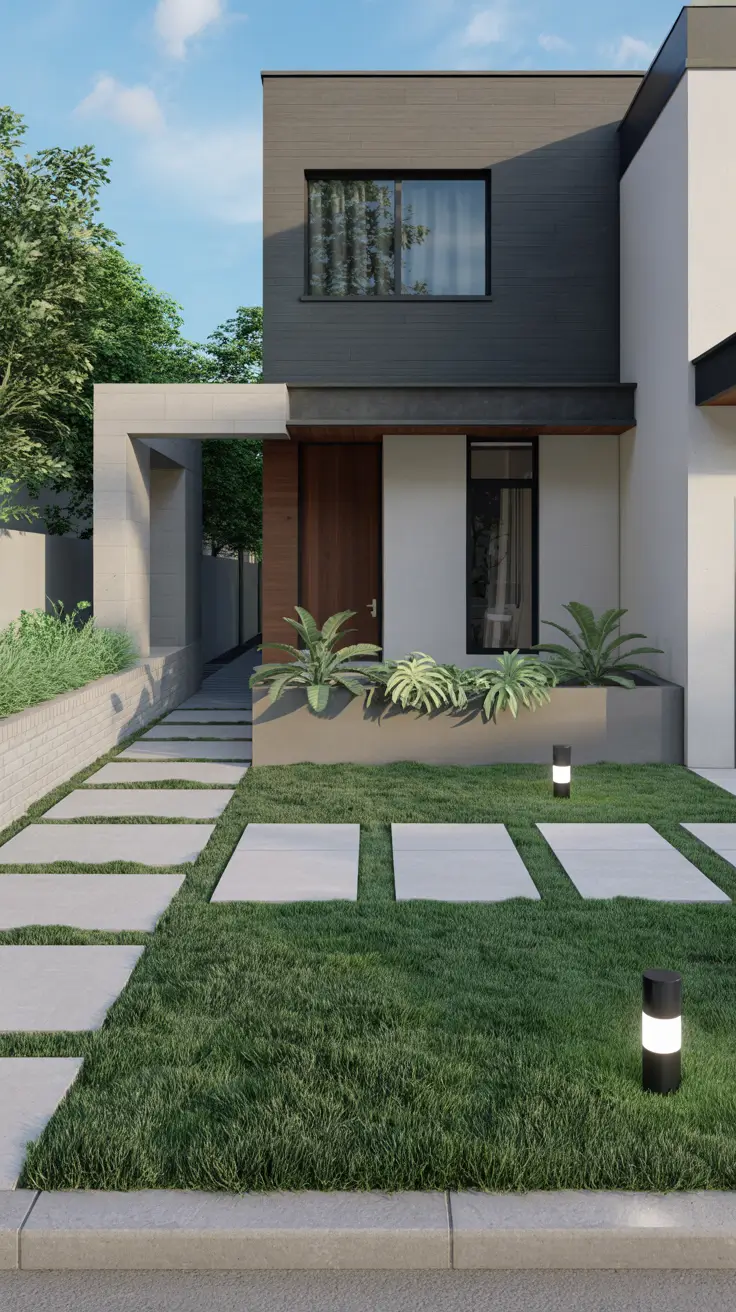
Personally, I find that homeowners are increasingly drawn to the idea of a living landscape that requires less intervention. Publications like Dwell often highlight the shift toward eco conscious outdoor design, and clover lawns align perfectly with that philosophy.
I would expand this section by adding comparisons between clover and traditional grass lawns, including cost, maintenance, and environmental impact.
Best Clover Lawn Ideas for Front Yards in 2026
When I design clover lawn front yards, I focus on creating a welcoming and structured entrance while maintaining a natural look. Clover works beautifully in front yard spaces because it stays lush and uniform, even with minimal care. I often incorporate curved pathways and soft borders to enhance the flow of the landscape.
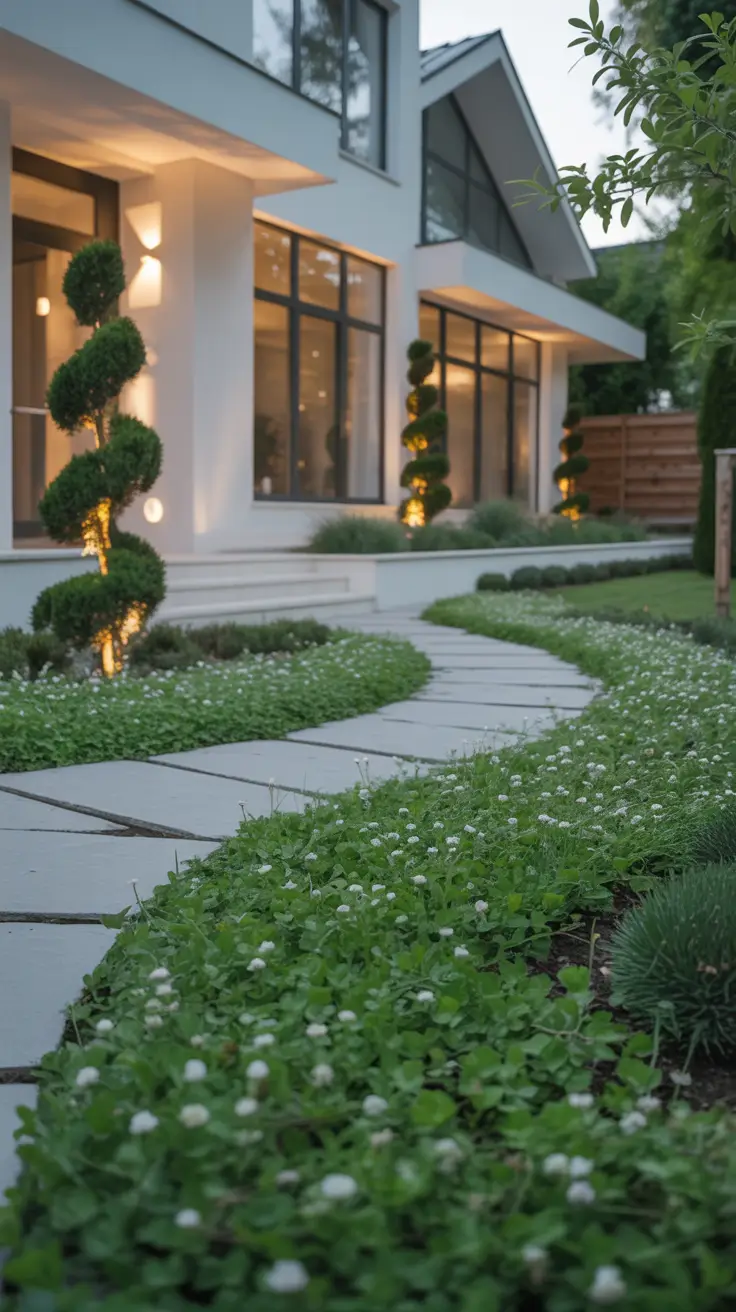
Key design elements include stone walkways, symmetrical planting beds, and small decorative trees that frame the entrance. I like to add subtle elevation changes or layered planting to give depth, while the clover provides a consistent green base. White clover lawn varieties are especially effective for brightening front yard spaces.
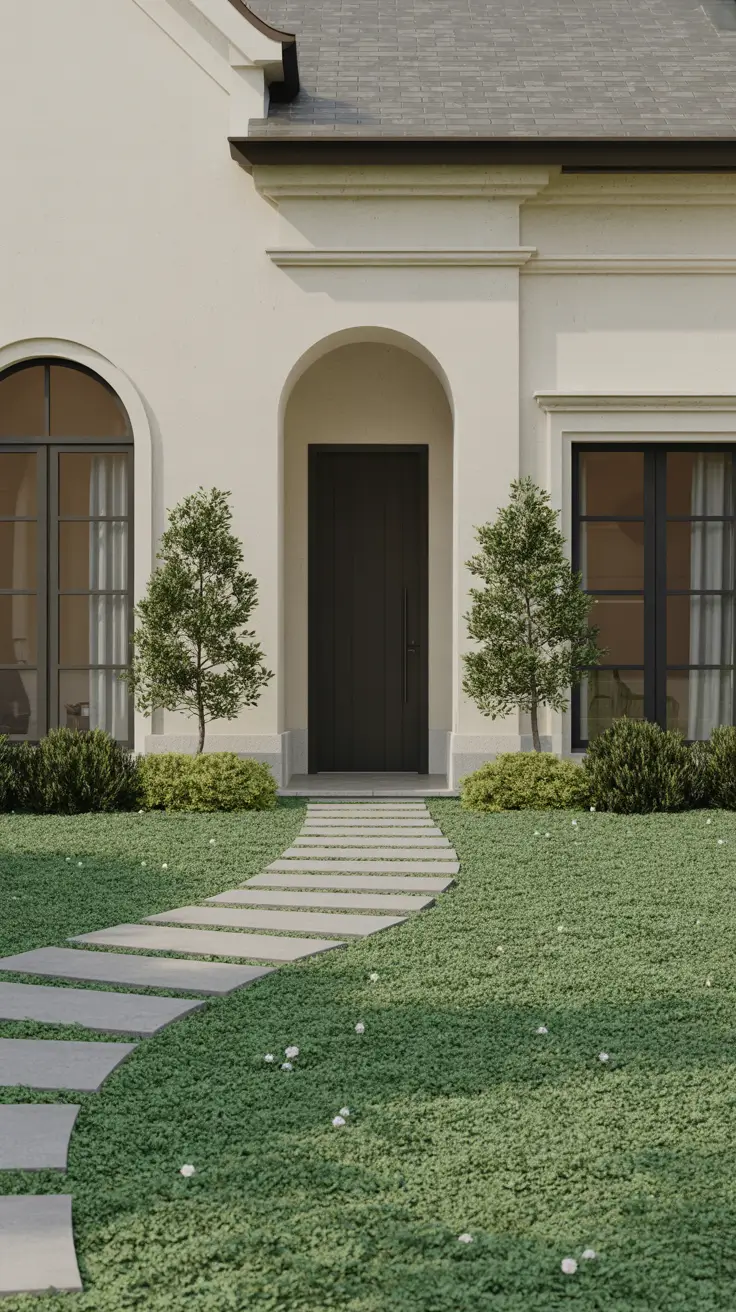
From my perspective, a well designed front yard with clover can significantly improve curb appeal without increasing maintenance. I recommend keeping the layout simple and balanced, allowing the clover lawn aesthetic to stand out naturally.
I would include more guidance on choosing the right clover variety for different front yard conditions, such as sun exposure and soil type.
Clover Lawn Backyard Ideas for a Soft and Natural Outdoor Space
In backyard spaces, I use clover lawns to create a soft, barefoot friendly surface that feels more relaxed than traditional grass. Clover lawn backyard designs are perfect for lounging, entertaining, or creating a natural retreat. I often design these spaces with a focus on comfort and flow.
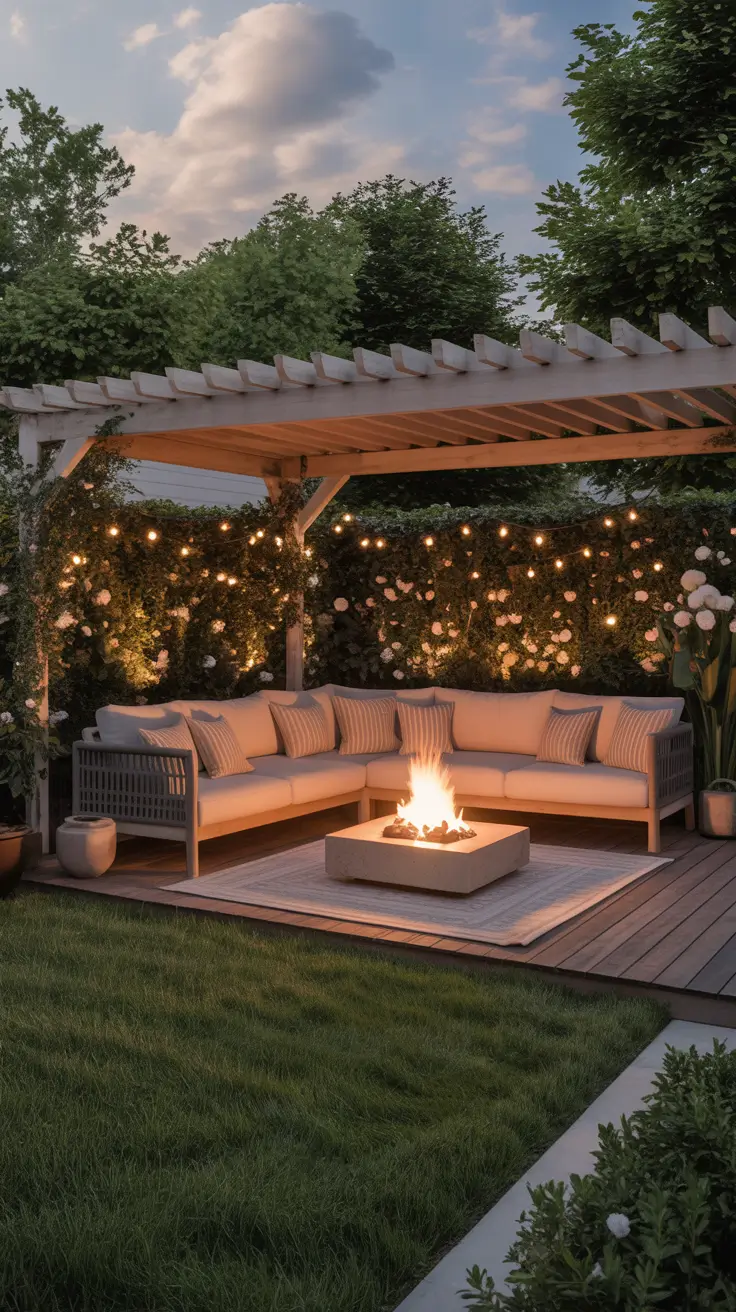
I typically include features like outdoor sofas, pergolas, fire pits, and wooden decks that integrate seamlessly with the clover. The contrast between structured furniture and the organic texture of clover creates a balanced and inviting environment. Adding layered rugs and neutral cushions enhances the cozy atmosphere.
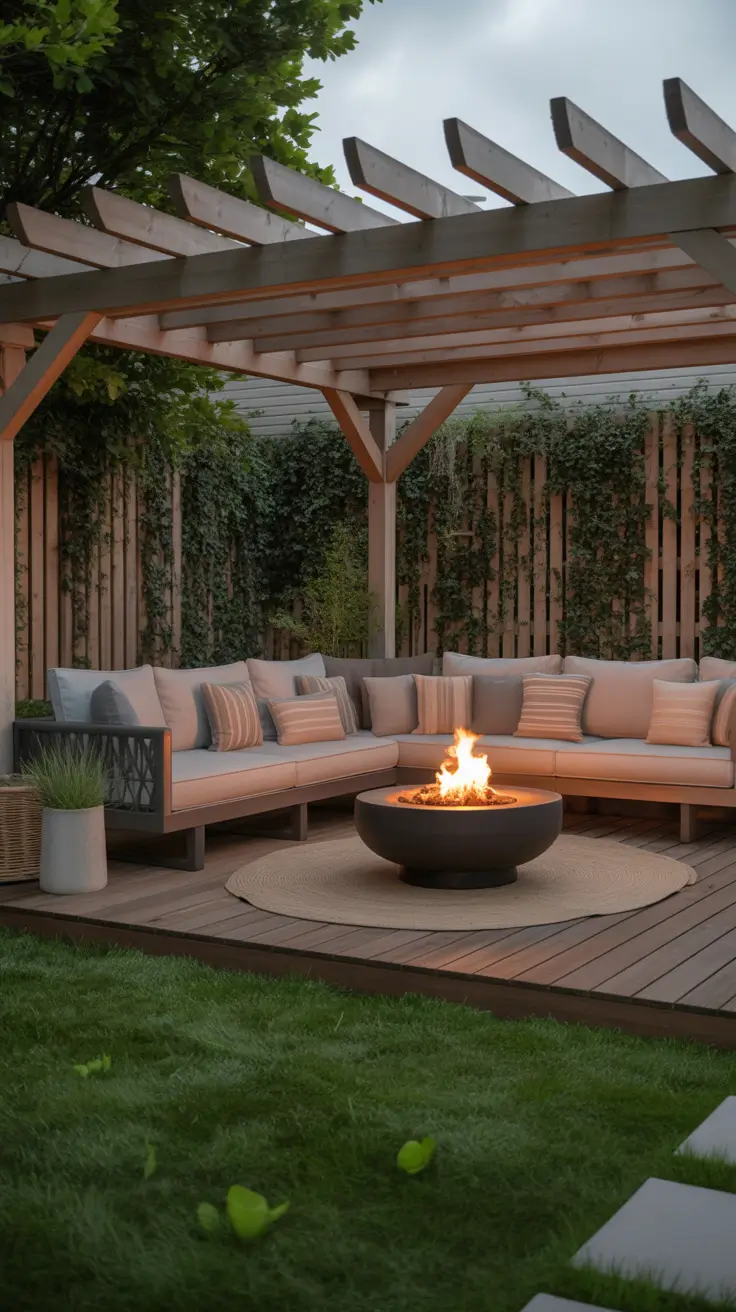
From my experience, clover lawns are also ideal for families and pets, as they are more resilient and softer underfoot. Many landscape designers recommend clover lawn for dogs due to its durability and natural resistance to wear.
I would suggest adding more detail about drainage and soil preparation to ensure the backyard lawn remains healthy and long lasting.
Clover Lawn Aesthetic – Minimalist Green Landscaping Inspiration 2026
I approach the clover lawn aesthetic with a minimalist mindset, focusing on simplicity, texture, and natural color harmony. Clover creates a soft, uniform green surface that pairs beautifully with clean architectural lines and neutral outdoor materials.
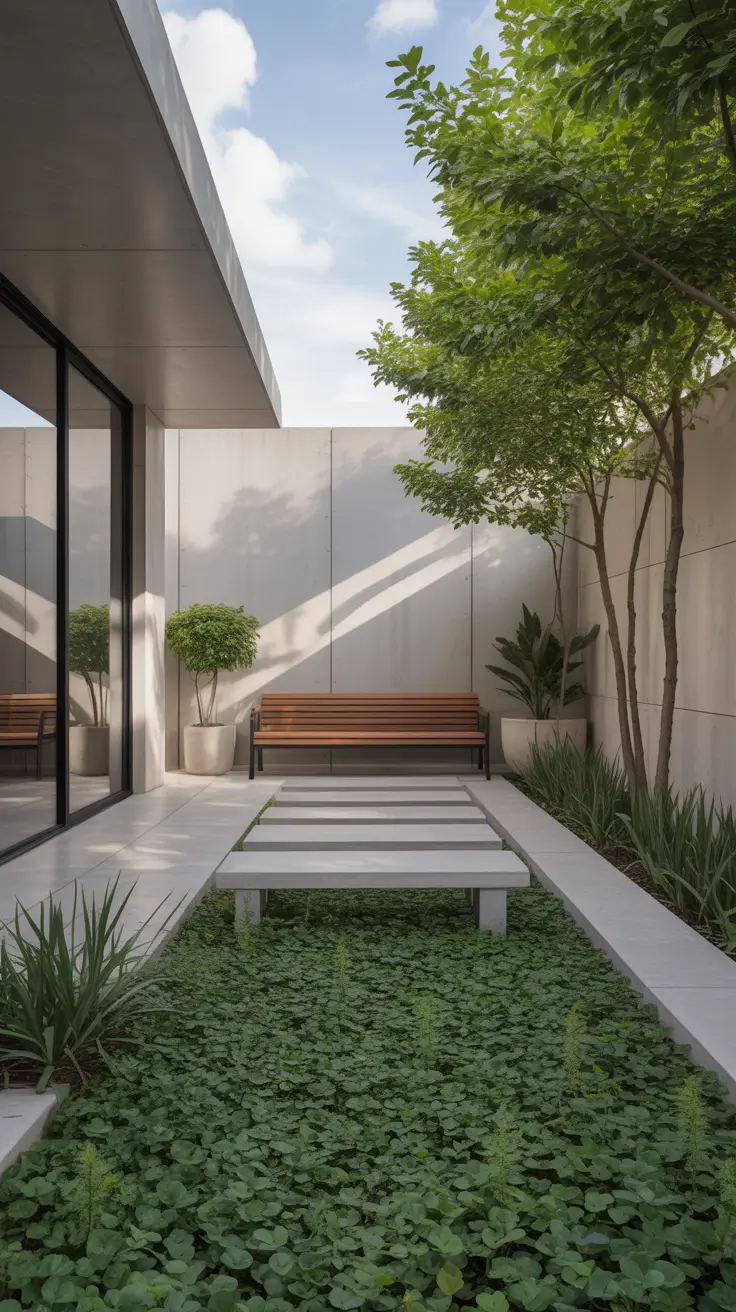
In these designs, I use elements like concrete slabs, wooden benches, and simple planters with grasses or small shrubs. The goal is to create a calm and uncluttered environment where the clover lawn becomes the primary visual element. I often limit the color palette to greens, whites, and warm earth tones.
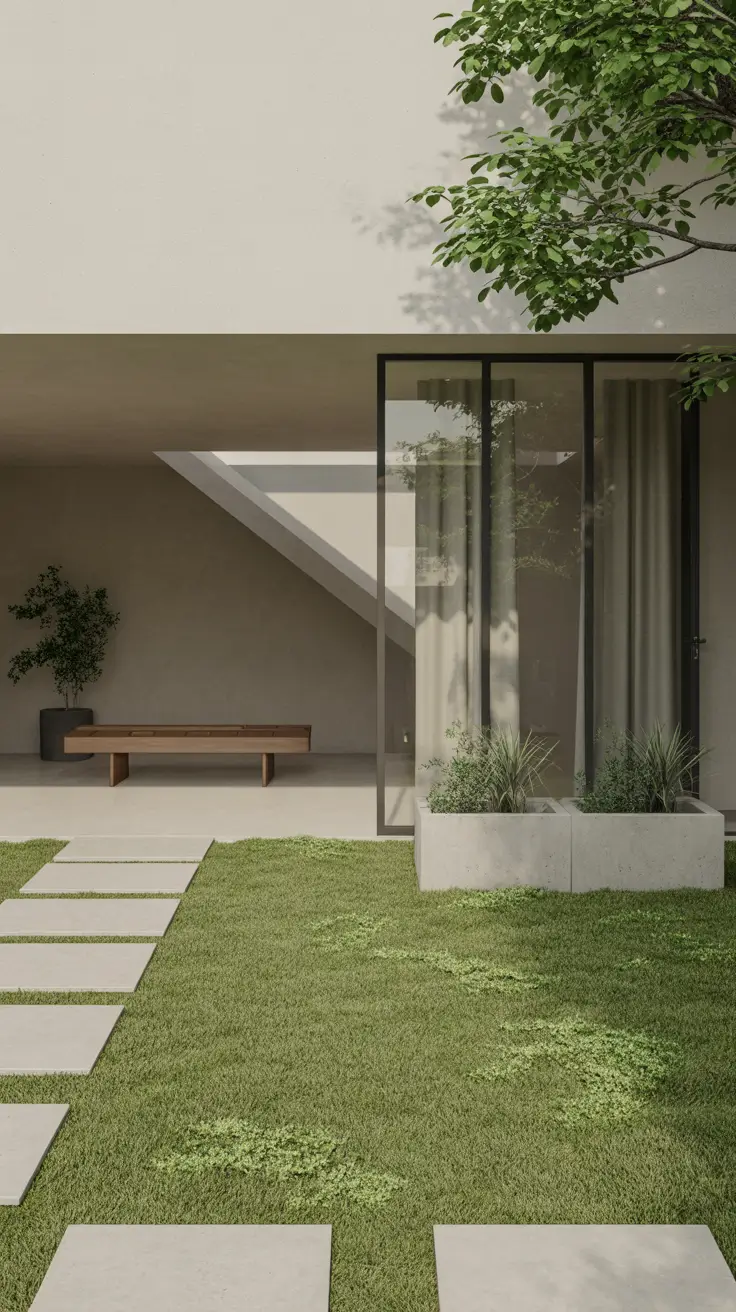
Personally, I find that this minimalist approach aligns well with modern landscaping trends. Designers featured in Architectural Digest often highlight the importance of restraint in outdoor design, and clover lawns support this philosophy by offering a naturally refined look.
I would enhance this section by including lighting strategies that highlight the texture of the clover at night.
How to Grow a Clover Lawn Successfully in 2026
When it comes to clover lawn how to grow successfully, I always emphasize proper preparation and planning. Clover is relatively easy to grow, but achieving a dense and even lawn requires attention to soil quality, seeding techniques, and watering.
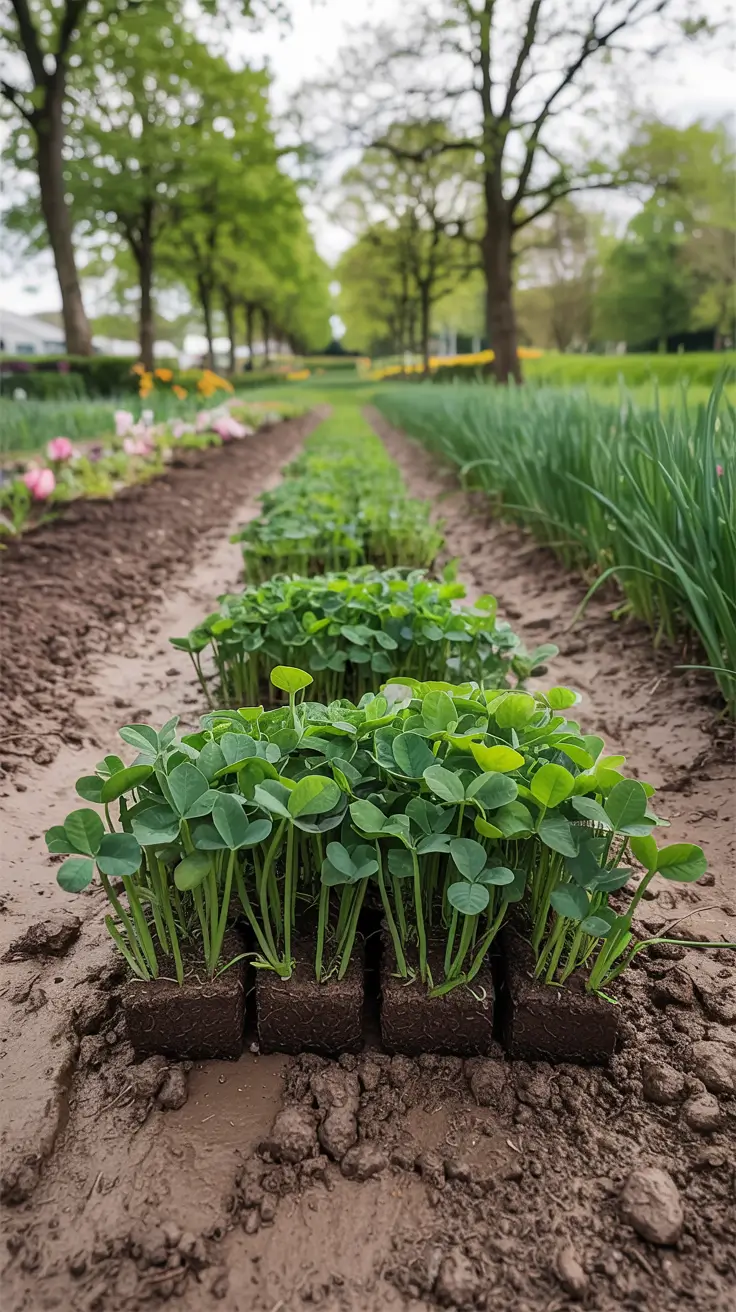
I recommend starting with soil testing and light aeration before planting. Clover seeds should be evenly distributed and lightly covered, ensuring good contact with the soil. Micro clover varieties are particularly popular because they create a finer, more uniform appearance compared to traditional clover.
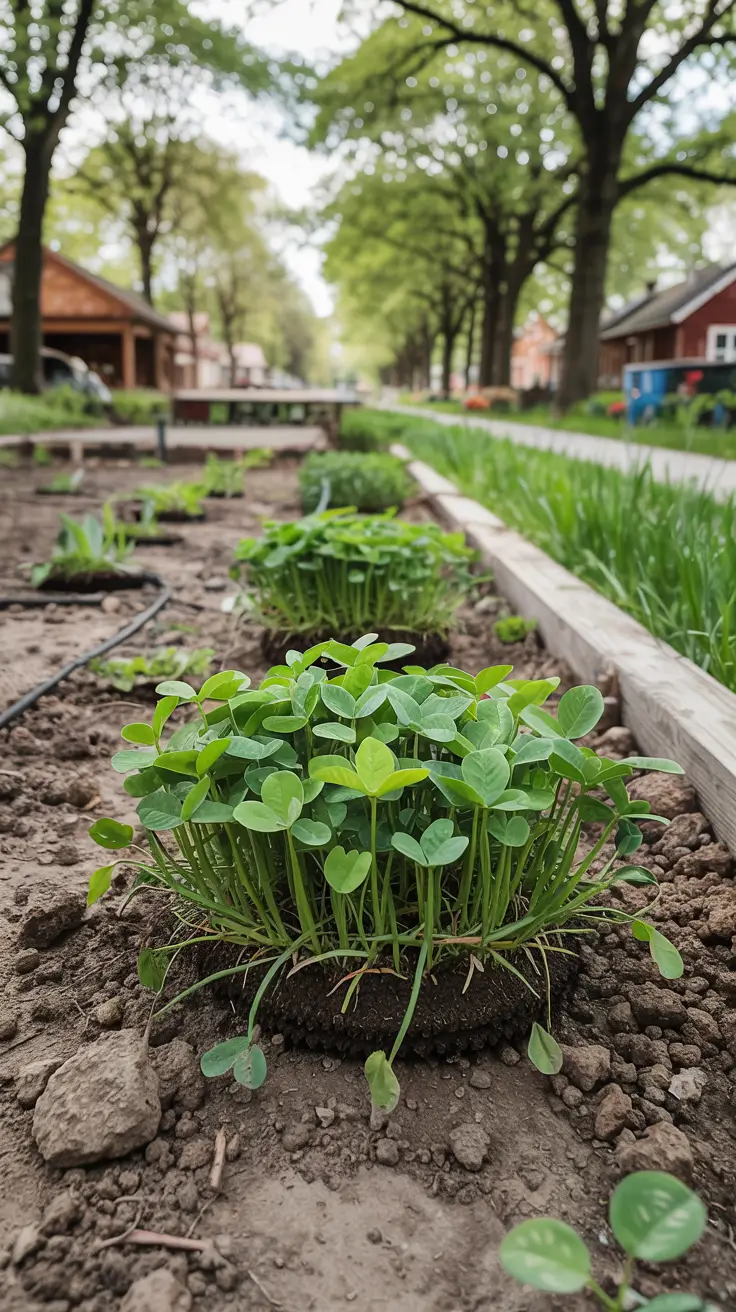
From my experience, consistent watering during the early stages is key to successful establishment. Once the lawn is established, maintenance becomes minimal, which is one of the biggest advantages of clover lawns.
I would include a step by step seasonal care guide to help readers maintain their clover lawn throughout the year.
Clover Lawn with Pavers – Stylish Garden Path Ideas
One of my favorite design approaches is combining clover lawn with pavers to create structured yet natural pathways. This technique adds functionality while preserving the softness of the landscape. Clover grows around and between pavers, softening the overall look.
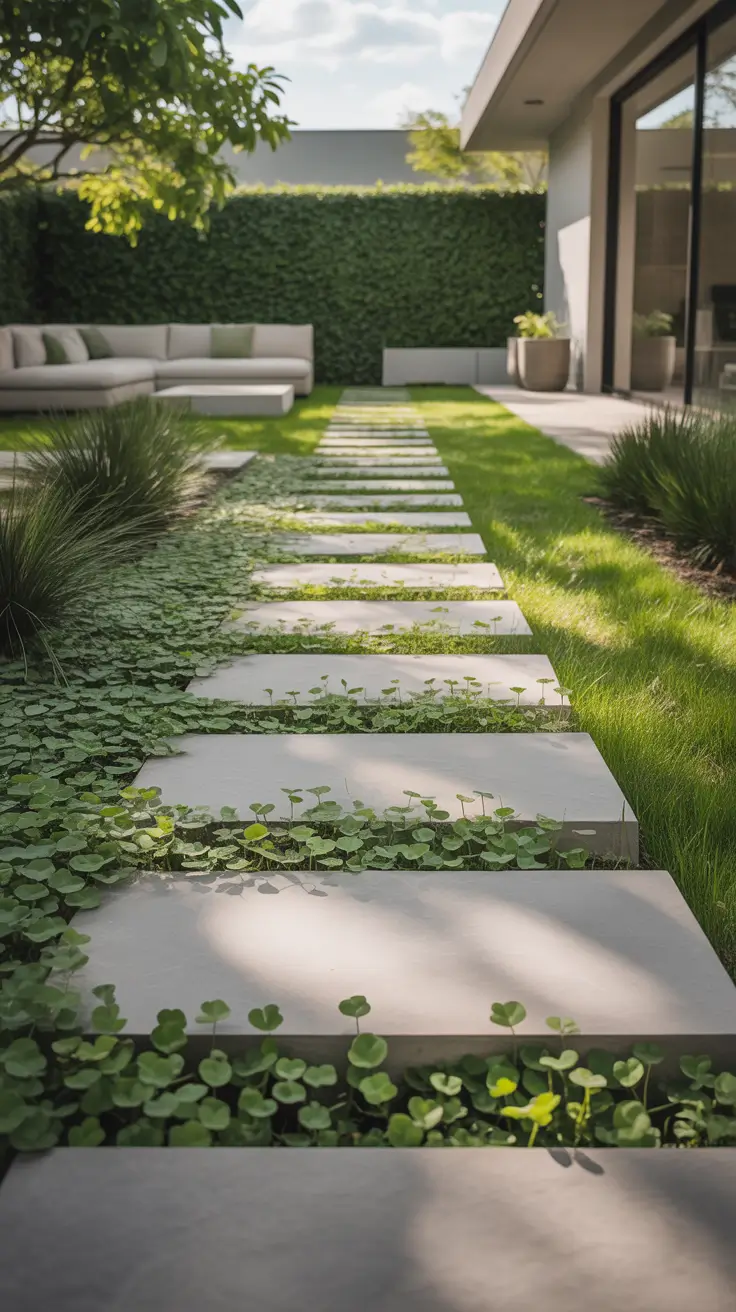
I typically use materials like concrete, natural stone, or large format slabs for pathways. The spacing between pavers is important, as it allows the clover to fill in naturally and create a seamless transition between hardscape and greenery. This approach works well in both front yards and backyard designs.
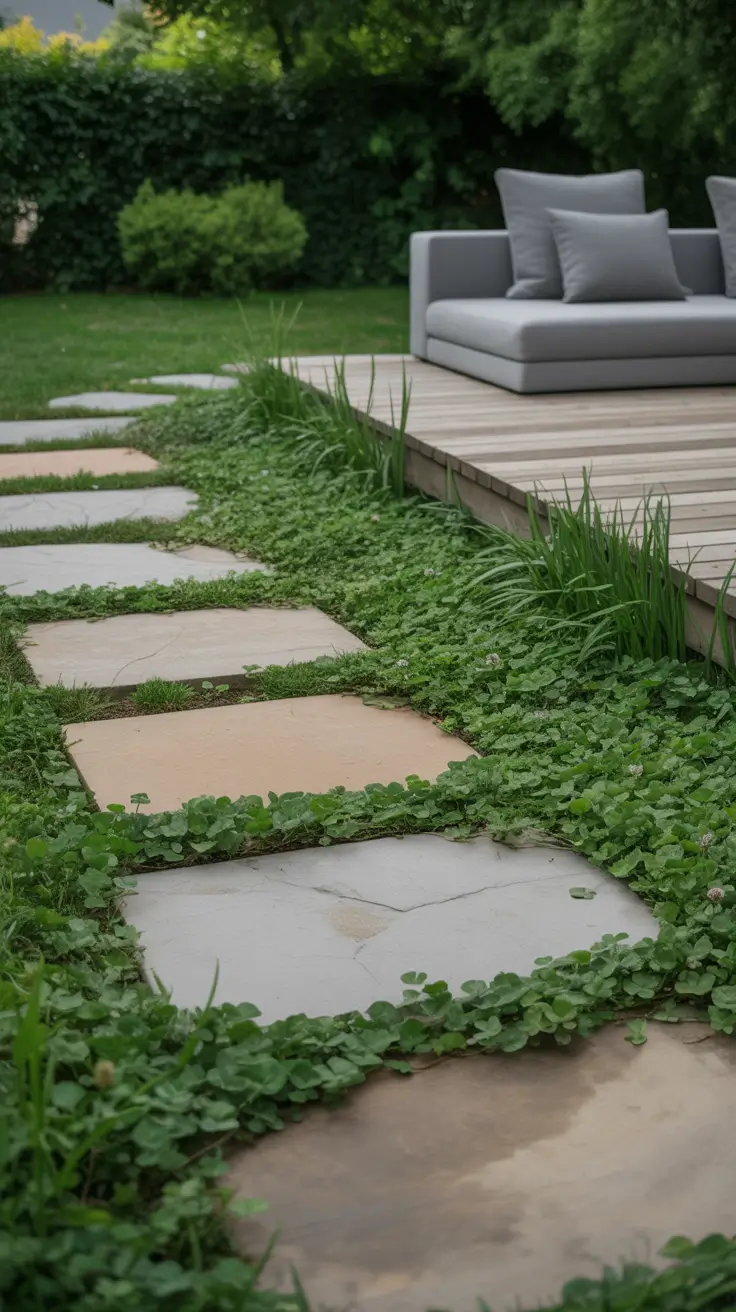
In my opinion, this is one of the most versatile clover lawn ideas because it blends modern design with organic elements. It also improves accessibility while maintaining a relaxed aesthetic.
I would add recommendations on spacing and installation techniques to ensure durability and long term performance.
Clover Lawn Garden Design Ideas for a Natural Look
I often design a clover lawn garden as a soft transition between structured landscaping and a more natural environment. In 2026, this approach is especially relevant for homeowners who want their outdoor space to feel organic yet intentional. Clover lawns create a continuous green base that blends beautifully with flowering plants, shrubs, and small trees, forming a cohesive and calming garden setting.
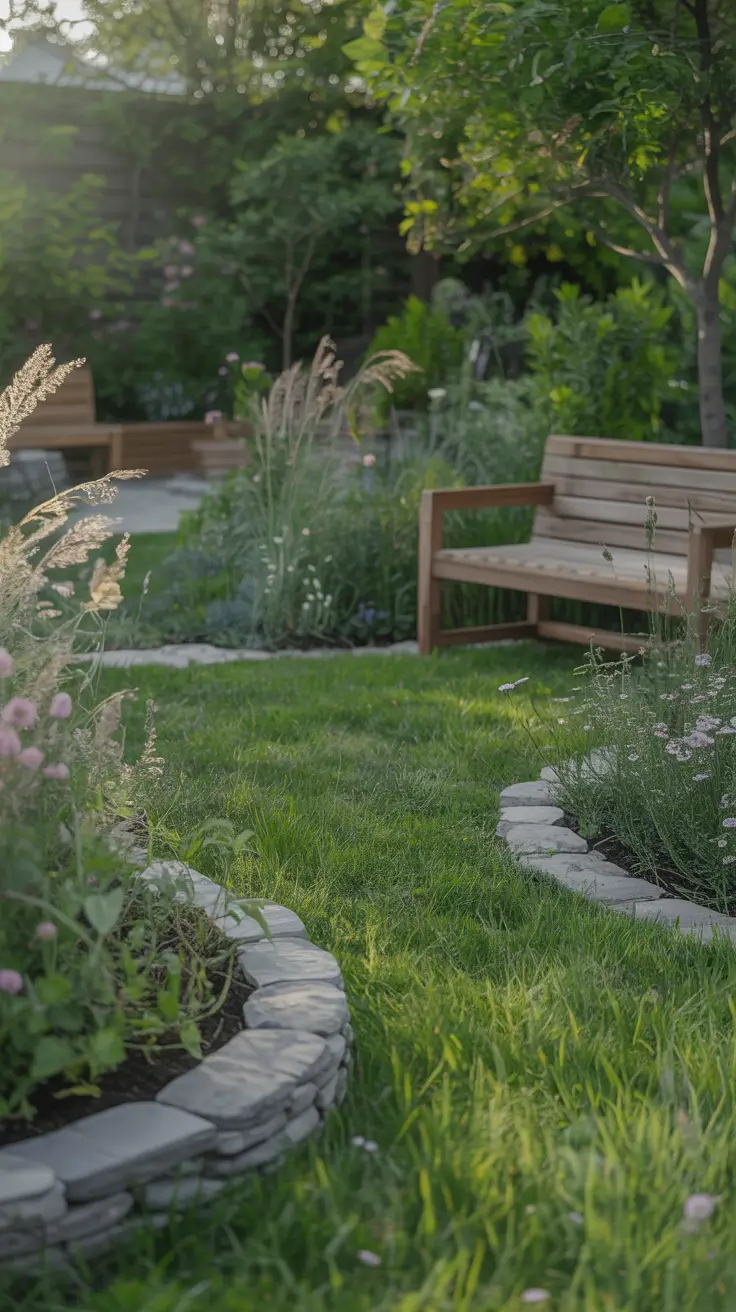
When planning the layout, I typically combine clover with layered planting beds, natural stone edging, and informal pathways. I like to introduce wildflowers, ornamental grasses, and native plants to enhance biodiversity while maintaining visual interest. Wooden benches, ceramic planters, and subtle garden lighting complete the space without overwhelming the simplicity of the clover lawn.
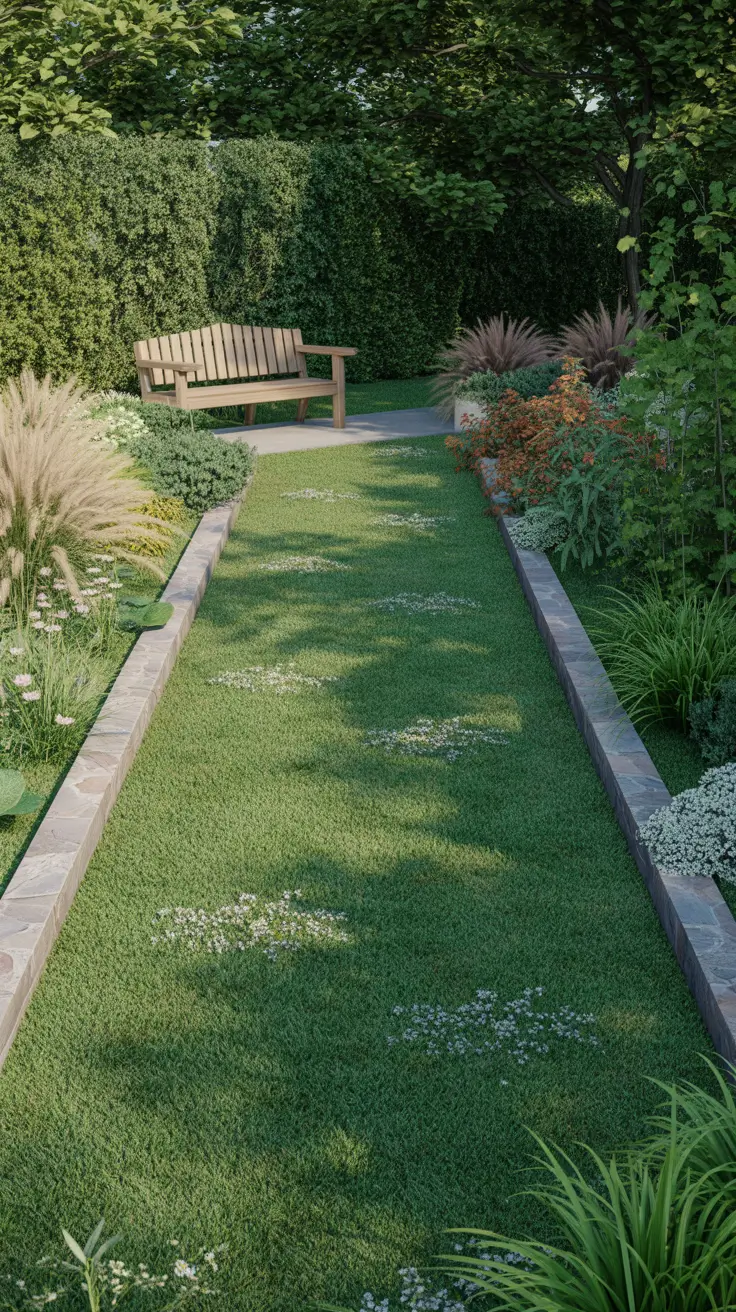
From my experience, this type of garden design works best when there is a balance between curated elements and natural growth. Many landscape experts recommend allowing certain areas to remain slightly untamed to support pollinators and create a more authentic garden feel.
I would add more detail about plant pairings that thrive alongside clover, especially for different climate zones and soil conditions.
Micro Clover Lawn Ideas for a Clean and Polished Yard
Micro clover lawns are one of the most refined options I recommend for homeowners who want a neat and polished appearance without the high maintenance of traditional grass. Micro clover has smaller leaves and a more uniform texture, making it ideal for modern outdoor designs.
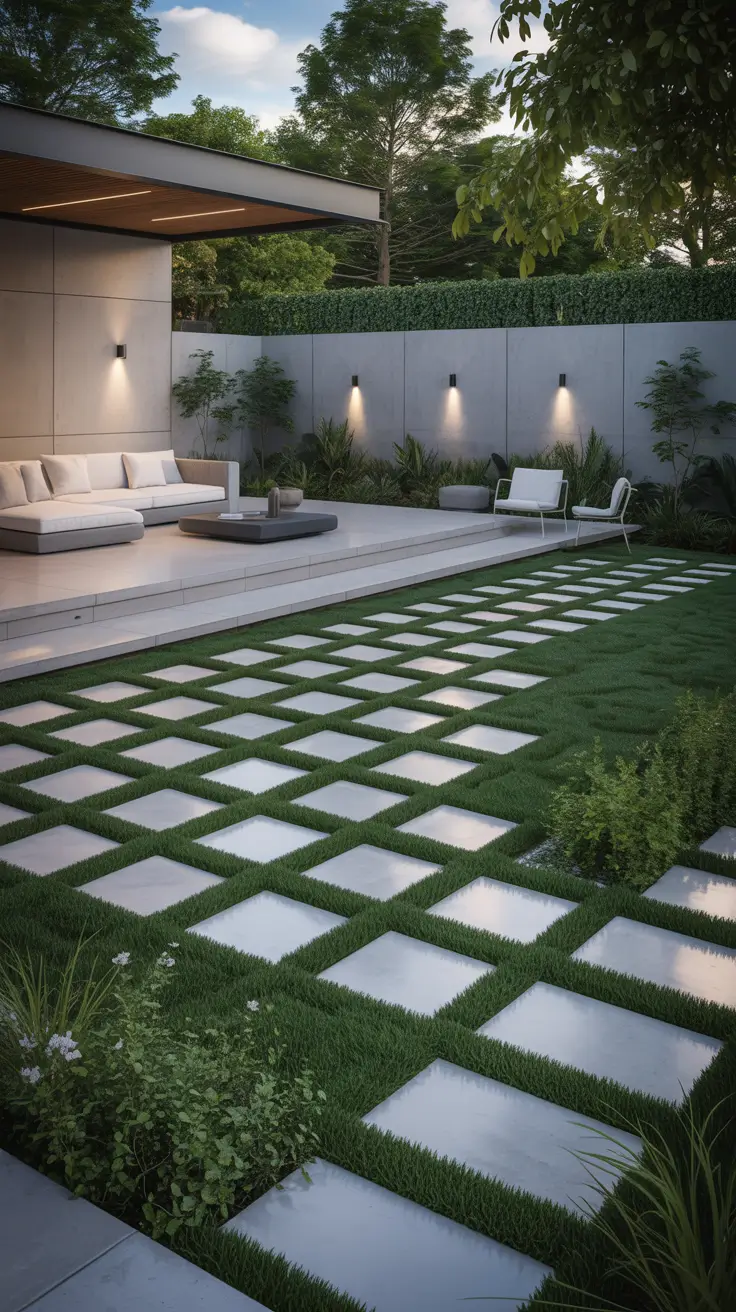
In these spaces, I usually incorporate clean lines, geometric layouts, and minimal decorative elements. Concrete or porcelain pavers, sleek outdoor furniture, and structured planting beds work well with micro clover. I focus on symmetry and simplicity to highlight the smooth, carpet like finish of the lawn.
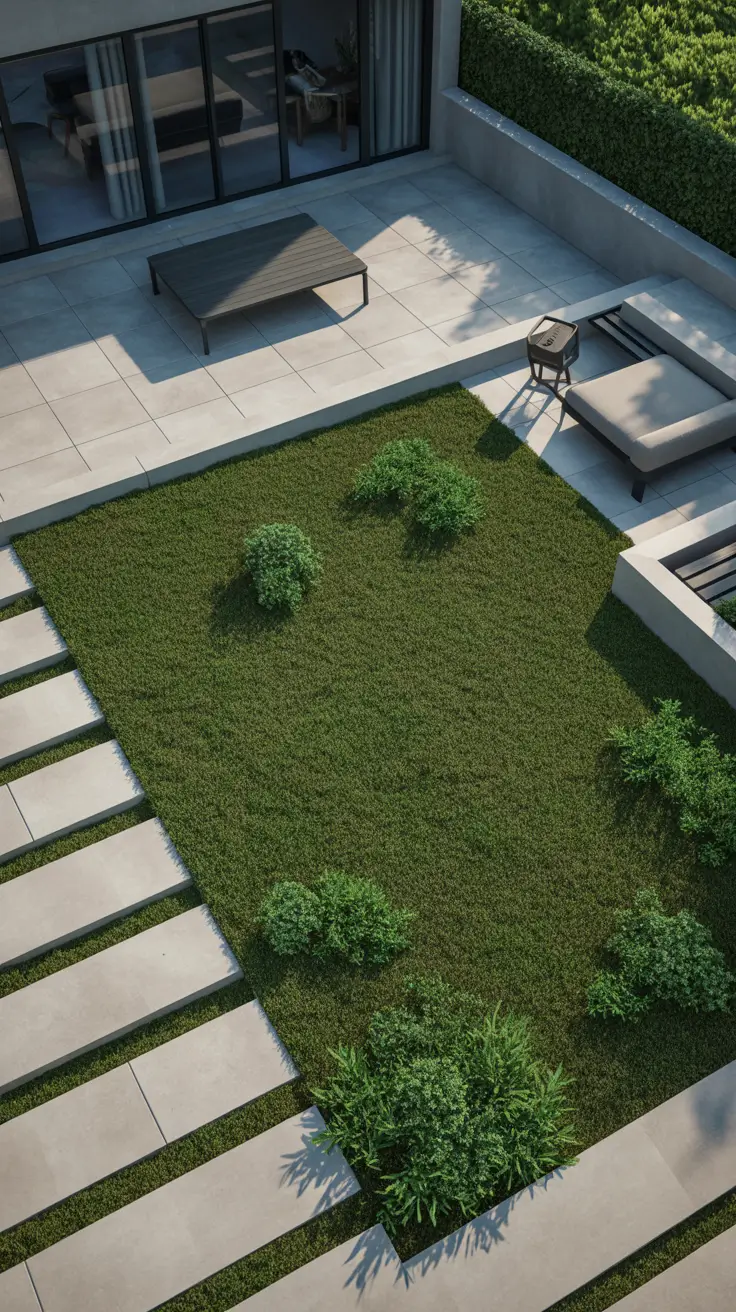
Personally, I find micro clover to be one of the most versatile solutions for both front yards and backyard designs. It offers the softness of a clover lawn aesthetic while maintaining a tidy and controlled look that many homeowners prefer.
I would include guidance on maintenance techniques such as mowing height and overseeding to preserve the refined appearance over time.
White Clover Lawn Ideas for Bright and Fresh Landscapes
White clover lawns are perfect for creating bright and inviting outdoor spaces. I often use white clover in areas where I want to enhance light and openness, especially in smaller front yards or shaded gardens. The subtle white blooms add a delicate visual texture that changes throughout the seasons.
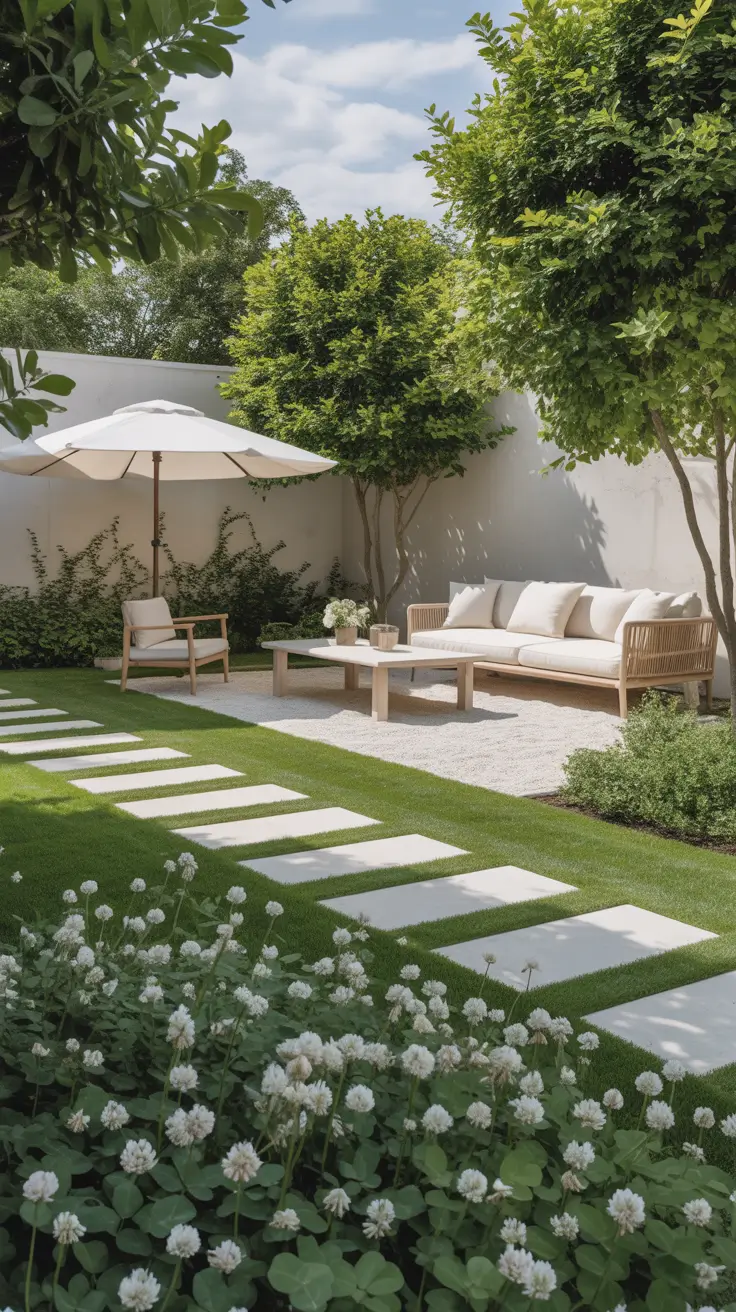
In design terms, I like to pair white clover with light colored materials such as limestone pavers, white gravel, and pale wood furniture. This combination creates a fresh and airy atmosphere. I also incorporate simple seating areas and low maintenance plantings to keep the space functional and cohesive.
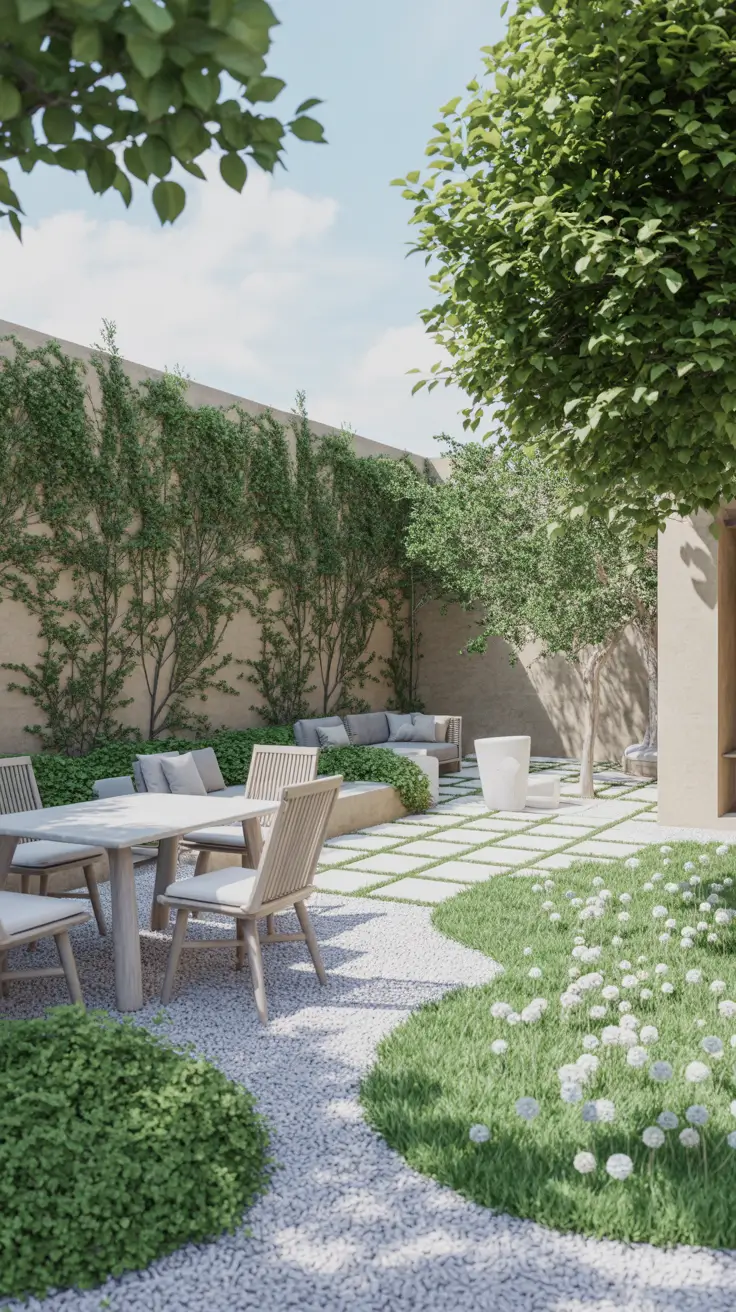
From my perspective, white clover is an excellent choice for homeowners looking to elevate their landscaping without adding complexity. It naturally enhances the brightness of the space while remaining easy to maintain.
I would suggest adding information about managing flowering cycles and how to balance blooms with a consistent lawn appearance.
Red Clover Lawn Ideas for a Wild Meadow Style Garden
Red clover lawns offer a more relaxed and natural look, which I often recommend for larger properties or informal garden designs. This approach leans toward a meadow inspired aesthetic, where the lawn feels more like a living ecosystem than a traditional yard.
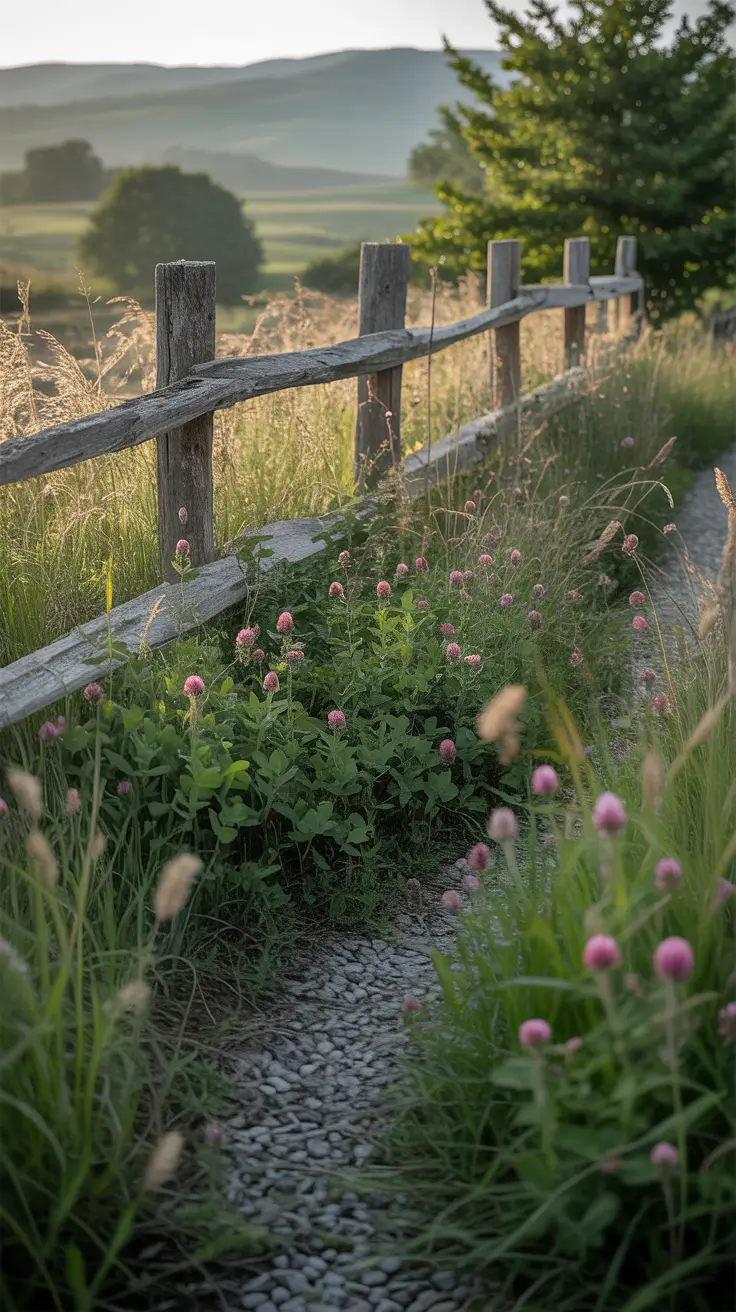
I typically combine red clover with taller grasses, wildflowers, and rustic elements such as wooden fencing or gravel paths. Outdoor furniture in these spaces is usually simple and durable, such as wooden benches or weathered metal chairs, allowing the landscape to remain the focal point.
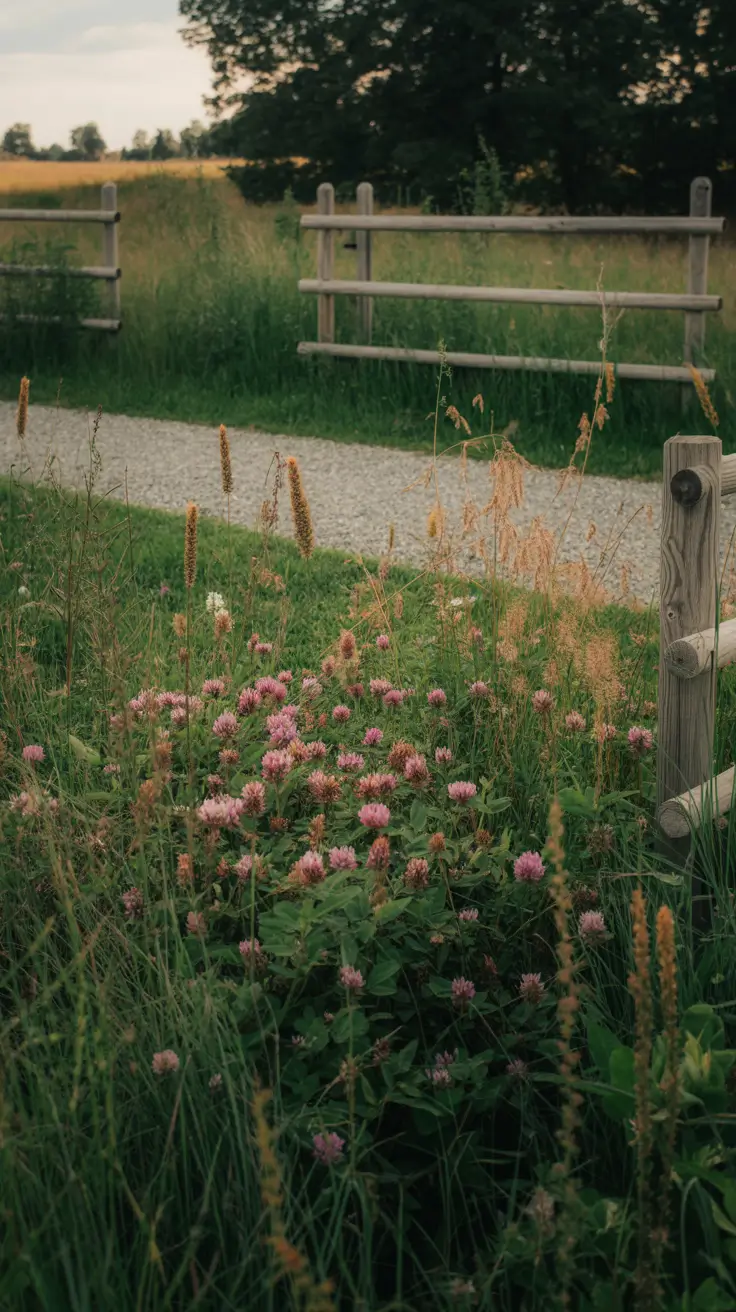
In my opinion, red clover lawns are ideal for homeowners who appreciate a less structured and more ecological approach to landscaping. This style supports pollinators and creates a dynamic outdoor environment that evolves over time.
I would include recommendations on mowing patterns and seasonal management to maintain a balance between wild growth and usability.
Crimson Clover Lawn Ideas for Bold Color Accents Outdoors
Crimson clover is one of the most visually striking options I work with, especially when clients want to introduce bold color into their outdoor spaces. Its deep red blooms create dramatic contrast against greenery, making it a standout feature in any garden.
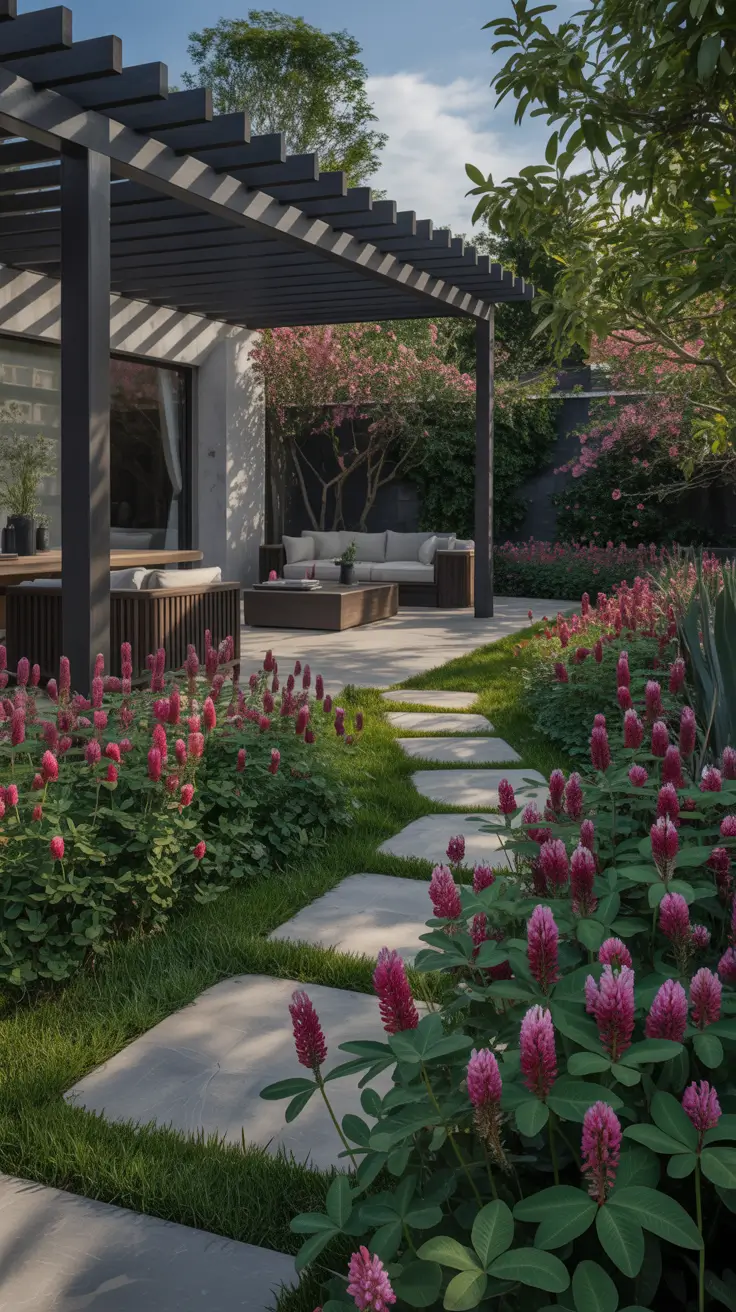
In these designs, I often use crimson clover as an accent rather than a full lawn coverage. It pairs well with stone pathways, dark wood furniture, and neutral outdoor structures, allowing the color to stand out without overwhelming the space. Strategic placement is key to maintaining balance.
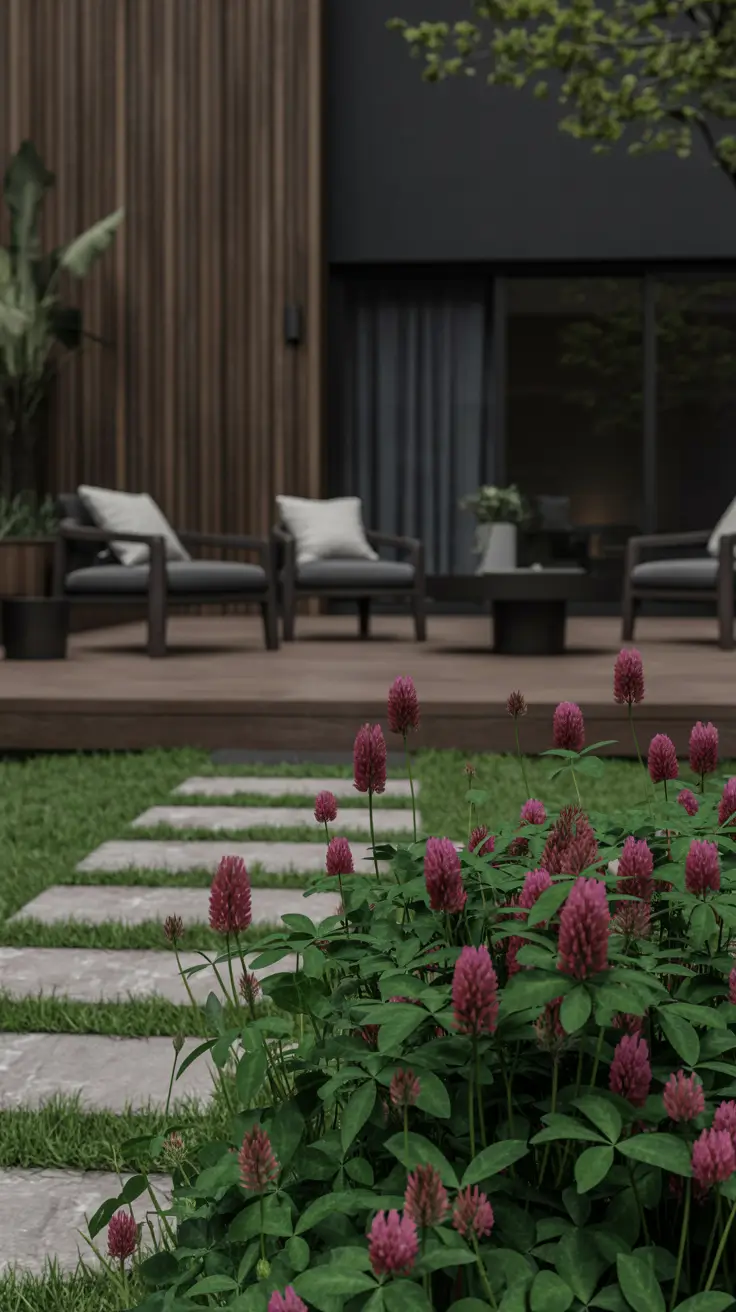
From my experience, crimson clover works best when integrated into a broader landscape plan rather than used alone. It can highlight specific areas, guide pathways, or frame seating zones effectively.
I would add more detail about combining crimson clover with other ground covers to create layered visual interest.
Purple Clover Lawn Ideas for Unique Backyard Designs
Purple clover brings a unique and slightly unexpected element to backyard landscaping. I use it in designs where clients want something different from the traditional green lawn while still maintaining a natural look.
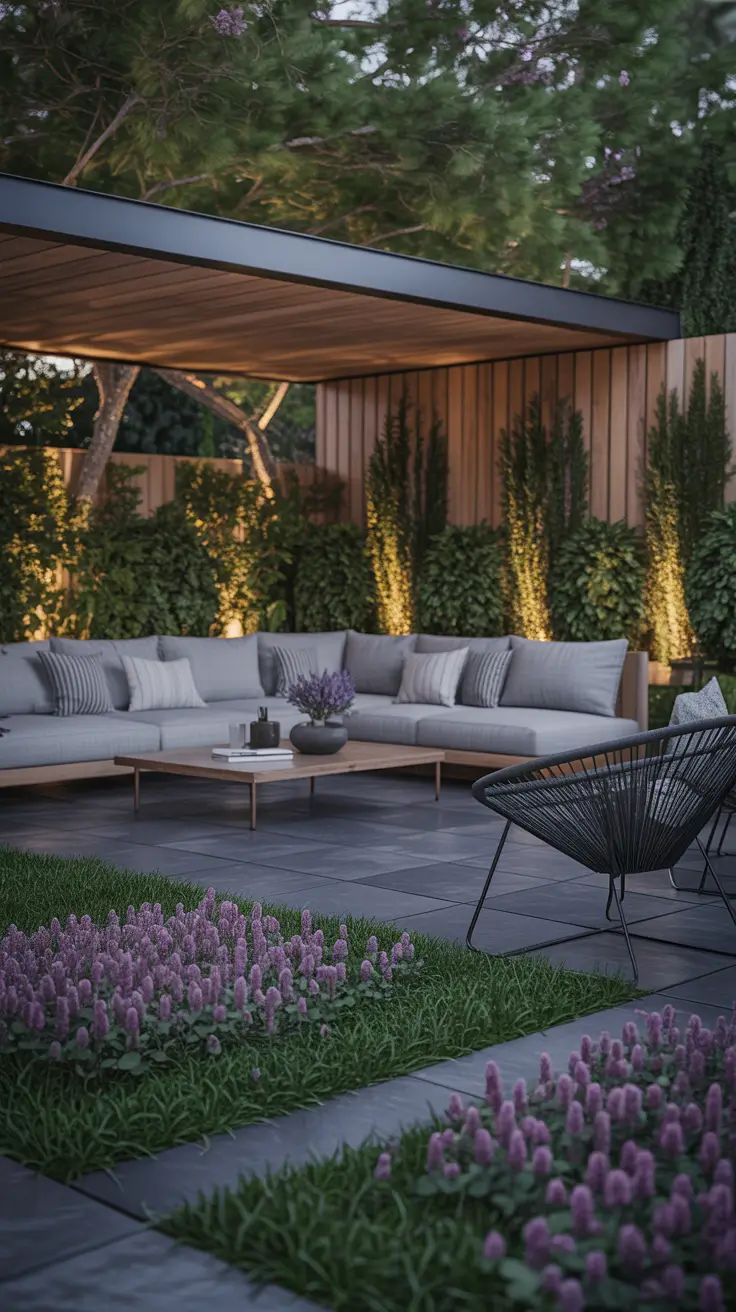
I often combine purple clover with modern outdoor furniture, dark stone pavers, and contrasting greenery. The purple tones create depth and visual interest, especially when paired with neutral materials and simple architectural features.
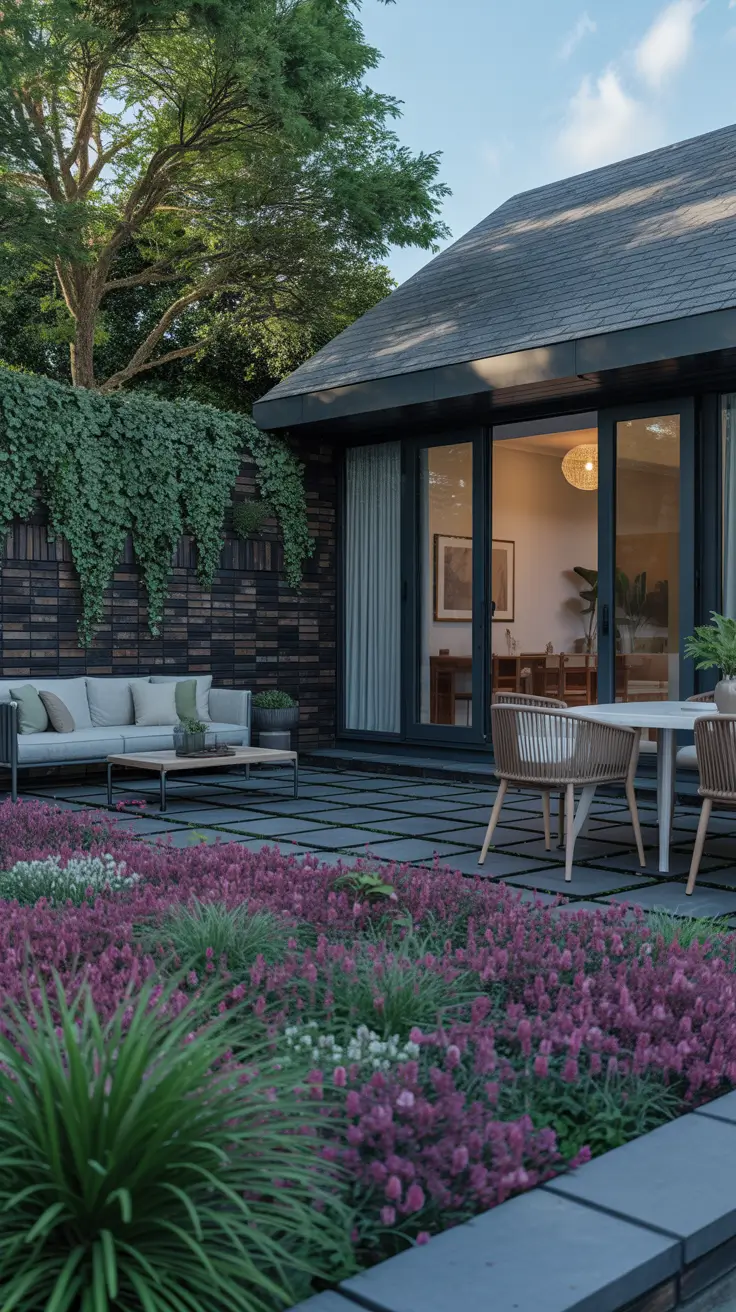
Personally, I find that purple clover works particularly well in contemporary backyard spaces where color is used intentionally. It adds character without requiring excessive maintenance or complex design elements.
I would recommend including advice on color coordination with surrounding plants and materials to achieve a cohesive look.
White Dutch Clover Lawn Ideas for Classic Green Coverage
White dutch clover is one of the most traditional and reliable choices for clover lawns. I often recommend it for homeowners who want a classic green lawn that is both durable and easy to maintain. It provides consistent coverage and adapts well to different conditions.
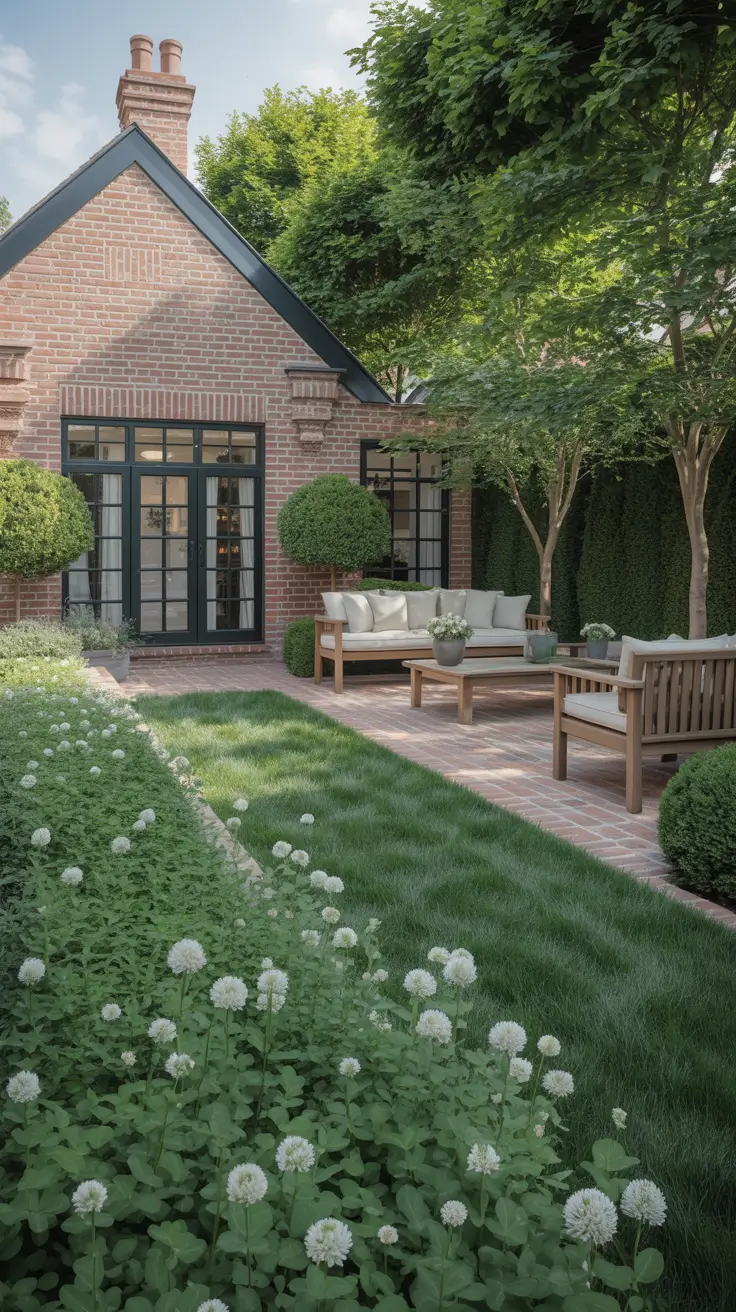
In terms of design, I usually pair white dutch clover with timeless elements such as brick pathways, wooden garden furniture, and structured planting beds. This creates a balanced and familiar outdoor space that still benefits from the advantages of clover.
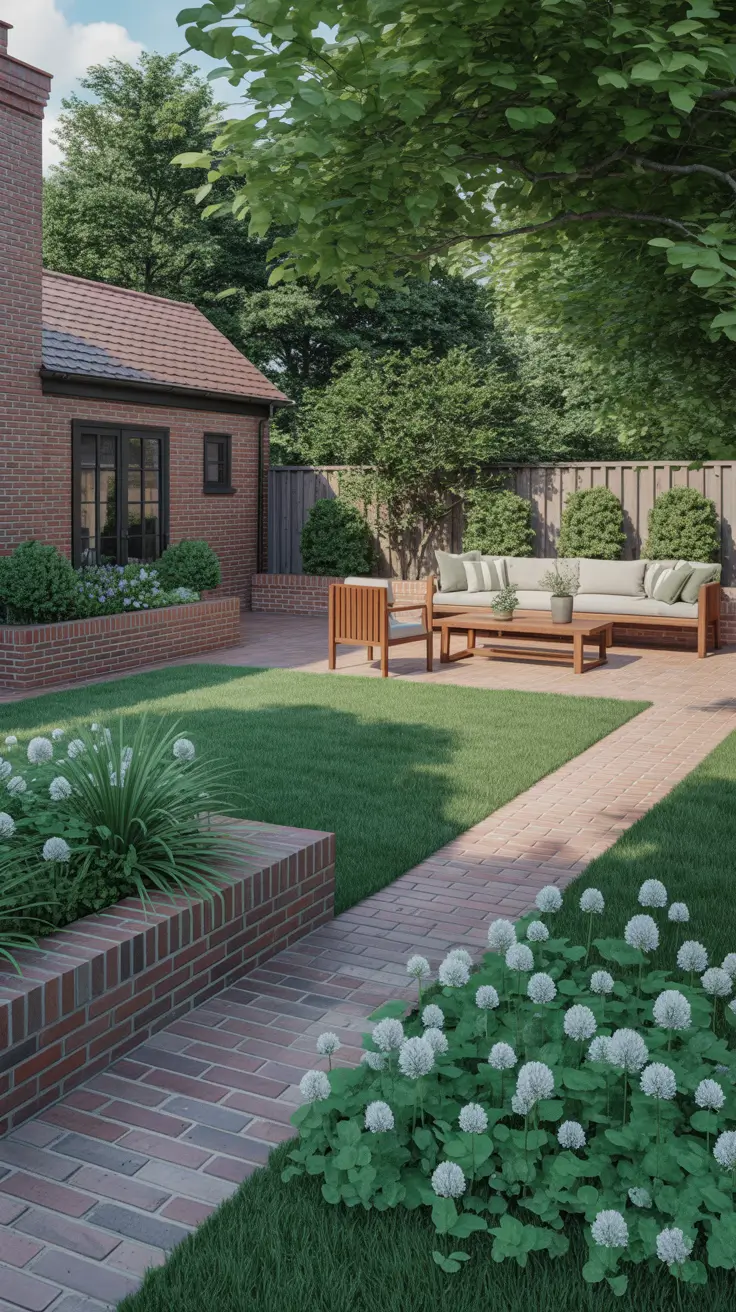
From my experience, white dutch clover is particularly suitable for families and active outdoor areas. It handles foot traffic well and recovers quickly, making it a practical choice for everyday use.
I would include additional tips on mixing white dutch clover with grass for enhanced durability in high traffic zones.
Dutch Clover Lawn Ideas for Sustainable Landscaping 2026
I see Dutch clover lawns becoming a defining feature of sustainable landscaping in 2026. When I design with white dutch clover, I focus on creating a soft, dense green carpet that requires less watering and mowing than traditional grass. This approach works especially well in both front yards and backyard environments where sustainability and visual simplicity are priorities. The micro leaf texture creates a refined, almost velvety surface that enhances the overall clover lawn aesthetic.
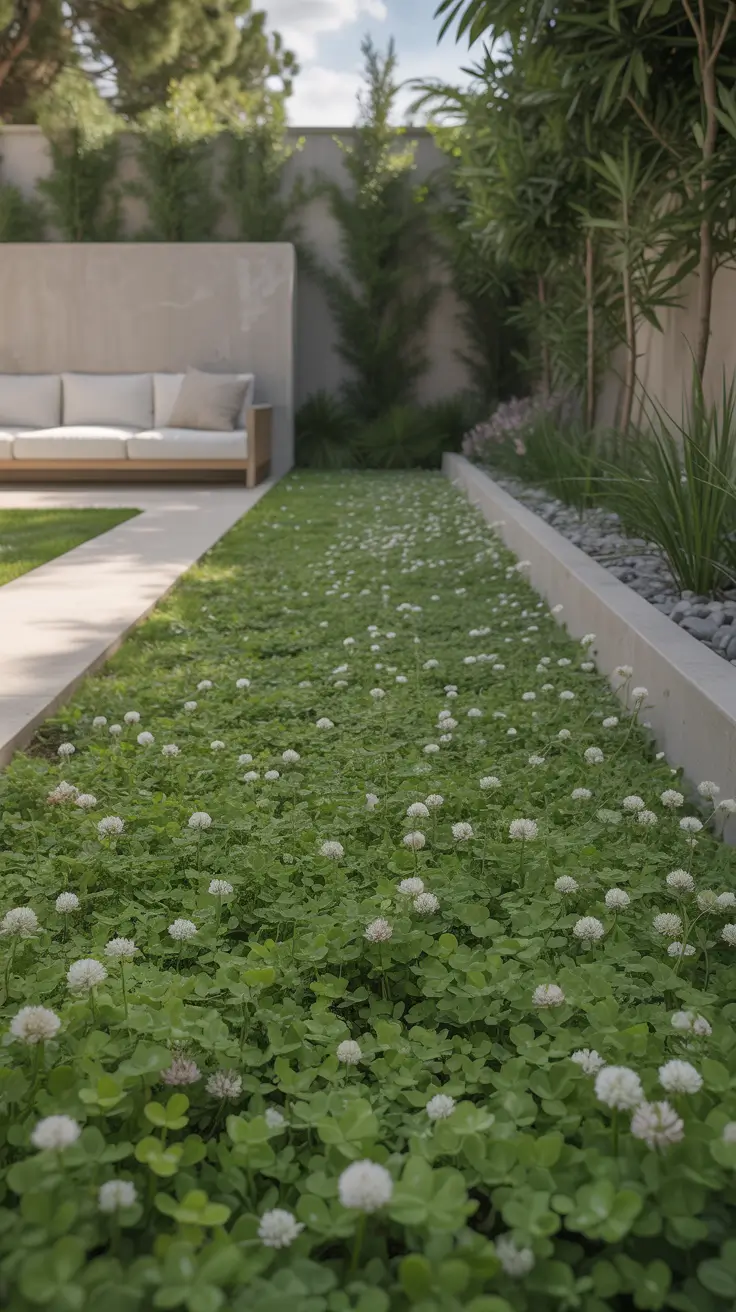
I typically combine white dutch clover with subtle edging, natural stone borders, and clean pathways to maintain structure. The inclusion of permeable pavers or gravel edges helps control growth while supporting drainage. I also recommend integrating low-profile lighting and minimal outdoor furniture, such as wood benches or neutral-toned seating, to maintain a calm and modern look without overwhelming the landscape.
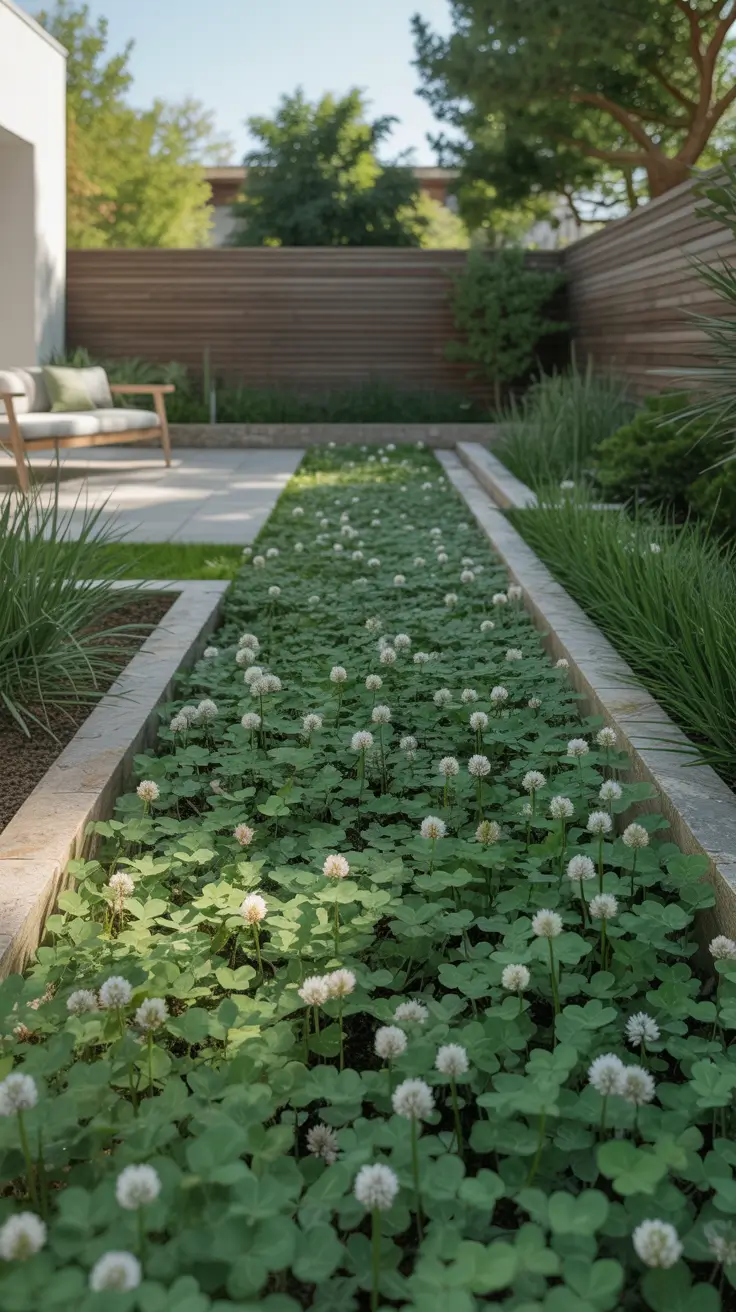
From my experience, many designers highlighted in Better Homes and Gardens emphasize that clover lawns reduce maintenance costs and improve soil health. I agree with this perspective, especially when working on projects where clients want long-term sustainability. I always advise starting with proper soil preparation to ensure even growth and a healthy root system.
What I would add here is a more detailed irrigation plan. I recommend incorporating a simple drip or low-flow watering system during the initial planting phase to ensure even establishment of the clover lawn.
Clover Lawn for Dogs – Durable and Pet Friendly Yard Ideas
When I design a clover lawn for dogs, I prioritize durability and comfort. Clover lawns are naturally resilient and recover quickly from wear, making them ideal for active pets. I often recommend a mix of micro clover and grass to balance softness with strength, especially in high-traffic backyard zones.
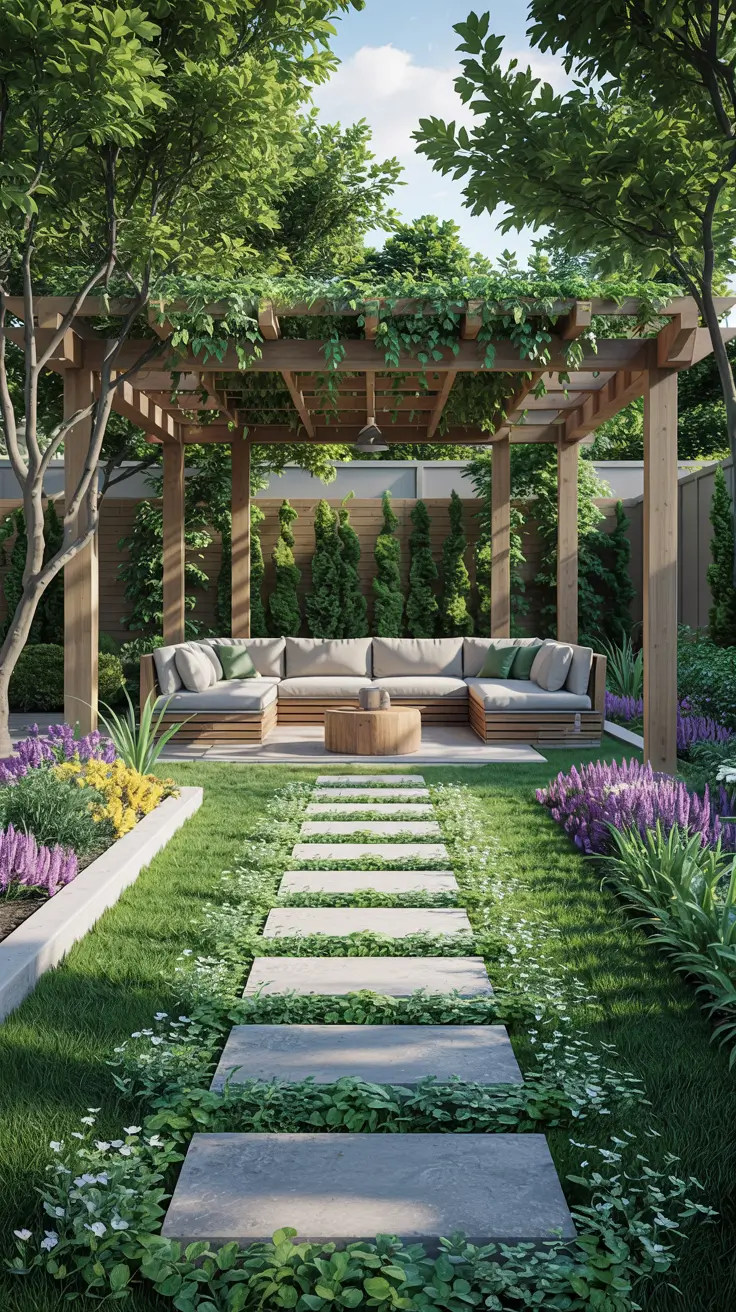
I usually include designated pathways using clover lawn pavers or stepping stones to guide movement and reduce damage. Adding shaded areas with pergolas or trees helps create comfortable resting spots for pets. I also consider non-toxic plant pairings, ensuring the entire garden remains safe for animals.
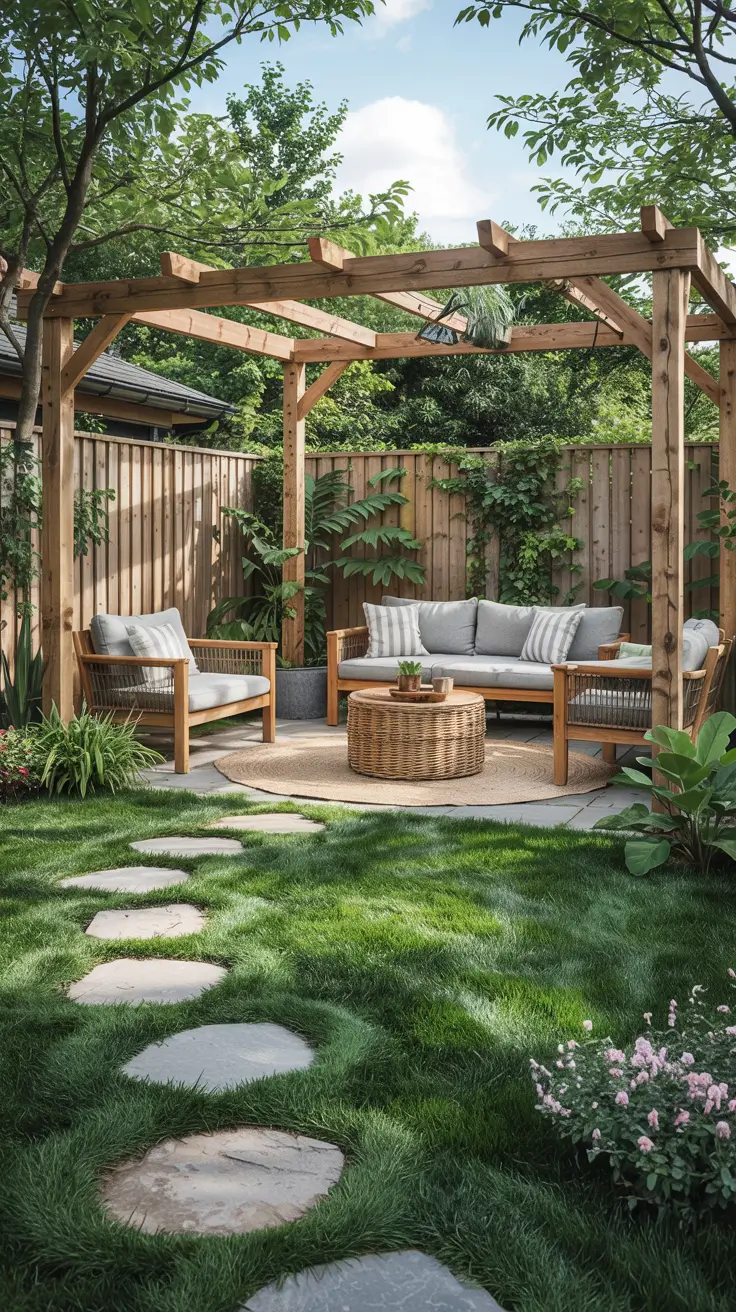
In my opinion, clover lawns outperform traditional grass in pet-friendly environments. They stay greener longer and resist urine damage better. I often reference guidance from landscaping experts who note that clover naturally enriches soil, which helps maintain a healthier lawn even under stress.
What I find missing in many designs is a dedicated cleaning zone. I recommend adding a small gravel or mulch area near entry points to minimize dirt being tracked indoors.
Clover Lawn Front Yard Landscaping Ideas with Curb Appeal
In front yards, I use clover lawns to create a fresh and inviting first impression. Clover lawn front yards offer a softer, more natural look compared to traditional turf while still maintaining structure. I focus on symmetry and clean lines to enhance curb appeal, especially in modern and minimalist homes.
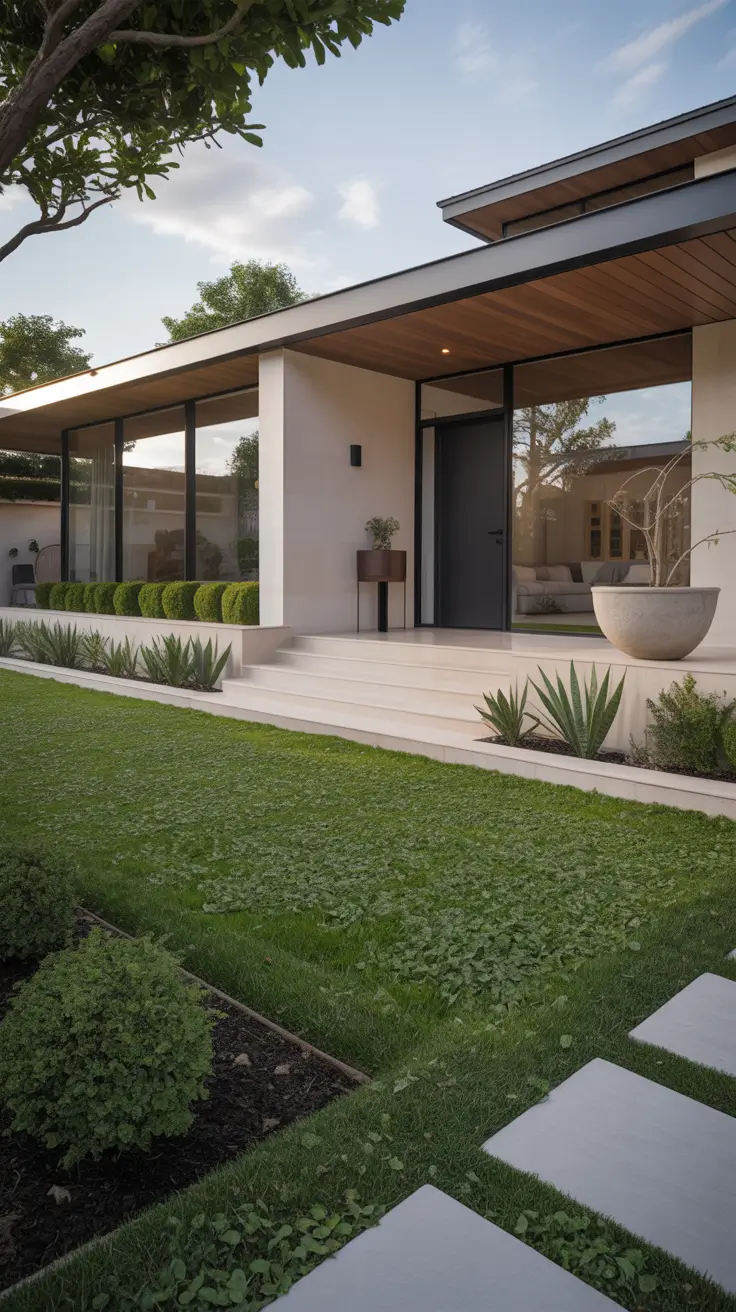
I often incorporate stone pathways, geometric planting beds, and low hedges to frame the clover lawn. White clover pairs beautifully with neutral facades, wood accents, and modern lighting fixtures. I also recommend adding focal points such as a sculptural tree or a statement planter to anchor the design.
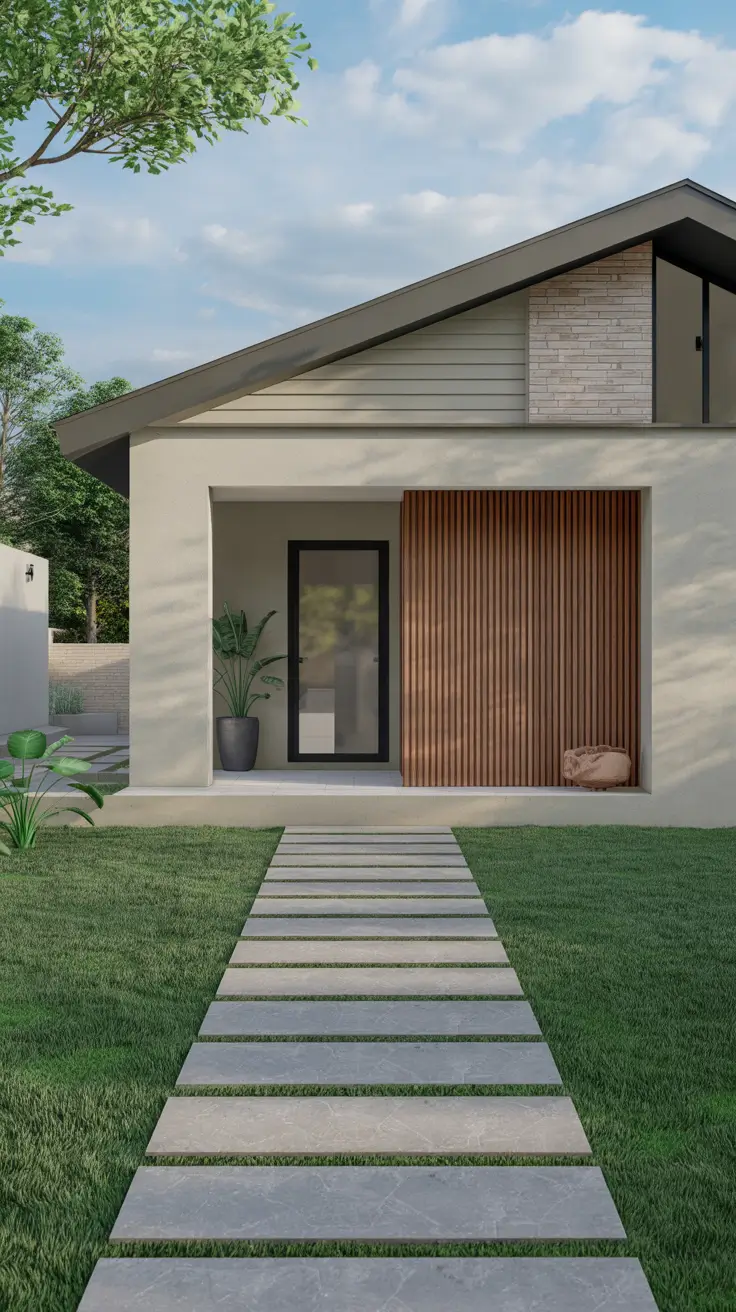
From my perspective, clover lawns elevate curb appeal by offering a unique yet understated aesthetic. Designers featured in architectural publications often highlight the importance of balancing greenery with hardscape elements, and I apply this principle consistently.
I would enhance this section by including seasonal layering. Adding flowering plants like purple or crimson clover accents can create subtle color variation throughout the year.
Clover Lawn Backyard Layouts with Relaxing Outdoor Zones
When designing a clover lawn backyard, I focus on creating functional zones for relaxation and entertainment. Clover provides a soft, cool surface that works well for lounging areas, especially in warm climates. I often divide the backyard into sections such as dining, seating, and open lawn space.
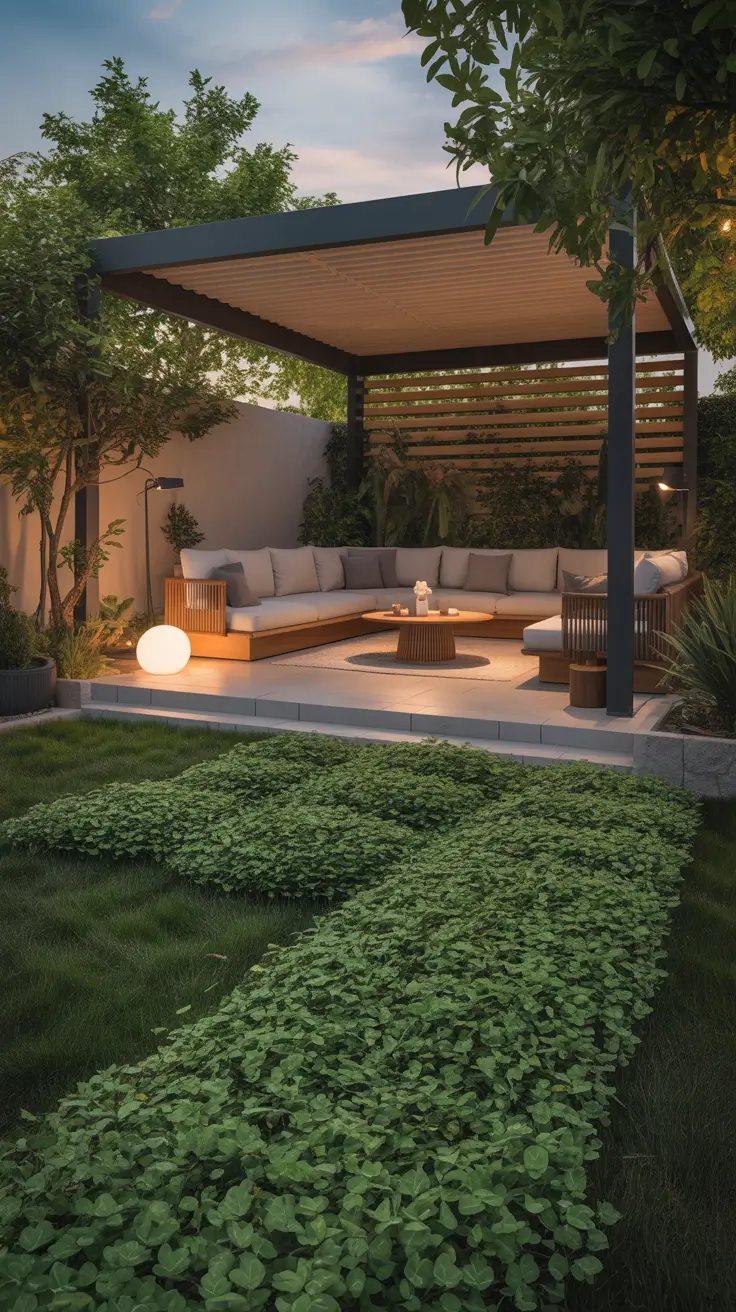
I typically include outdoor furniture like wooden lounge chairs, neutral cushions, and low-profile coffee tables to complement the natural look. Integrating pergolas or shade sails enhances comfort while maintaining a cohesive design. Clover lawn pathways can connect each zone seamlessly.
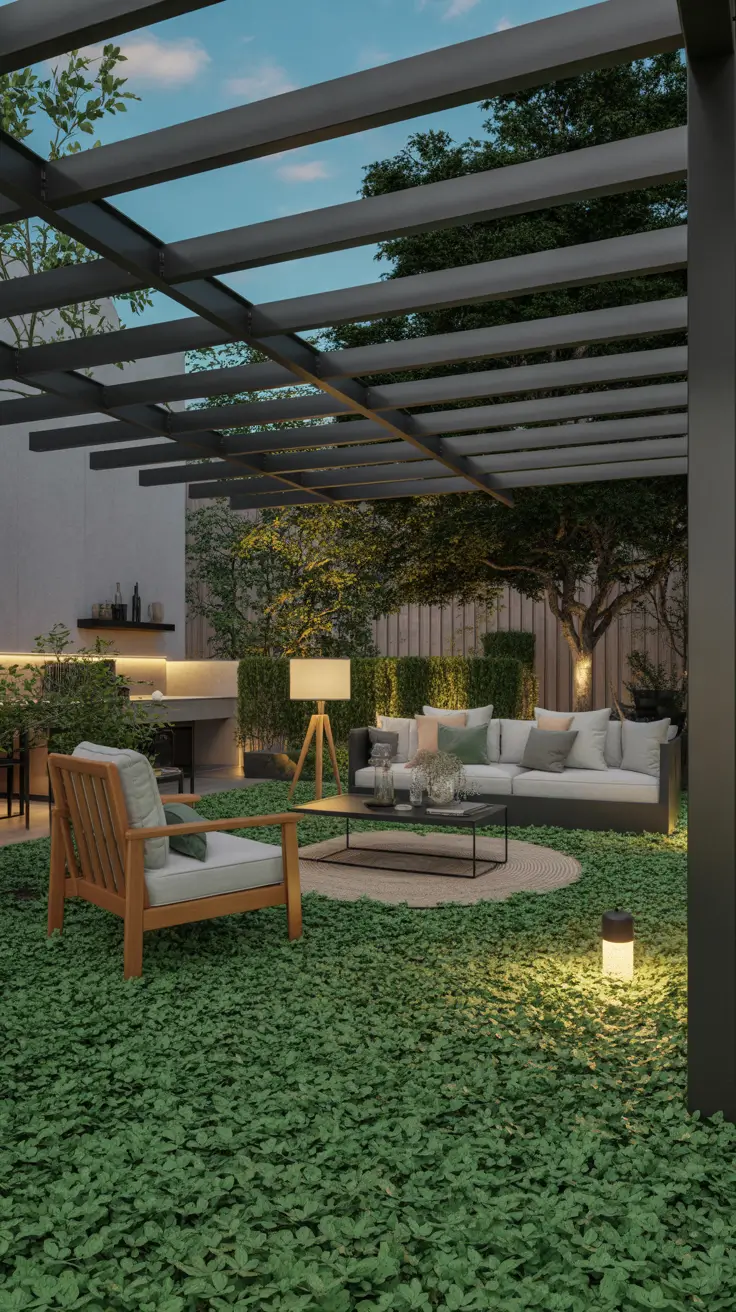
Personally, I find that clover lawns create a more relaxed atmosphere compared to traditional grass. The texture and color feel more organic, which aligns with current 2026 backyard trends focused on wellness and comfort.
What I would add here is the inclusion of lighting design. Soft ambient lighting, such as solar path lights or string lights, can significantly improve usability in the evening.
Clover Lawn with Stone Pavers for Modern Garden Paths
I often use clover lawn with pavers to create structured yet natural-looking garden paths. The contrast between soft clover and hard stone creates a visually balanced design that works well in both small gardens and larger landscapes.
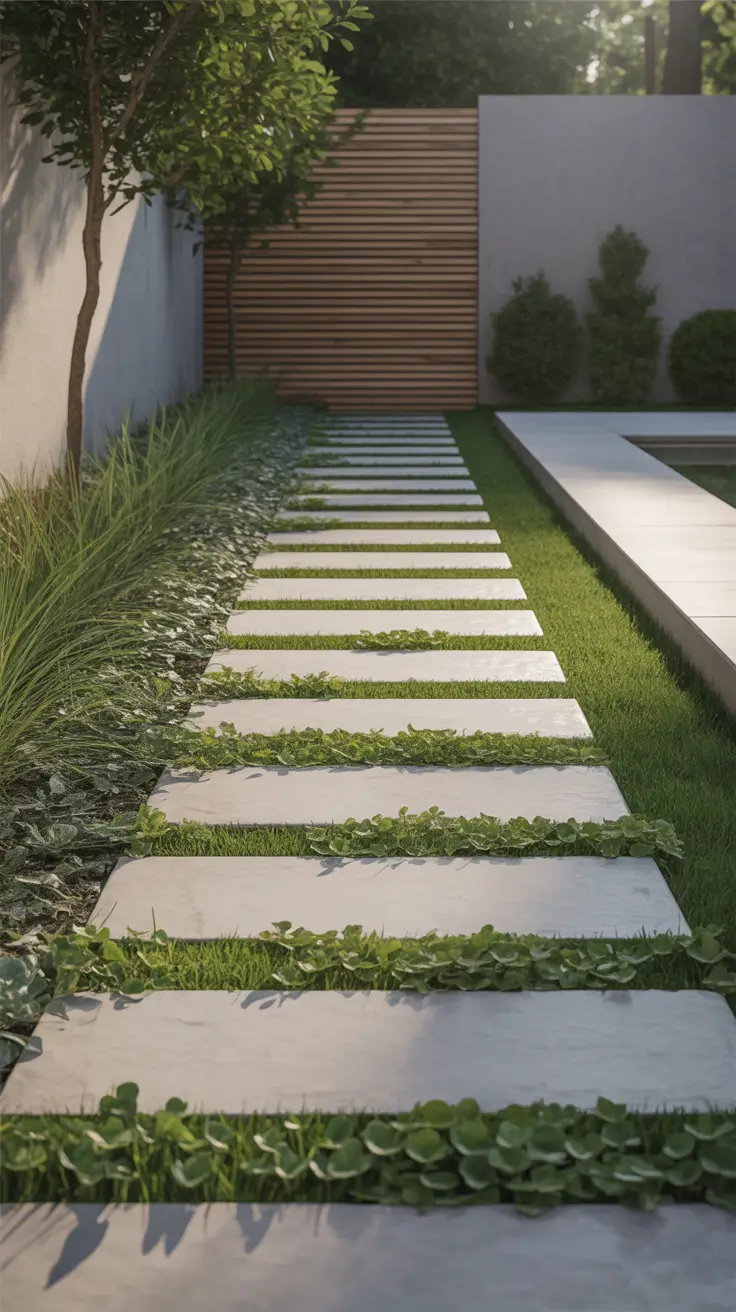
In my designs, I prefer large-format stone or concrete pavers with clean edges. These are spaced evenly to allow clover to grow between them, forming a seamless integration. This approach not only enhances aesthetics but also improves accessibility and durability.
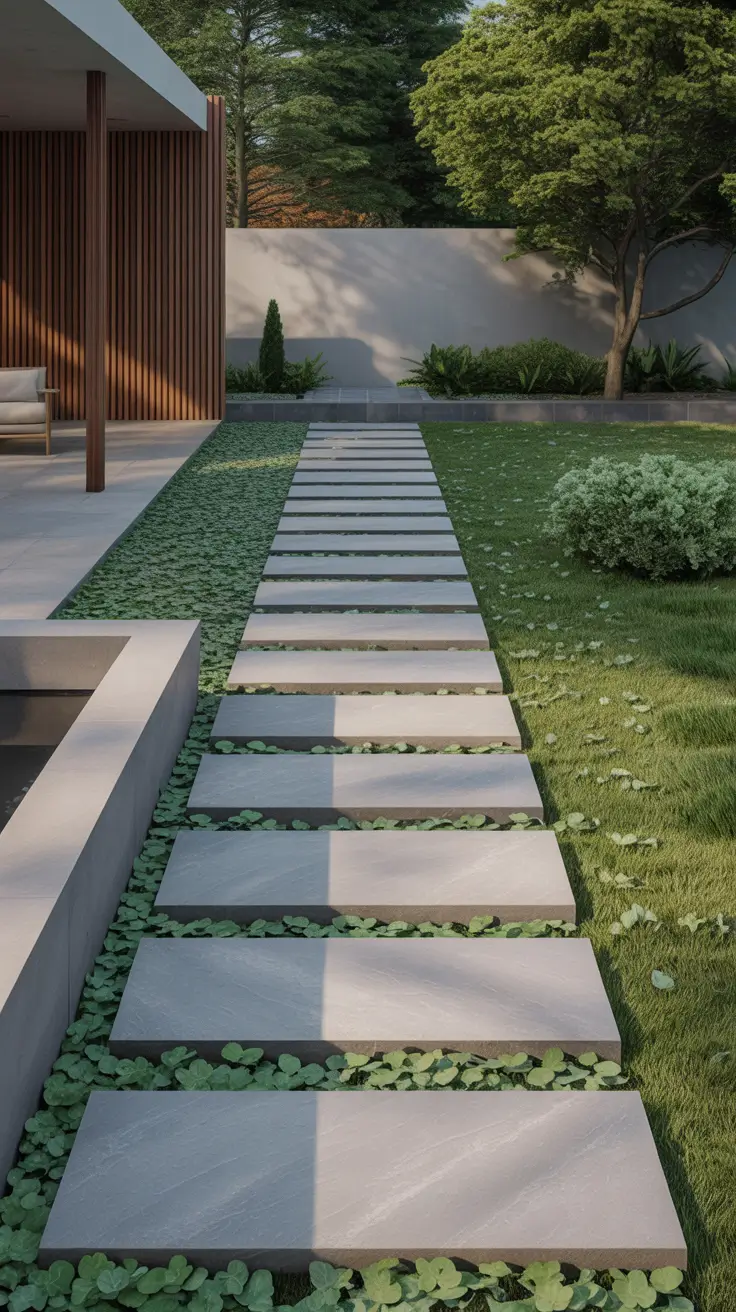
From my experience, this combination is one of the most practical clover lawn ideas. It reduces wear on the lawn while guiding movement through the space. Many modern landscape designers emphasize this blend of hardscape and softscape as a key trend.
I would expand this concept by suggesting variations in paver materials. Mixing textures such as gravel, wood, or concrete can add depth and visual interest.
Clover Lawn Planting Ideas for Easy DIY Landscaping
When it comes to clover lawn planting, I always aim for simplicity and efficiency. Clover lawn how to grow successfully starts with proper soil preparation and seed selection. I recommend choosing white dutch or micro clover for even coverage and easy maintenance.
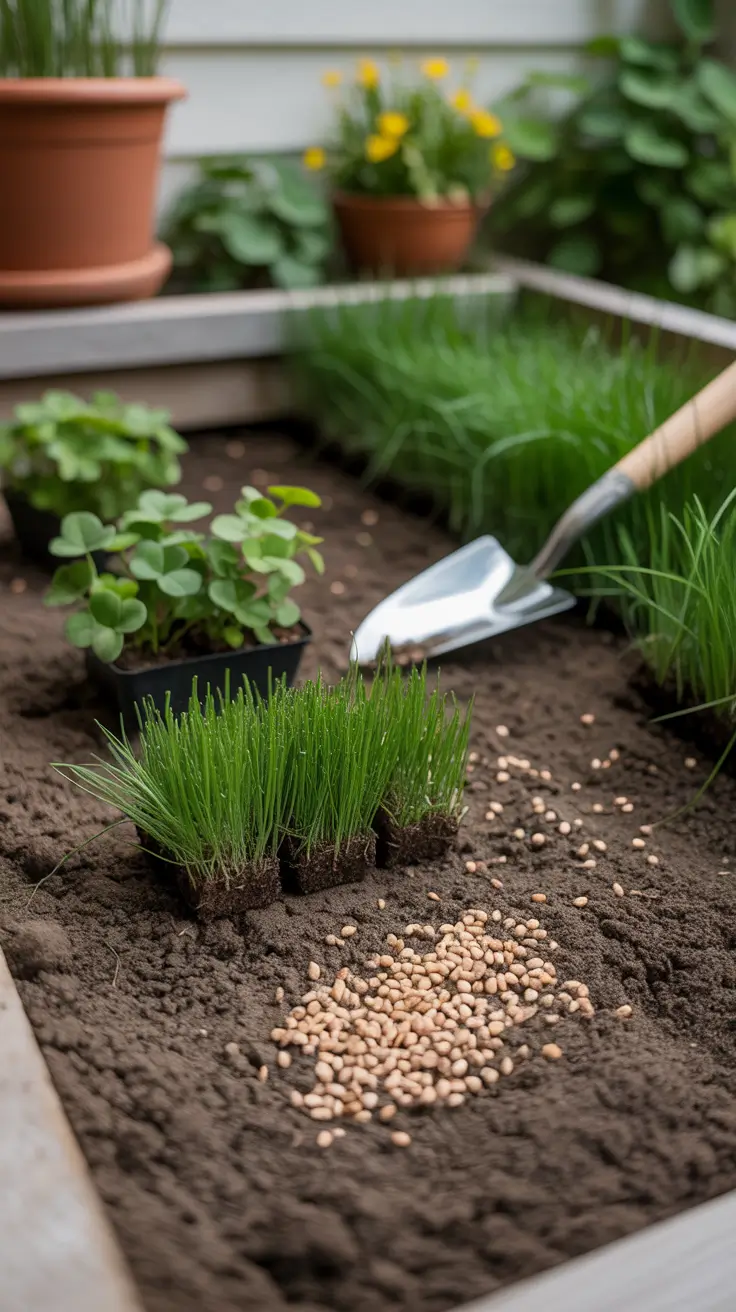
I usually advise spreading seeds evenly and lightly raking them into the soil. Watering consistently during the initial weeks is essential for successful germination. For DIY projects, I suggest starting with smaller sections before expanding across the entire garden.
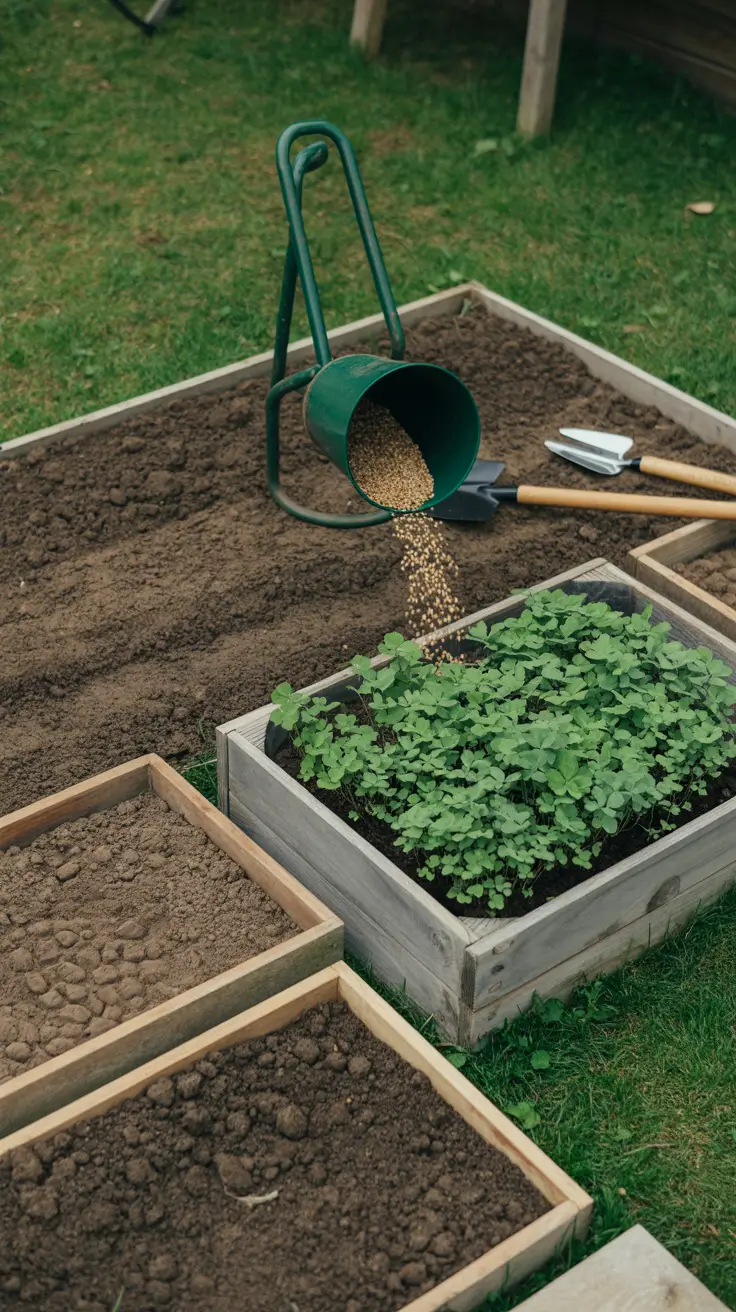
In my experience, clover is one of the easiest options for homeowners looking to transform their outdoor space. It establishes quickly and requires minimal ongoing care, which makes it ideal for beginners.
What I would add here is a clear timeline. Including a week-by-week planting and growing schedule would help readers better manage expectations and results.
Clover Lawn Growing Tips for a Lush Green Finish
To achieve a lush clover lawn, I focus on consistent growing conditions and proper maintenance. Clover lawn growing requires less intervention than traditional grass, but attention to soil quality and moisture is still important.
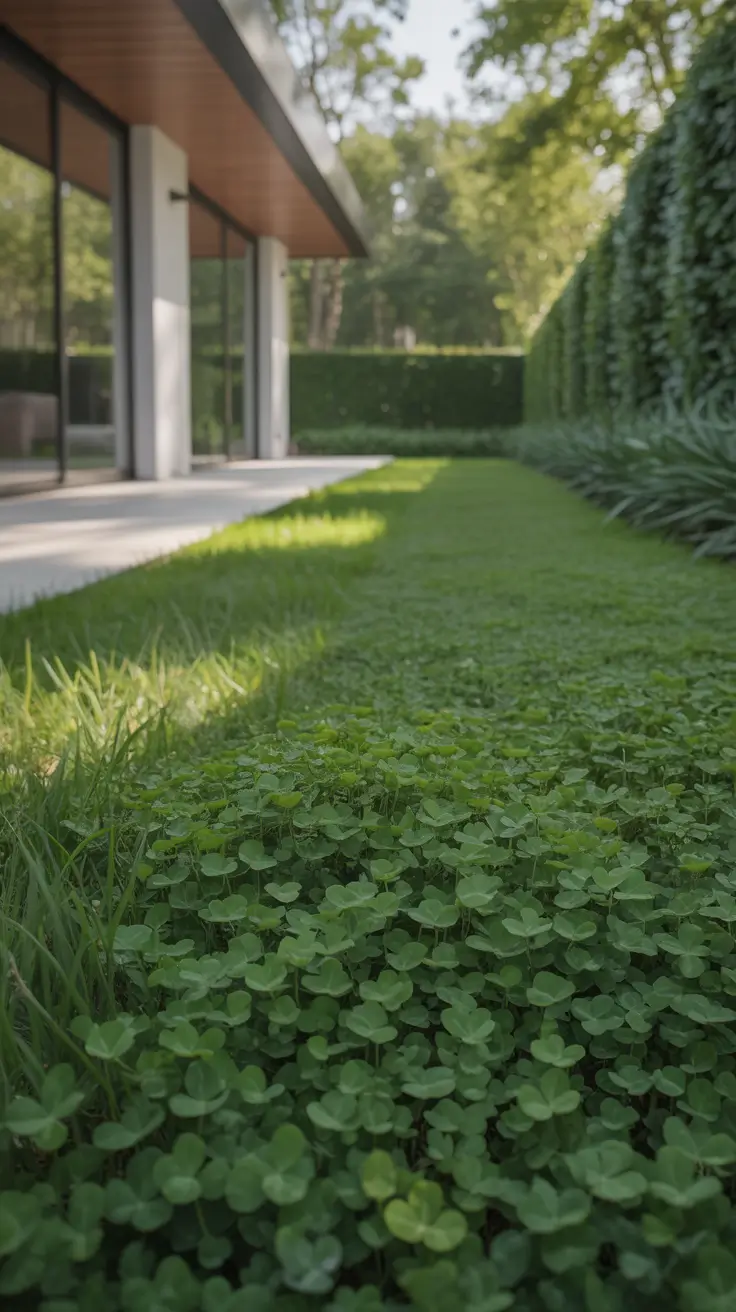
I recommend occasional mowing to maintain an even height and encourage denser growth. Fertilization is rarely needed, as clover naturally fixes nitrogen in the soil. However, I do suggest monitoring for weeds during the early stages.
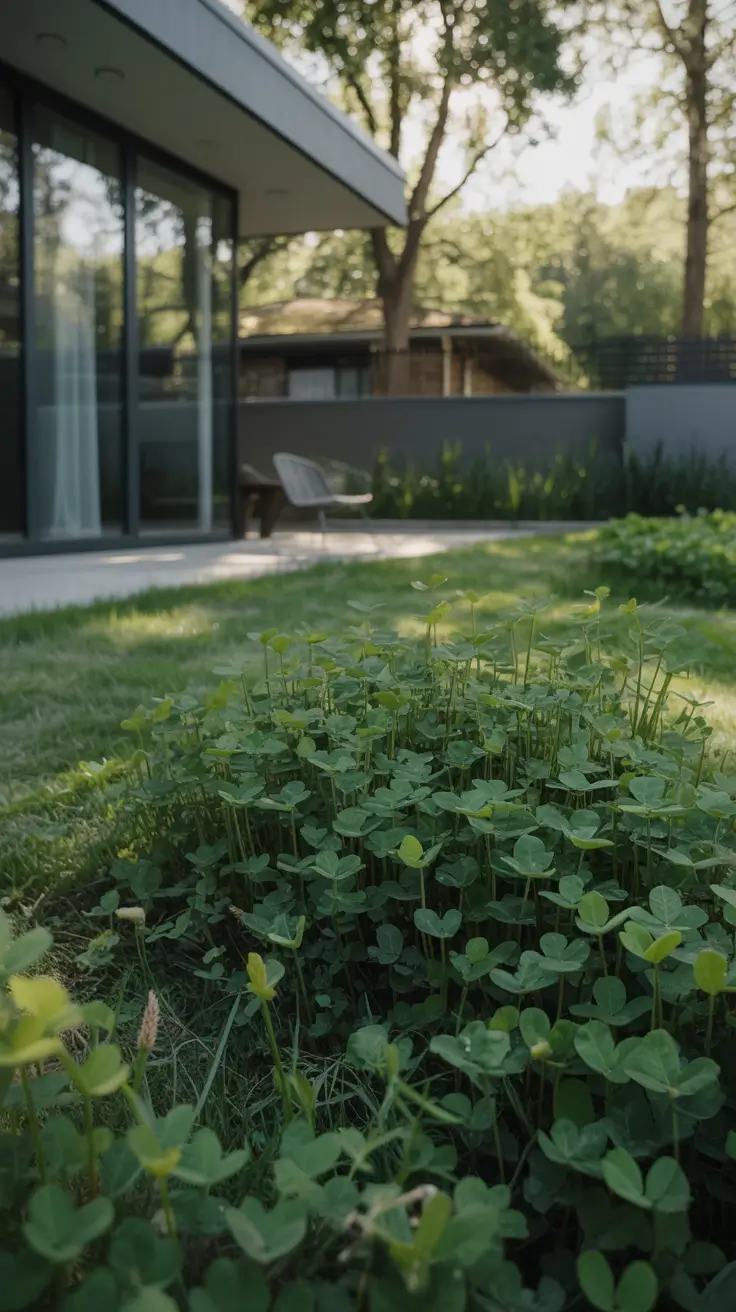
From my perspective, the key to a successful clover lawn is patience. Growth may appear uneven at first, but it typically fills in over time. Many experts emphasize that low-maintenance landscapes still require thoughtful planning, and I fully agree.
I would improve this section by adding seasonal care tips. Guidance for winter preparation and spring revival would make the information more complete.