The garden barbecue area 2026 is no longer just a place to cook food outdoors. It is becoming a fully designed living space where garden barbecue area design, comfort, and social interaction come together. Many homeowners in the UK and beyond are asking how to plan a garden barbecue area modern enough for daily use, flexible enough for entertaining, and practical enough for all seasons. In this article, I explore how the garden with barbecue area is evolving, which ideas truly work in real gardens, and how thoughtful planning can turn the barbecue area garden into the heart of outdoor living.
Why the Garden Barbecue Area Becomes the Heart of the Garden in 2026
In 2026, I see the garden barbecue area becoming the main gathering point because it combines cooking, relaxation, and conversation in one cohesive outdoor environment. The focus is no longer on a standalone grill, but on a complete garden barbecue area plan that integrates seating, lighting, and weather protection. This shift reflects how people now use their gardens as extensions of their homes, especially in the UK where outdoor space is valued but often limited.
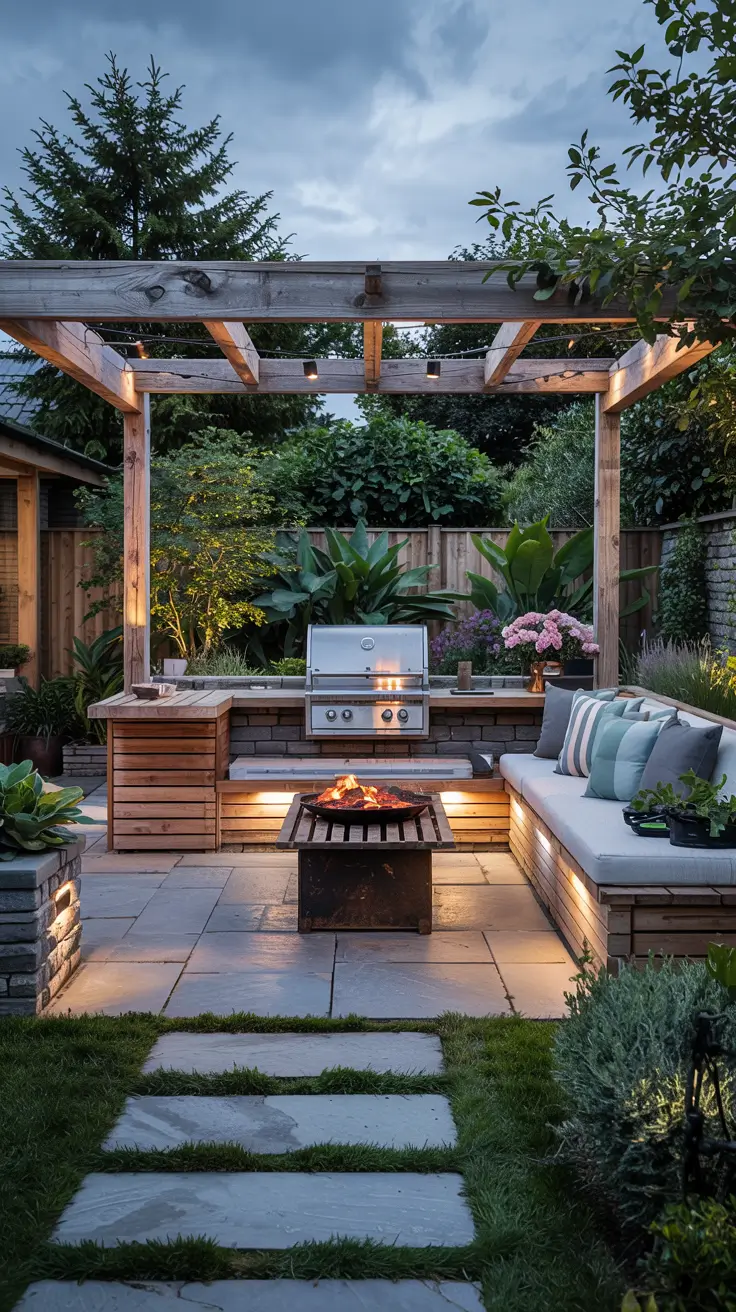
From a design perspective, I prioritize a clear layout that places the barbecue area garden close enough to the house for convenience, yet far enough to feel like a retreat. Built-in benches, weather resistant sofas, and defined flooring zones help create a sense of structure. Materials like wood, stone, and concrete are chosen not just for style, but for durability and easy maintenance.
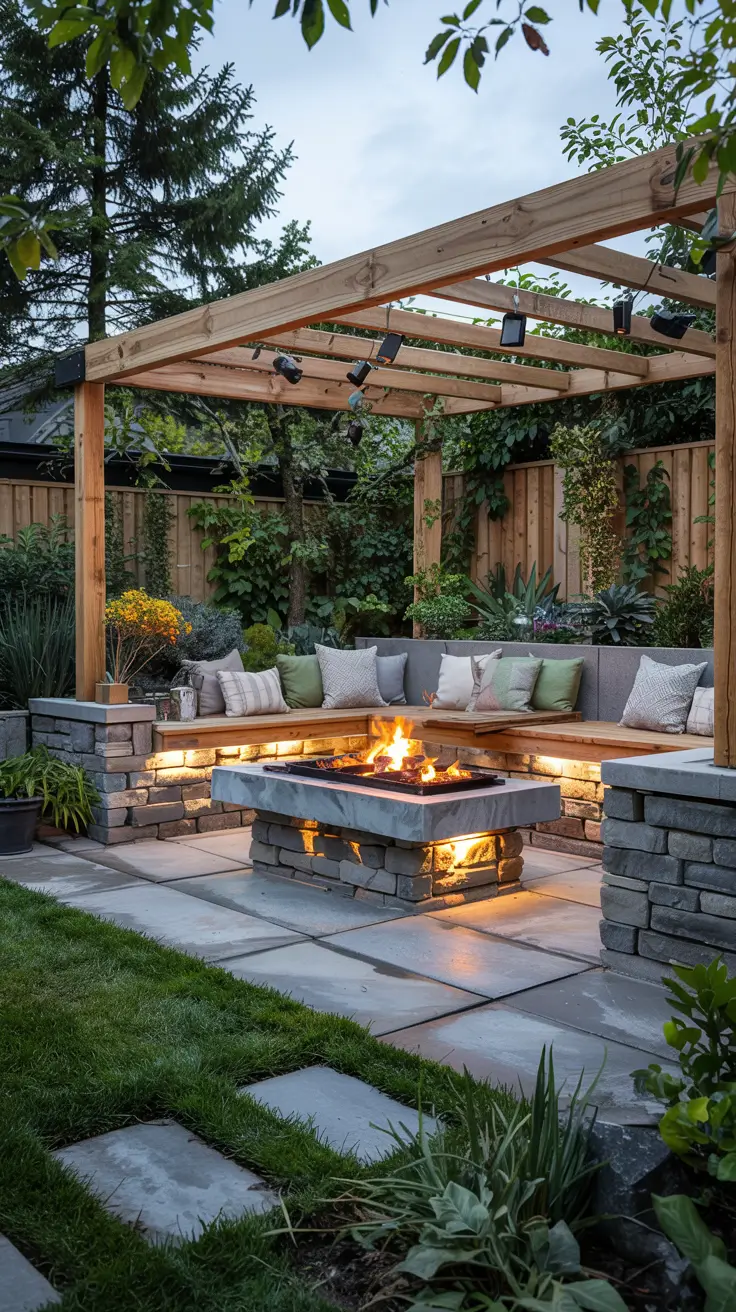
In my experience, designers often emphasize that the heart of any successful outdoor space is flow. Well-known outdoor living experts frequently highlight the importance of creating natural movement between cooking, dining, and lounging areas. I fully agree, as I have seen how a thoughtful layout encourages people to stay longer and use the space more often.
What I would add to this section is a stronger focus on lighting design. Subtle LED lighting under benches, along pathways, and around the barbecue area ensures that the space remains welcoming and safe after sunset.
Garden With Barbecue Area as a Key Outdoor Living Trend
The garden with barbecue area has become a defining outdoor living trend because it supports everyday living rather than occasional use. I approach this concept by treating the garden barbecue area as an outdoor room, complete with zones for cooking, dining, and relaxing. This approach reflects the modern lifestyle where informal gatherings and spontaneous meals are more common.
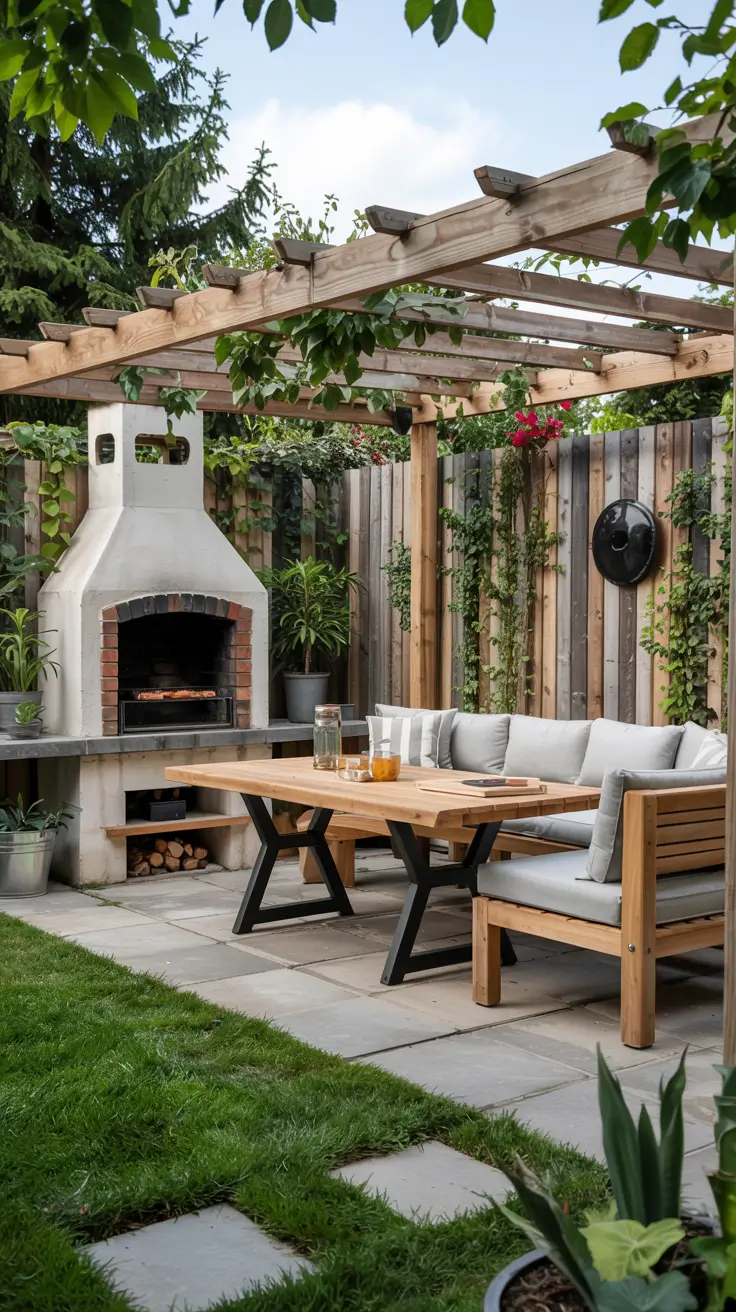
Furniture selection plays a major role here. I recommend modular seating that can be rearranged, a solid dining table made of wood or composite materials, and storage units that keep cooking tools organized. Including a pergola or partial roof adds comfort and allows the space to be used in varying weather conditions.
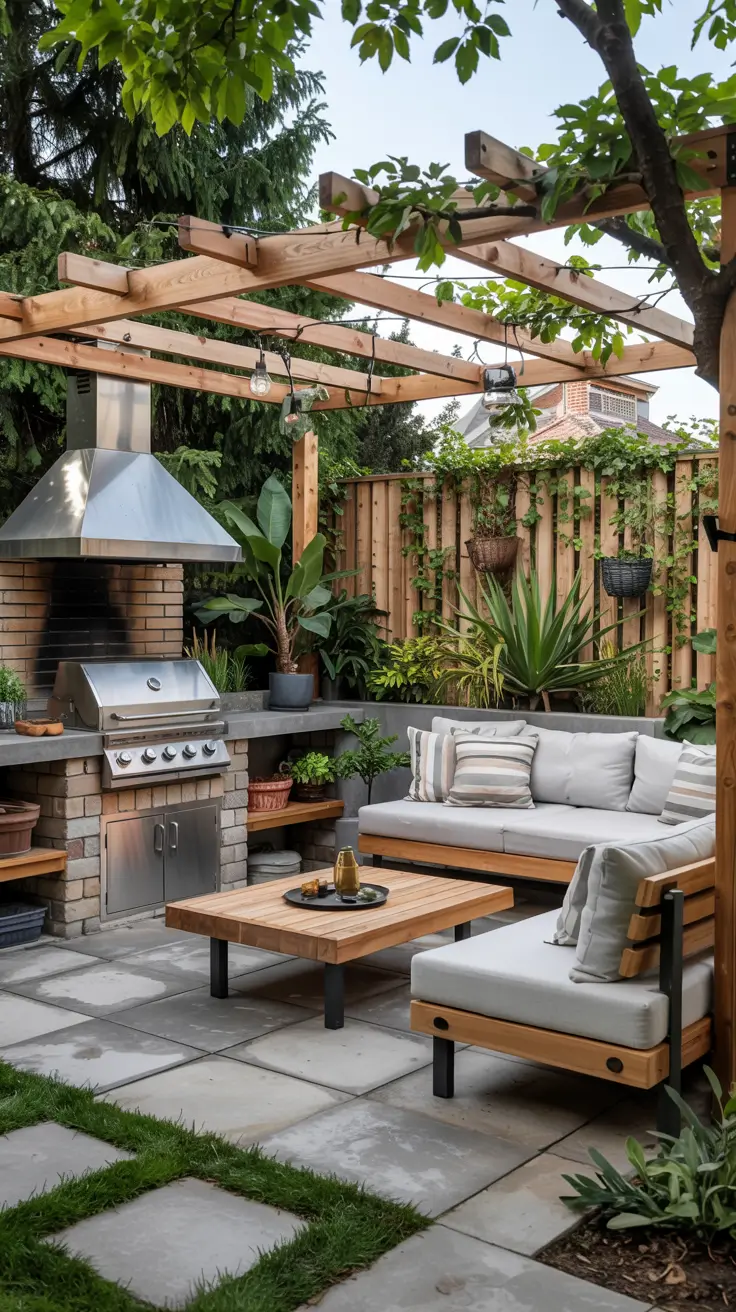
From my professional point of view, the success of this trend lies in its flexibility. Many interior and exterior design professionals in the US note that outdoor spaces should adapt to different uses throughout the day. I have found that combining comfortable seating with practical cooking surfaces achieves this balance effectively.
To strengthen this section, I would include guidance on integrating greenery. Planters, vertical gardens, or surrounding shrubs soften the design and help the barbecue area blend naturally into the garden.
Barbecue Area Garden Layouts That Combine Comfort and Style
When designing barbecue area garden layouts, I focus on comfort and style working together rather than competing. A well-planned layout ensures that the cook is not isolated from guests and that seating areas feel inviting rather than cramped. In 2026, open layouts with clear sightlines are especially popular.
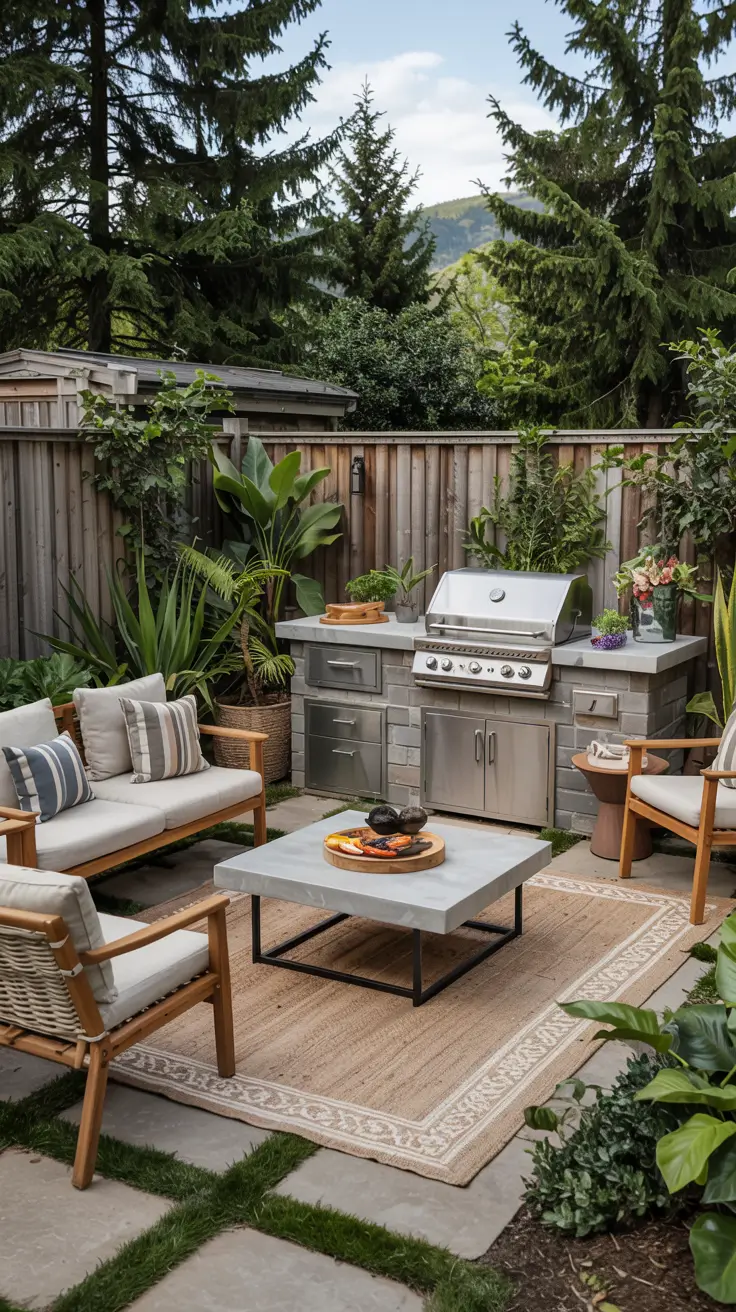
I usually include a central barbecue or bbq island, surrounded by a mix of dining chairs and lounge seating. Low coffee tables, outdoor rugs, and cushions add comfort while maintaining a modern look. Choosing neutral colors with natural wood accents helps the space feel cohesive and timeless.
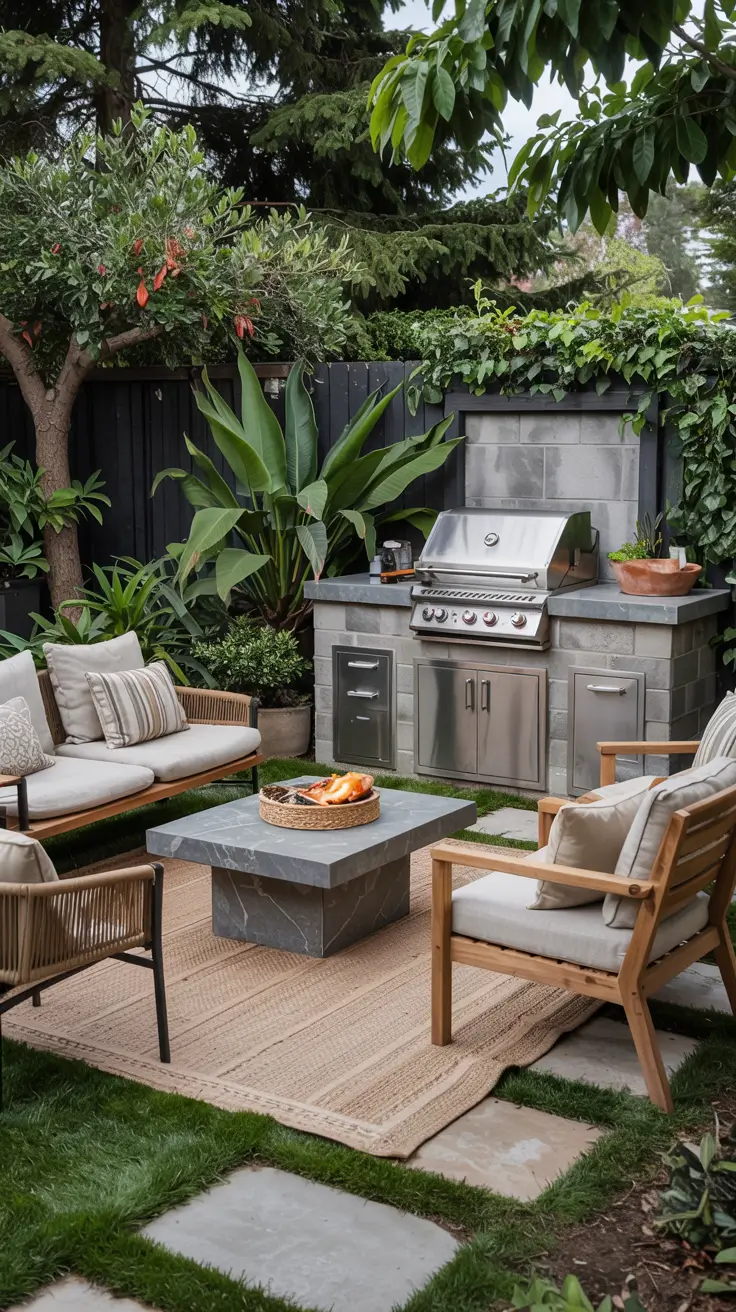
Personally, I have seen that homeowners appreciate layouts that feel intuitive. Design publications often stress that outdoor spaces should feel as comfortable as indoor ones, and I apply this principle by mirroring indoor furniture proportions and spacing.
What is often missing in these layouts is adequate storage. I always recommend adding built-in cabinets or benches with hidden storage to keep the area tidy and functional.
Garden Barbecue Area Design Trends Shaping 2026
Garden barbecue area design in 2026 is shaped by simplicity, sustainability, and technology. I focus on clean lines, natural materials, and integrated features that reduce visual clutter. The goal is to create a modern outdoor space that feels calm and intentional.
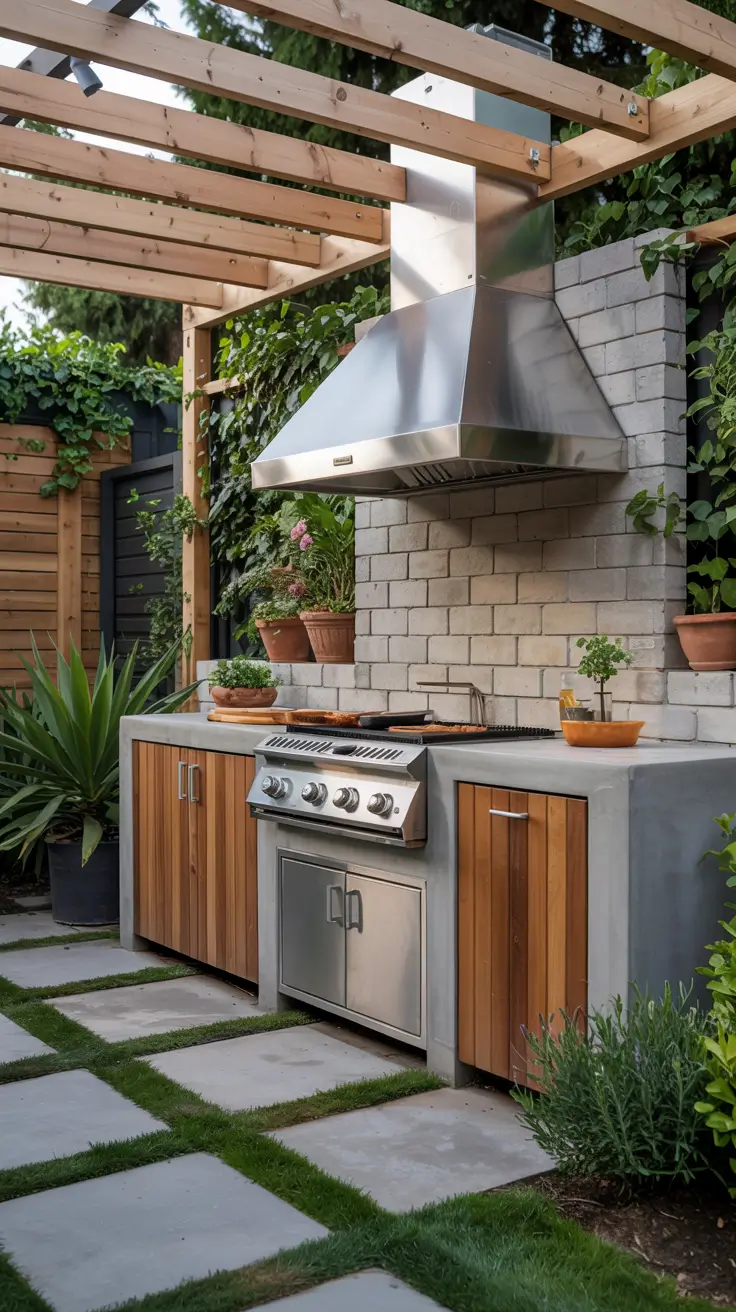
Key design elements include wood finishes, concrete countertops, and matte metal details. Smart lighting and weather resistant appliances are increasingly common, making the garden barbecue area modern and efficient. These features support frequent use without constant maintenance.
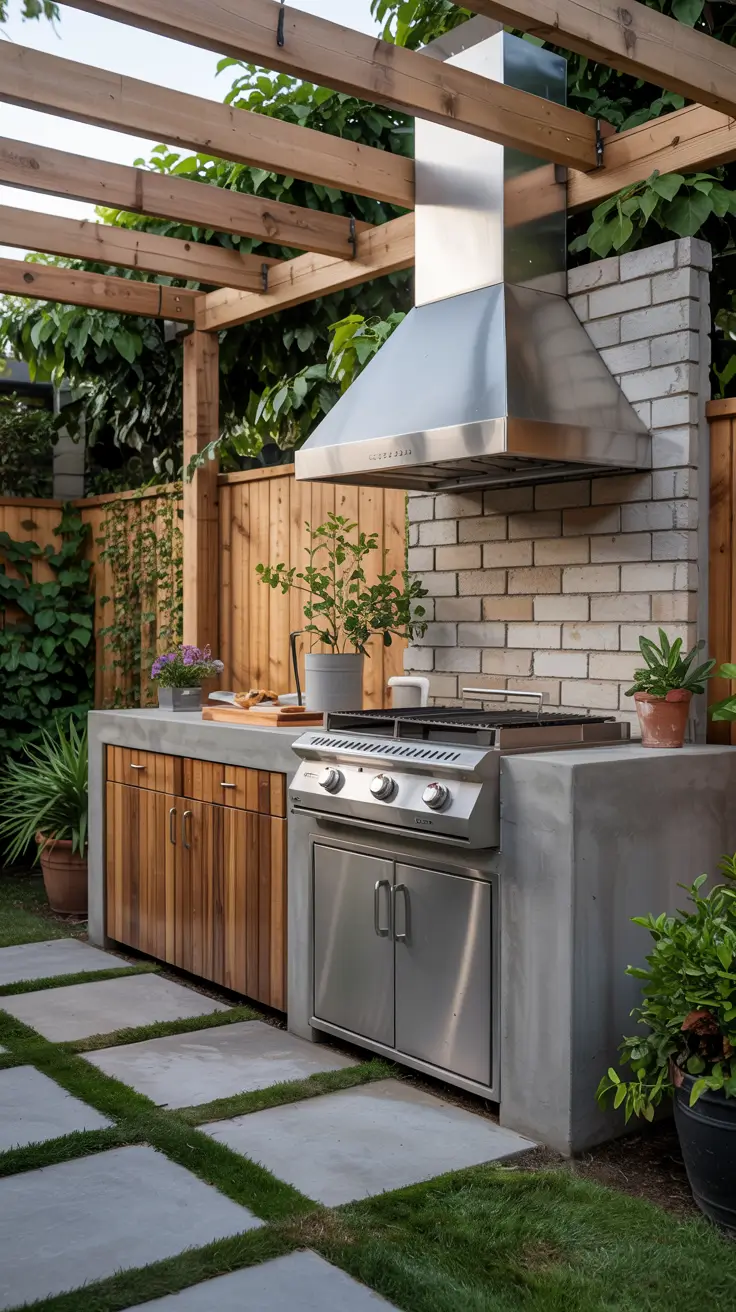
From my experience, many designers now recommend investing in fewer but higher quality elements. This advice aligns with what I see in leading design media, where longevity and sustainability are emphasized over short-lived trends.
To complete this section, I would add more detail on eco-friendly choices, such as reclaimed wood or energy efficient outdoor lighting, which are becoming essential considerations.
Modern Garden Barbecue Area Concepts for Contemporary Homes
Modern garden barbecue area concepts focus on minimalism and functionality. I design these spaces with a strong emphasis on geometry and balance, ensuring that every element serves a purpose. This approach suits contemporary homes where outdoor and indoor aesthetics are closely connected.
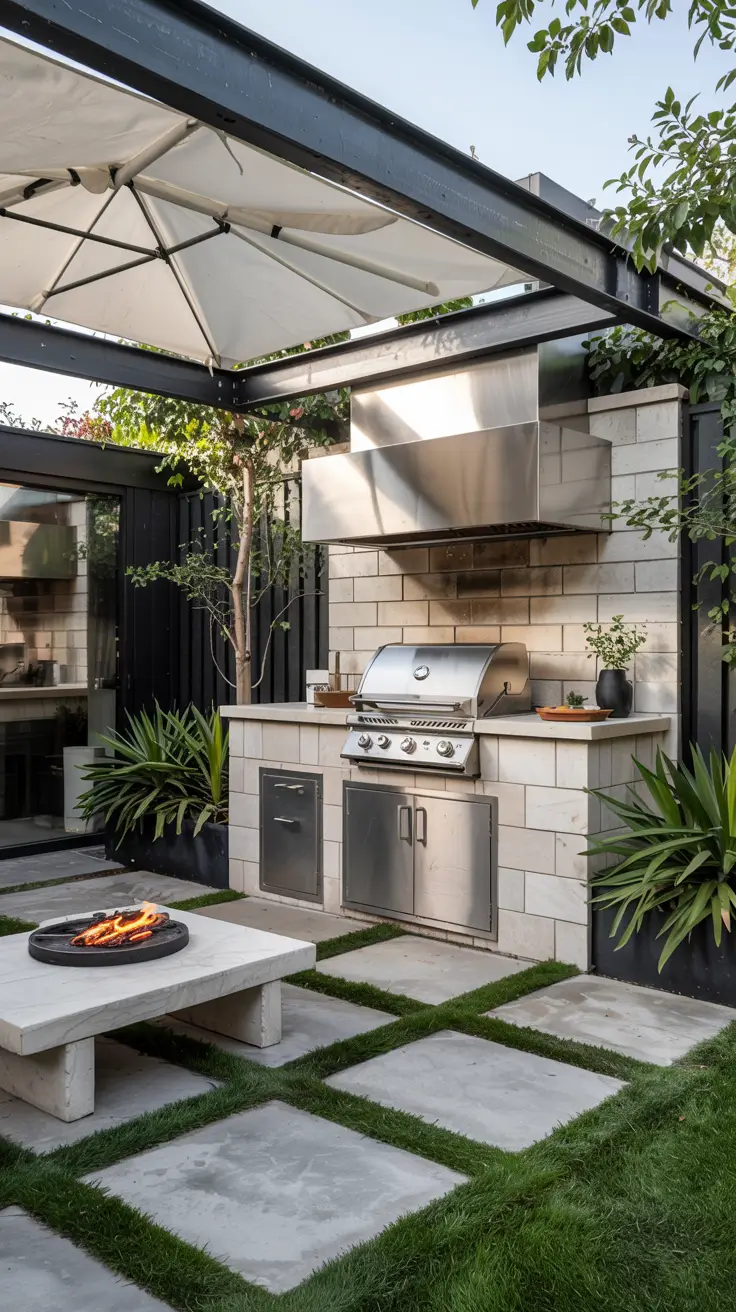
Furniture in these spaces is usually low profile, with clean silhouettes and neutral tones. A bbq island with integrated appliances acts as the focal point, while subtle decor such as planters or sculptural lighting adds character without overwhelming the design.
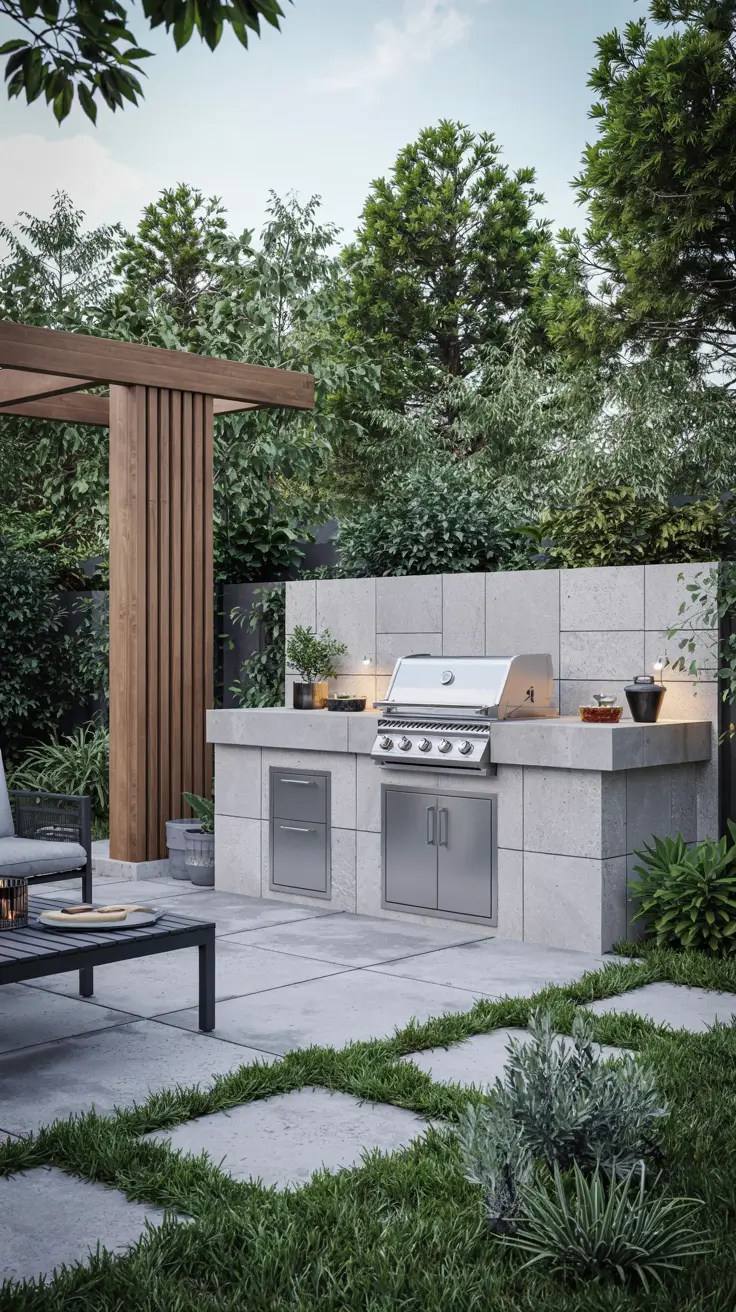
In my professional practice, I have found that simplicity makes maintenance easier and use more enjoyable. Designers often advise avoiding overcrowding, and I agree that restraint leads to more elegant and usable spaces.
What I would add here is guidance on acoustics. Incorporating soft materials like cushions and wooden surfaces can reduce noise and make conversations more comfortable.
Creative Garden Barbecue Area Ideas for All Garden Sizes
Creative garden barbecue area ideas are essential when working with different garden sizes. I approach small gardens by maximizing vertical space and using compact furniture, while larger gardens allow for more expansive layouts and multiple zones.
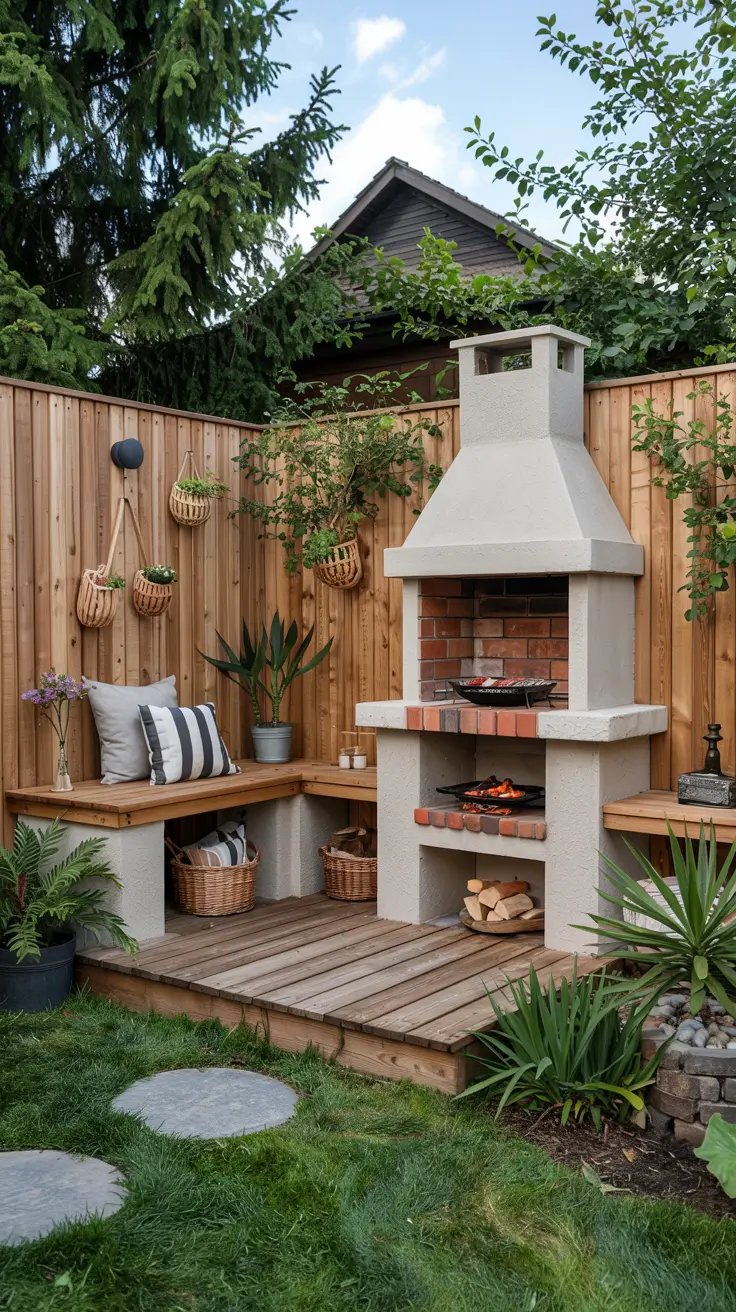
In smaller spaces, foldable tables, built-in seating, and slim bbq islands work well. For larger gardens, I often include separate lounging and dining areas connected by pathways or decking. Wood elements help unify the design regardless of scale.
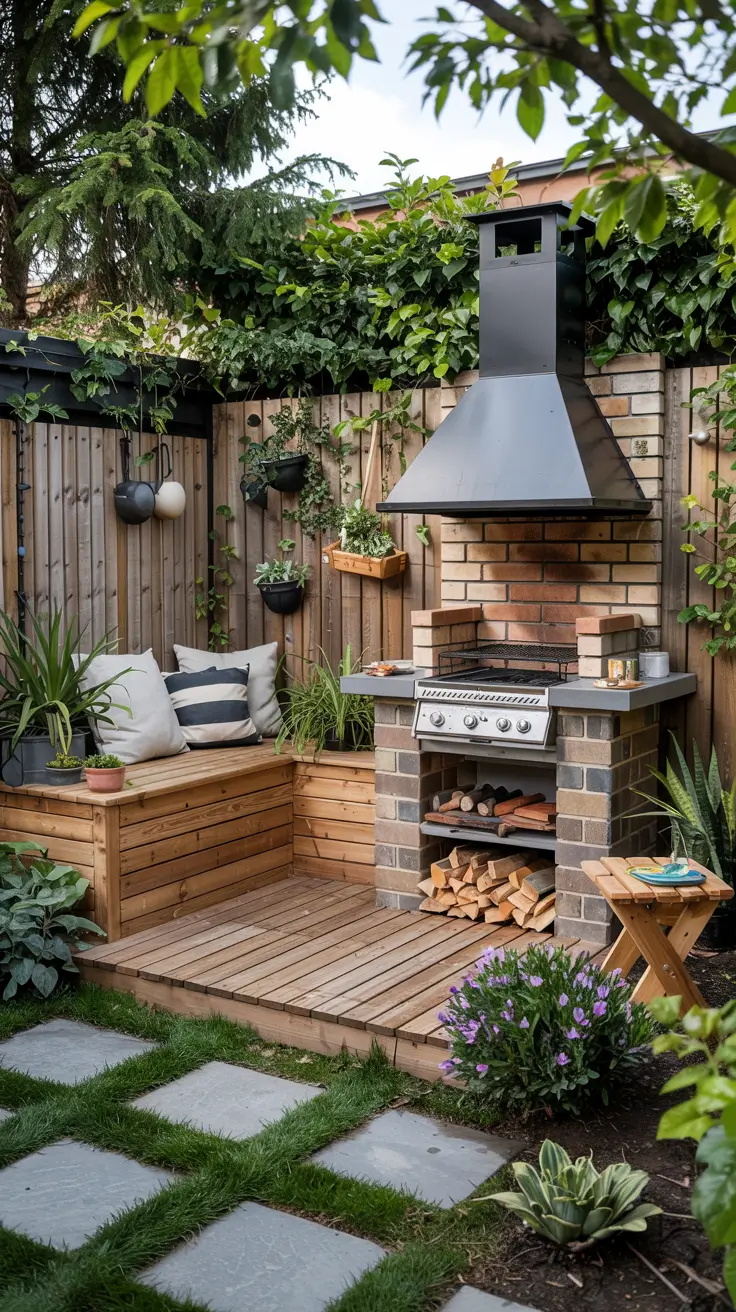
From my experience, creativity comes from understanding how people will actually use the space. Many professionals suggest designing for real habits rather than ideal scenarios, and I always apply this advice to ensure practicality.
To enhance this section, I would include tips on zoning with flooring materials, which helps visually organize the space without adding walls or barriers.
Garden Barbecue Area Plan for Functional and Stylish Outdoor Cooking
A strong garden barbecue area plan is the foundation of successful outdoor cooking. I begin by assessing access, wind direction, and proximity to indoor kitchens. This planning stage ensures that the barbecue area is both safe and convenient.
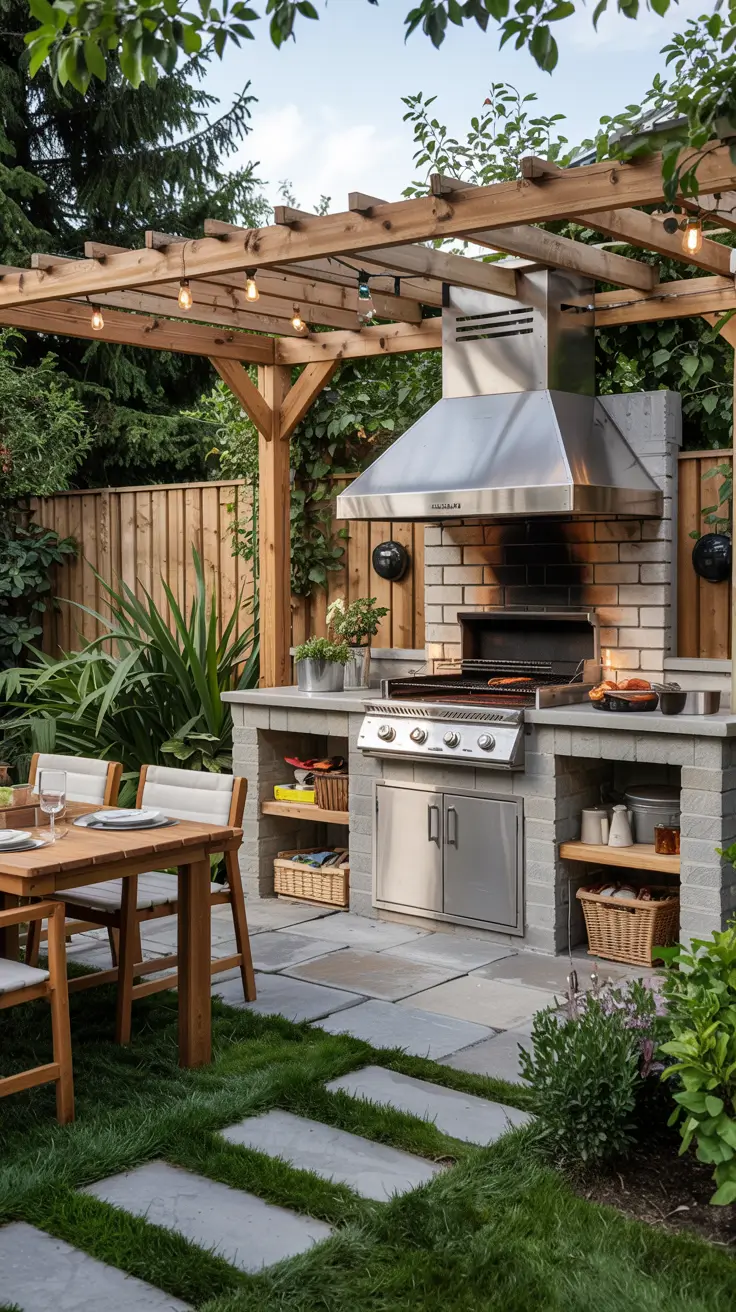
Essential components include a dedicated cooking zone, preparation surfaces, and nearby seating. A bbq island often combines these functions, making it ideal for entertaining. Storage, lighting, and electrical outlets should be planned from the start to avoid later adjustments.
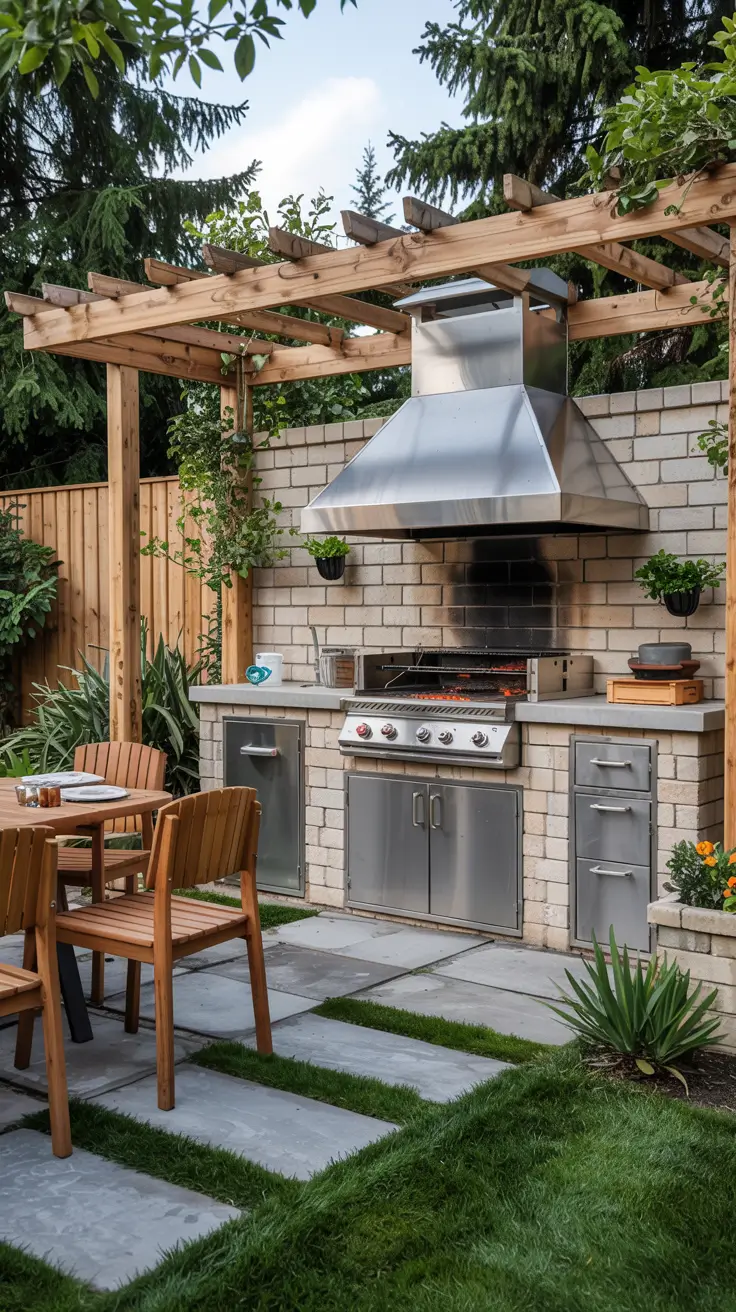
In my opinion, planning is where many projects succeed or fail. Experienced designers consistently emphasize the importance of detailed planning, and I have seen how it prevents costly mistakes and improves daily use.
What I would add is a checklist approach. Including a clear list of must-have features helps homeowners stay focused and make informed decisions during the design process.
Garden Barbecue Area Pergola Designs for All-Season Use
When I design a garden barbecue area pergola for 2026, I treat it as a structural element that defines the space and extends its usability throughout the year. A pergola creates a sense of enclosure without fully closing off the garden, which is especially important in the UK climate. It allows the barbecue area garden to remain open and airy while offering protection from sun and light rain.
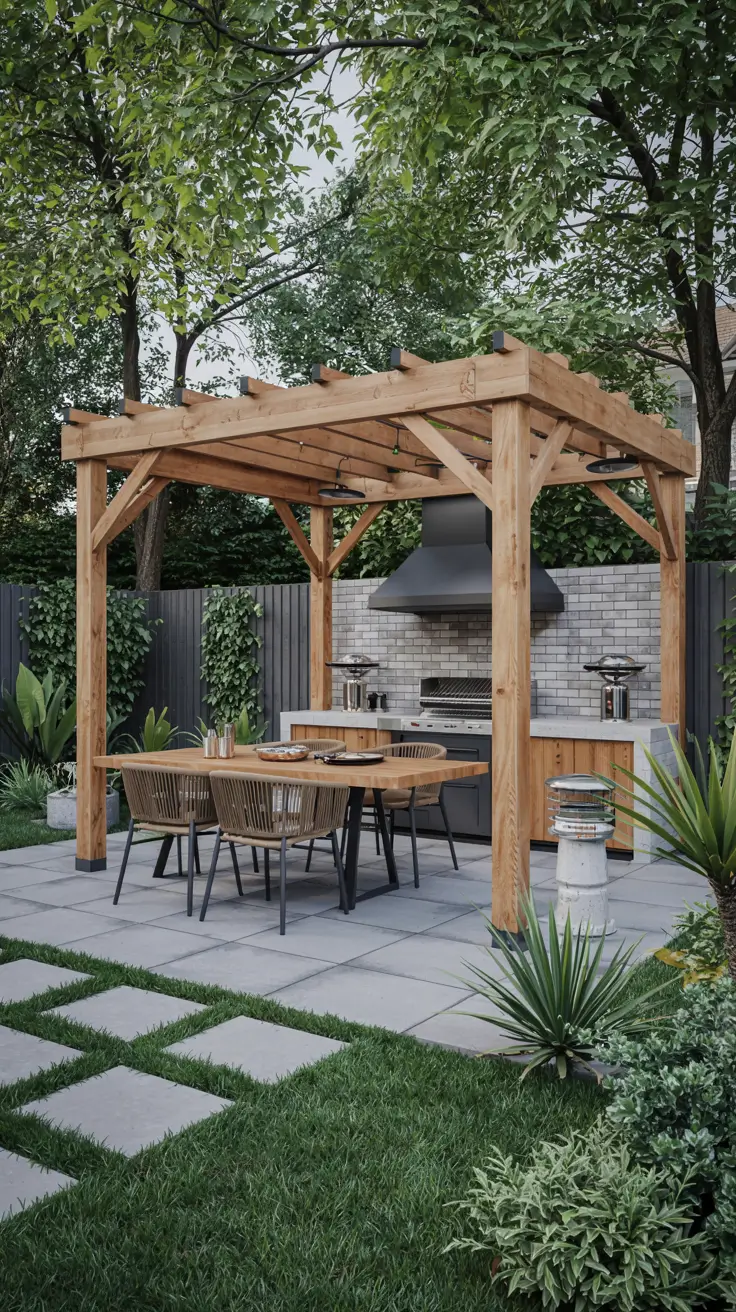
I usually recommend pergolas made from treated wood or aluminum with integrated louvers or retractable canopies. Adding side panels, outdoor curtains, or adjustable screens increases comfort and privacy. Beneath the pergola, I include weather resistant seating, a solid dining table, and subtle lighting to support evening use.
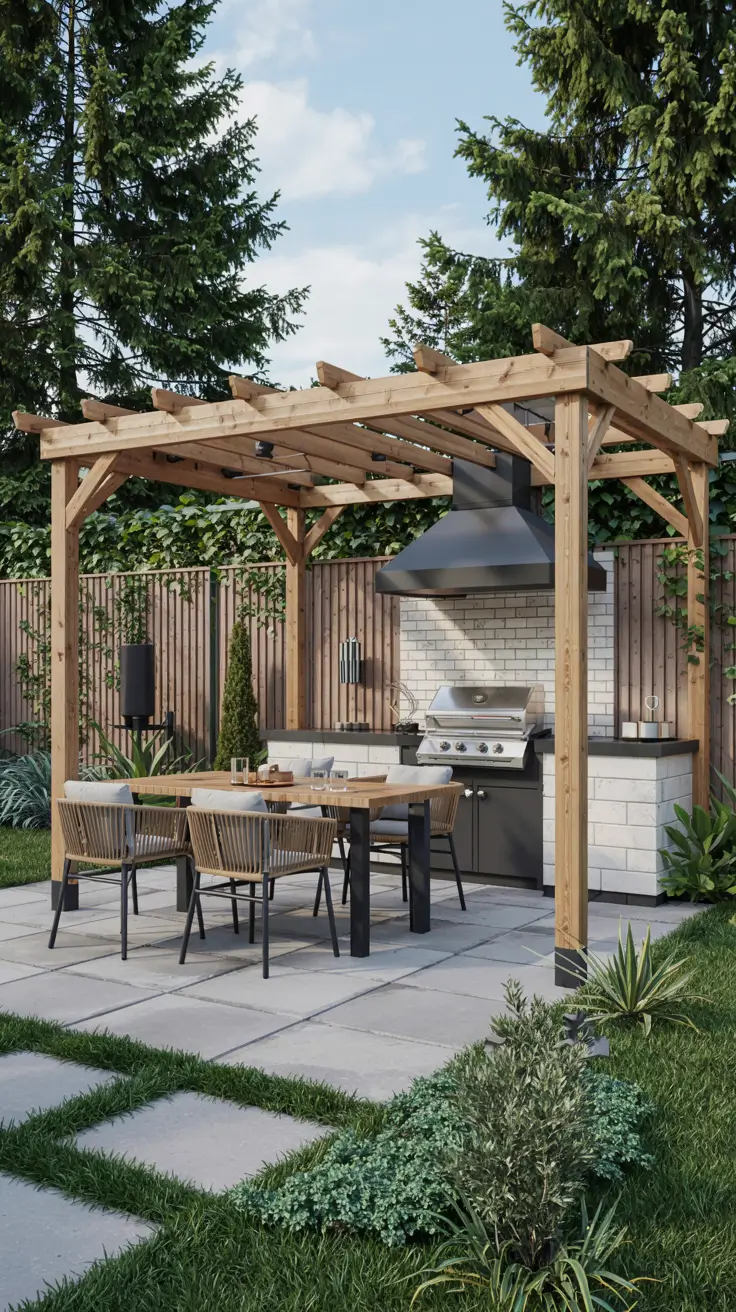
From my professional experience, many outdoor living specialists emphasize that a pergola should be designed as part of the overall garden barbecue area plan, not added later. I agree, as integrating it early ensures proper proportions, drainage, and lighting placement.
What I would add to this section is advice on heating solutions. Infrared heaters or integrated fire features make the pergola usable even in cooler months.
Pergola and Barbecue Area Combinations That Enhance Outdoor Living
Combining a pergola with a barbecue area creates a cohesive outdoor living zone that feels intentional and comfortable. I see this combination as one of the strongest garden barbecue area ideas for 2026, as it visually anchors the cooking space while encouraging longer gatherings.
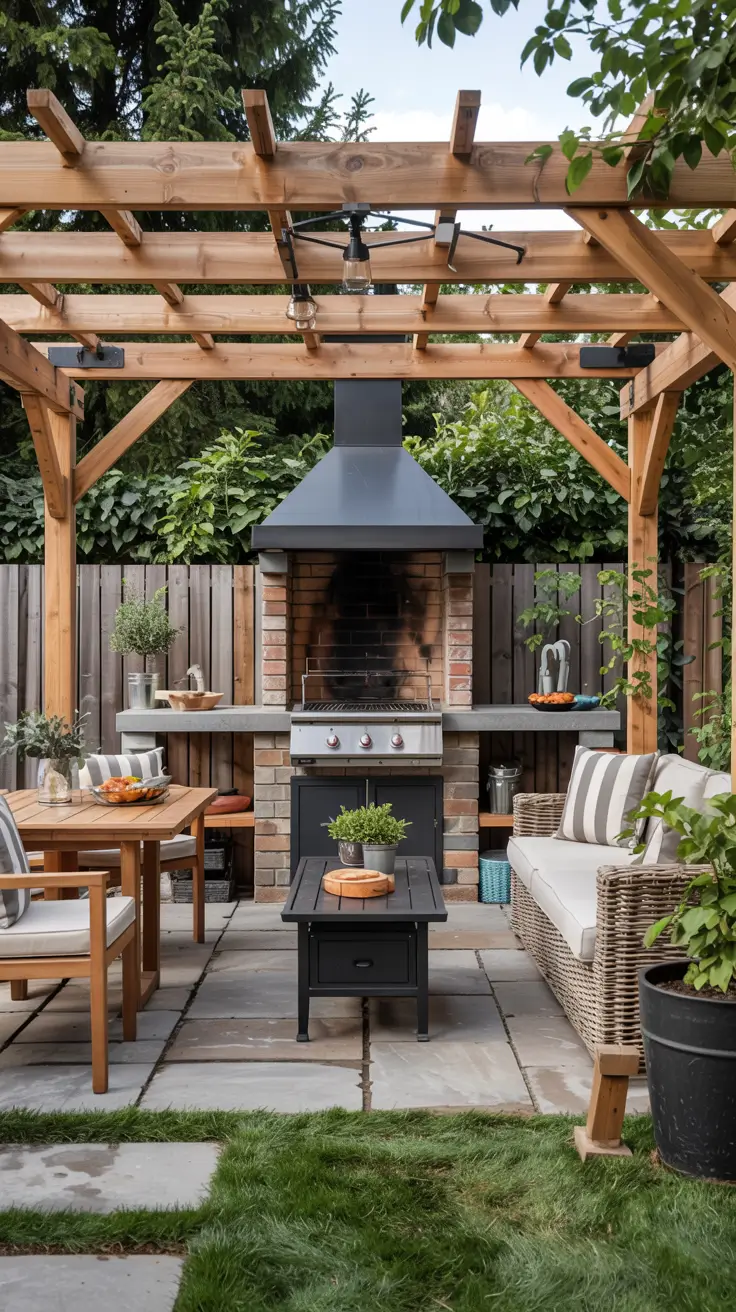
In these designs, I place the barbecue or bbq island under the pergola, with seating arranged to maintain clear circulation. Wood beams, slatted roofs, and integrated lighting enhance the modern aesthetic. Accessories like outdoor rugs and planters help soften the structure and connect it to the surrounding garden.
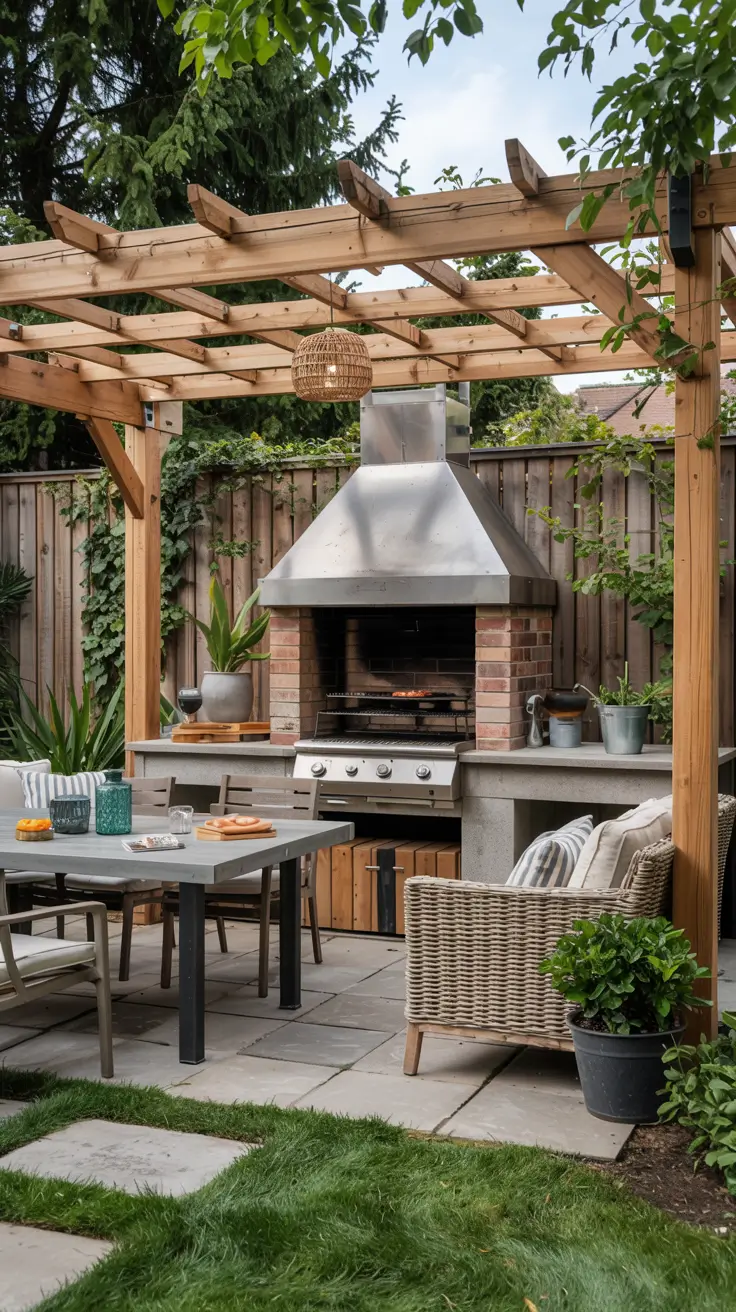
Personally, I find that pergola and barbecue area combinations work best when they echo the architectural style of the house. Many designers recommend this approach to maintain visual harmony, and I consistently see better results when this principle is applied.
To improve this section, I would include guidance on spacing. Ensuring enough clearance around the grill is essential for safety and comfort.
Garden Barbecue Area Outdoor Fireplaces as a Social Focal Point
Garden barbecue area outdoor fireplaces are becoming central social features rather than secondary additions. In 2026, I design these fireplaces to act as visual anchors that draw people together, transforming the barbecue area garden into a year-round gathering spot.
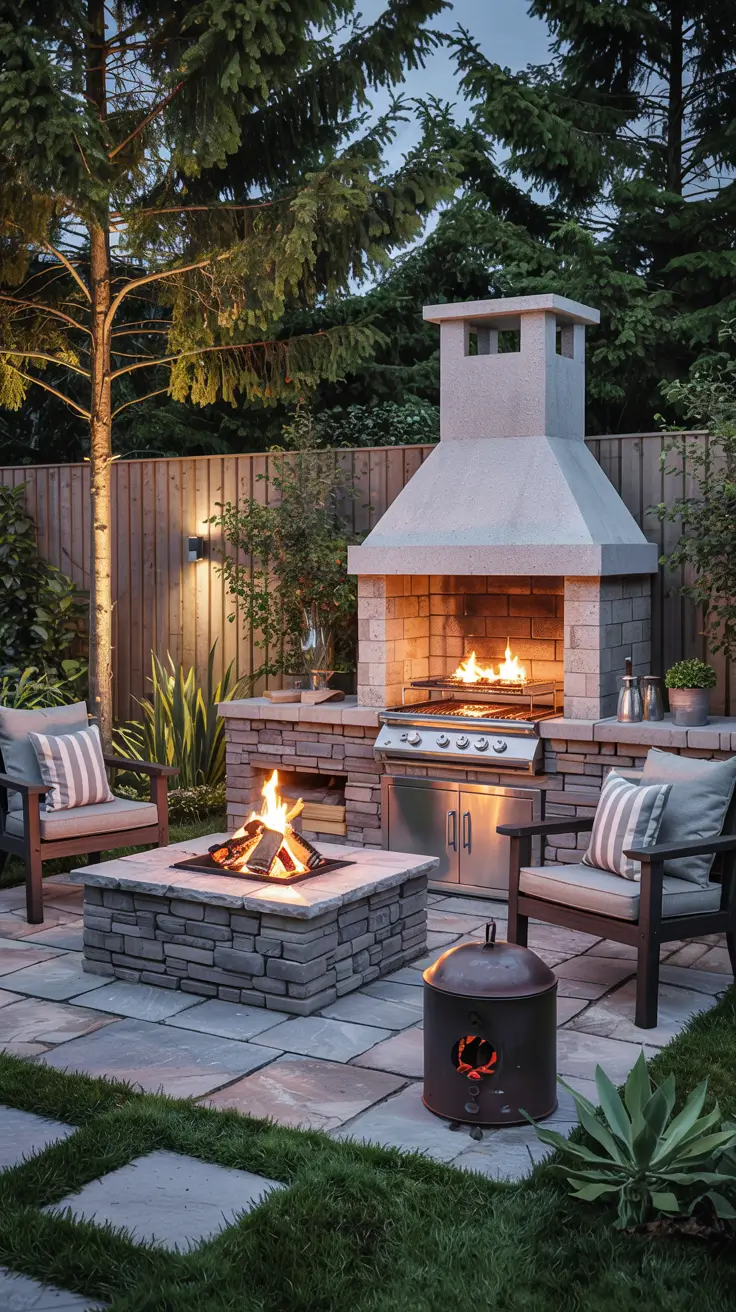
I often place outdoor fireplaces opposite or adjacent to the bbq island, creating balance within the layout. Materials like stone, concrete, and fire rated brick provide durability and a modern look. Seating is arranged to face both the fireplace and the cooking area, supporting conversation and interaction.
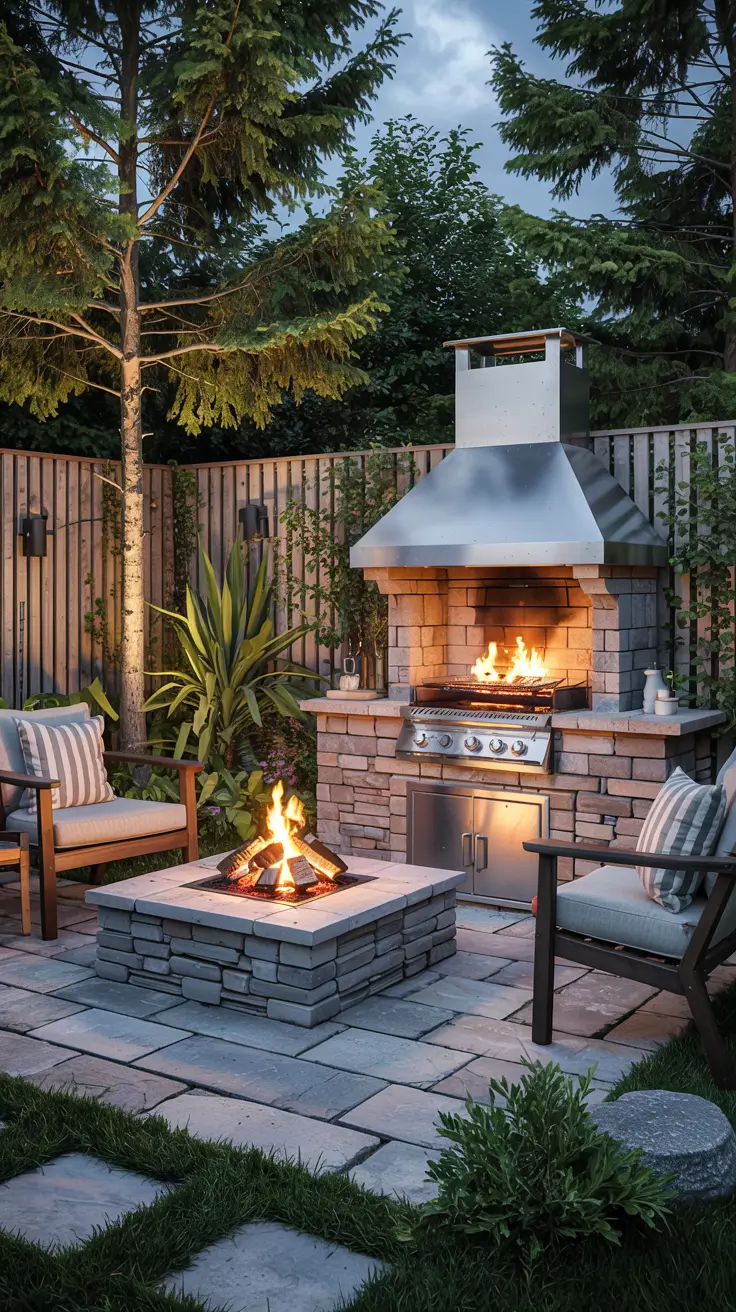
From my experience, outdoor living experts frequently highlight fire features as elements that extend seasonal use. I agree, as fireplaces add warmth, atmosphere, and a sense of comfort that encourages people to linger.
What is sometimes missing is proper integration with lighting. I recommend combining firelight with soft ambient lighting to avoid harsh contrasts after dark.
Outdoor Fireplaces That Elevate the Garden Barbecue Experience
Outdoor fireplaces elevate the garden barbecue experience by adding emotional warmth and visual depth. I design these features not just as heat sources, but as sculptural elements that enhance the overall garden barbecue area design.
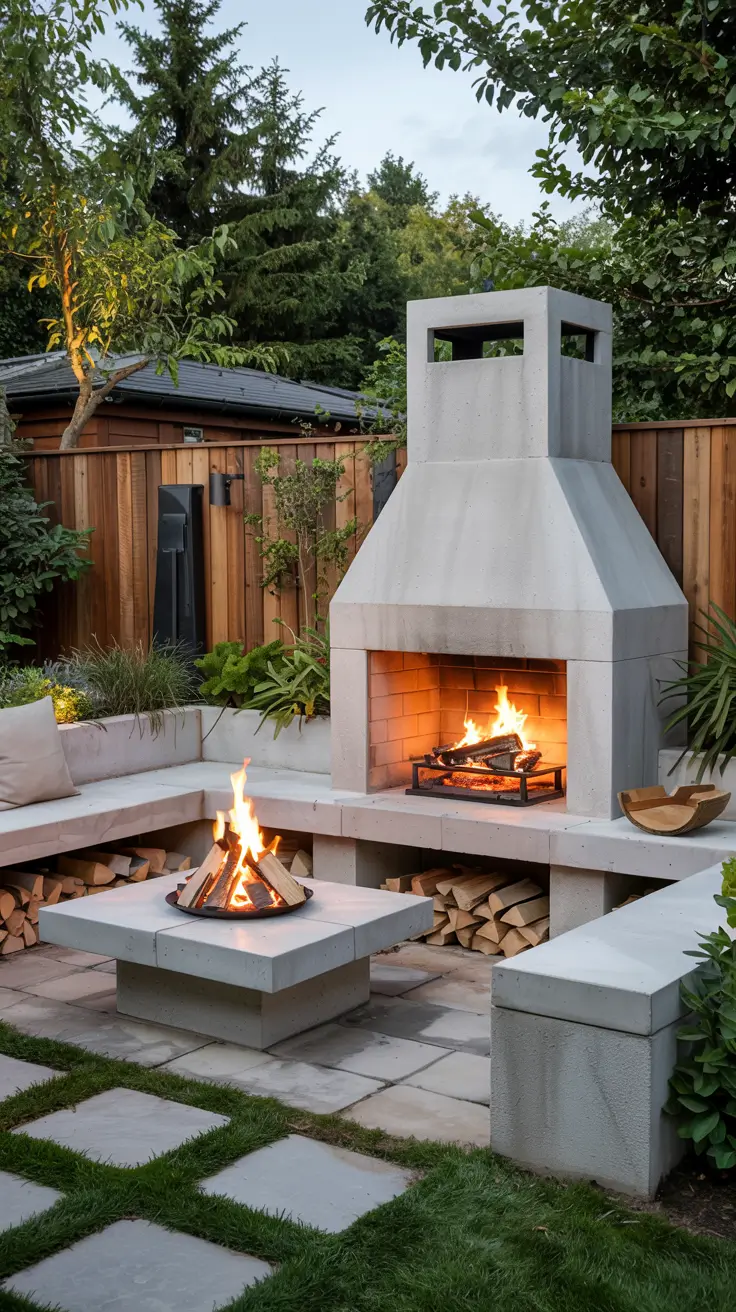
In modern settings, I prefer clean lined fireplaces with integrated seating or low walls. Wood storage niches and minimalist mantels add functionality without clutter. Positioned correctly, the fireplace complements the cooking zone rather than competing with it.
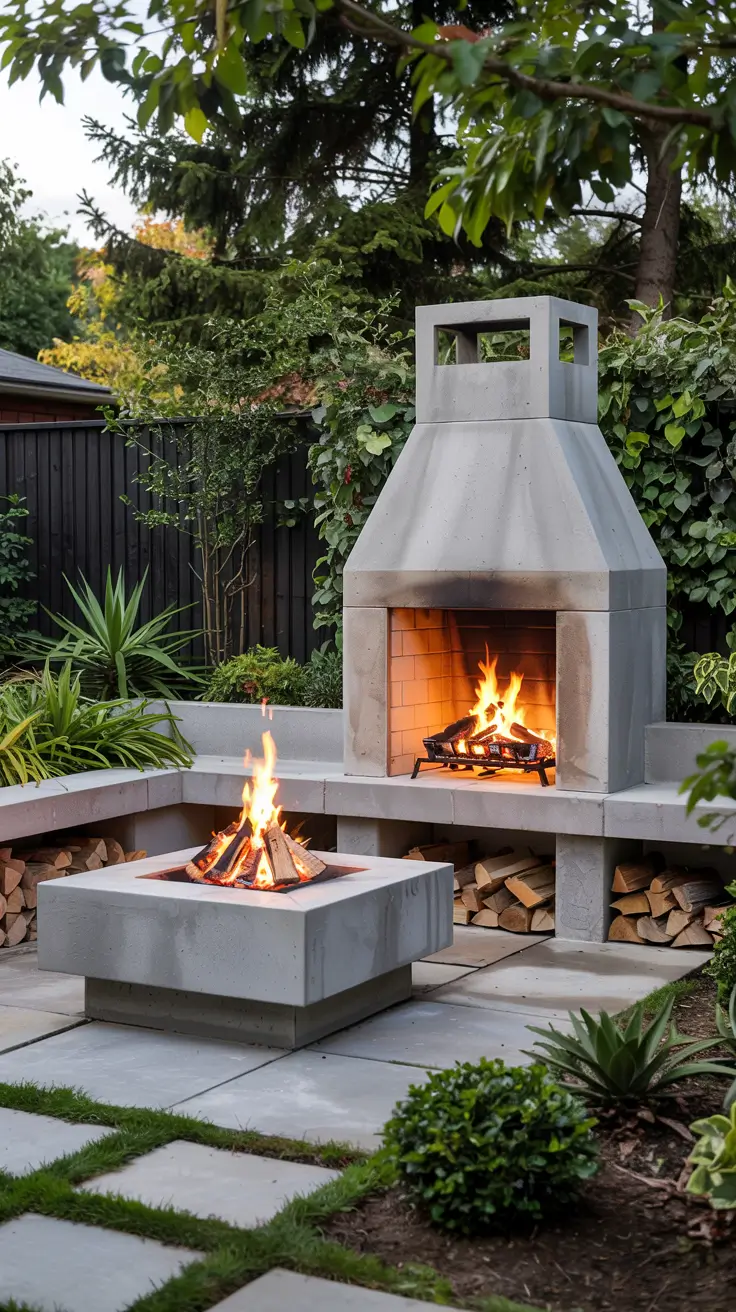
In my professional opinion, designers often advise choosing scale carefully. A fireplace that is too large can overwhelm the space, while a well-proportioned one enhances intimacy. I have seen how thoughtful sizing improves both aesthetics and usability.
To strengthen this section, I would add advice on fuel choice. Gas fireplaces offer convenience, while wood burning options provide a more traditional atmosphere.
Garden Barbecue Area BBQ Island Designs for Entertaining
Garden barbecue area bbq island designs are essential for entertaining in 2026. I see the bbq island as the operational core of the outdoor space, supporting cooking, serving, and social interaction at the same time.
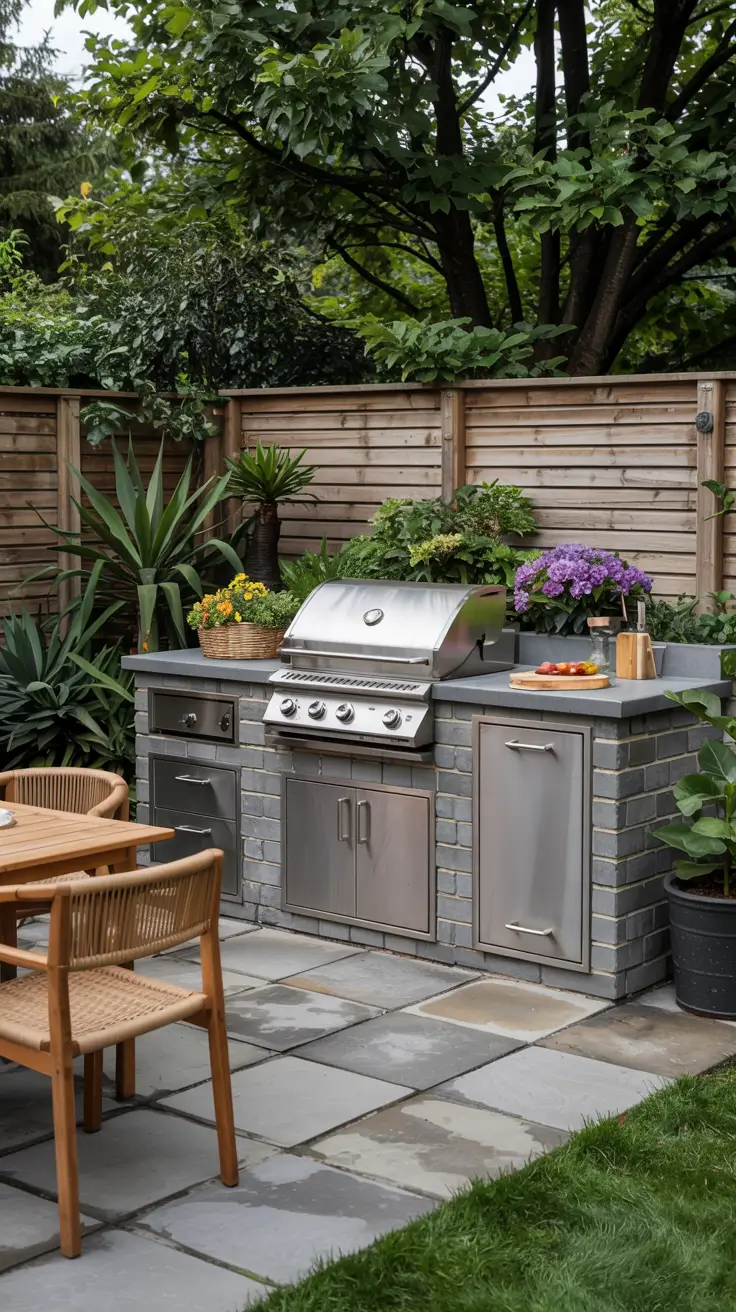
A well-designed bbq island includes prep surfaces, integrated grills, storage, and sometimes seating. I often specify durable countertops, such as stone or concrete, paired with wood cabinetry to balance warmth and modernity. Positioning the island to face guests keeps the cook engaged in the gathering.
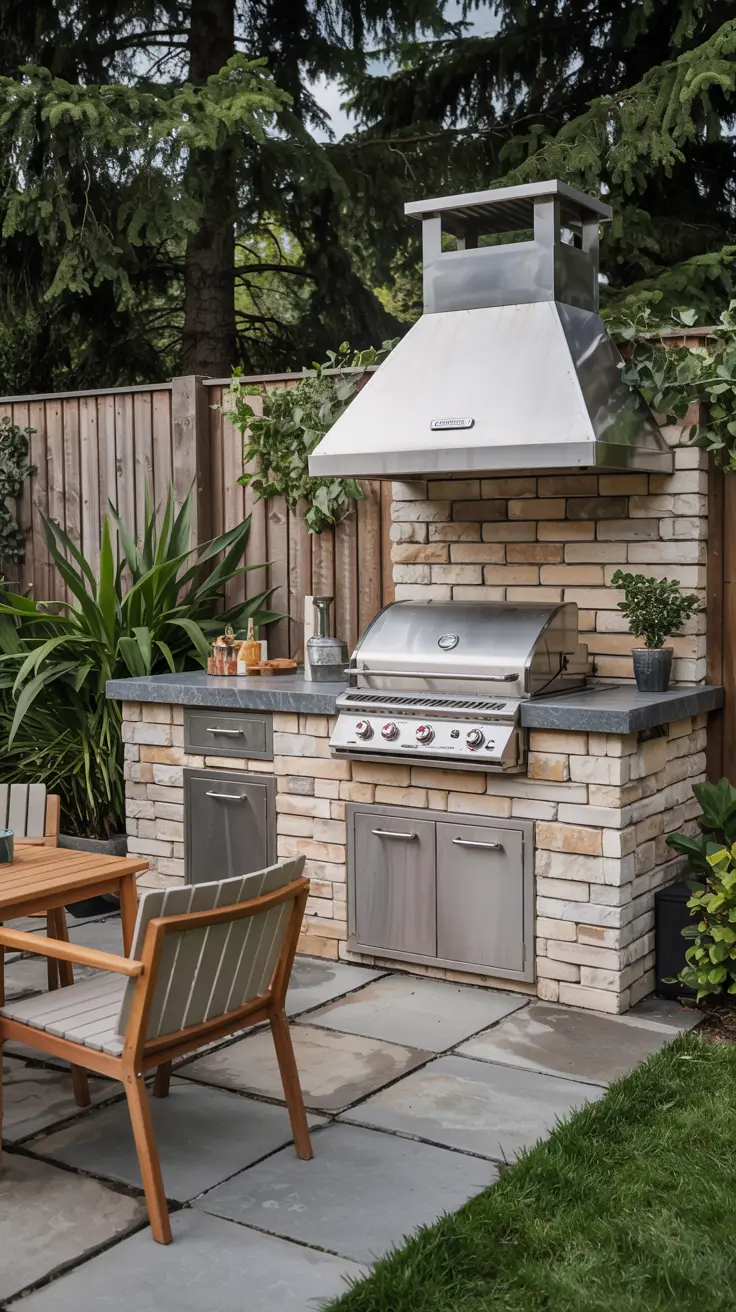
From my experience, many professionals emphasize workflow in outdoor kitchens. I fully support this approach, as efficient layouts reduce stress and make hosting more enjoyable.
What I would add here is advice on utilities. Planning gas, water, and electrical connections early is crucial for long-term functionality.
BBQ Island Concepts That Redefine the Garden Barbecue Area
BBQ island concepts in 2026 are redefining what a garden barbecue area can be. I design these islands as multifunctional hubs that go beyond grilling, incorporating sinks, refrigeration, and even pizza ovens.
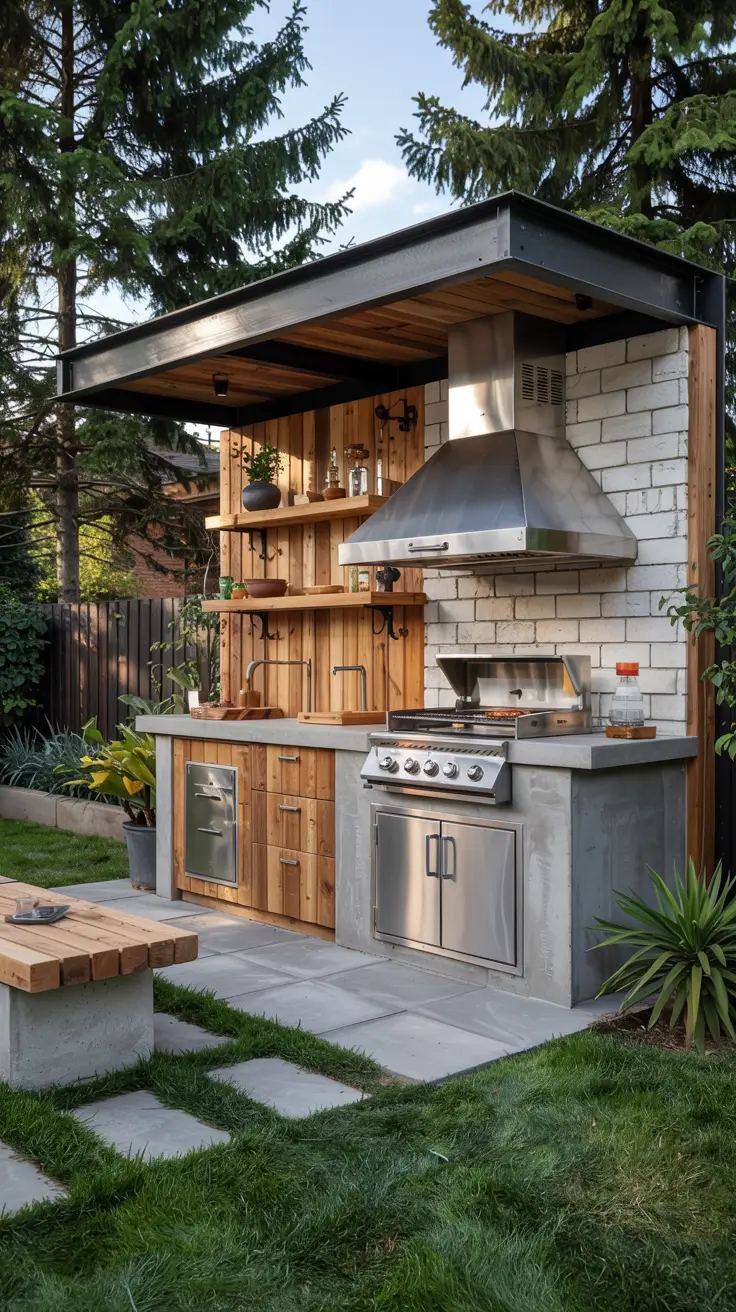
Modern bbq islands often feature clean lines, integrated appliances, and seating extensions. Wood accents soften the look, while minimalist hardware maintains a contemporary feel. These islands work equally well in large gardens and compact UK spaces when scaled correctly.
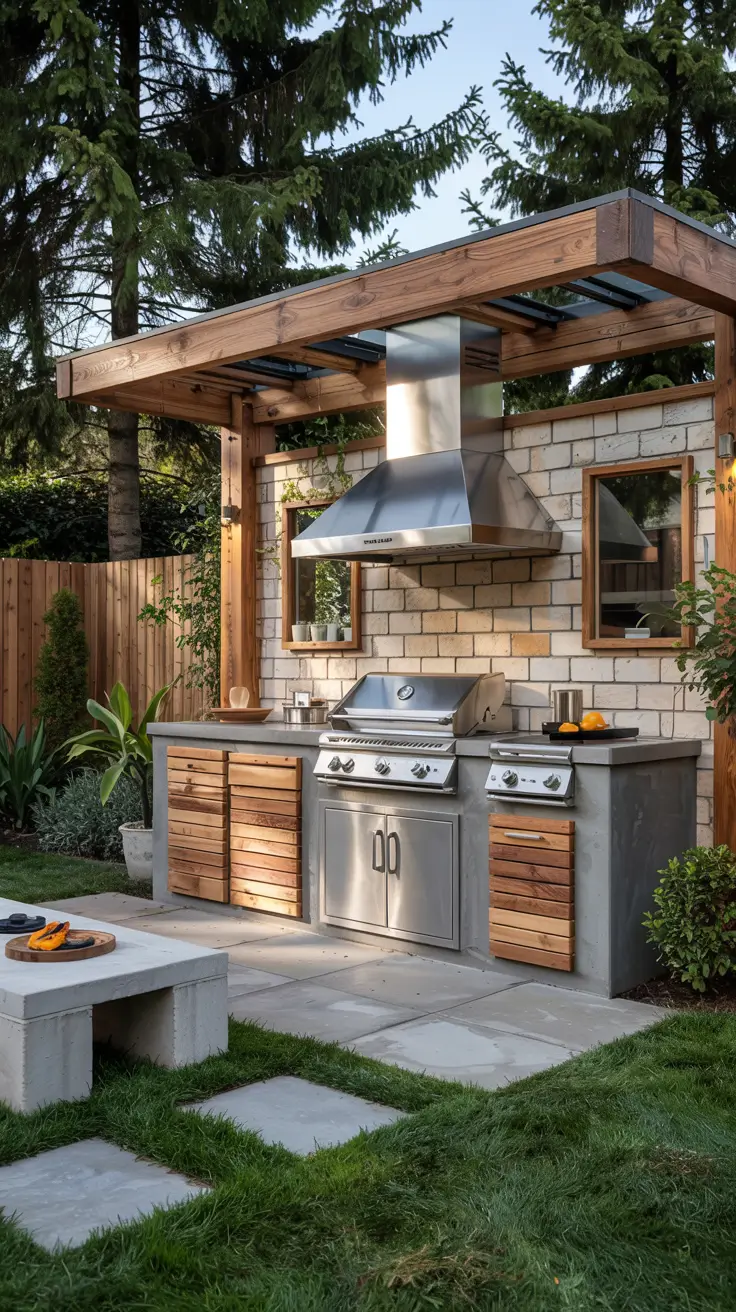
In my professional view, the best bbq island concepts reflect how people actually cook and entertain. Designers often recommend customization over standard solutions, and I have found that tailored islands deliver better long-term satisfaction.
To complete this section, I would include maintenance tips. Choosing materials that age well outdoors ensures the bbq island remains attractive and functional over time.
Garden Barbecue Area DIY Approaches for Personalised Outdoor Spaces
Garden barbecue area diy approaches are gaining popularity as homeowners seek personalized and cost-effective solutions. In 2026, I see diy projects focusing on modular designs that can evolve over time.
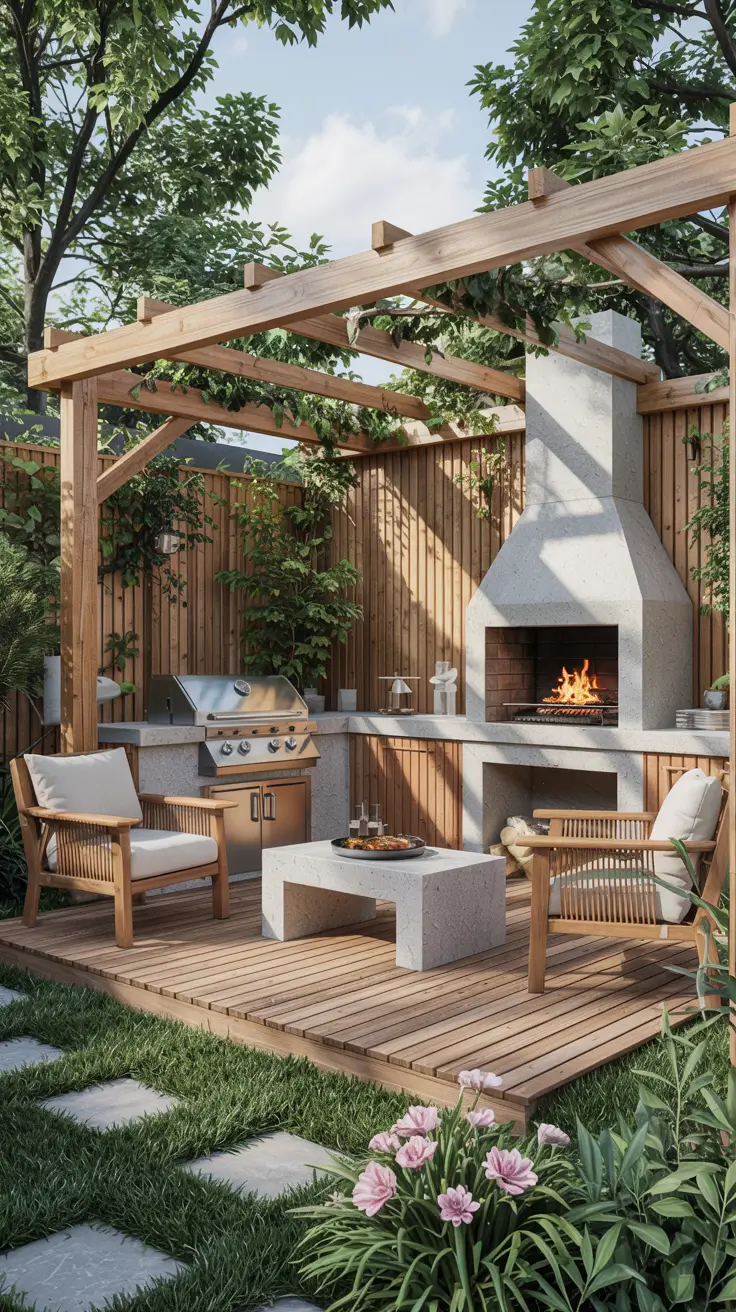
Common diy elements include wood benches, simple pergola structures, and compact bbq islands built from prefabricated components. These choices allow flexibility while maintaining a modern look. Careful planning ensures safety and durability, especially when working with fire and heat.
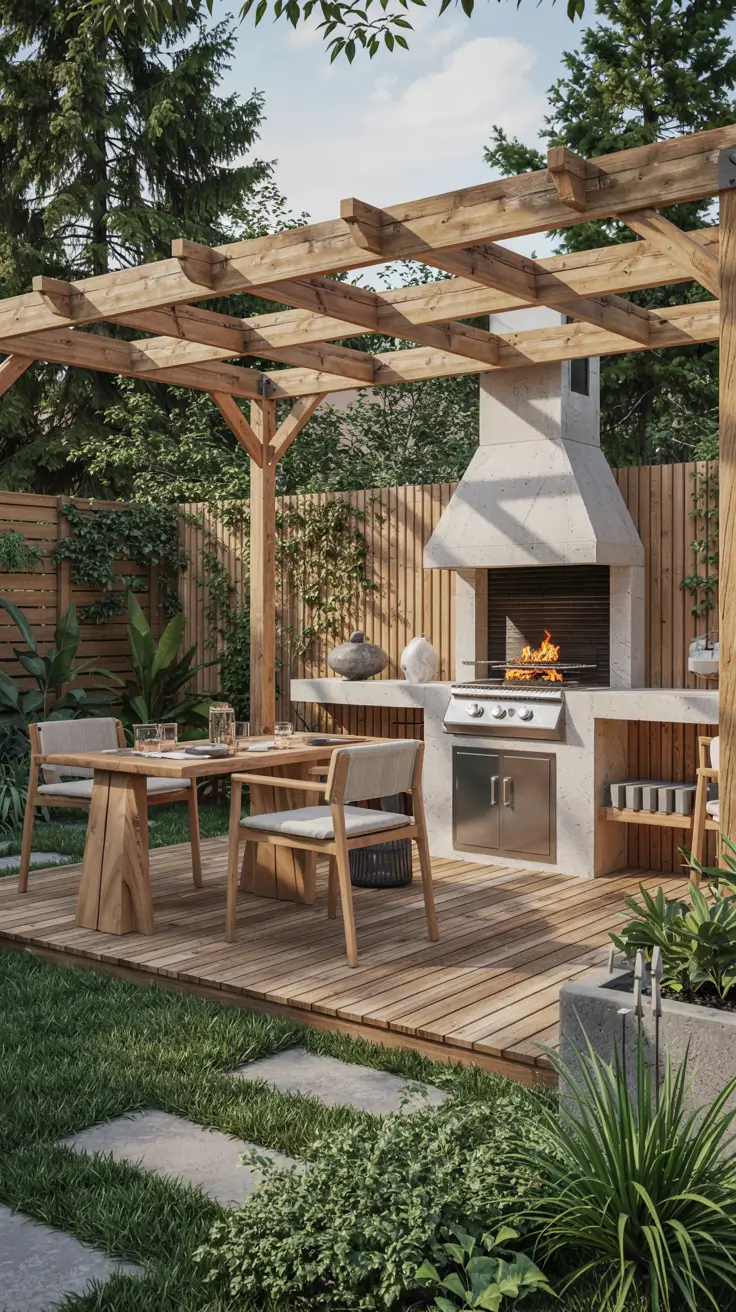
From my experience, many design professionals encourage diy projects when they are well researched and realistically scoped. I agree, as thoughtful diy work can add character and personal value to the barbecue area garden.
What I would add is a strong emphasis on regulations. In the UK, checking local guidelines for fire safety and construction is essential before starting any diy project.
Garden Barbecue Area Wood Elements for Natural Aesthetics
I see wood as the foundation of a successful garden barbecue area modern concept, especially when the goal is to create a welcoming and natural atmosphere. In 2026, garden barbecue area design increasingly uses wood to soften hard surfaces like stone or concrete, making the space feel integrated with the garden. Wood works well in both small and large barbecue area garden layouts, offering warmth without sacrificing durability when treated correctly.
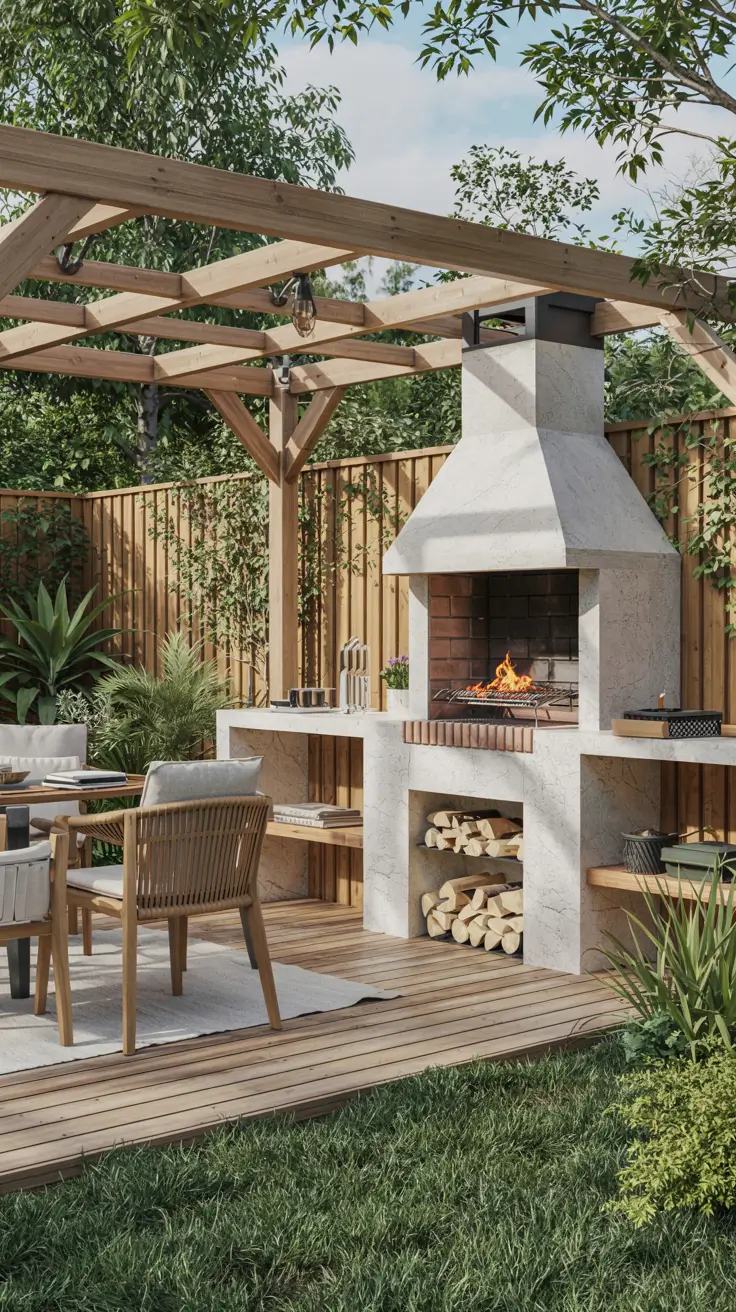
From my experience, timber pergolas, wooden decking, and wood cladding around a bbq island bring visual balance to outdoor fireplaces and metal grills. I often recommend hardwood benches, built in wooden seating, and slatted privacy screens because they age gracefully and support a practical garden barbecue area plan. These elements also help define reminders of nature within a structured outdoor space.
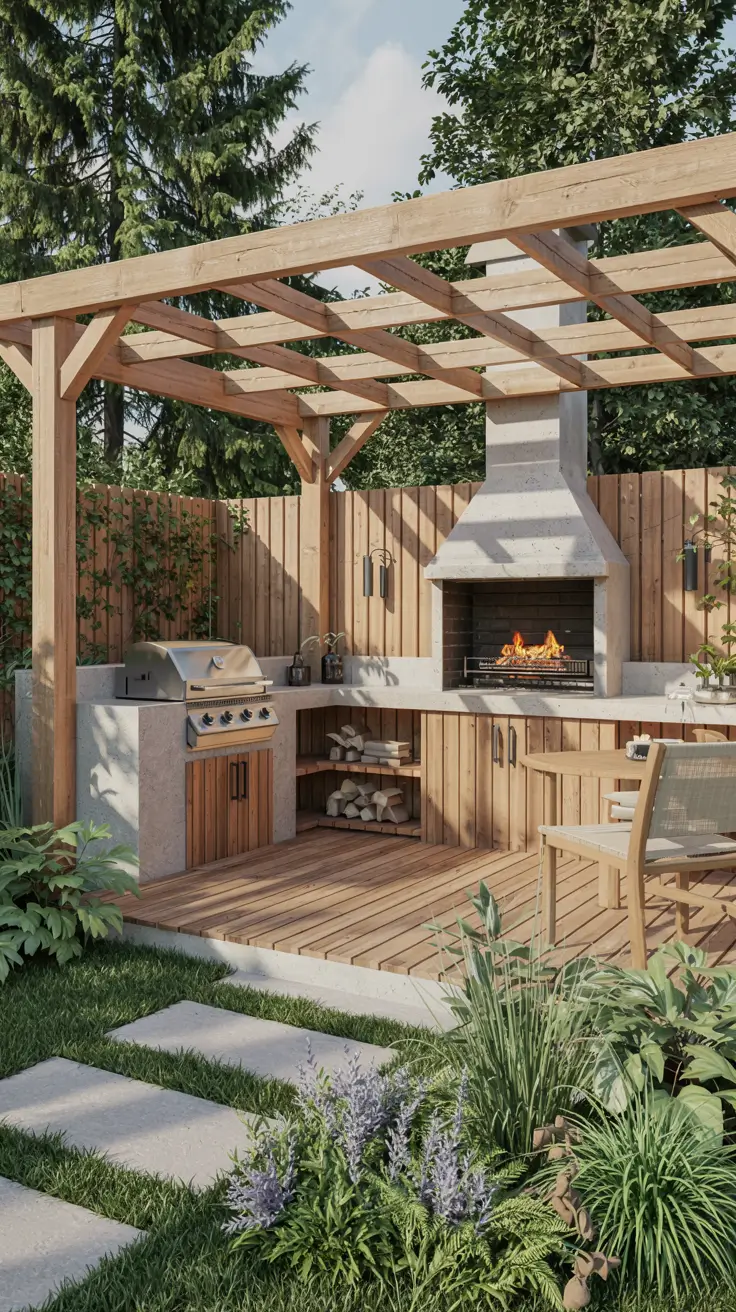
I personally prefer combining wood with neutral tones and modern lighting, a technique frequently recommended by designers featured in US landscape design publications. They emphasize that natural materials reduce visual fatigue and help outdoor spaces remain comfortable for long gatherings. I have applied this approach in multiple projects, and it consistently enhances both usability and atmosphere.
What I would still add to this section is guidance on maintenance schedules and protective finishes, especially for garden barbecue area uk conditions where moisture can affect wood longevity. Addressing this ensures the design remains practical beyond the first few seasons.
Using Wood in Garden Barbecue Areas for Warmth and Durability
When I design a garden barbecue area, I focus on how materials perform over time, and wood remains one of the most reliable choices when used correctly. In 2026, modern garden barbecue area ideas prioritize engineered wood and treated timber that can handle heat from outdoor fireplaces and exposure to weather. This makes wood both a visual and functional asset.
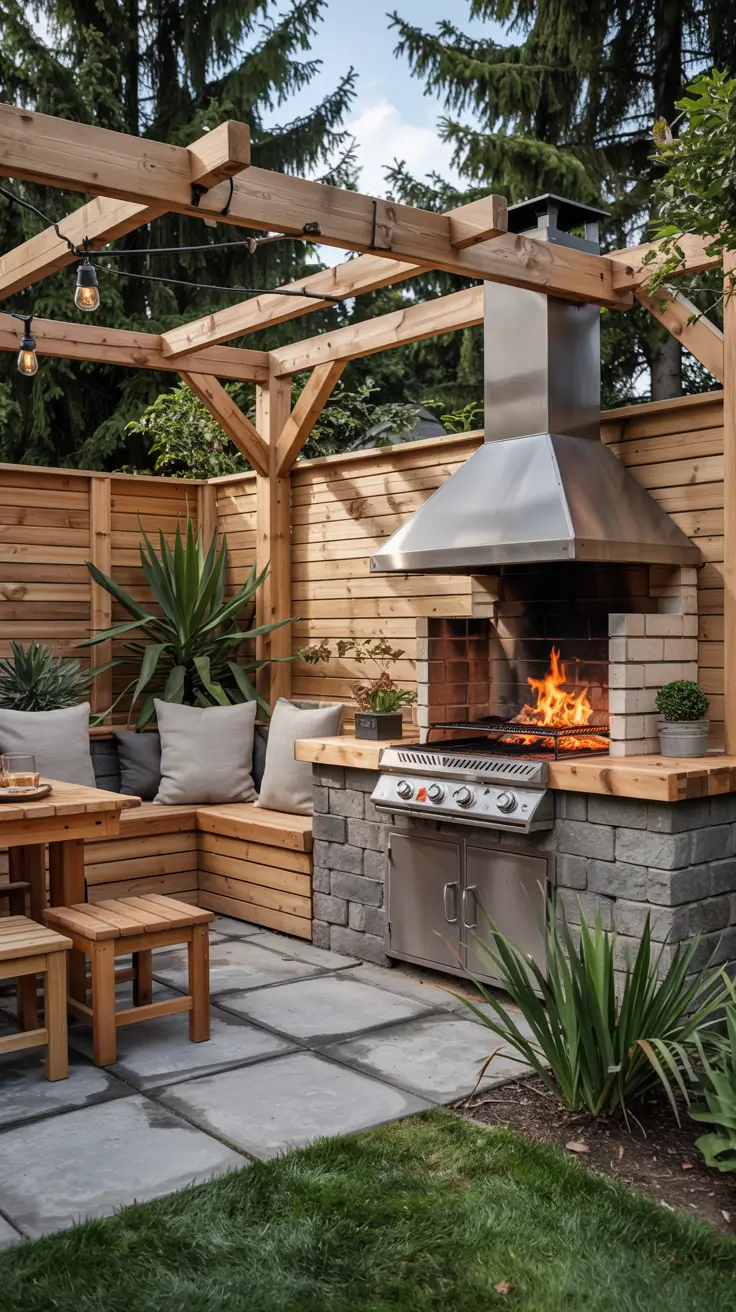
I include heat resistant wooden countertops, wood framed storage units, and integrated seating near the bbq island to ensure comfort without compromising safety. These elements allow the garden barbecue area bbq island to feel cohesive rather than pieced together. The contrast between wood and metal grills also highlights a modern design approach.
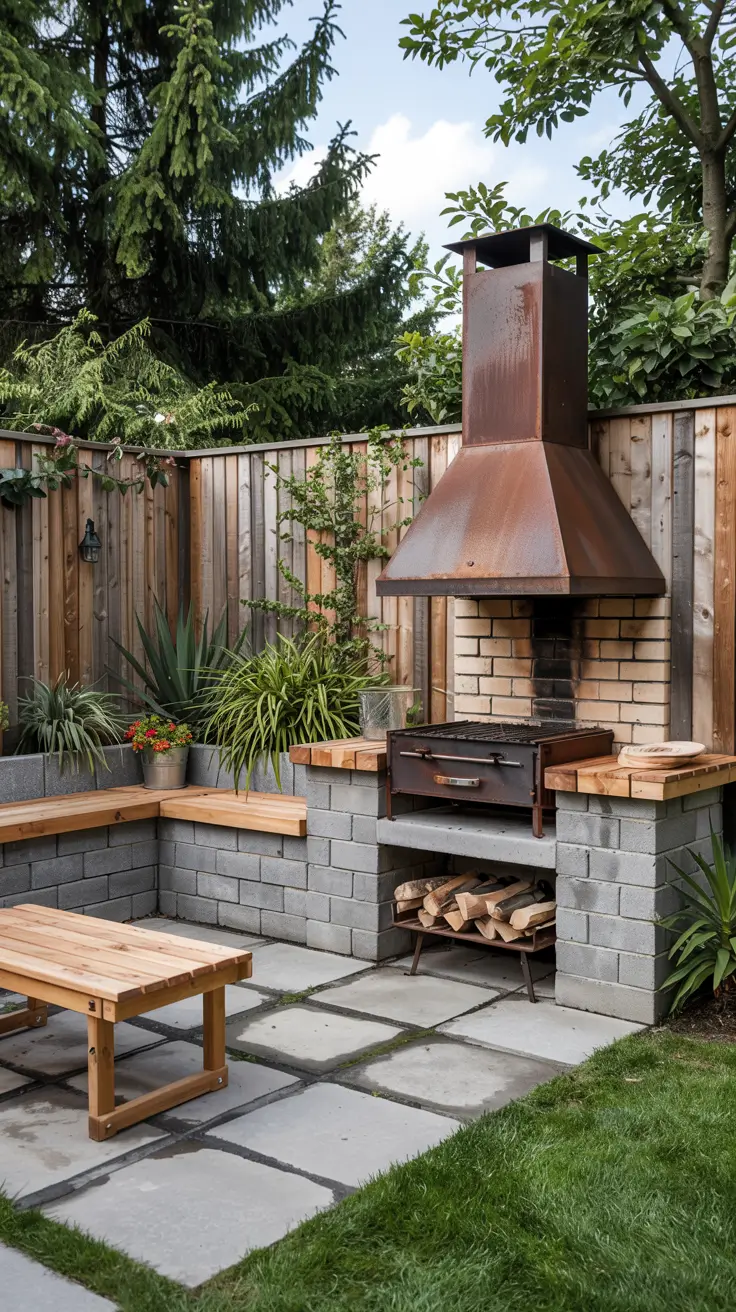
In my professional opinion, durability comes from smart placement rather than avoiding wood entirely. Landscape architects in the US often advise positioning wooden elements away from direct flame zones while still keeping them within the social core of the space. I follow this principle because it extends lifespan and keeps the area visually balanced.
What could be added here is a comparison between softwood and hardwood options, helping readers make informed decisions based on budget and long term use in a garden with barbecue area.
Garden Barbecue Area DIY Solutions for Personalised Spaces
A garden barbecue area diy approach allows homeowners to tailor the space to their lifestyle, and in 2026 this trend continues to grow. I see many people choosing diy solutions to adapt garden barbecue area ideas to irregular garden shapes or personal cooking habits. This flexibility is especially valuable in UK gardens where space is often limited.
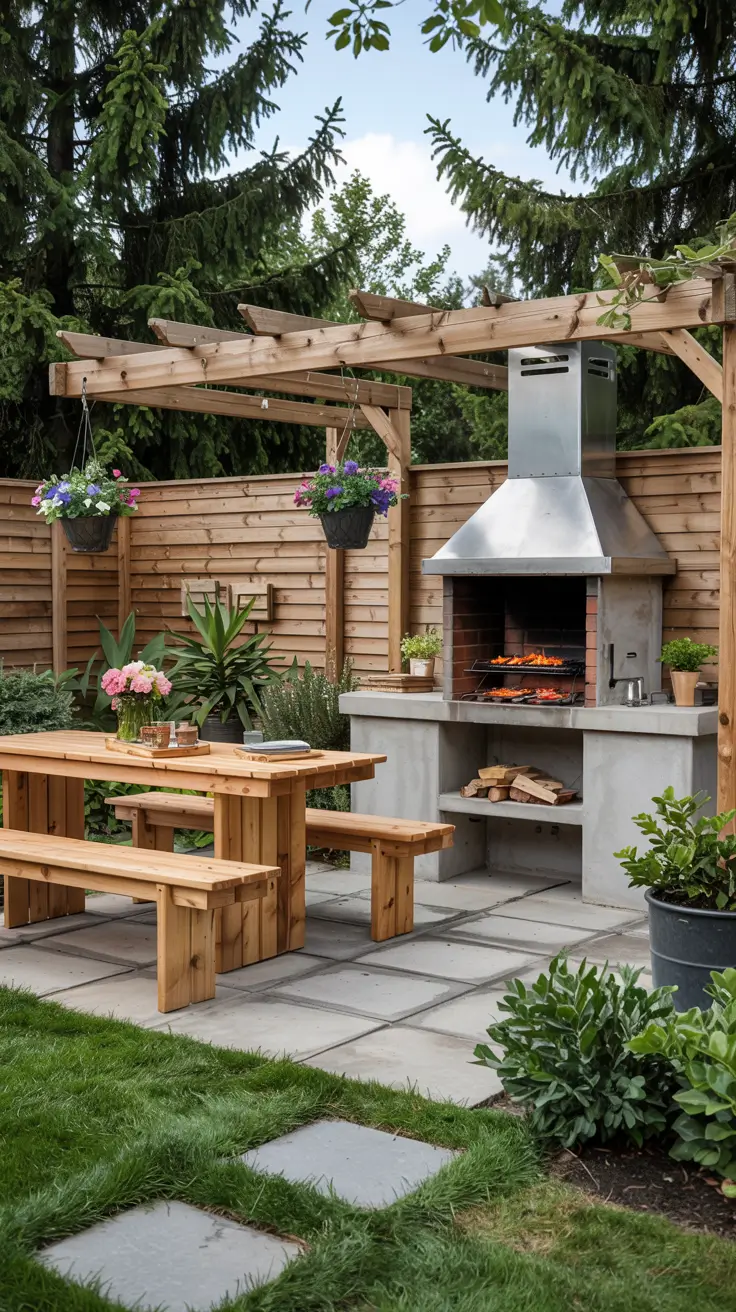
I usually suggest starting with modular furniture, a simple pergola structure, and a compact bbq island that can be expanded later. DIY wooden benches, planters that double as seating, and movable storage units make the barbecue area garden adaptable for different seasons and group sizes.
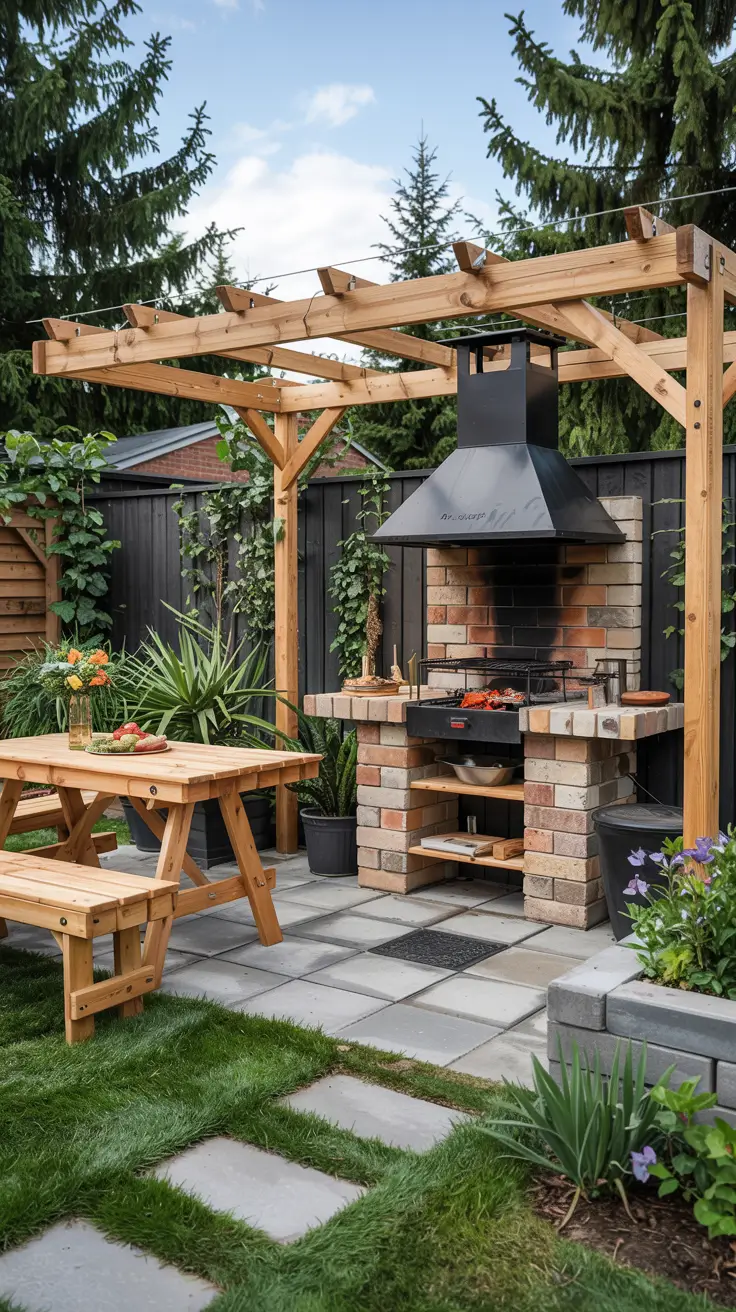
From my experience, diy projects create a stronger emotional connection to the space. Design experts often note that personalized environments are used more frequently and maintained better over time. I have seen this firsthand in projects where owners actively participate in the build process.
To improve this section, I would include basic safety planning advice, such as ventilation around outdoor fireplaces and stable foundations for diy bbq islands.
DIY Garden Barbecue Area Ideas That Blend Creativity and Function
In my work, the best garden barbecue area ideas balance creativity with everyday usability. For 2026, diy designs focus on multifunctional zones where cooking, dining, and relaxing happen in one cohesive layout. This approach supports a modern garden barbecue area plan without unnecessary complexity.
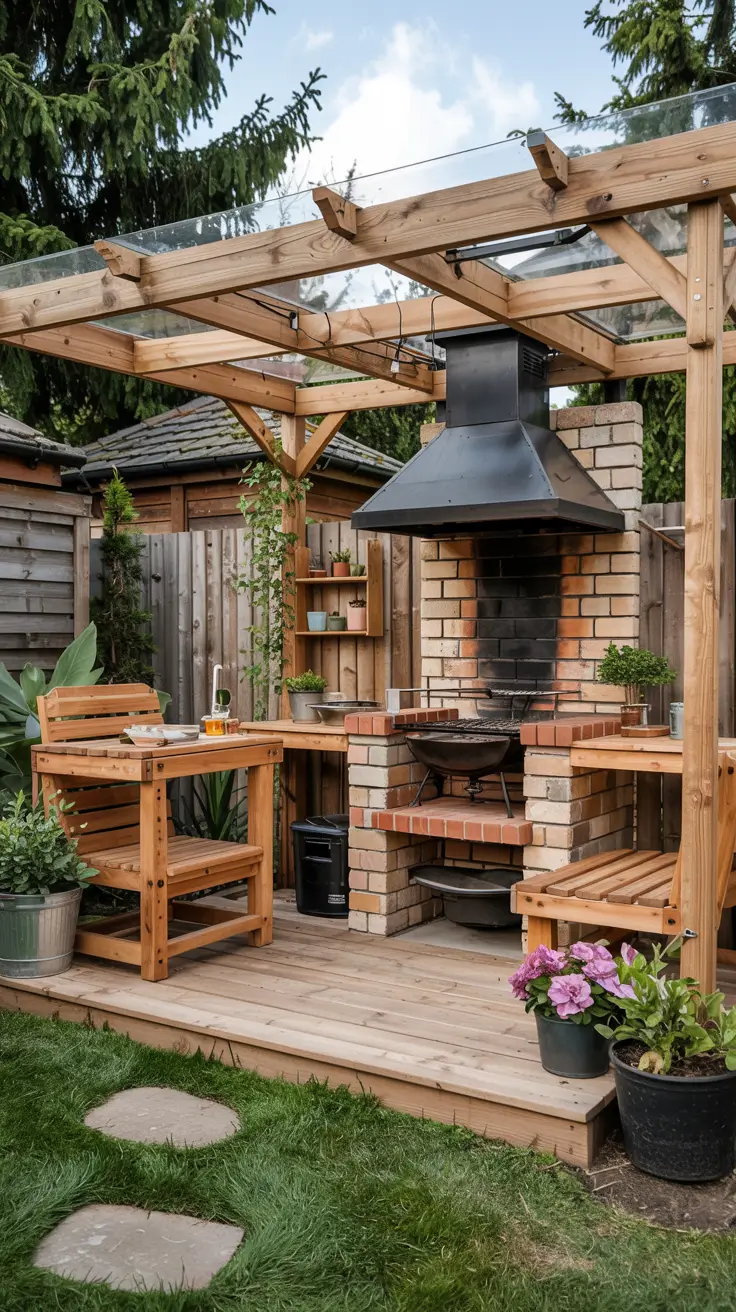
I recommend creative use of reclaimed wood, foldable furniture, and adjustable pergola roofs. These features allow the space to evolve with minimal cost. Adding built in shelves for tools or herbs also increases functionality without crowding the area.
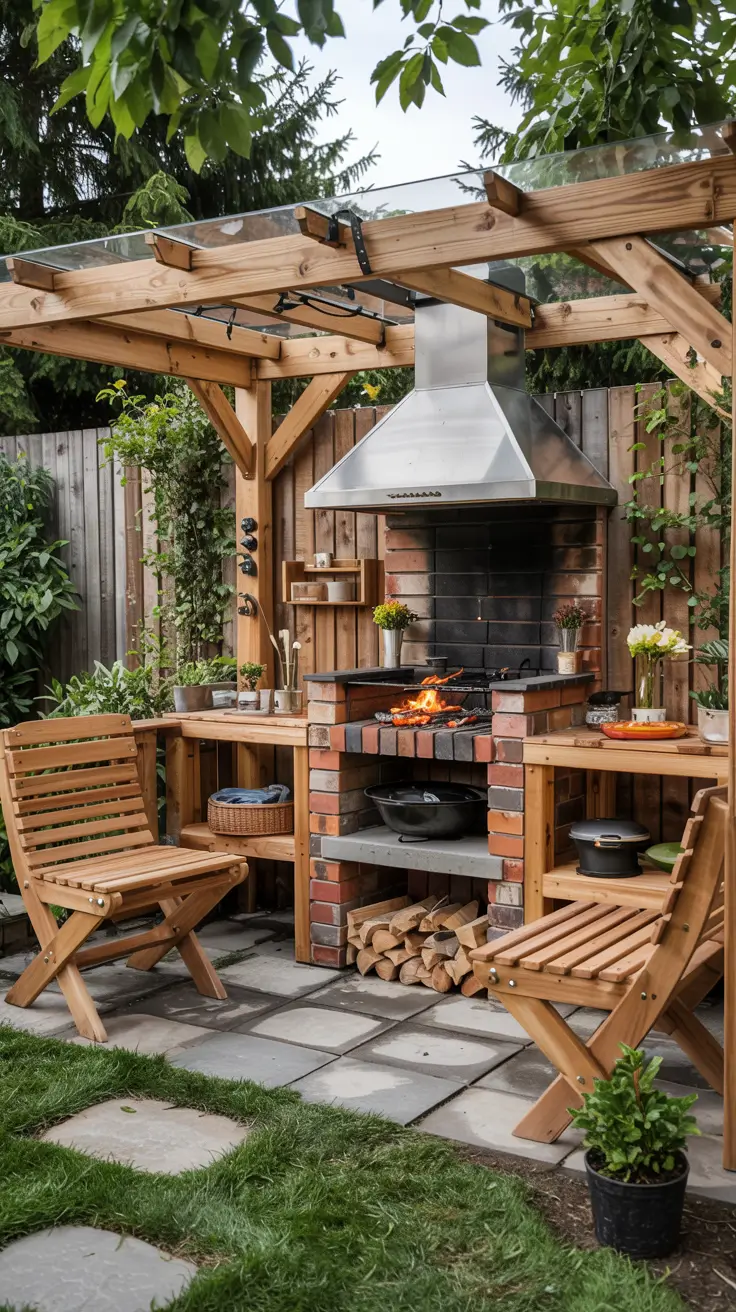
Personally, I believe creativity thrives when design rules are flexible. US based outdoor living specialists often highlight that functional creativity comes from understanding how people move and gather in a space. I apply this by designing clear circulation paths around the bbq island and seating zones.
What could strengthen this section is a short checklist of diy planning steps, helping readers visualize how to start and avoid common layout mistakes.
Garden Barbecue Area UK Trends and Practical Design Choices
Designing a garden barbecue area uk style requires attention to climate and seasonal use. In 2026, I notice a strong preference for covered areas, wind protection, and integrated outdoor fireplaces that extend usability throughout the year. Practicality drives design decisions more than decorative trends alone.
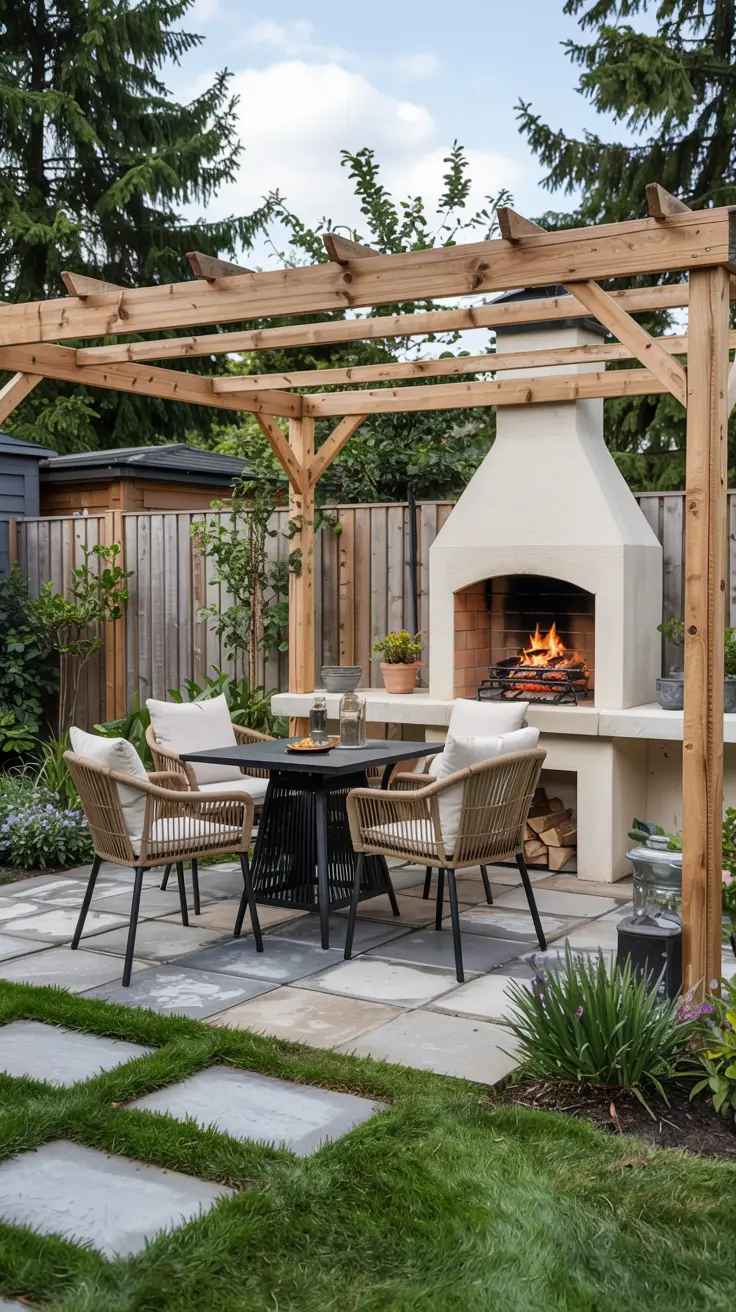
I often include pergolas with retractable roofs, weather resistant furniture, and enclosed storage for grills and accessories. These elements protect the garden barbecue area modern layout while maintaining comfort. Materials like treated wood and composite surfaces perform well in changing conditions.
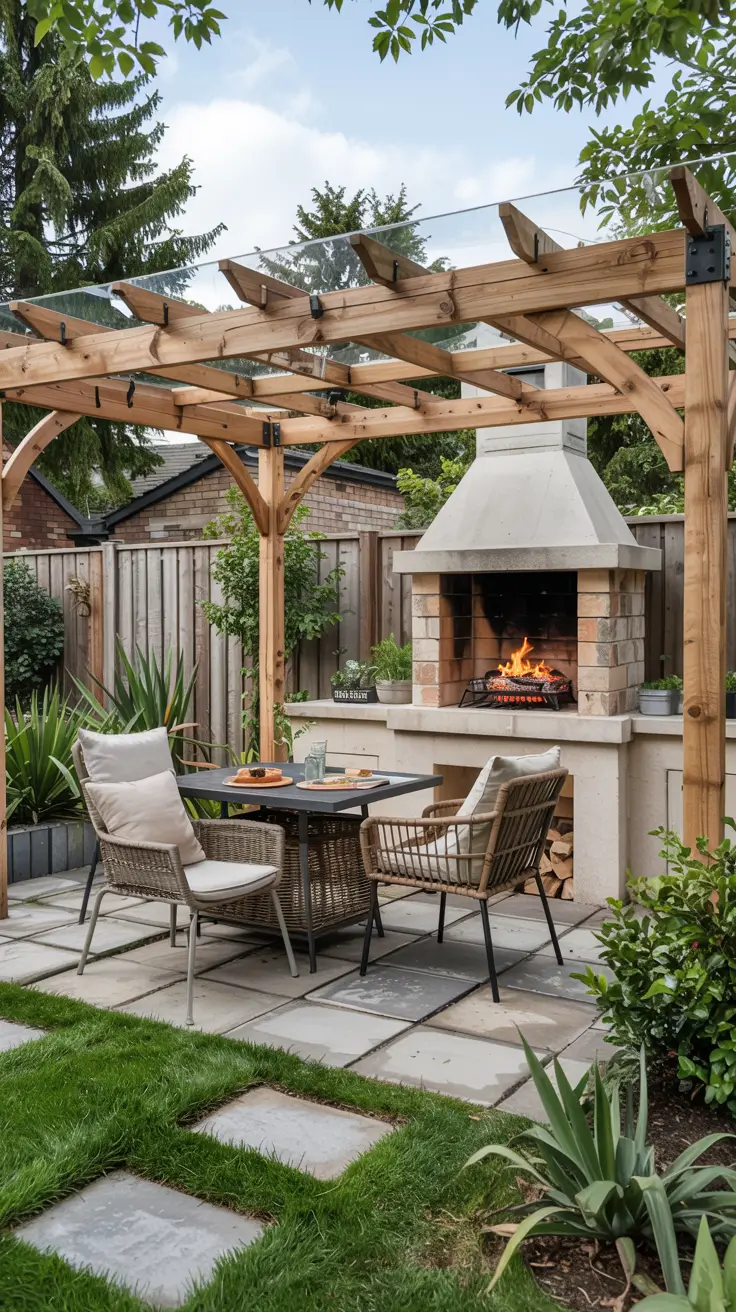
From my professional viewpoint, UK focused designs benefit from subtle zoning. Designers frequently recommend separating cooking and lounging areas slightly to manage smoke and heat. I follow this advice to ensure the space remains pleasant even during extended use.
To complete this section, I would add guidance on local regulations or planning considerations that may affect permanent structures in UK gardens.
Designing a Garden Barbecue Area for UK Gardens
When designing specifically for UK gardens, I prioritize efficiency and adaptability. Garden barbecue area design in 2026 often focuses on compact layouts that maximize use without overwhelming the garden. Thoughtful planning ensures the space feels intentional rather than crowded.
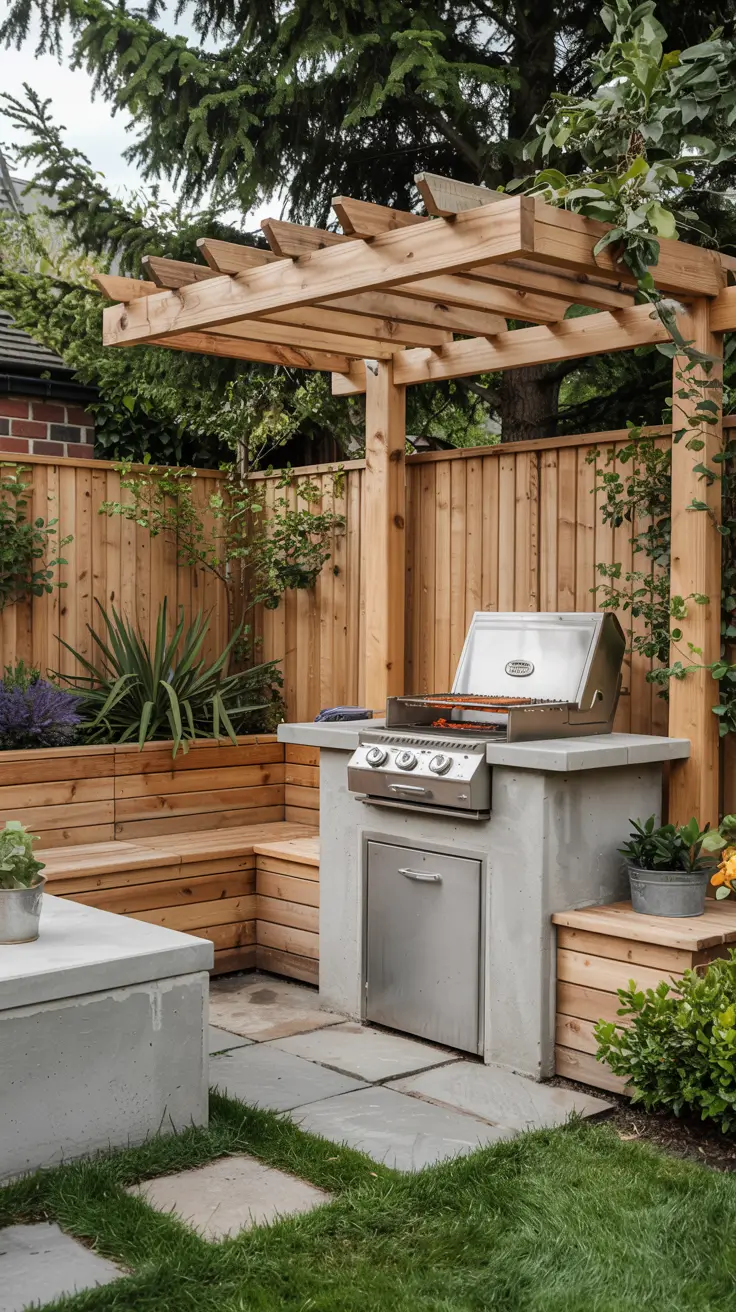
I include slimline bbq islands, built in seating along boundaries, and pergolas that define the area without blocking light. Wood remains essential here, as it visually softens fences and walls common in UK gardens.
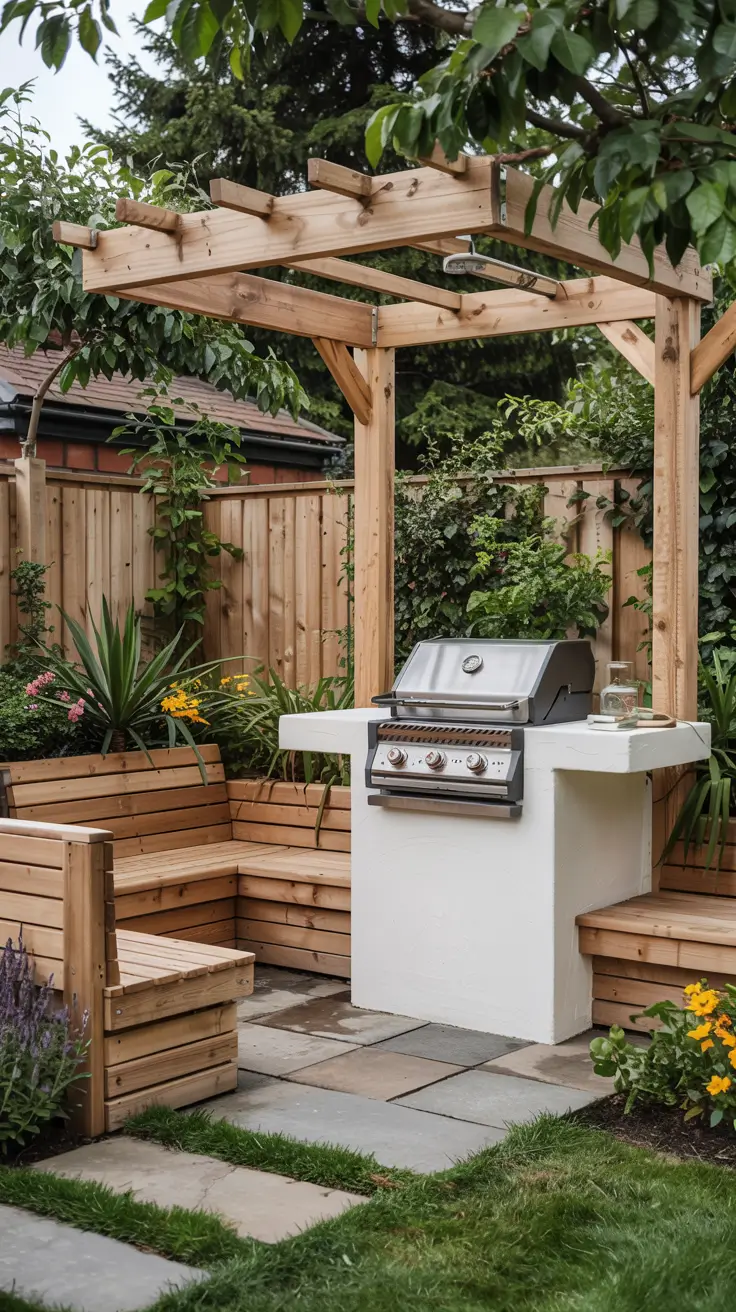
I have learned that less is often more. Well known landscape designers emphasize restraint, suggesting that a clear garden barbecue area plan encourages more frequent use. I apply this philosophy by limiting materials and focusing on quality.
What could be added is advice on integrating the barbecue area with existing garden paths and planting schemes for a cohesive overall design.
Sustainable Garden Barbecue Area Ideas for Modern Homes
Sustainability is no longer optional in 2026, and I approach garden barbecue area ideas with this in mind. Using responsibly sourced wood, energy efficient outdoor fireplaces, and durable materials supports a modern and ethical design approach.
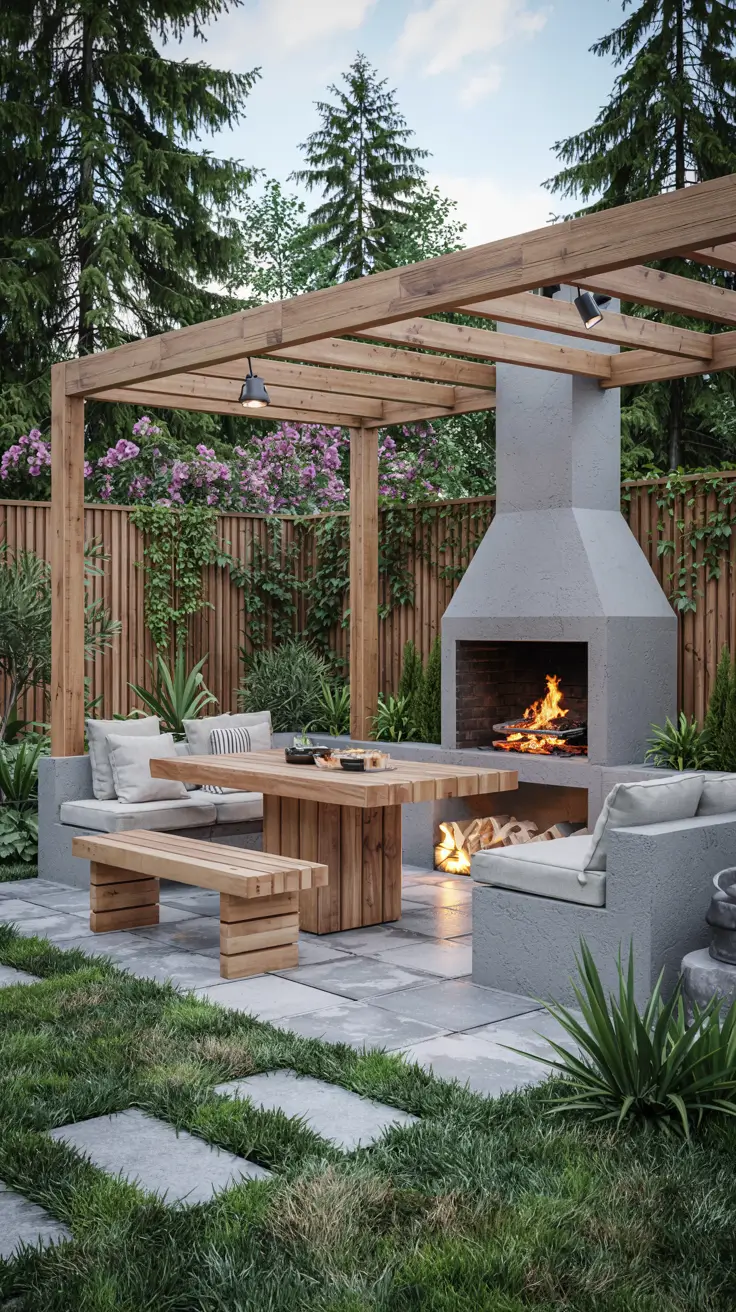
I recommend furniture made from recycled wood, solar powered lighting, and bbq islands designed to reduce fuel consumption. These choices align with modern values while maintaining performance and comfort.
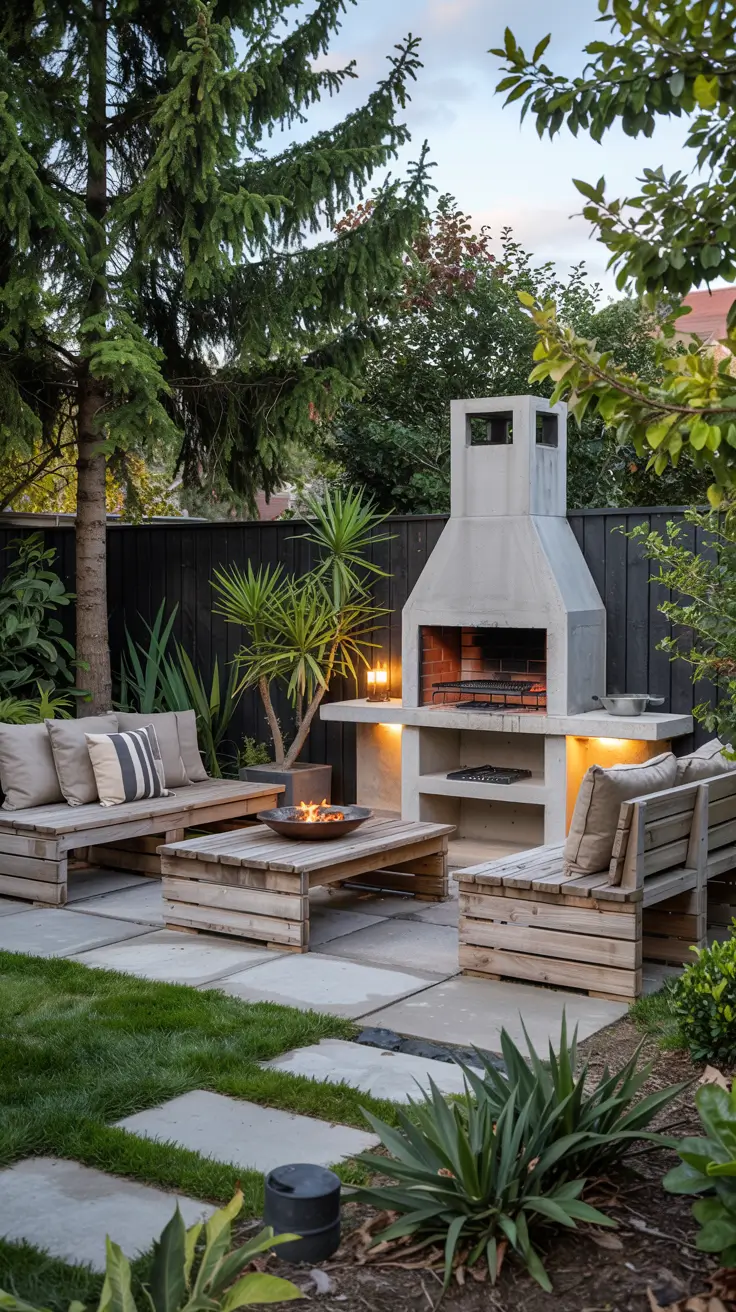
In my experience, sustainable design also improves long term satisfaction. Industry experts often note that environmentally conscious spaces feel more intentional and future ready. I see this reflected in how homeowners engage with their outdoor areas.
What is missing here is a brief discussion on water management, such as permeable surfaces or drainage solutions around the barbecue area garden.
Creating a Timeless Garden Barbecue Area Beyond 2026
A timeless garden barbecue area plan looks beyond trends and focuses on adaptability. I design with flexibility so the space can evolve without major reconstruction. This approach ensures relevance well past 2026.
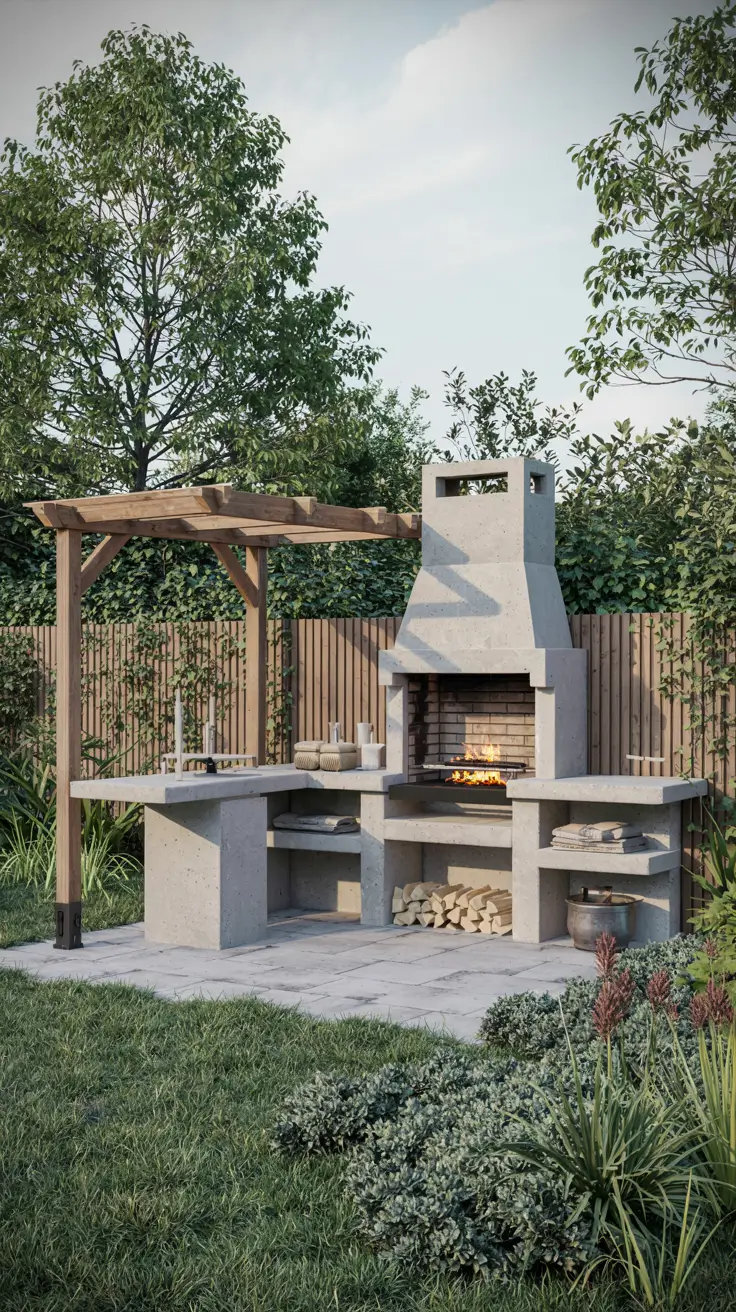
I rely on classic materials like wood, stone, and neutral furniture paired with modern forms. A well placed pergola, a simple bbq island, and understated outdoor fireplaces create a foundation that can be updated with accessories rather than structural changes.
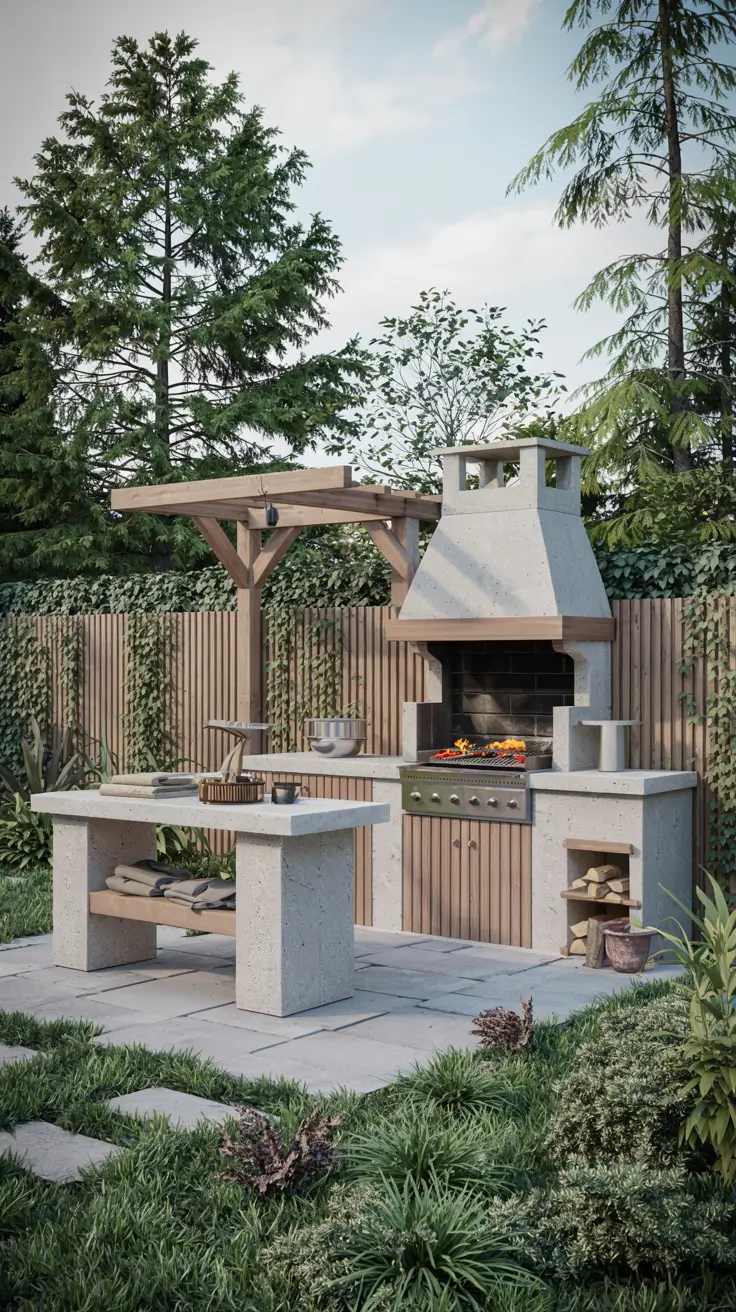
Personally, I believe timeless design comes from understanding how people gather. Designers across leading media outlets consistently emphasize human centered planning, and I apply this by prioritizing comfort and flow.
To enhance this section, I would include examples of modular upgrades that allow homeowners to refresh the space every few years without full redesign.