Living Room Trends 2026 are already redefining how we think about comfort, aesthetics, and functionality, blending ideas from 2025 interior design with bold 2026 interior design innovations. But what exactly is changing, and which living room trends for 2026 are truly worth adopting? In this article, I explore the latest living room trends for 2026, from evolving sofa design to modern wall decor living room design trends, and explain how these ideas can transform your space into something both current and timeless.
From 2025 Interior Design to 2026 Interior Design: What’s Changing
I see a clear shift from the structured, minimal approach of living room trends 2025 interior design toward more expressive and layered interiors in 2026. While 2025 focused heavily on neutral palettes and strict minimalism, 2026 interior design introduces warmth, texture, and personalization. The transition feels natural, as homeowners now prioritize comfort and individuality over rigid design rules.
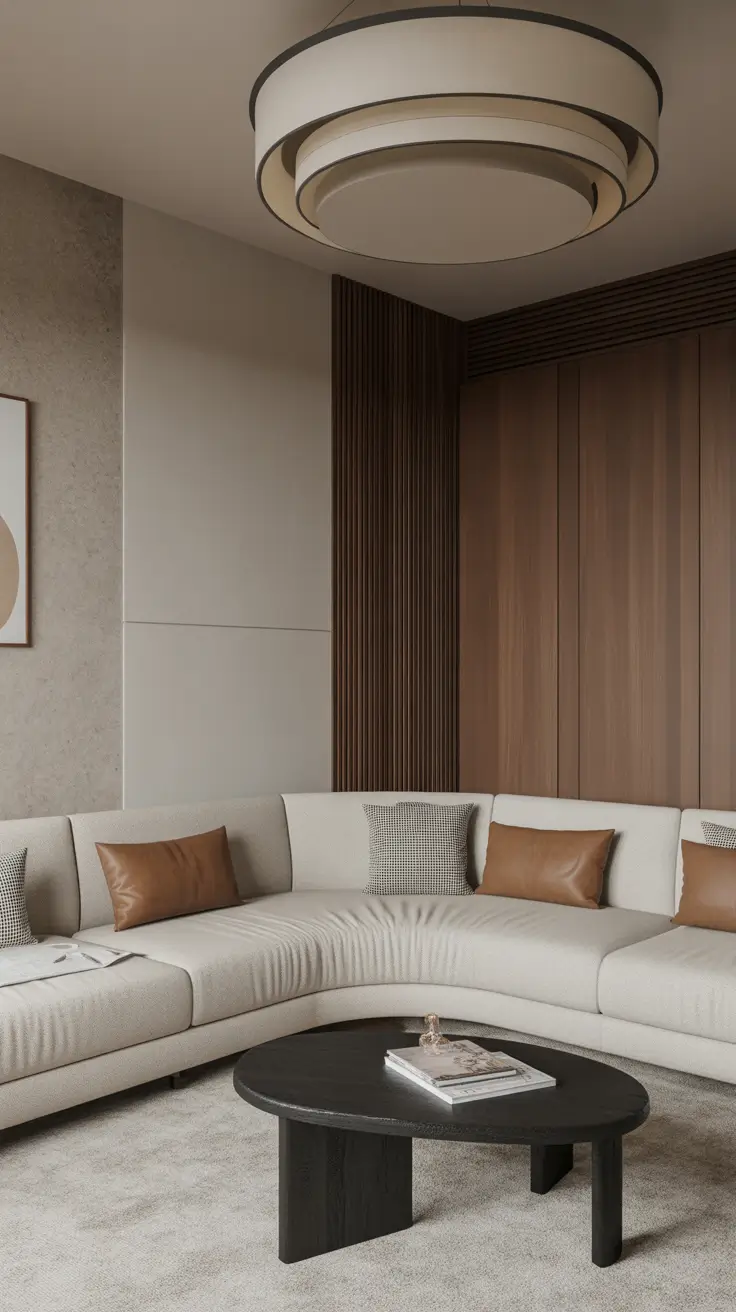
In practical terms, I recommend incorporating mixed materials such as wood, stone, and soft textiles. Furniture becomes less uniform – curved sofas, sculptural coffee tables, and layered lighting replace flat, linear layouts. These elements help bridge the gap between living room trends 2024-2025 and the newest styles.
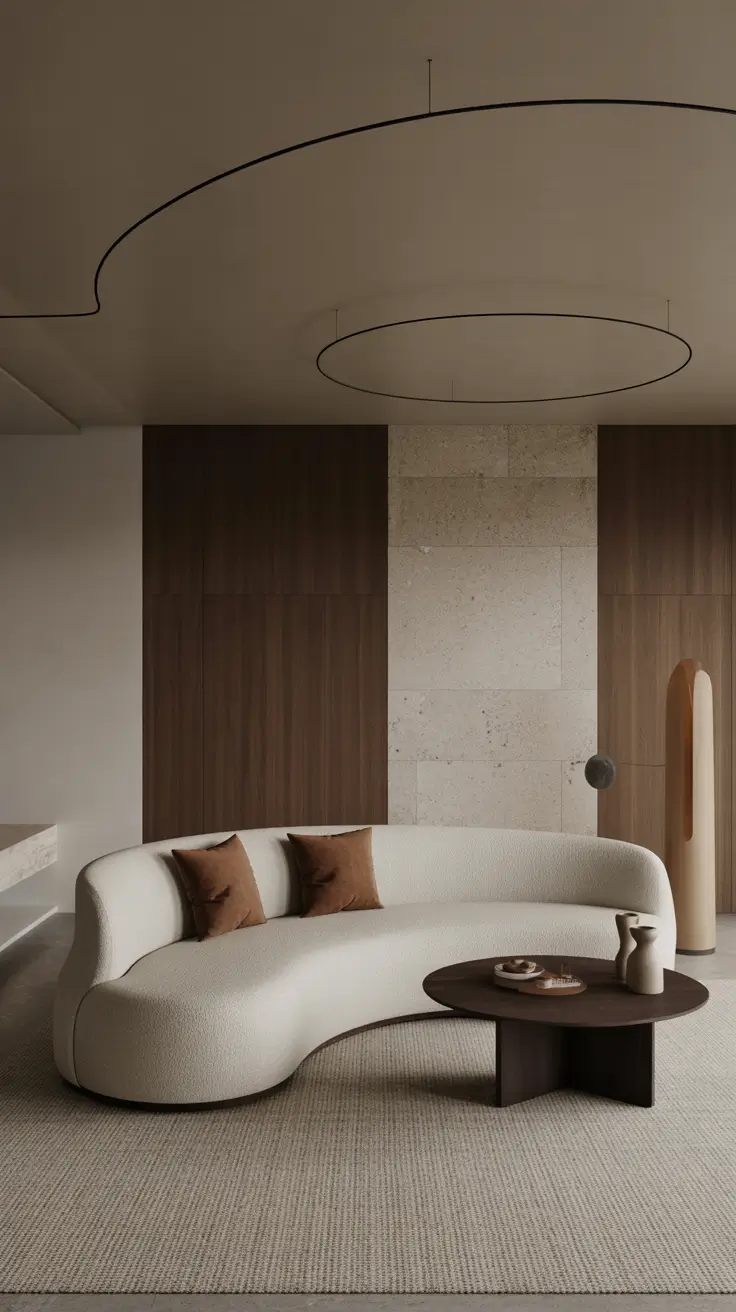
From my experience, designers featured in major publications often emphasize that personalization is the defining feature of future interiors. I agree with this perspective, as even small details like handmade decor or vintage pieces can completely redefine a space.
What I would add here is more focus on spatial planning – specifically, how zoning a living room into functional areas can enhance both aesthetics and usability in modern homes.
Current Living Room Trends That Will Dominate 2026
The current living room trends are moving toward comfort-driven design with a strong emphasis on livability. I notice that spaces are becoming softer, more inviting, and less formal, reflecting how people actually use their homes today.
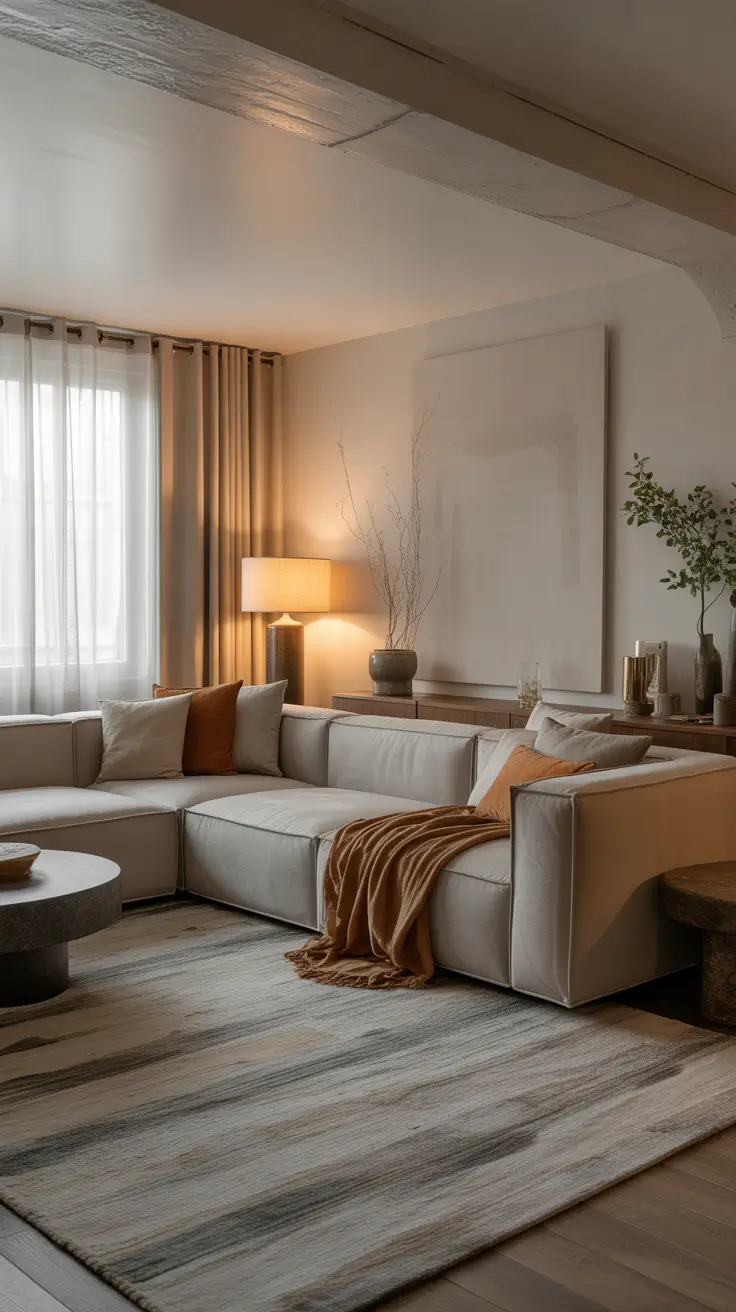
Key elements include oversized seating, soft rugs, and ambient lighting. I always suggest choosing modular furniture, as it adapts easily to different layouts and lifestyles. These choices align perfectly with living room designs trends 2026.
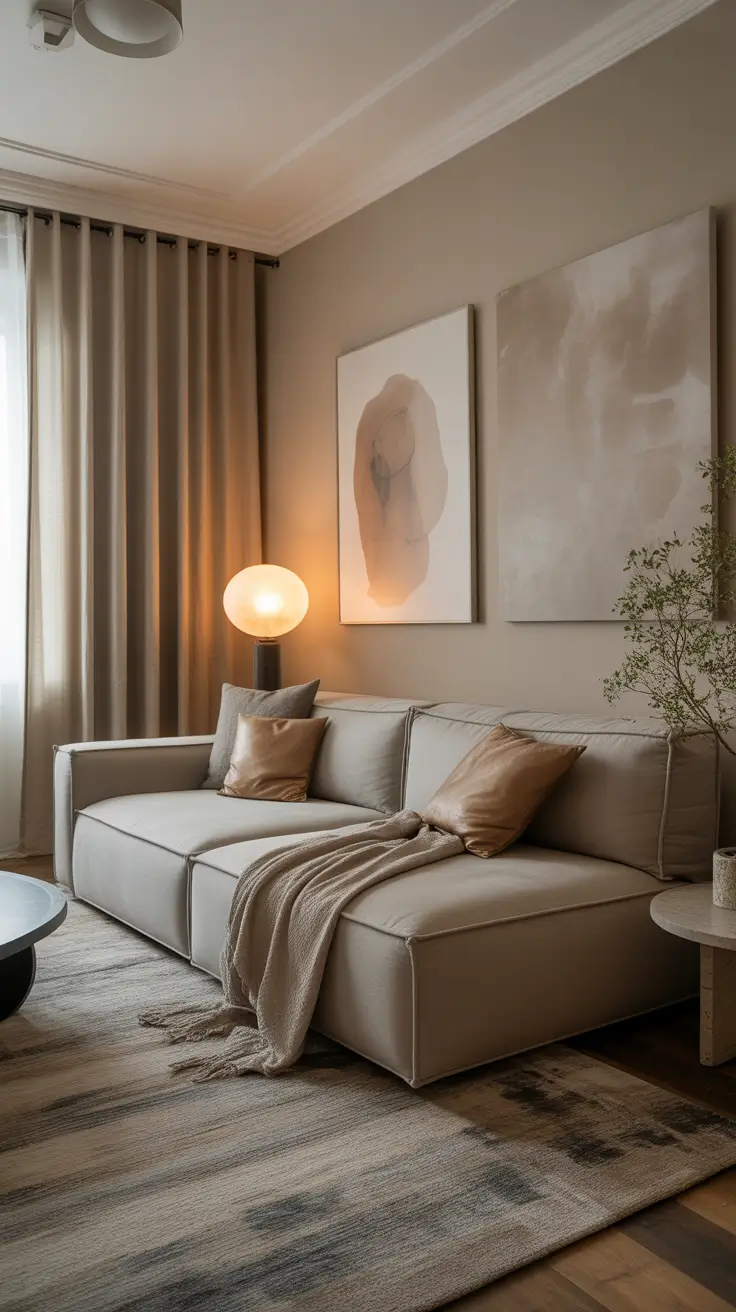
Personally, I find that combining comfort with visual interest is essential. A room should feel relaxing but never boring, which is why layering textures is so effective.
What’s missing here is a deeper integration of smart technology – hidden speakers, adaptive lighting, and automation systems should be considered part of modern design.
The Latest Living Room Trends for 2026 You Need to Know
The latest living room trends for 2026 focus on balance – between aesthetics and practicality. I observe a growing interest in multifunctional spaces that serve both relaxation and productivity.
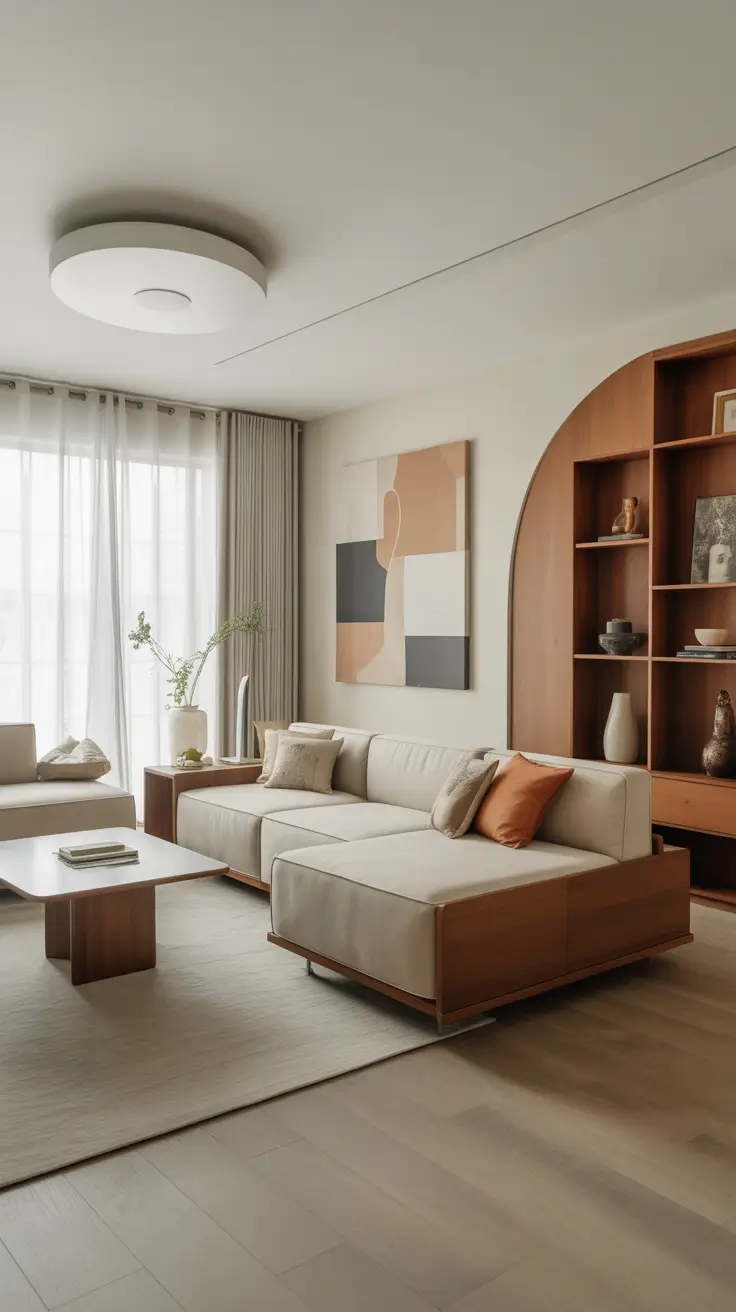
Furniture now includes hidden storage, convertible seating, and flexible layouts. I always recommend investing in pieces that serve multiple purposes without compromising style.
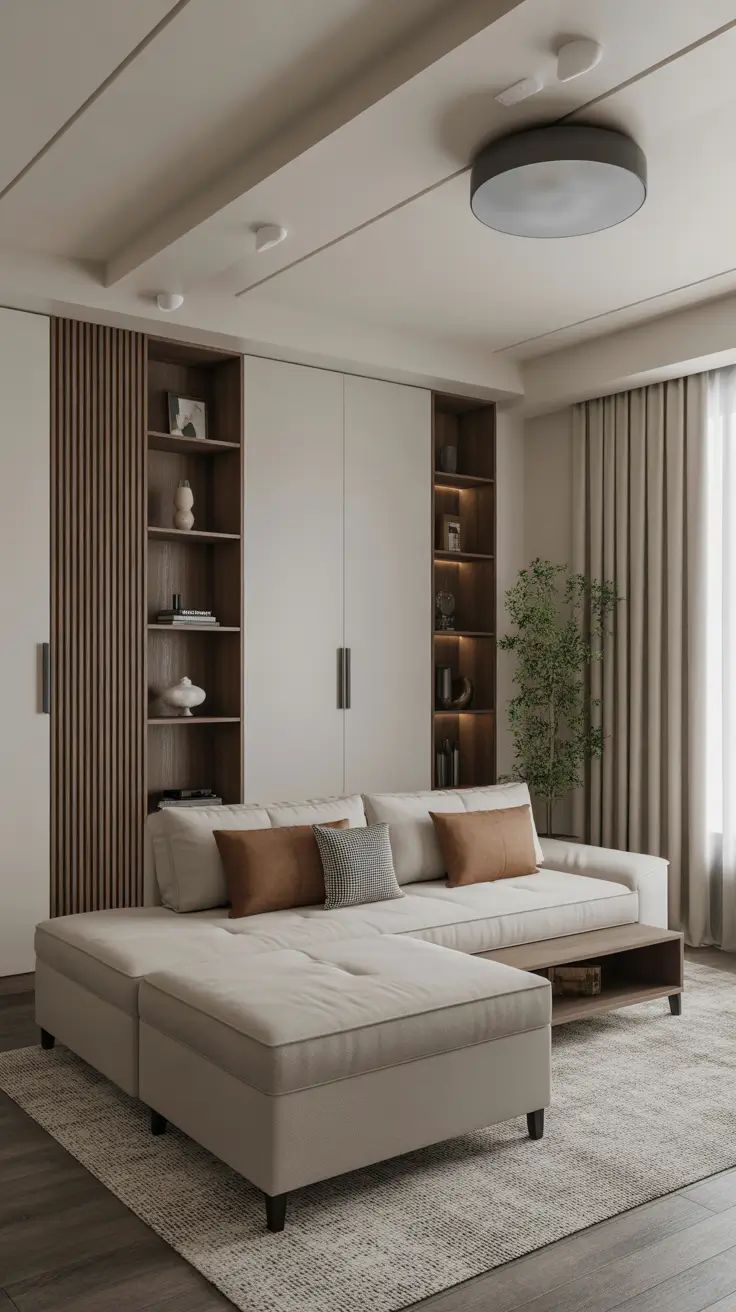
In my opinion, this trend reflects a broader lifestyle shift. Homes are no longer just places to relax – they are also workspaces and social hubs.
What could be added is a stronger emphasis on sustainability – choosing eco-friendly materials and long-lasting furniture should be a priority in this section.
New Living Room Designs Trends 2026 for Modern Homes
New living room designs trends 2026 embrace bold experimentation while maintaining a cohesive look. I notice that modern homes are moving away from predictable layouts and embracing asymmetry and artistic expression.
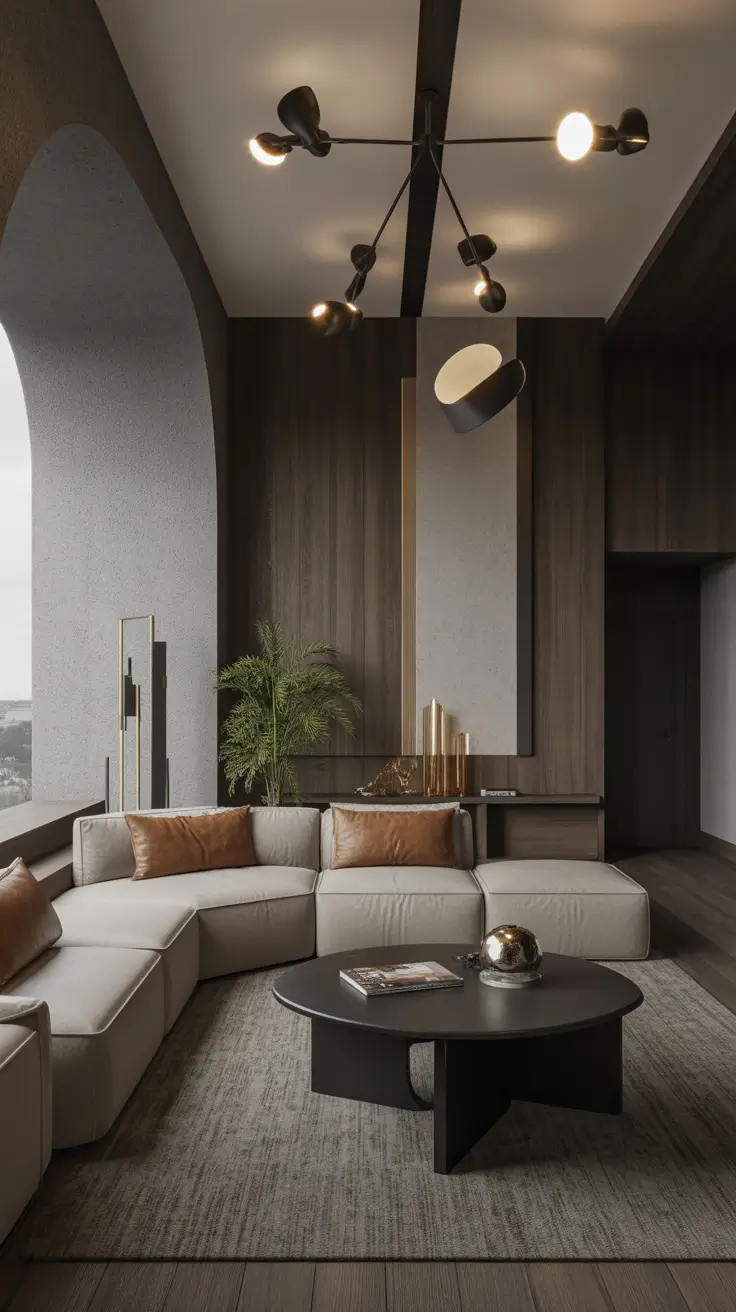
Statement furniture pieces, unique lighting fixtures, and bold accents define these interiors. I recommend using one or two standout elements rather than overwhelming the space.
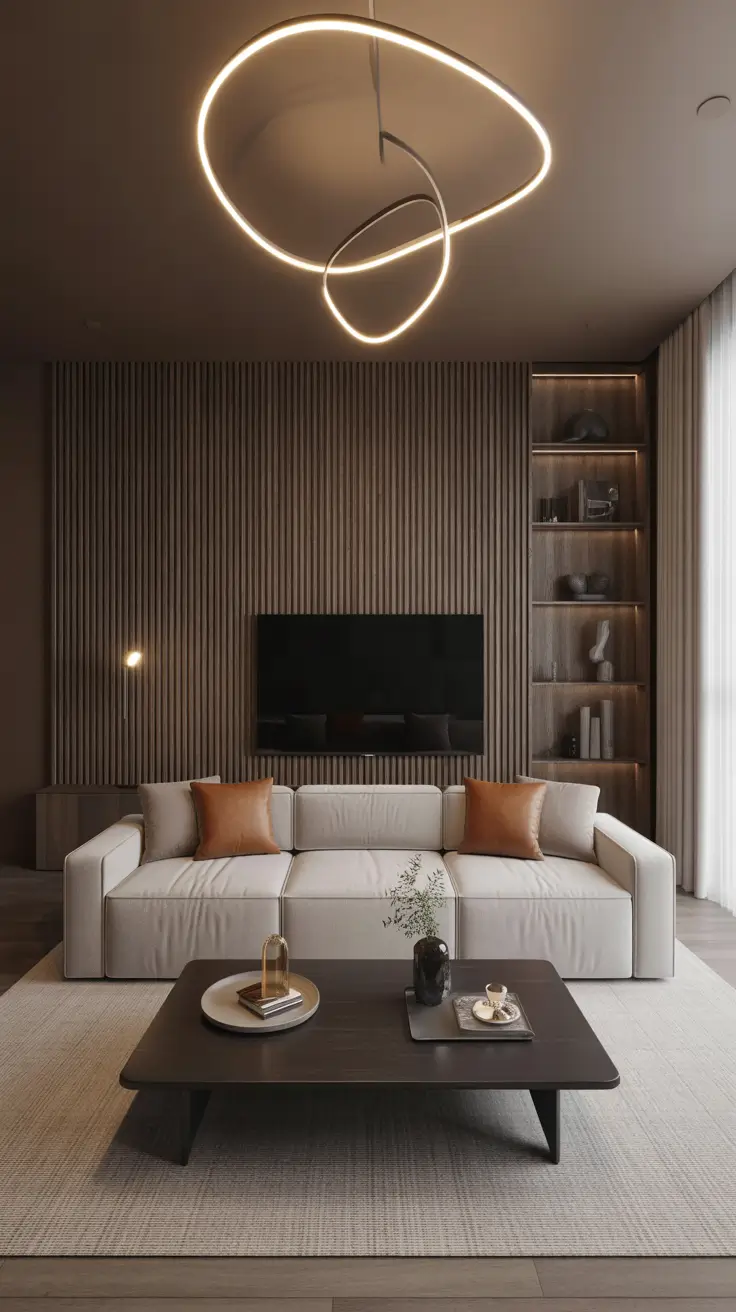
From my experience, restraint is key. Even the most creative designs need balance to remain functional and visually appealing.
What’s missing here is guidance on scale – understanding proportions is essential to prevent bold designs from becoming overwhelming.
Living Room Trends 2025 vs 2026: Key Style Evolution
Comparing living room trends in 2025 with 2026 reveals a clear evolution. I see 2025 as structured and minimal, while 2026 introduces softness and emotional warmth.
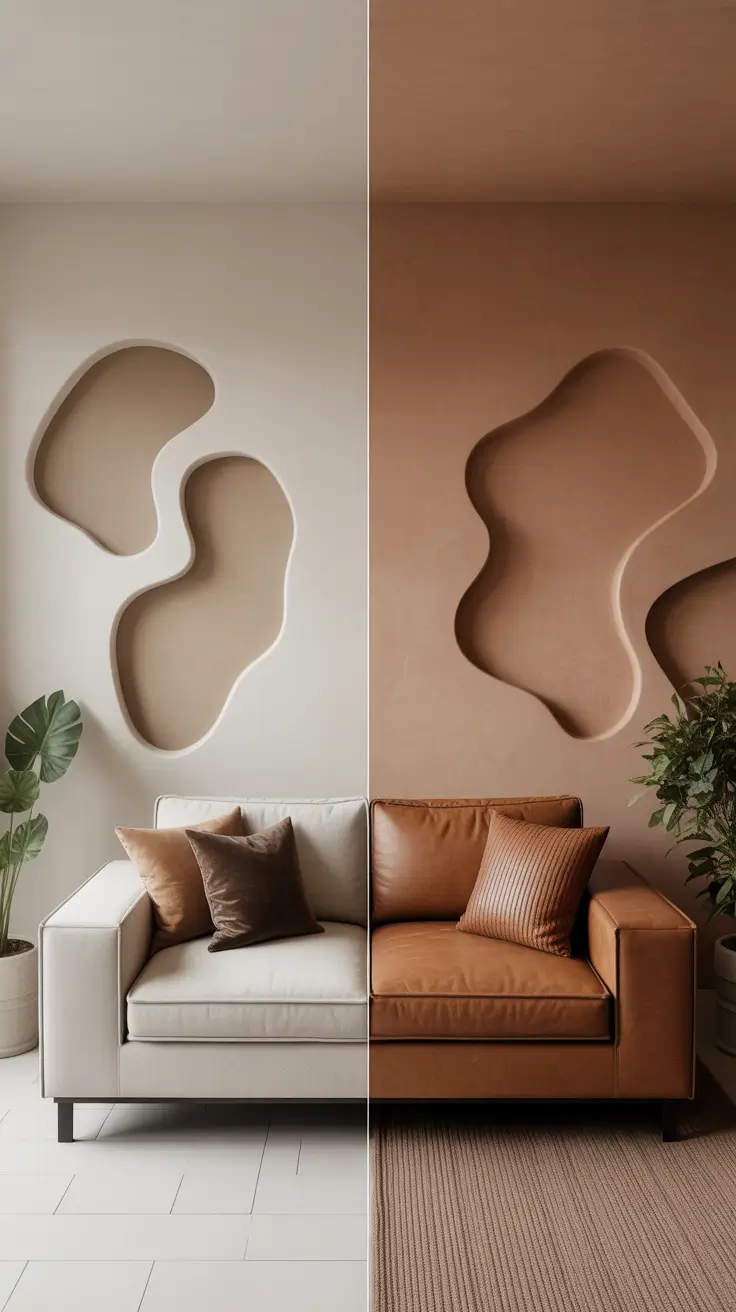
Furniture becomes more organic in shape, and colors shift from cool neutrals to warmer tones. I suggest gradually introducing these changes rather than redesigning the entire space at once.
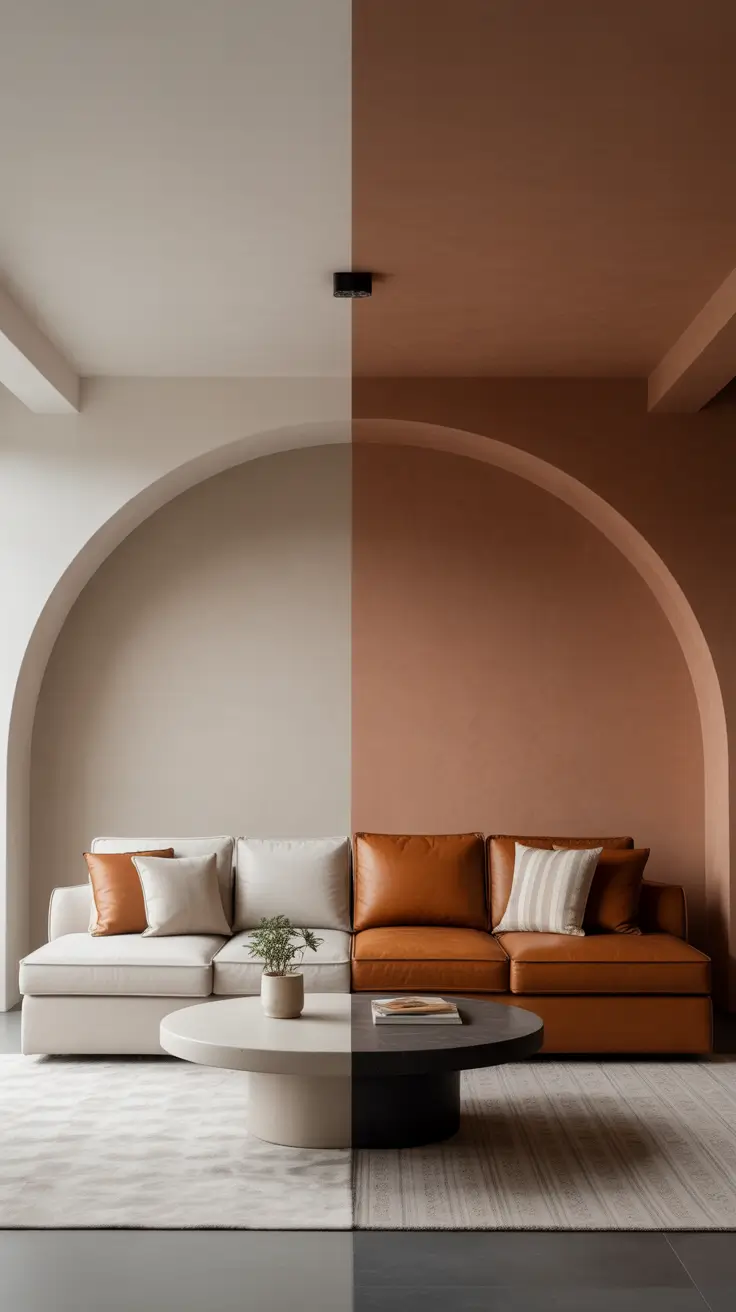
I believe this transition makes interiors feel more human-centered. Spaces are designed not just to look good but to feel good.
What I would add is a practical checklist – helping readers identify which 2025 elements they can keep and which should be updated.
The Newest Living Room Trends Color Palettes for 2026
Living room trends color in 2026 are all about depth and richness. I observe a move toward earthy tones, muted greens, terracotta, and warm neutrals that create a grounded atmosphere.
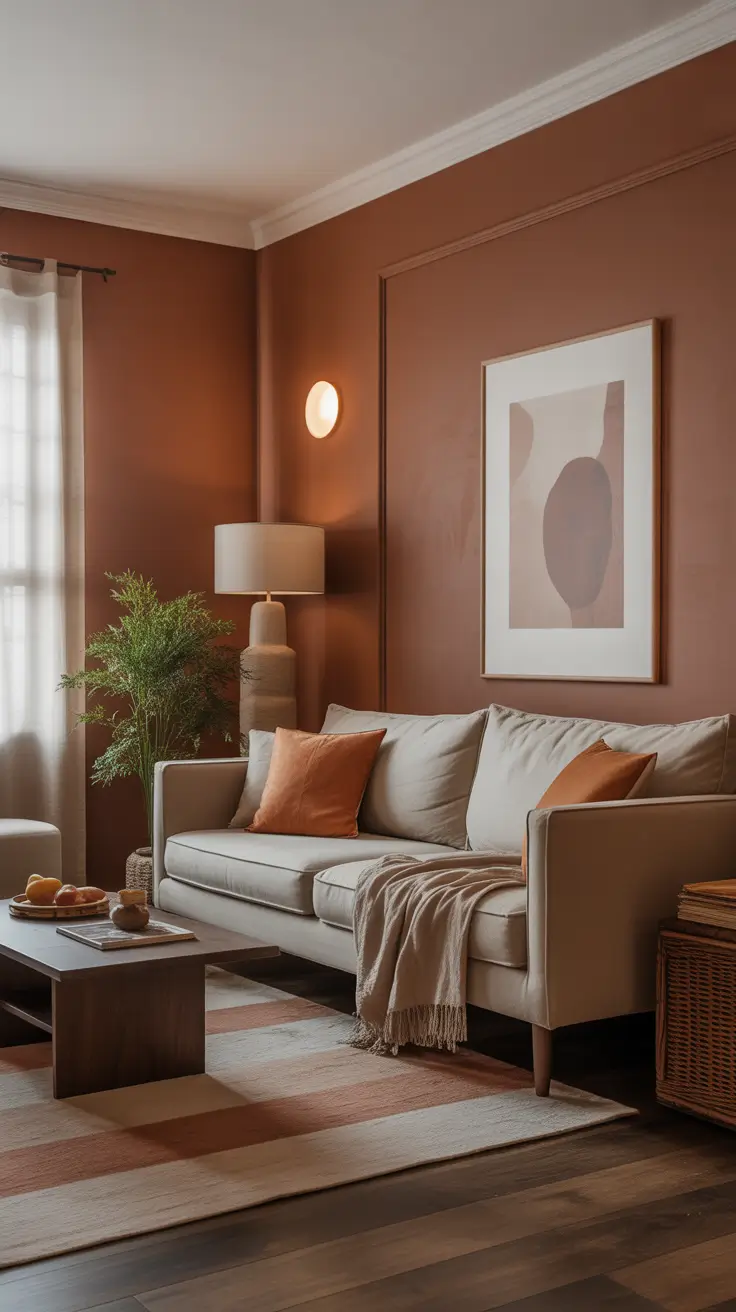
I recommend combining these colors with natural materials like wood and linen. Accent colors can be introduced through cushions, art, or rugs to avoid overwhelming the space.
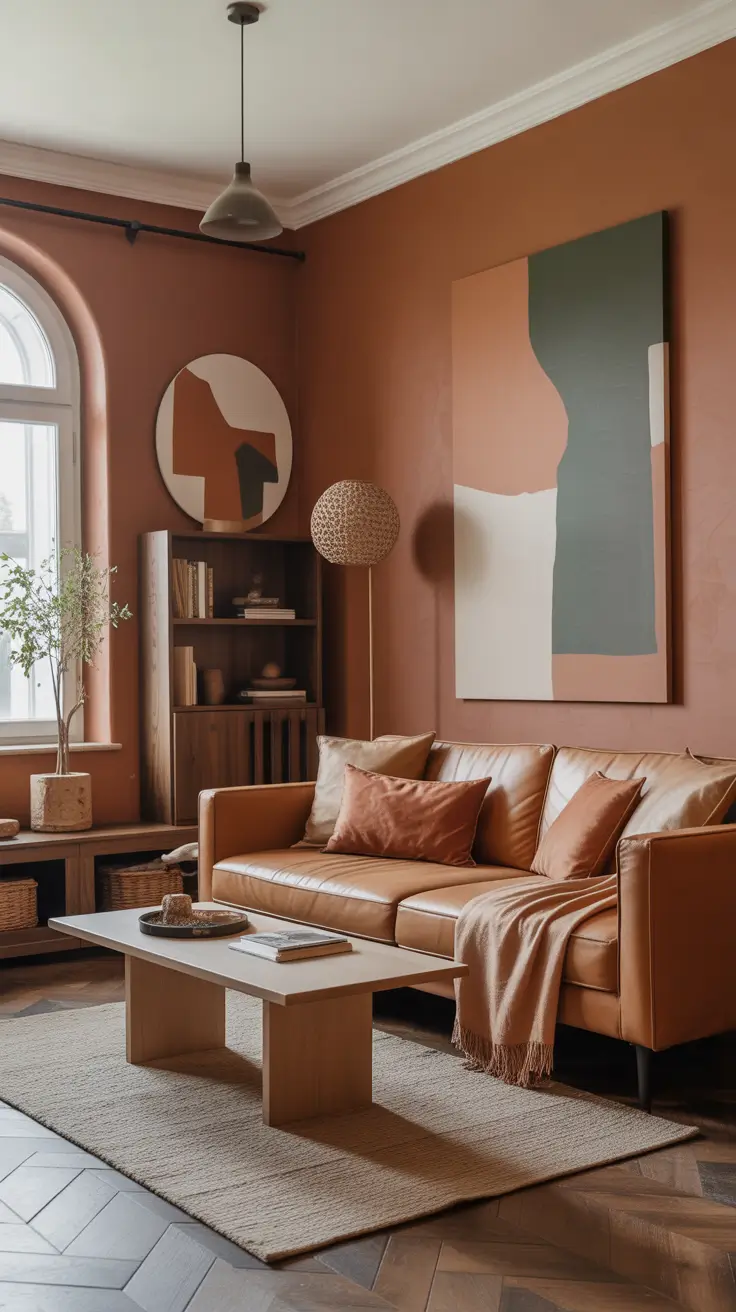
In my experience, color is one of the most powerful tools in design. Even small changes can dramatically transform a room’s mood.
What’s missing is guidance on lighting – how natural and artificial light affects color perception should be considered when choosing palettes.
Spring 2026 Living Room Trends: Fresh Seasonal Inspiration
Spring 2026 brings lighter, fresher interpretations of broader trends. I notice an emphasis on airy layouts, soft textiles, and subtle color accents that reflect the season.
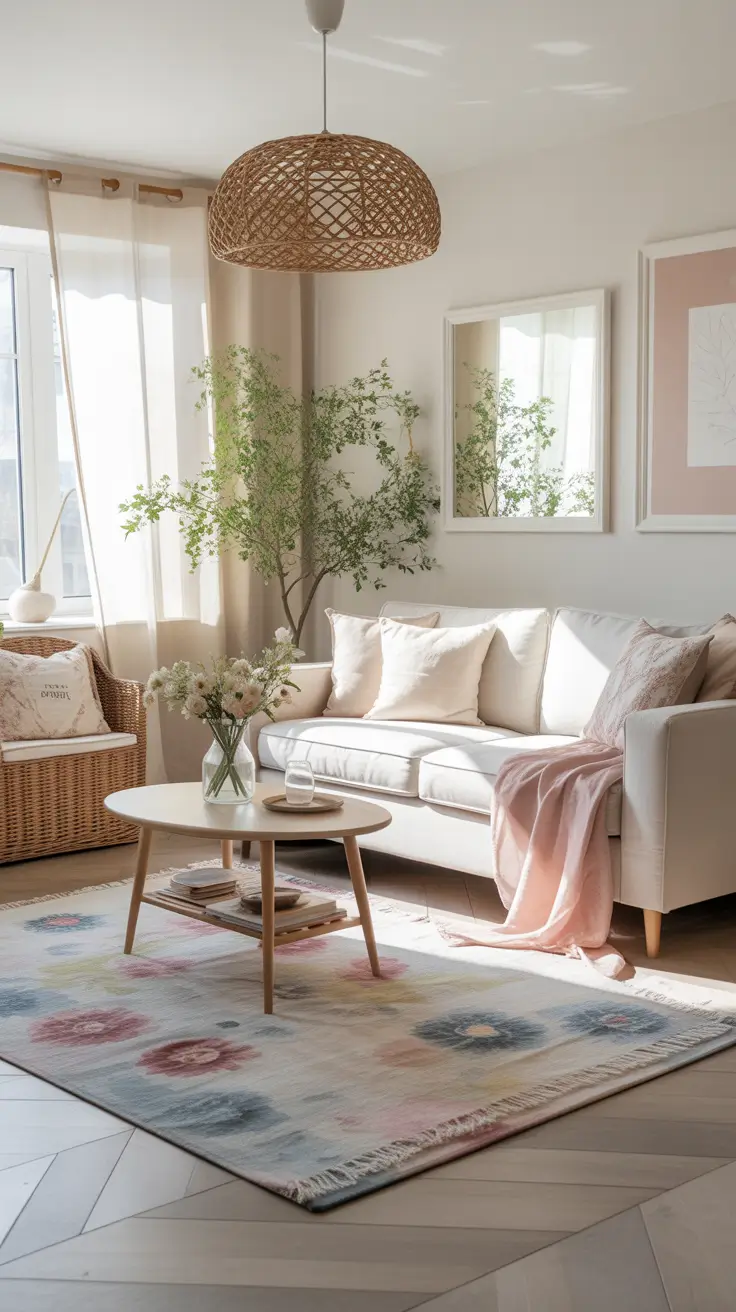
I suggest incorporating lightweight fabrics, floral elements, and natural light to create a refreshing atmosphere. These updates align with both current and seasonal living room trends.
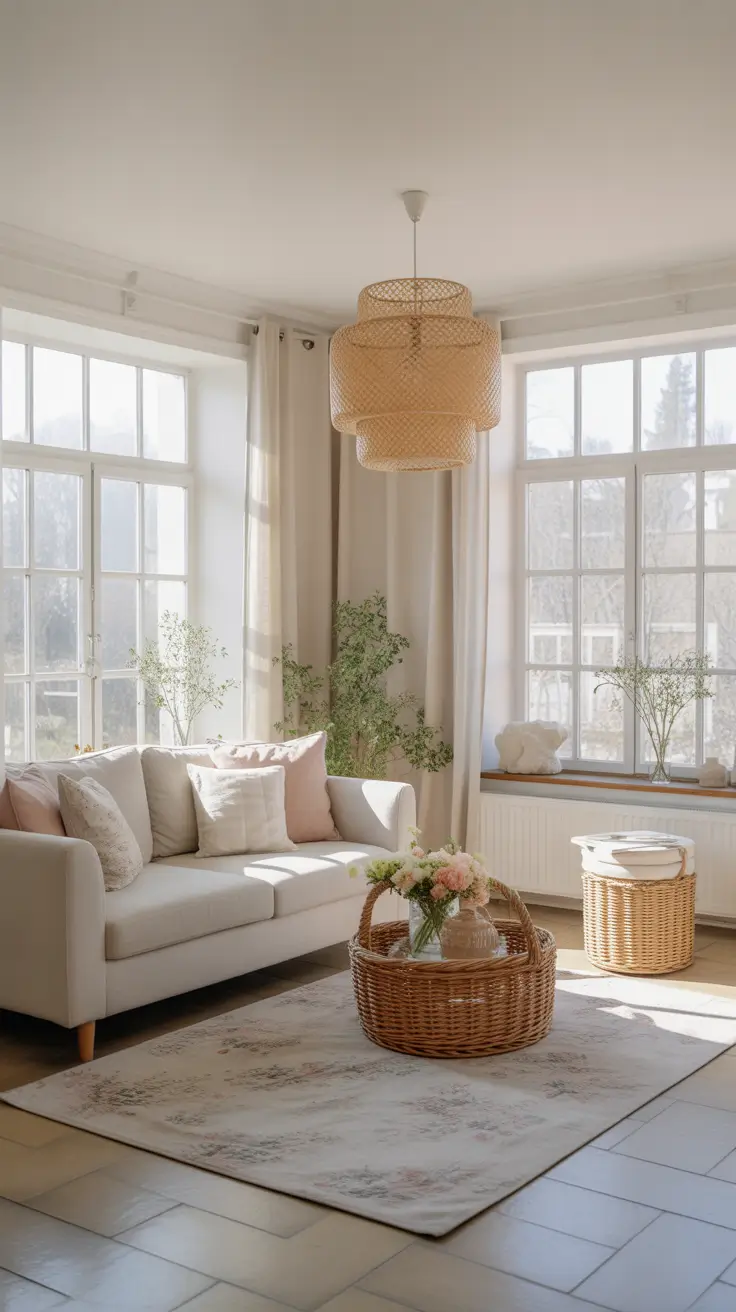
Personally, I enjoy seasonal updates because they allow for experimentation without long-term commitment. Small changes can make a big impact.
What I would add here is flexibility – recommending interchangeable decor pieces that can be easily updated for different seasons.
Sofa Design Trends 2026: Shapes, Materials, and Comfort
I see sofa design in 2026 becoming the centerpiece of the living room, not just in function but in visual identity. The shift from rigid silhouettes to soft, curved forms is one of the most noticeable updates in living room trends for 2026. Comfort is no longer secondary – it defines the entire space.
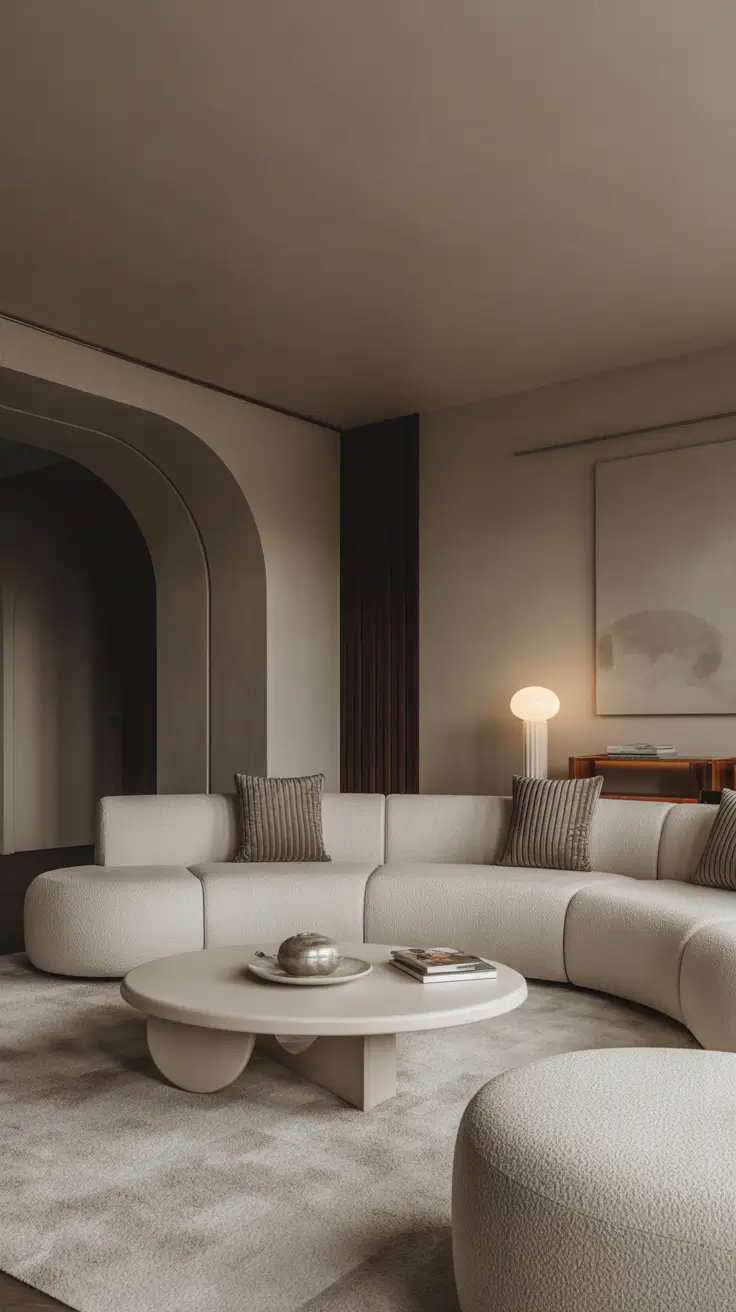
I recommend choosing sofas with rounded edges, deep seating, and tactile fabrics such as boucle, velvet, or soft linen. Modular configurations are especially valuable, as they allow flexibility depending on the room layout. These choices reflect both practicality and alignment with the latest living room trends.
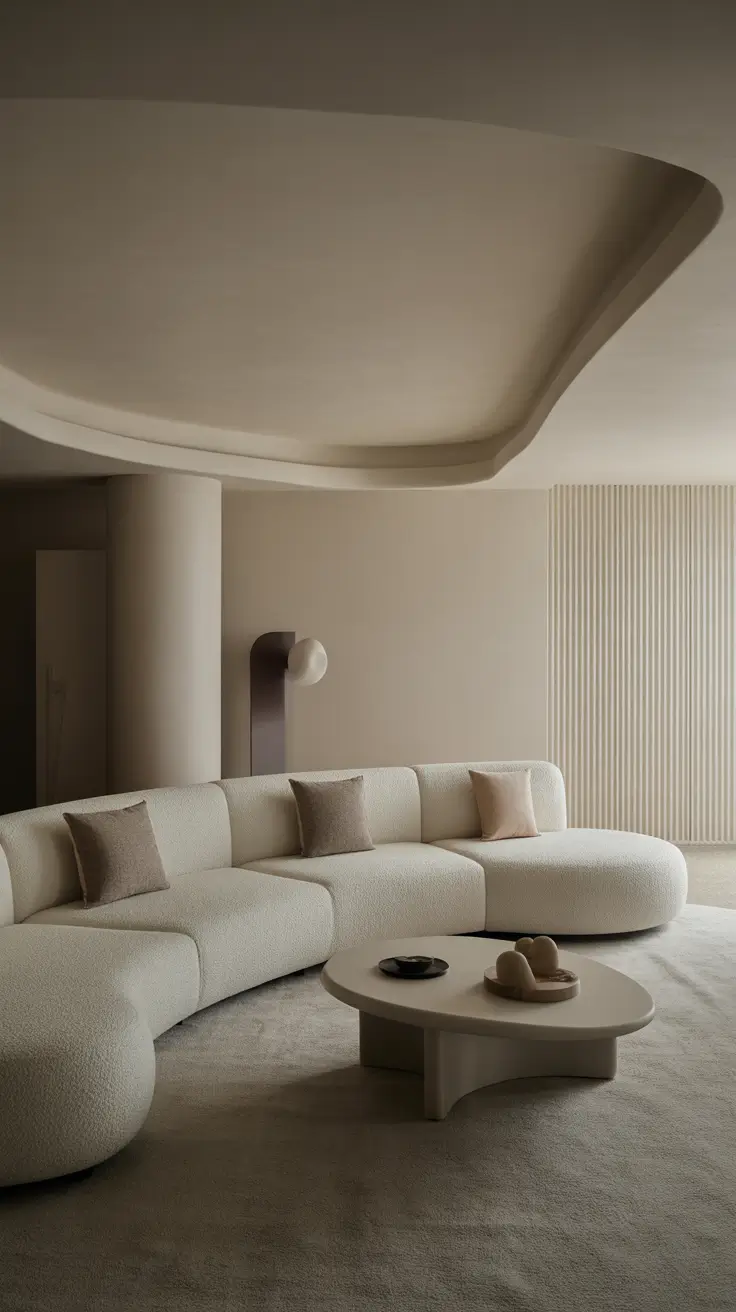
From my experience, investing in a high-quality sofa transforms the entire room. Many designers highlight that seating should anchor the design, and I fully agree – it sets the tone for everything else.
What I would add here is a consideration of scale and placement – ensuring the sofa fits proportionally within the room while maintaining comfortable circulation space.
Living Room Trends Color Ideas That Define 2026 Interiors
Living room trends color ideas for 2026 focus on emotional impact and depth. I notice that colors are no longer just background elements – they actively shape the mood of the space.
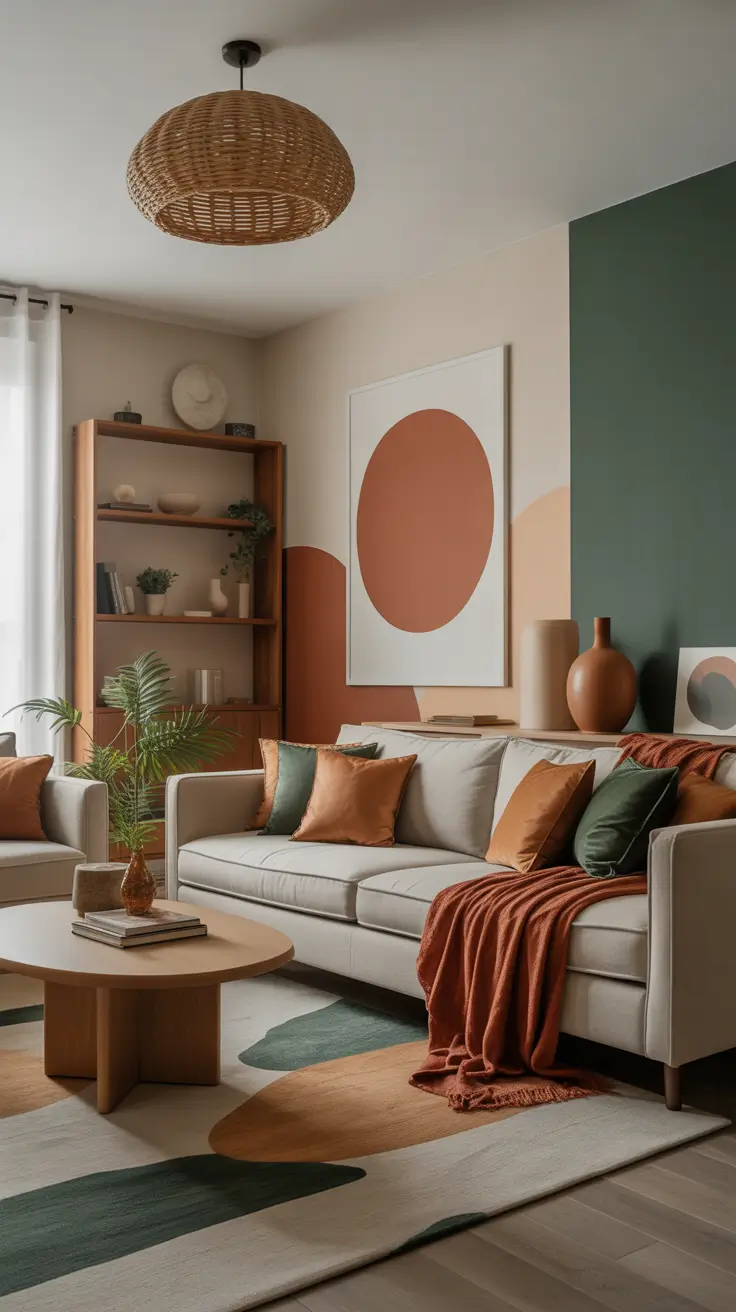
I suggest combining warm neutrals with bold accents such as deep green, burnt orange, or soft blue. Walls, furniture, and decor should work together to create a cohesive palette. This approach aligns with living room trends 2025 color while evolving into something richer.
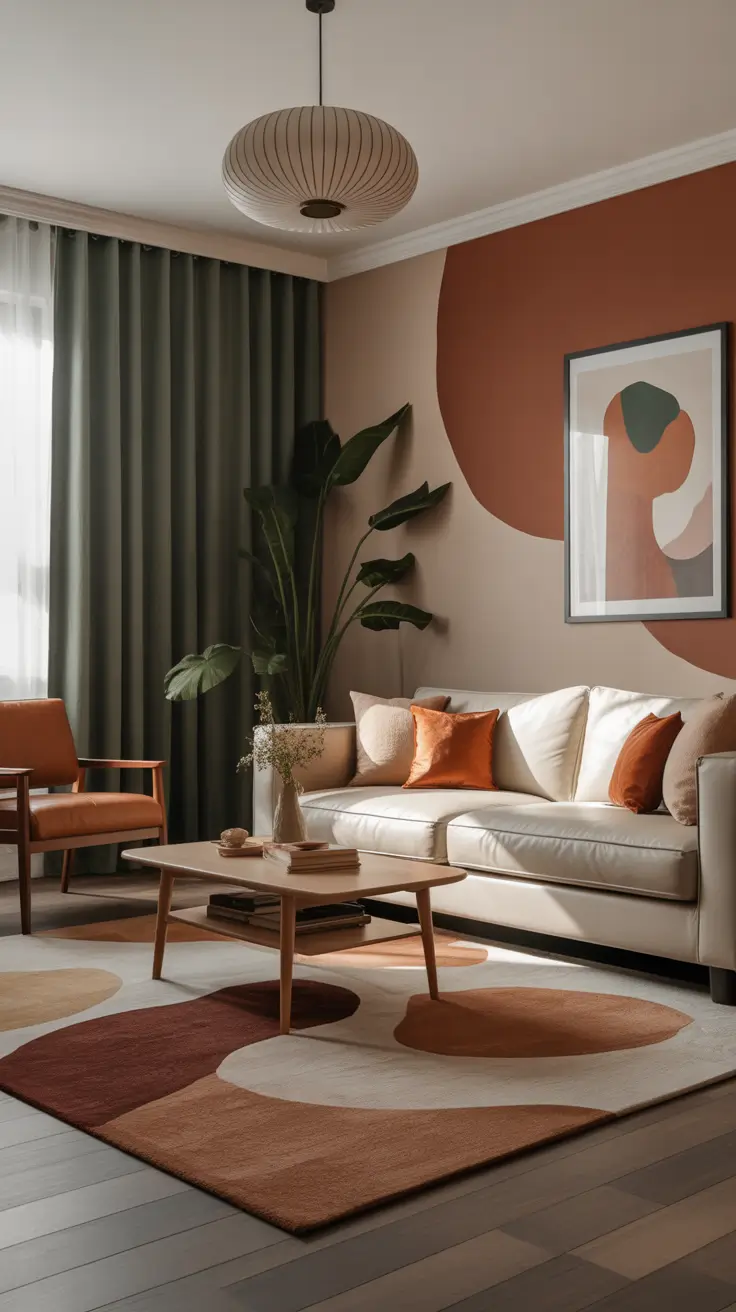
In my opinion, color layering is essential. A single tone is rarely enough – combining shades and textures creates a more dynamic and sophisticated interior.
What’s missing here is guidance on contrast – how to balance bold tones with neutral elements to avoid visual overload.
Modern Wall Decor Living Room Design Trends for 2026
Modern wall decor living room design trends are becoming more artistic and expressive in 2026. I observe a move away from generic wall art toward curated, meaningful displays.
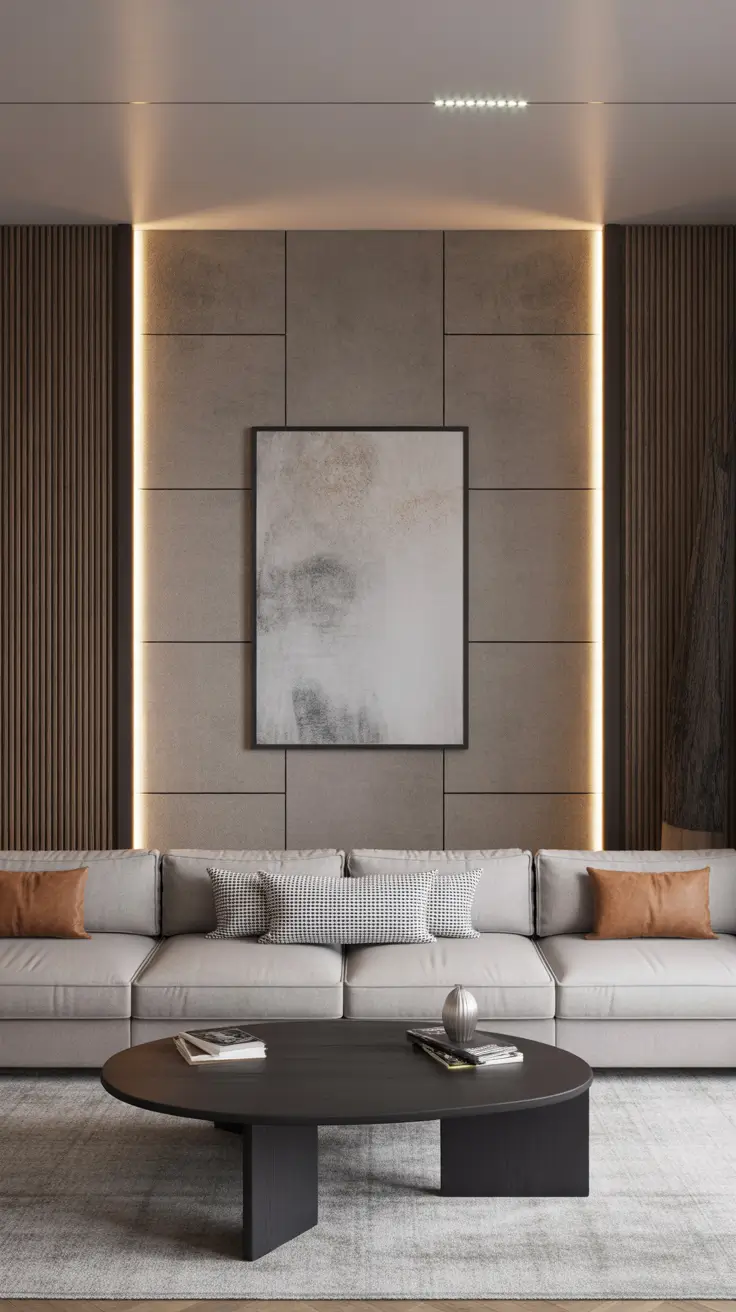
I recommend combining large-scale artwork, textured panels, and subtle lighting to create depth. Wall decor should not feel like an afterthought – it must be integrated into the overall design concept.
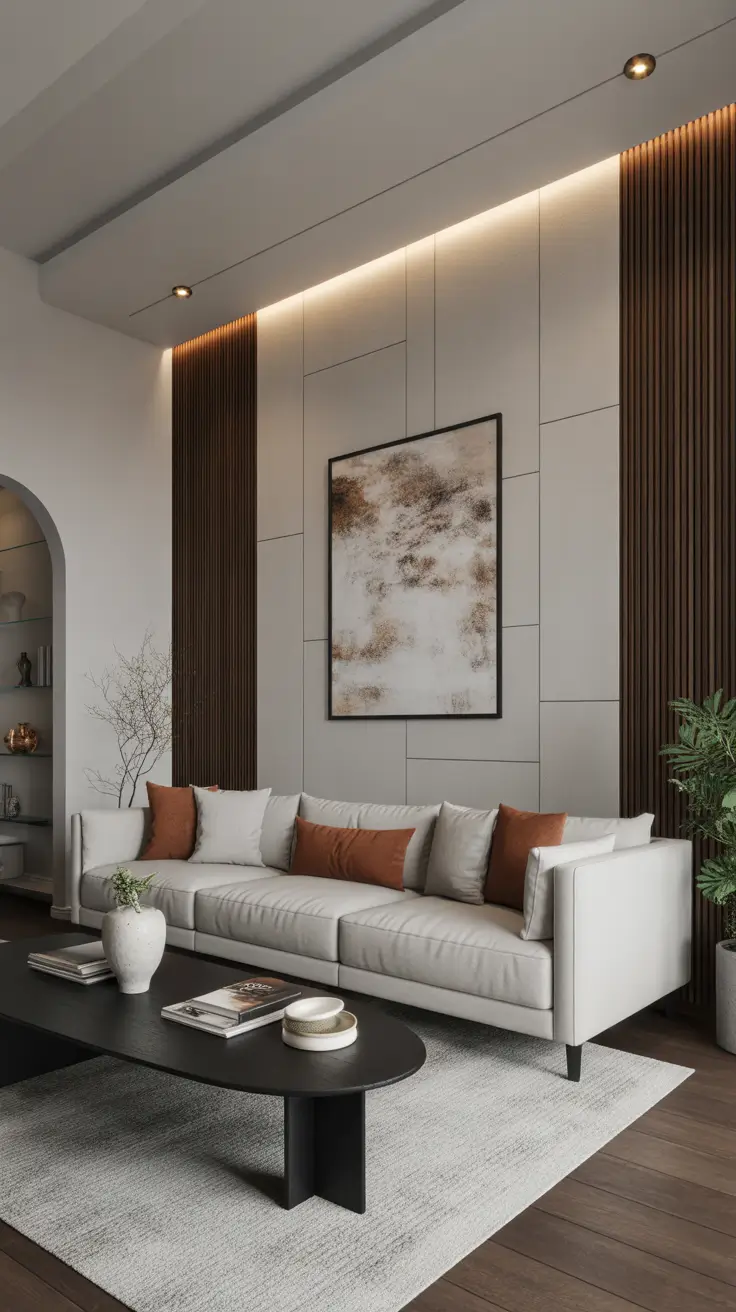
Personally, I find that statement walls can completely redefine a space. Designers often emphasize storytelling through decor, and I believe this approach adds authenticity to interiors.
What I would add is a focus on layering – combining different materials and art styles to create a richer visual experience.
Living Room Wallpaper Trends 2025 Transitioning into 2026
Living room wallpaper trends 2025 are evolving into more refined and artistic applications in 2026. I notice that wallpaper is no longer just decorative – it becomes a focal point.
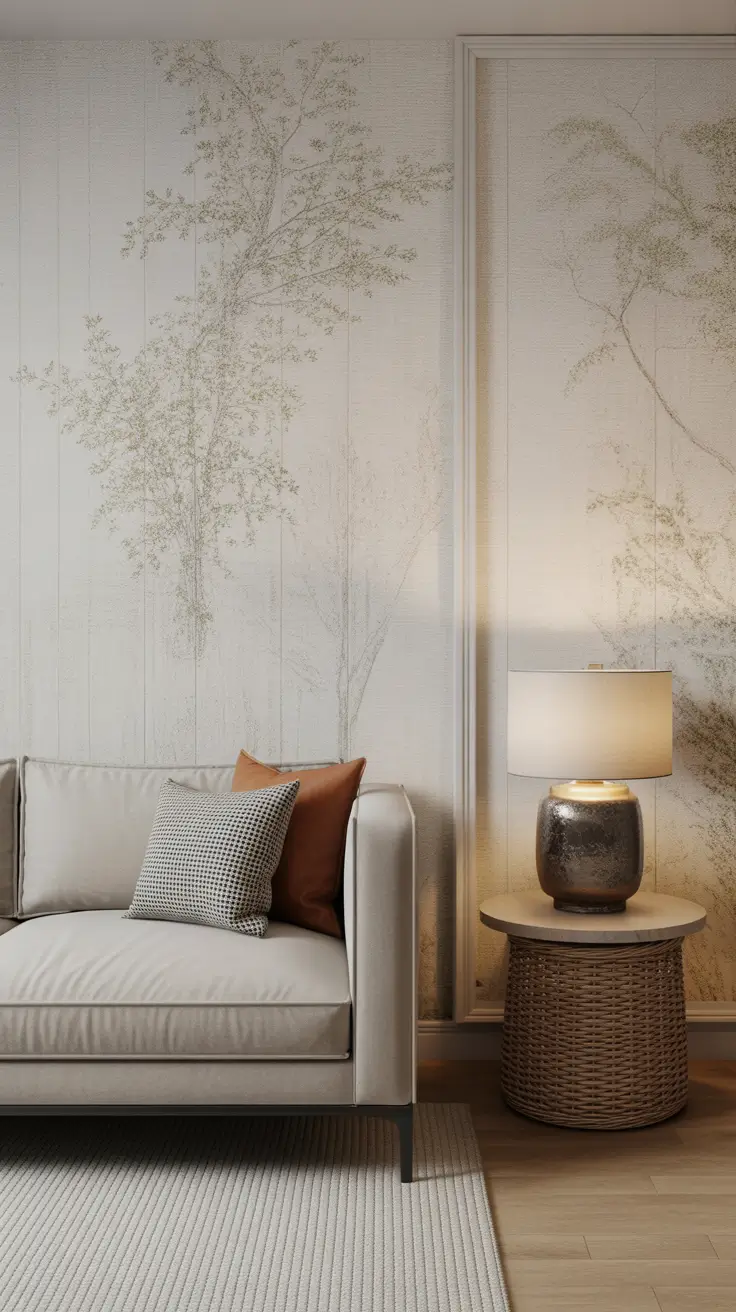
I suggest choosing subtle patterns, textured finishes, or nature-inspired designs. These options add character without overwhelming the space. Wallpaper can also help define zones within an open-plan layout.
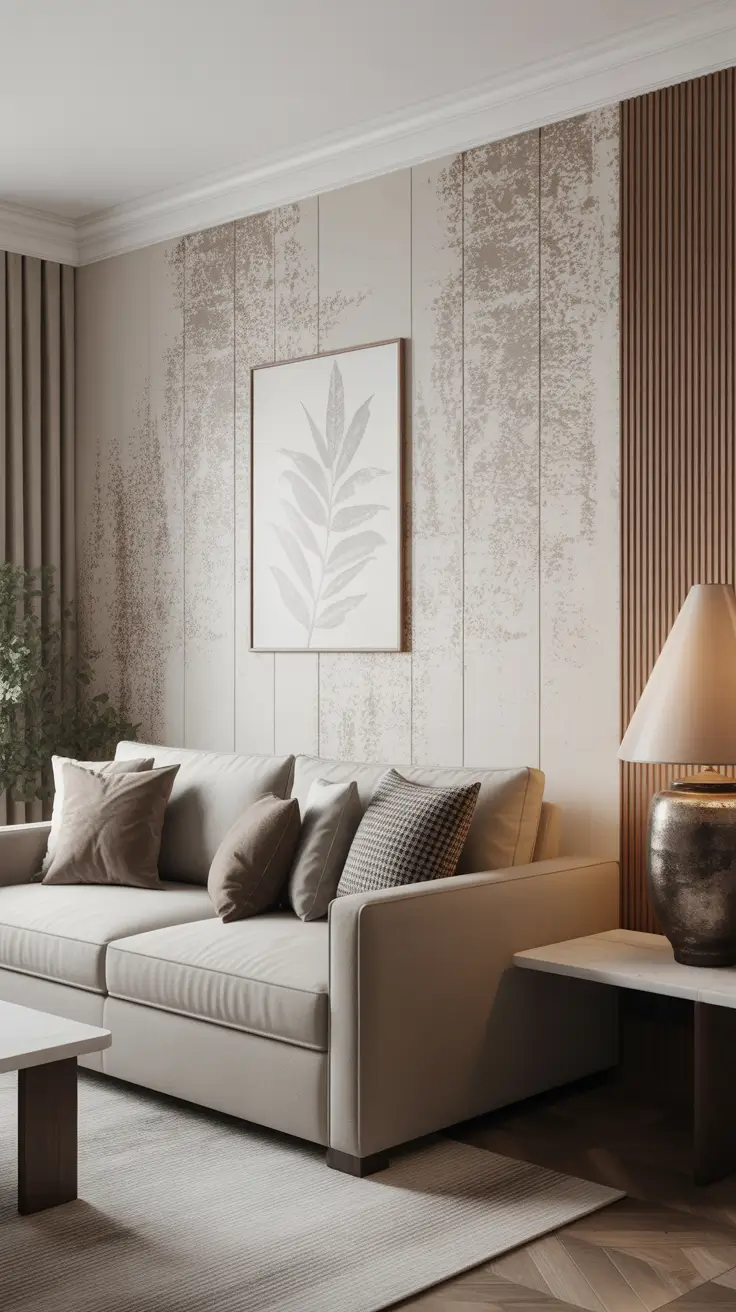
From my experience, wallpaper works best when paired with simple furniture. This balance prevents the room from feeling overly busy.
What’s missing here is practical advice on placement – identifying which walls should be highlighted and which should remain neutral.
2025 Living Room Decor Trends That Are Still Relevant in 2026
Many 2025 living room decor trends remain relevant, especially those focused on simplicity and functionality. I see continuity in the use of neutral palettes, natural materials, and clean lines.
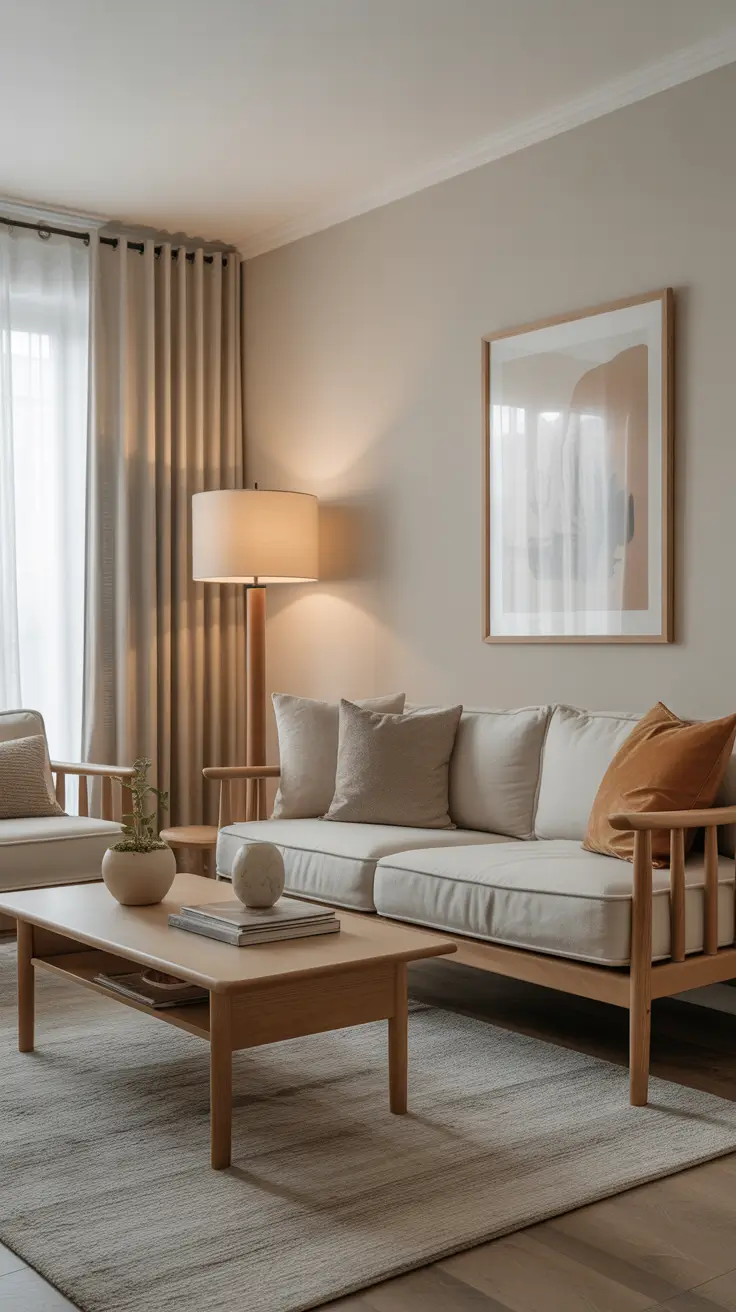
I recommend keeping foundational elements such as wooden furniture, minimalist shelving, and soft textiles. These pieces transition seamlessly into living room designs trends 2026.
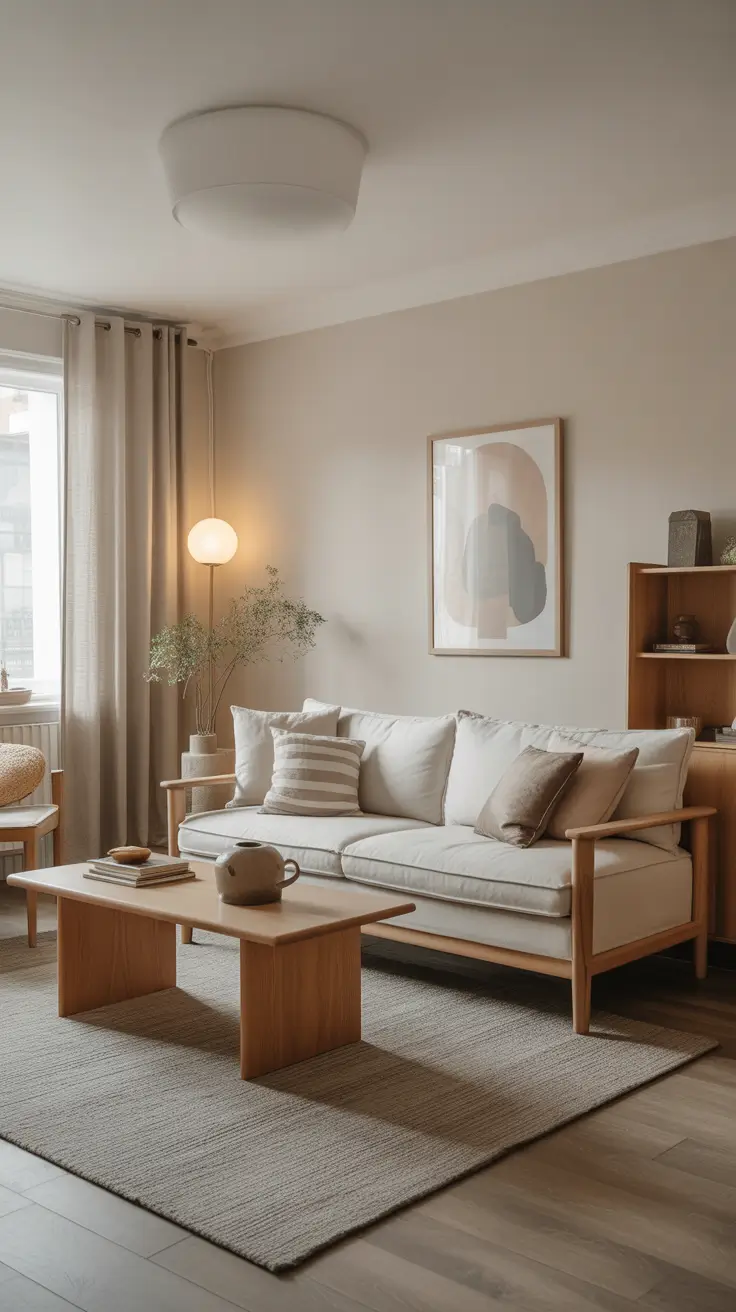
In my opinion, not everything needs to be replaced. Updating key accents can refresh a space without a full redesign.
What I would add is a strategy for blending old and new – ensuring that retained elements feel intentional rather than outdated.
Living Room Trends in 2025 That Influence 2026 Styles
Living room trends in 2025 laid the groundwork for many ideas that now define 2026 interiors. I notice that concepts like sustainability, comfort, and personalization continue to evolve rather than disappear.
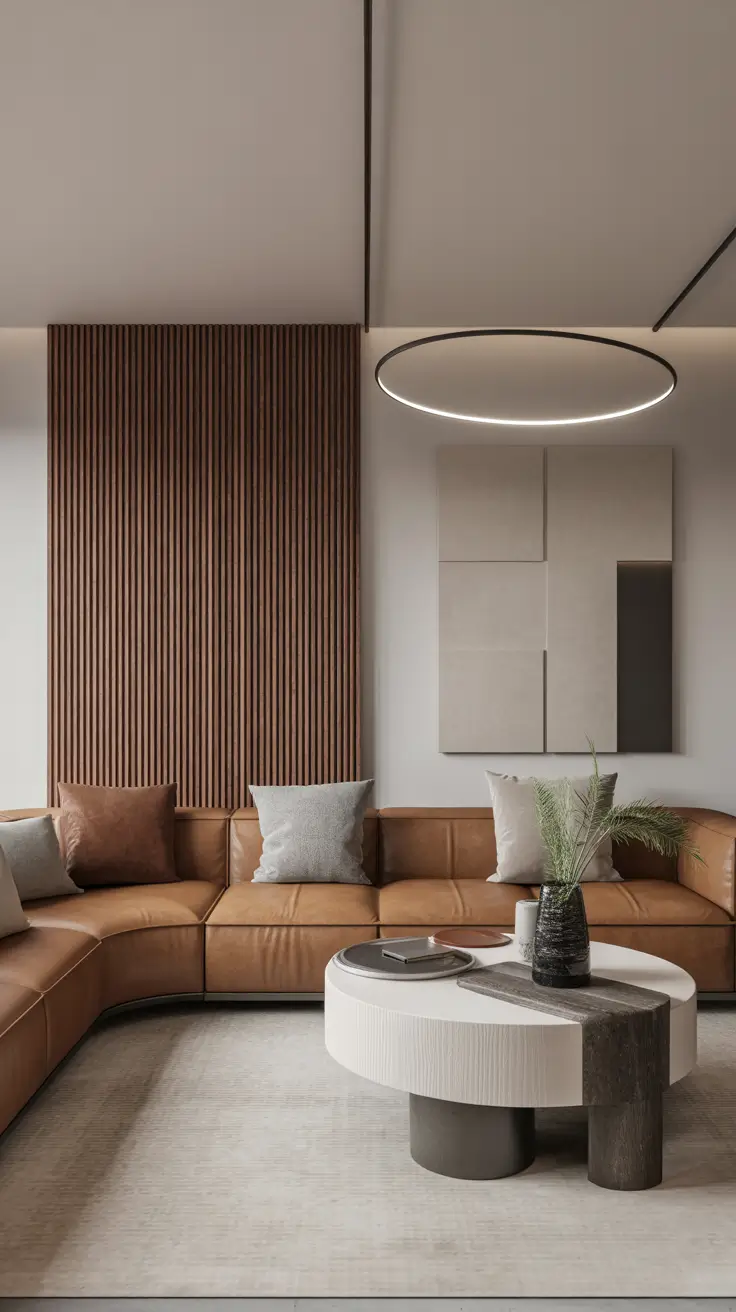
I suggest building on these foundations by adding more expressive elements such as bold textures or unique decor pieces. This approach keeps the design current while maintaining coherence.
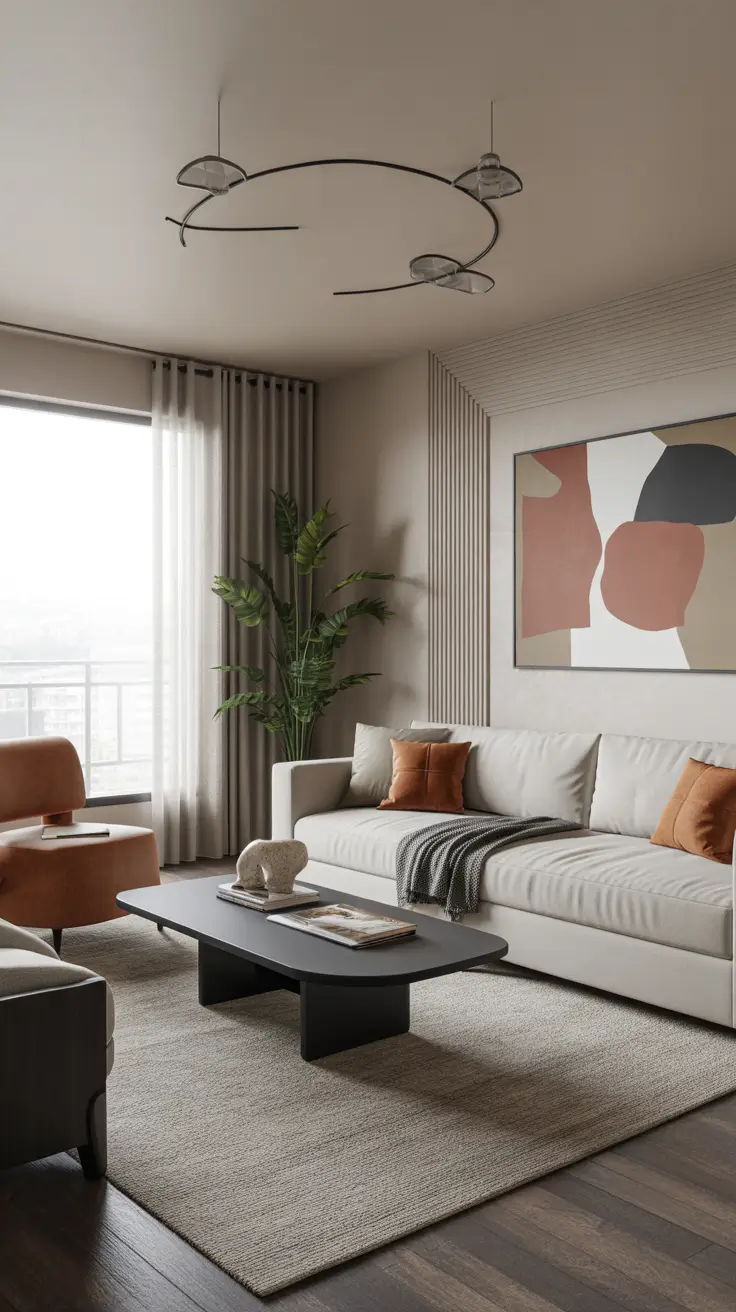
From my experience, the best interiors evolve gradually. Sudden changes often feel disconnected, while thoughtful updates create harmony.
What’s missing here is a clearer roadmap – helping readers understand how to transition step by step from 2025 to 2026 styles.
Living Room Trends 2024-2025 Carrying Into 2026
I see a clear continuity between living room trends 2024-2025 and what defines interiors in 2026. The foundation remains rooted in comfort, layered textures, and balanced color palettes. Soft neutrals combined with earthy tones continue to dominate, while layouts prioritize openness and natural light. These transitional designs are practical because they allow homeowners to update gradually without a full redesign.
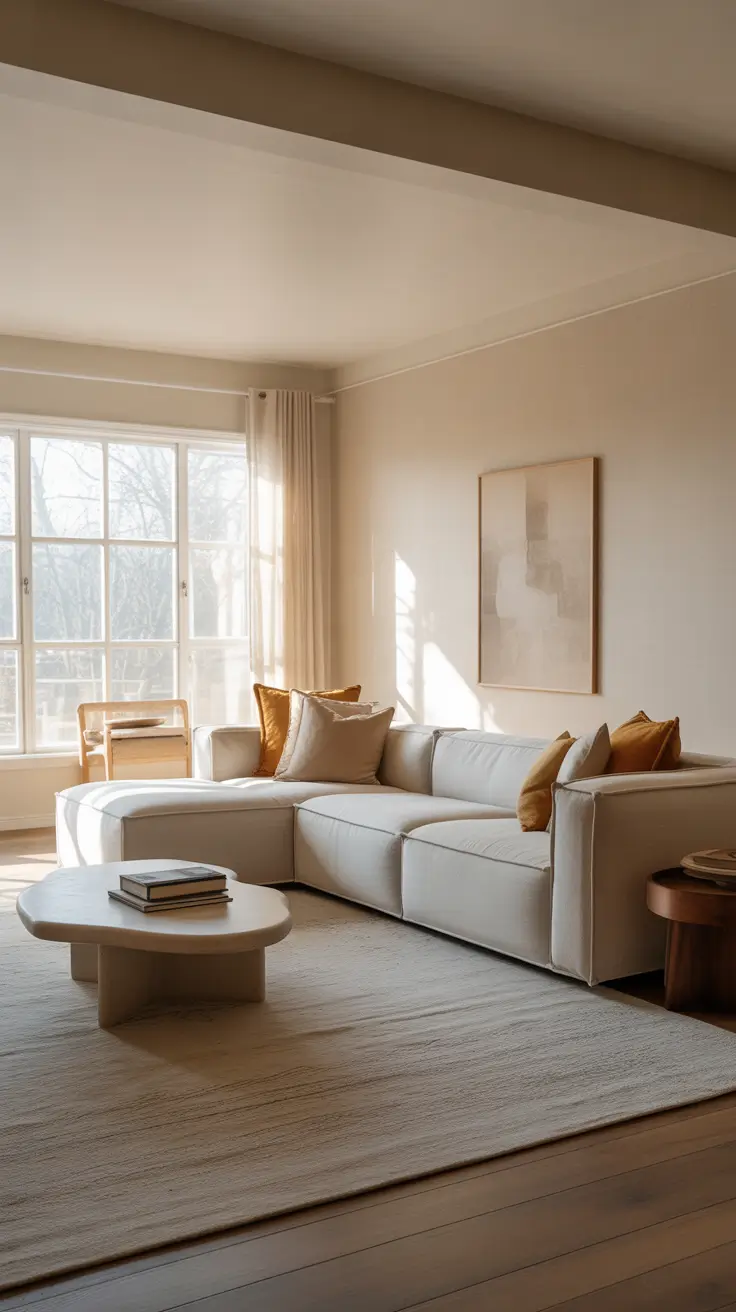
I typically include modular sofa design solutions, textured rugs, and organic materials like wood and linen. These elements remain relevant because they provide flexibility and timeless appeal. Wall treatments inspired by living room wallpaper trends 2025 also carry forward, especially subtle patterns and tactile finishes that add depth without overwhelming the space.
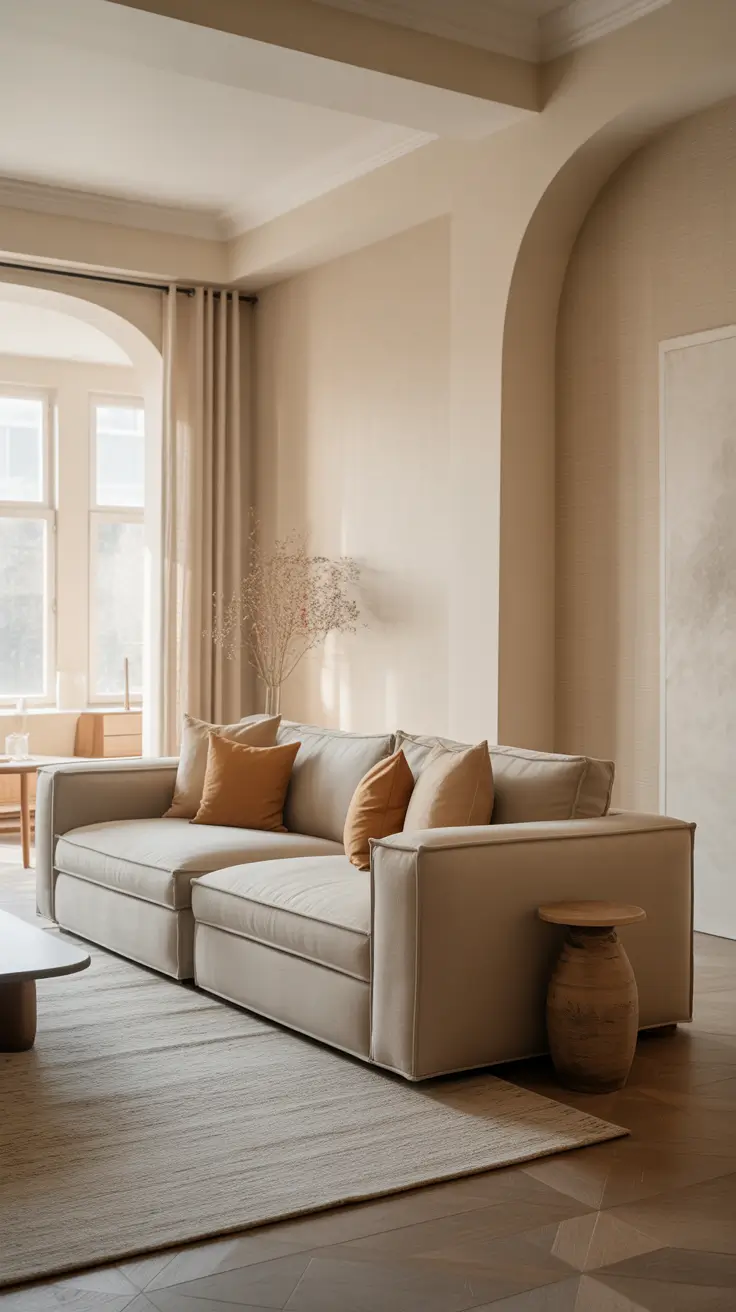
From my experience, the most successful interiors are those that evolve rather than restart. Publications like Architectural Digest often emphasize continuity in design, and I agree with that approach. It ensures that investments made in 2025 remain valuable in 2026.
I would add more emphasis on transitional lighting solutions here, such as layered ambient and accent lighting, which are essential for bridging older trends with newer aesthetics.
Living Room Trends 2025 UK Inspirations for Global Interiors
I notice that living room trends 2025 UK are strongly influencing global interiors, especially through their blend of classic and contemporary styles. British interiors often balance heritage elements with modern simplicity, creating spaces that feel both refined and approachable. This approach translates well into 2026 interior design because it avoids extremes.
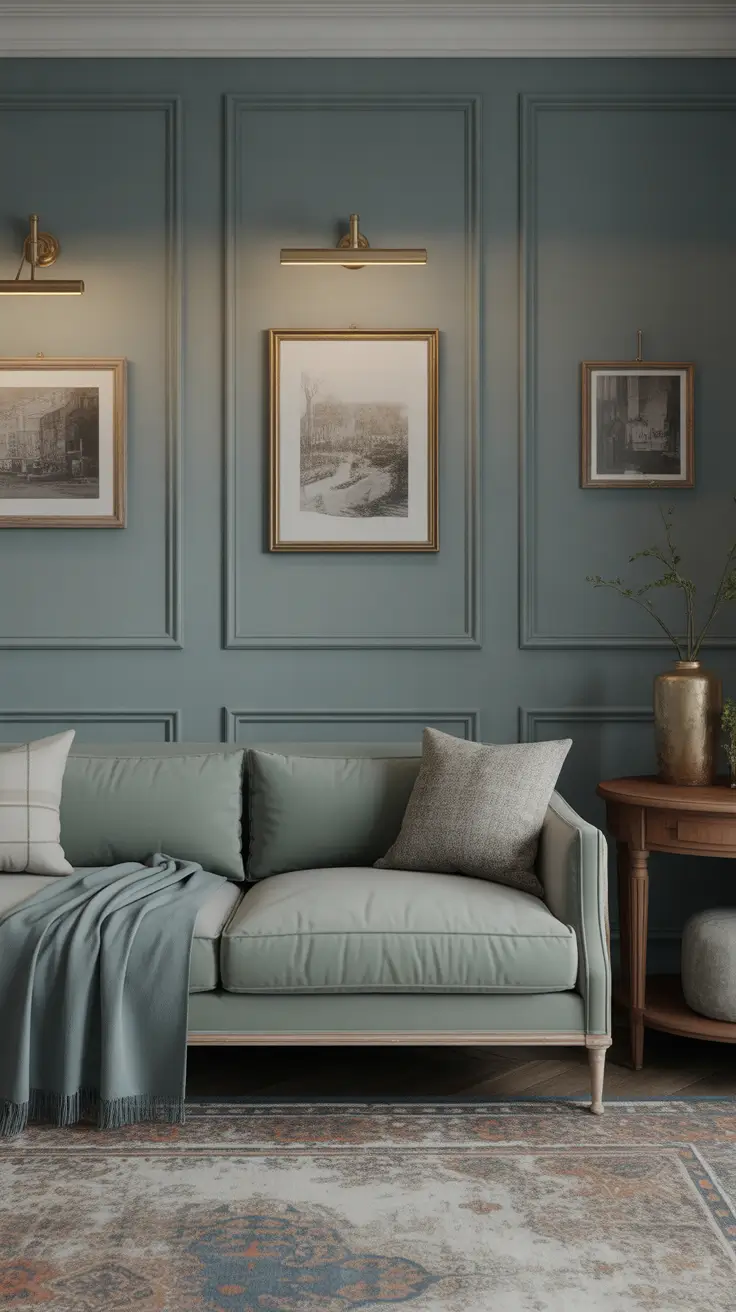
I often incorporate tailored sofas, muted color palettes like sage green and dusty blue, and elegant wall paneling. These elements work together to create a cohesive and sophisticated environment. Accessories such as brass lighting fixtures and curated artwork enhance the overall composition without making it feel cluttered.
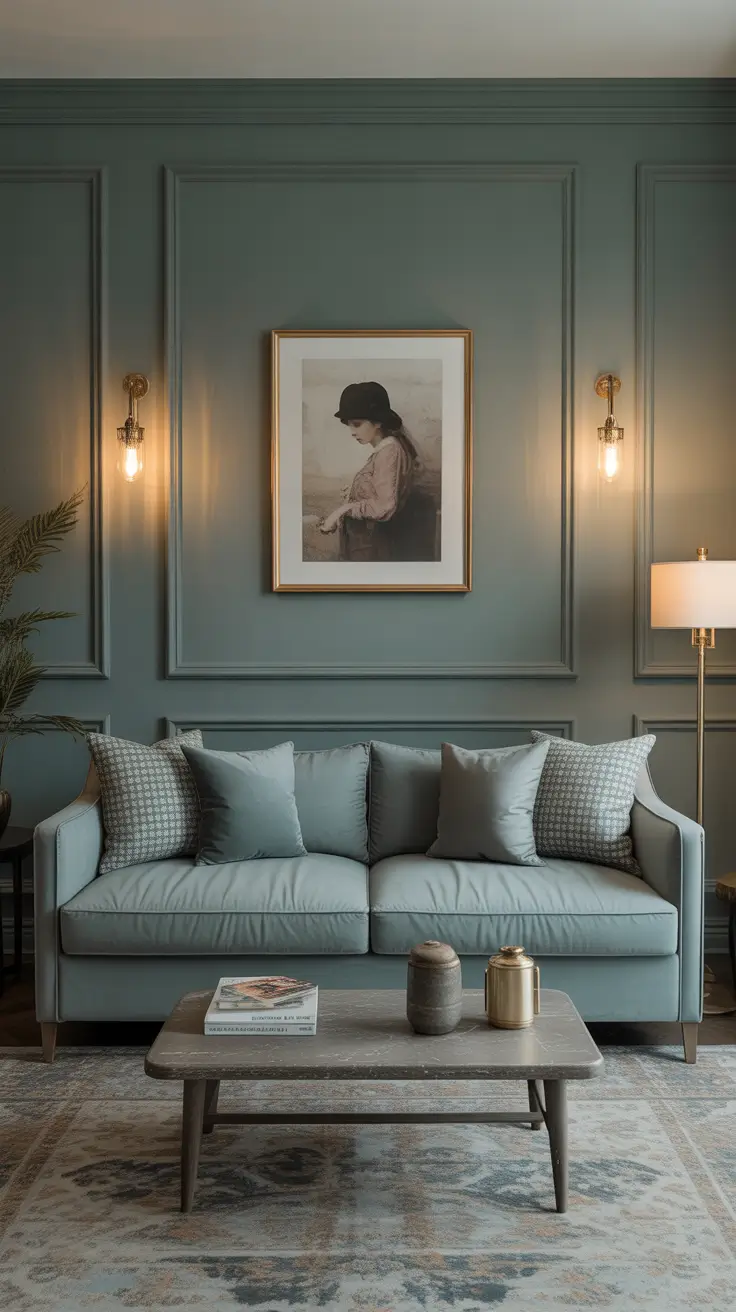
In my opinion, UK-inspired interiors succeed because they prioritize longevity over fleeting trends. Designers frequently highlight the importance of craftsmanship, which I find essential when creating a living room that will remain relevant for years.
What could strengthen this section is a deeper exploration of textiles, particularly how layered fabrics contribute to both comfort and visual richness.
Living Room Trends 2025 Interior Design Shaping Future Spaces
When I analyze living room trends 2025 interior design, I see them as the blueprint for future spaces. These designs emphasize adaptability, allowing rooms to serve multiple purposes while maintaining a cohesive aesthetic. This is especially important as living spaces continue to evolve.
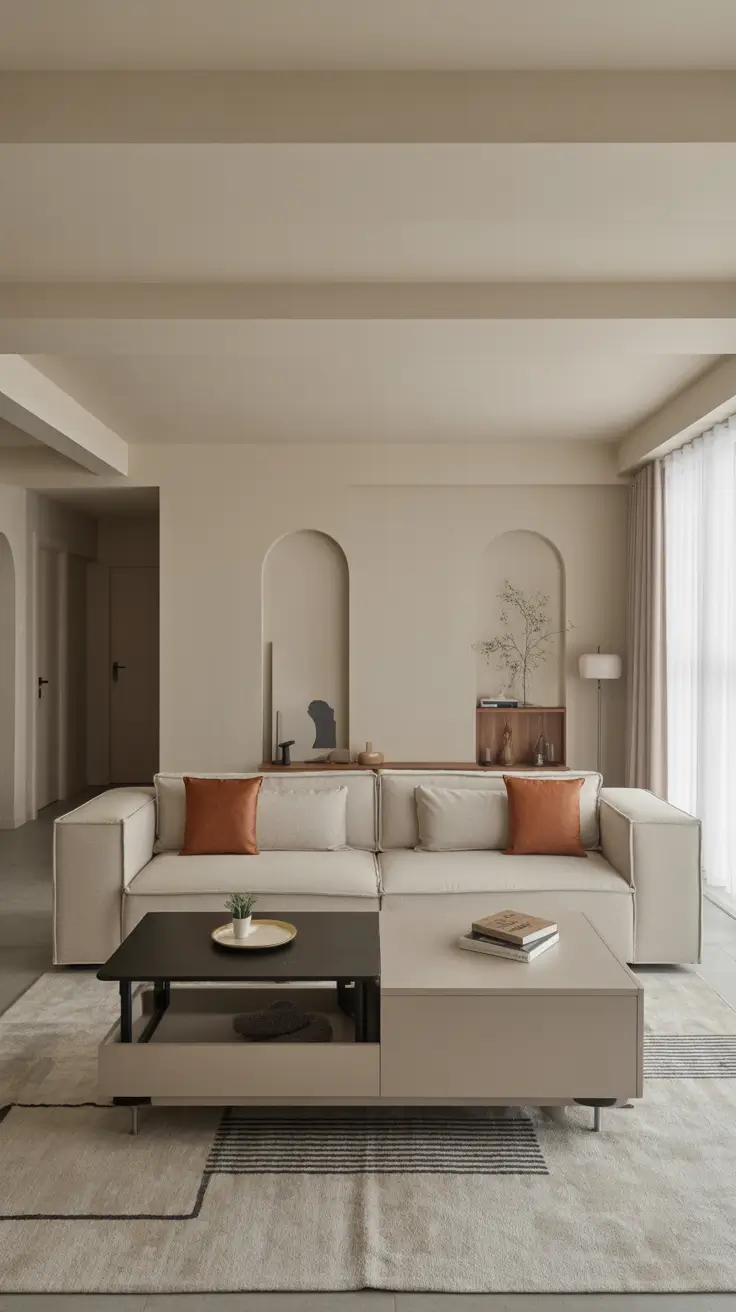
I focus on multifunctional furniture, such as extendable coffee tables and storage-integrated seating. Clean-lined sofa design, neutral backdrops, and strategic use of accent colors define these interiors. The goal is to create a space that feels modern yet flexible enough to adapt to changing needs.
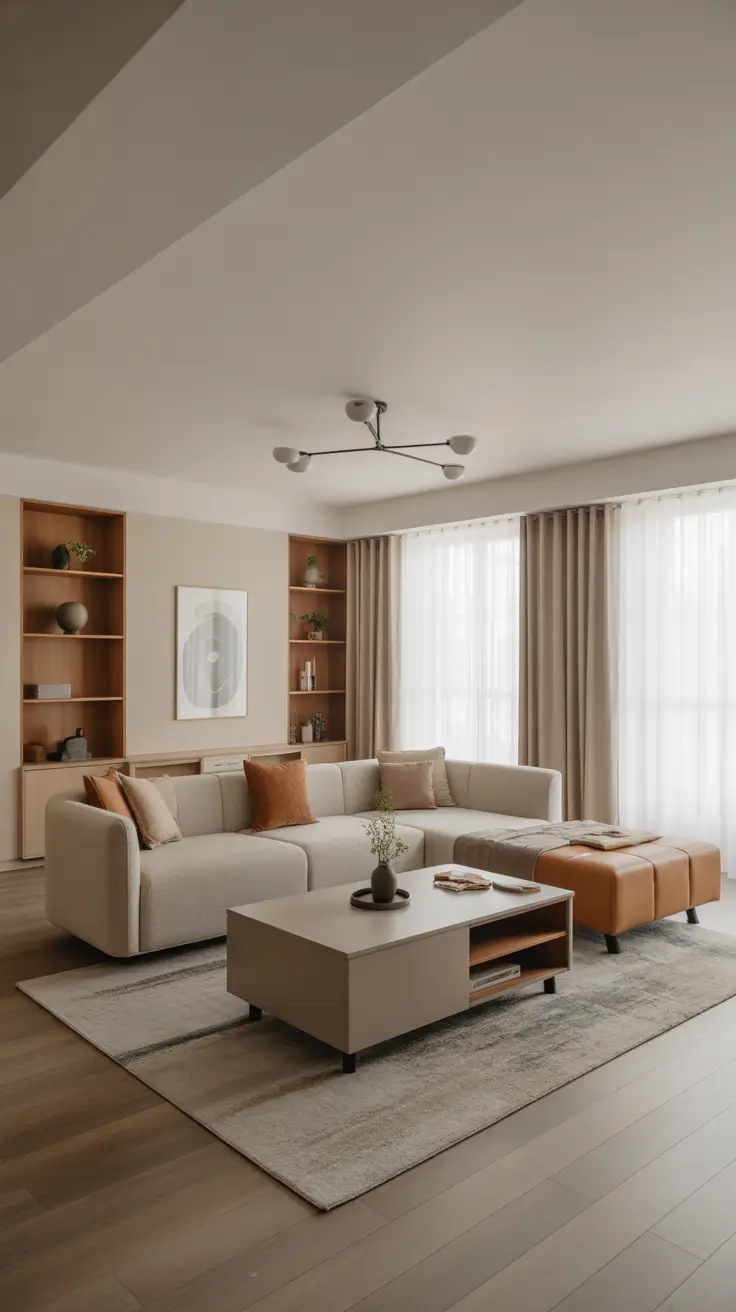
From my perspective, the shift toward adaptable design is one of the most practical developments in recent years. Many experts in the US design industry emphasize flexibility as a core principle, and I fully support that direction.
I would include more details about zoning techniques, such as using rugs or lighting to define different functional areas within the same living room.
The Rise of Multifunctional Living Room Designs in 2026
I see multifunctionality as one of the most important living room trends in 2026. Spaces are no longer limited to a single purpose; instead, they serve as work areas, relaxation zones, and entertainment hubs. This approach maximizes usability without compromising design.
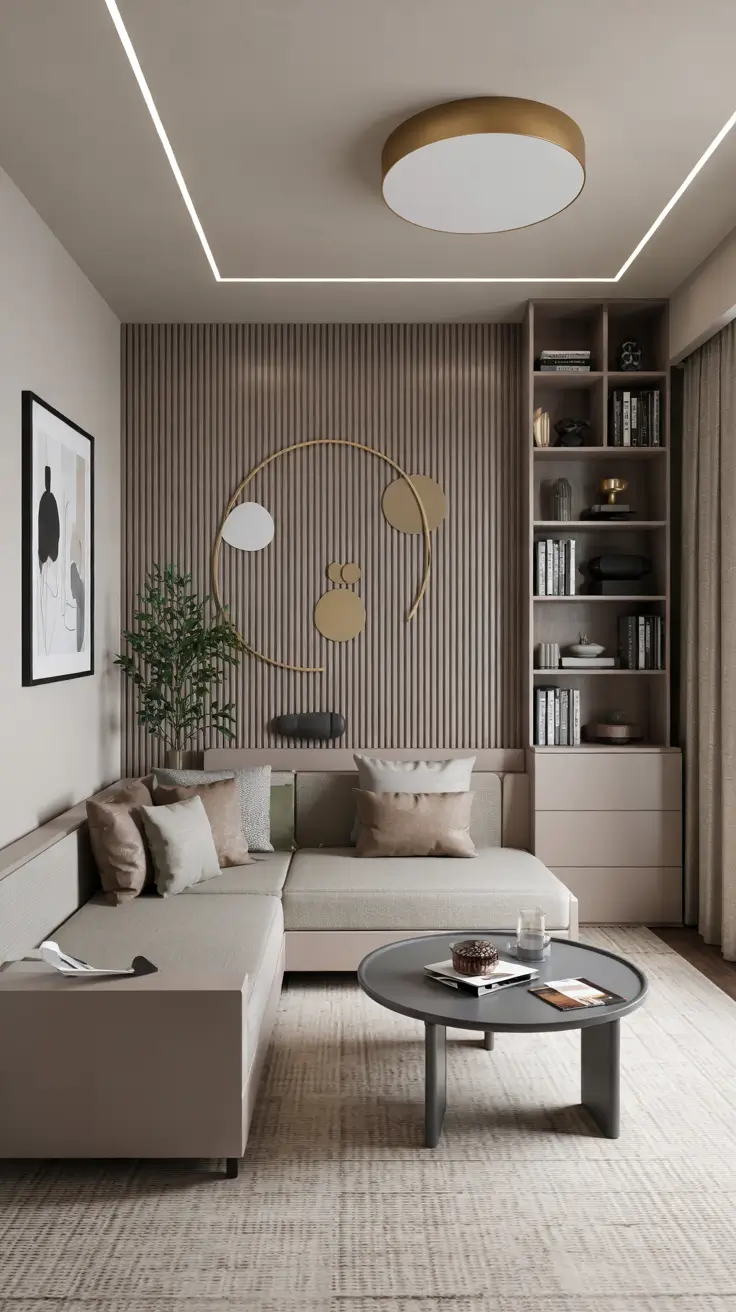
I typically incorporate modular seating, foldable desks, and hidden storage solutions. These elements ensure that the room remains organized while accommodating various activities. Neutral color schemes combined with subtle accents help maintain visual harmony despite the room’s multiple functions.
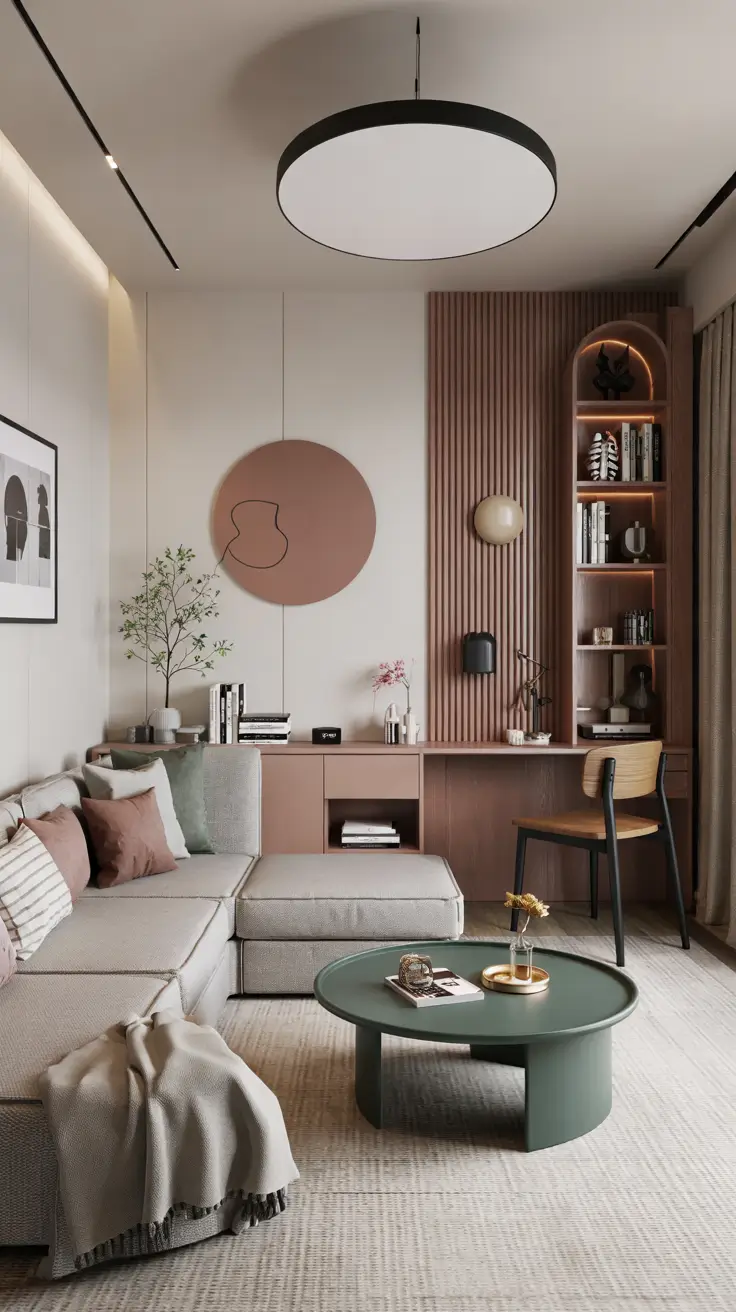
In my experience, multifunctional design works best when it feels seamless rather than forced. Designers often recommend prioritizing flow and accessibility, which I find essential when planning such spaces.
This section could benefit from more focus on acoustic solutions, especially for rooms that double as workspaces.
Minimalist vs Maximalist Living Room Trends for 2026
I observe a strong contrast between minimalist and maximalist living room trends for 2026. Minimalism focuses on simplicity, clean lines, and restrained color palettes, while maximalism embraces bold patterns, rich textures, and layered decor. Both approaches are gaining popularity, depending on personal preferences.
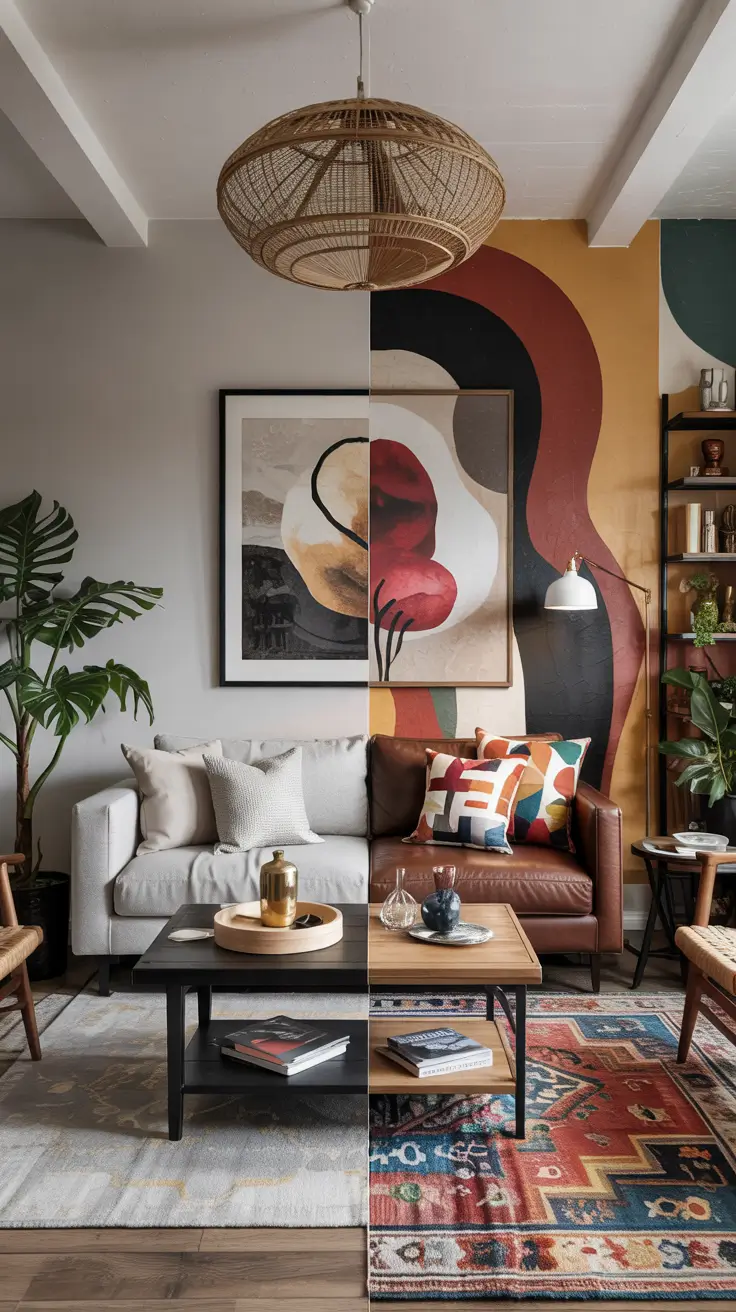
In minimalist interiors, I use streamlined furniture, neutral tones, and minimal decor to create a शांत and uncluttered environment. For maximalist designs, I incorporate vibrant colors, statement furniture, and curated collections of decor items to create visual interest and personality.
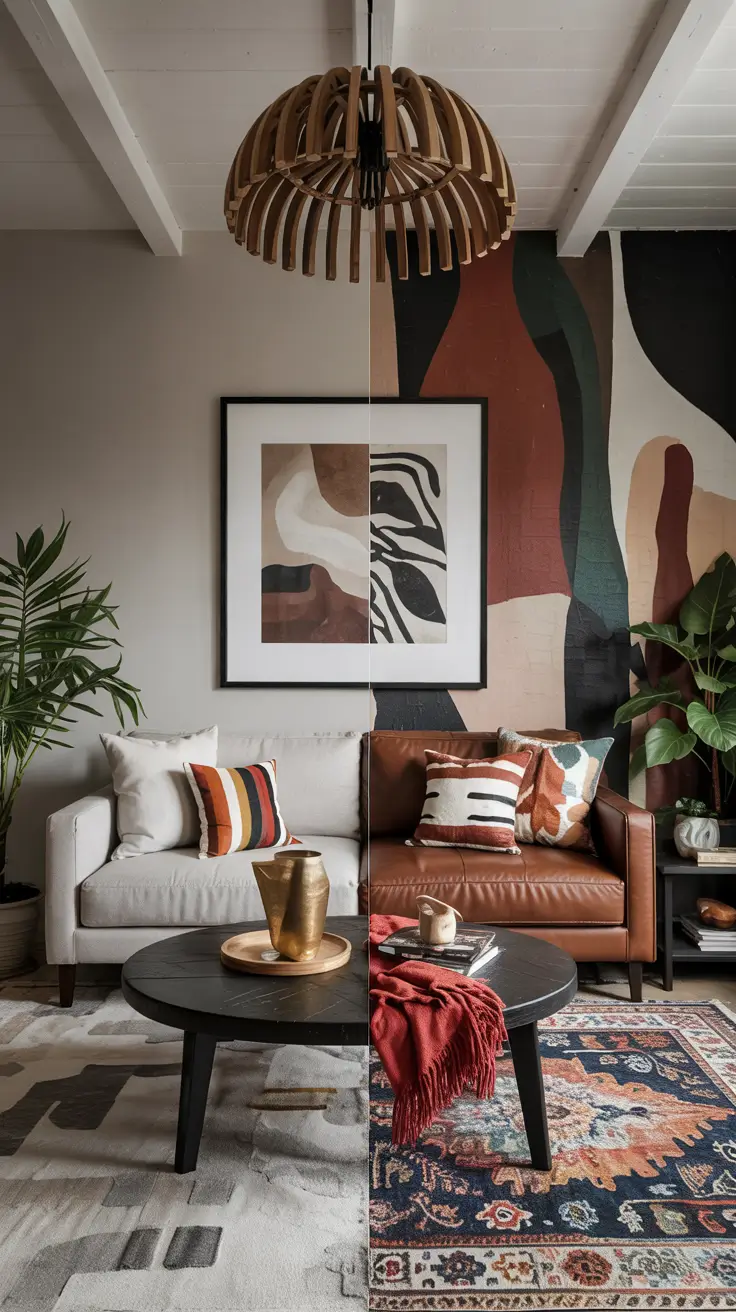
Personally, I believe the best approach lies somewhere in between. Many designers suggest blending elements of both styles to achieve balance, and I often apply this strategy in my projects.
I would expand this section by including practical tips on how to transition between these styles without redesigning the entire room.
Smart Living Room Technology Trends for 2026 Homes
Technology is becoming an integral part of living room trends for 2026. Smart systems enhance convenience, improve energy efficiency, and contribute to a more seamless living experience. These innovations are no longer optional but expected in modern homes.
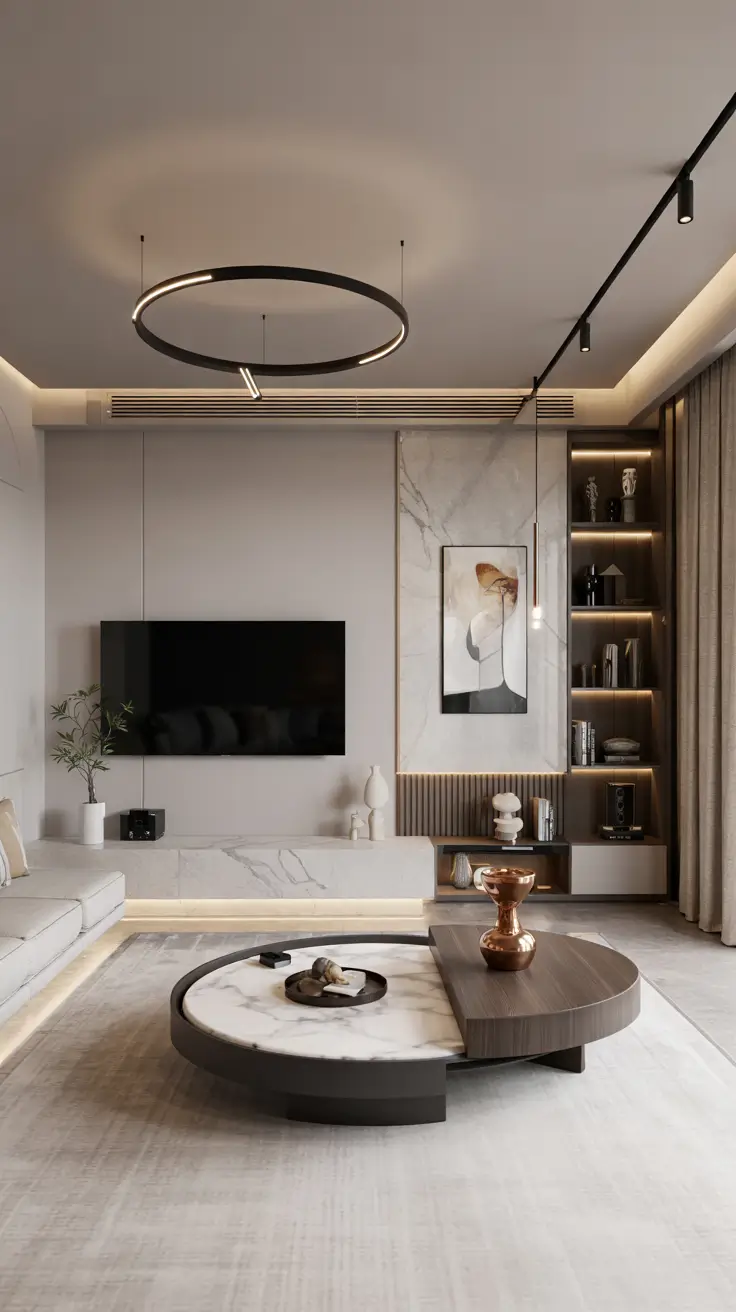
I incorporate smart lighting, voice-controlled devices, and integrated entertainment systems. These features not only improve functionality but also maintain a clean and uncluttered appearance. Hidden wiring and minimalist setups ensure that technology does not disrupt the overall design.
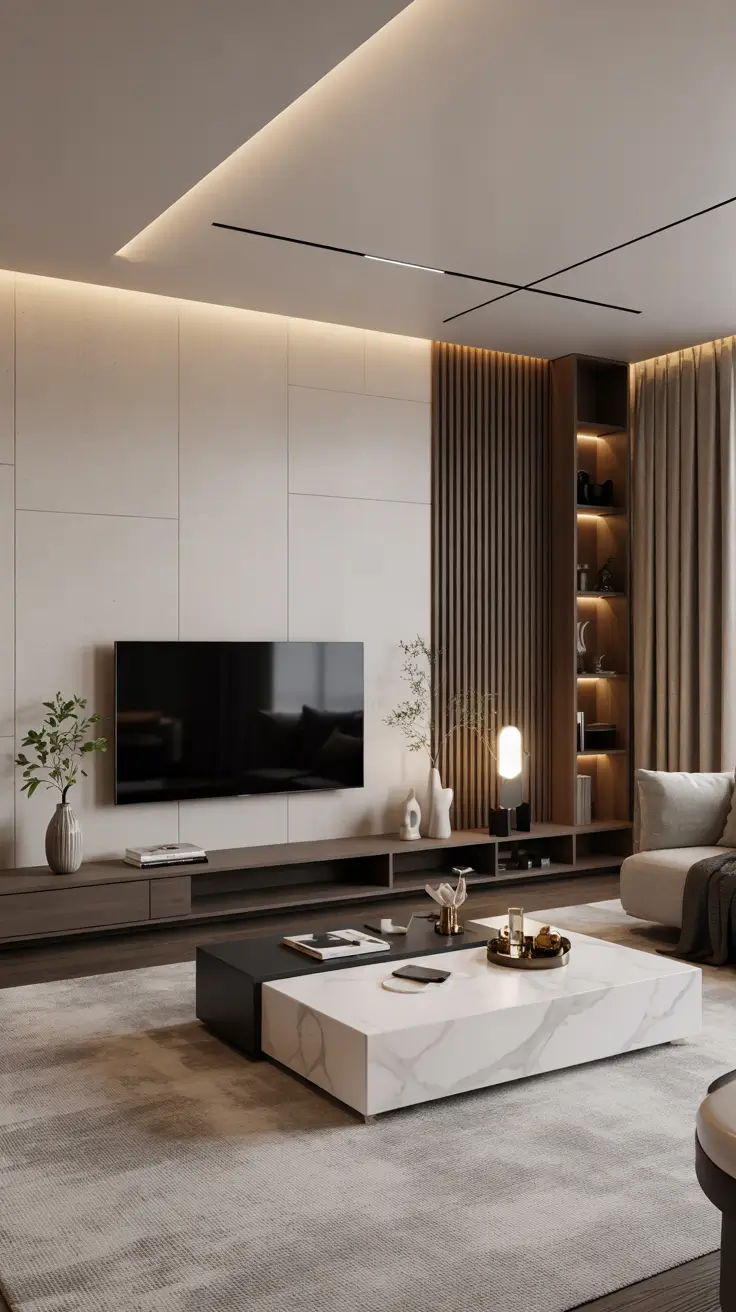
From my perspective, the key to successful integration is subtlety. Leading design publications often highlight the importance of invisible technology, and I find this approach particularly effective.
What this section needs is more emphasis on future-proofing, ensuring that installed systems remain compatible with upcoming technologies.
Sustainable and Eco-Friendly Living Room Trends 2026
Sustainability is a defining aspect of 2026 interior design. I see a growing preference for eco-friendly materials, energy-efficient solutions, and responsible sourcing. These trends align with broader environmental concerns while also creating healthier living spaces.
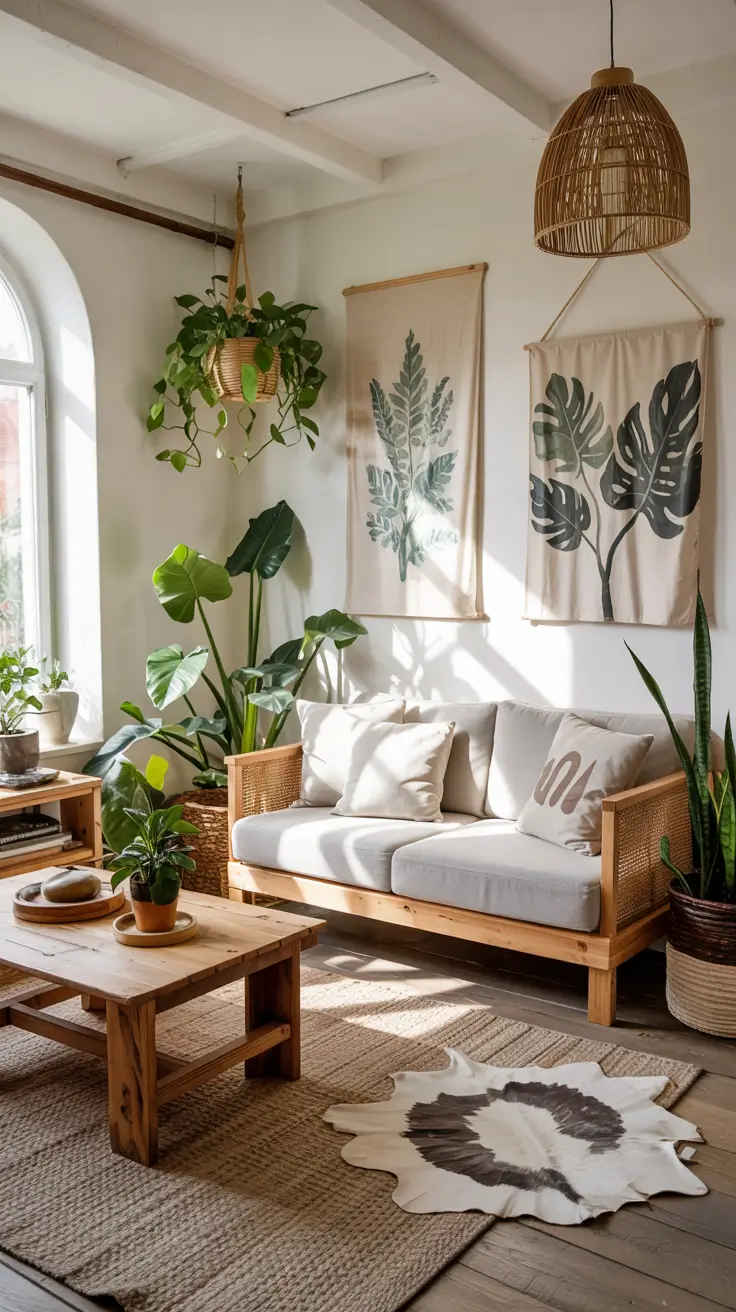
I use reclaimed wood, recycled fabrics, and low-impact finishes. Natural color palettes and organic textures enhance the connection to nature, while indoor plants improve air quality and add visual appeal. These elements work together to create a balanced and environmentally conscious interior.
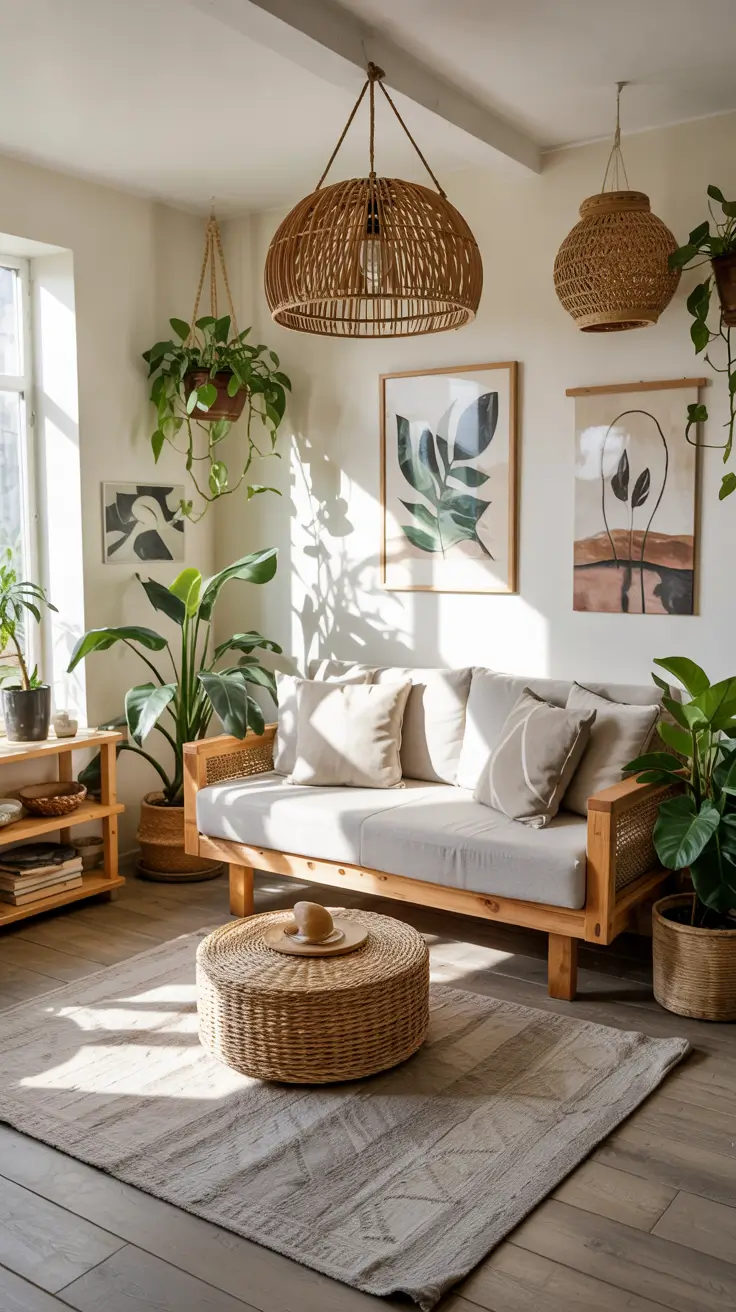
In my opinion, sustainable design is not just a trend but a necessity. Many experts emphasize the importance of mindful consumption, and I fully support integrating these principles into living room design.
I would add more detail on certifications and standards that help homeowners identify truly sustainable products.
Living Room Designs Trends 2026: Smart Layouts and Functional Zoning
I see living room designs trends 2026 moving strongly toward smarter layouts where every square meter serves a purpose. Open-plan spaces are no longer just visually connected – they are intentionally divided into functional zones that improve daily living. This approach makes interiors feel more organized without sacrificing openness.
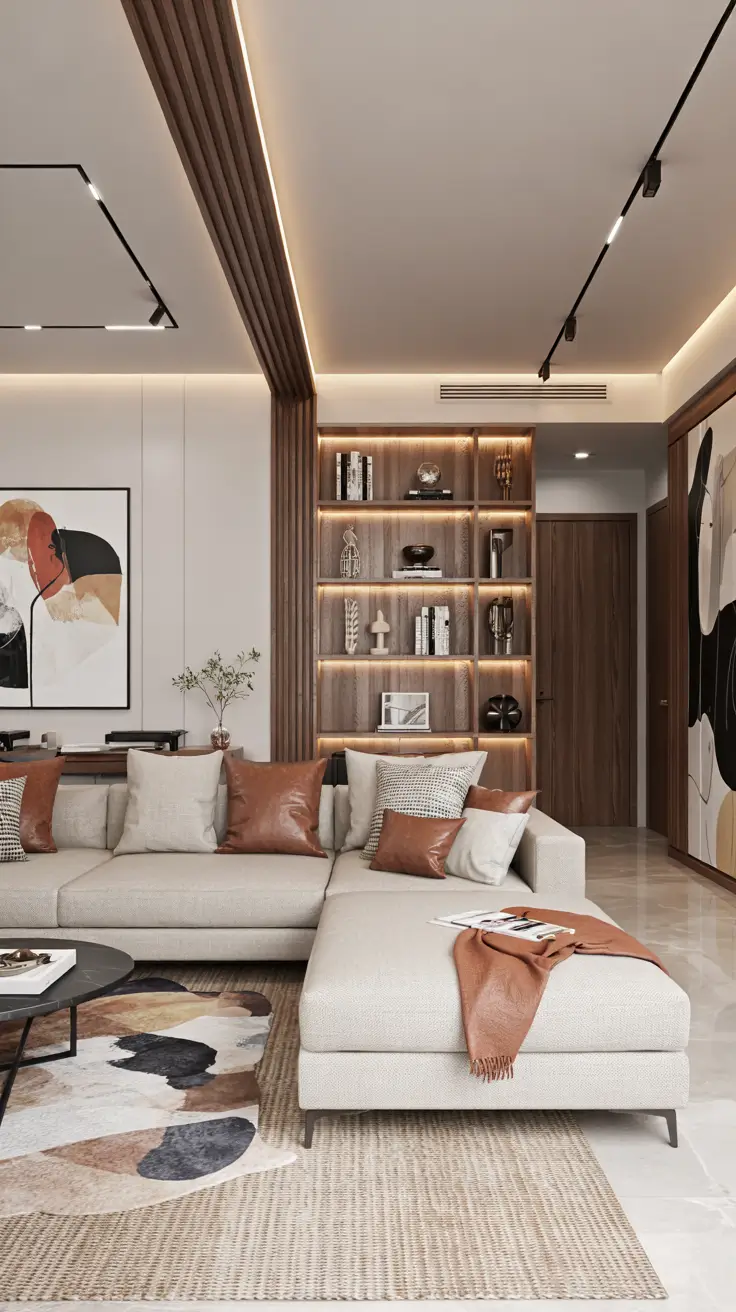
I recommend defining zones using furniture placement, rugs, and lighting rather than walls. For example, a sofa can separate a relaxation area from a workspace, while a rug visually anchors each zone. Storage solutions, such as built-in shelving or hidden compartments, also play a crucial role in maintaining order and clarity.
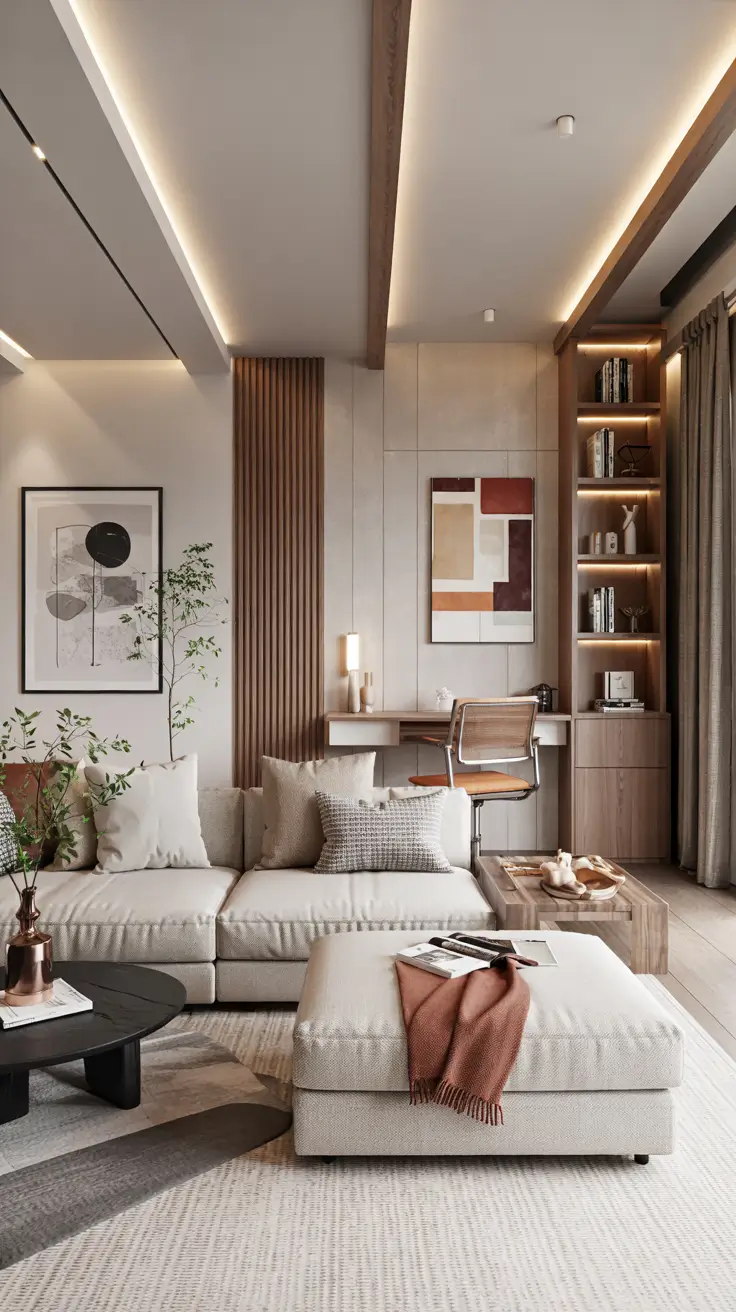
From my experience, zoning dramatically improves how a living room feels and functions. Many designers emphasize that a well-zoned space reduces clutter and enhances comfort, and I fully support this idea when planning modern interiors.
What I would add here is a stronger focus on adaptability – ensuring that each zone can evolve over time, especially in smaller homes where flexibility is essential.