Are summer home design trends 2026 really shifting toward nature-driven living, or is it just another seasonal idea? And how can elements from completely different creative fields like nail art, pattern design, and latest fashion thinking unexpectedly influence interior aesthetics? In this article, I explore how trending concepts – from minimalist compositions to bold graphic contrasts often seen in 2025 nail and 2024 nail trends – are shaping modern summer interiors in subtle but powerful ways.
Summer Home Design Trends 2026: Nature-Driven Living Spaces
I see nature-driven interiors becoming the foundation of summer home design trends 2026. Spaces are no longer just decorated – they are composed like a balanced design, similar to how almond nail or minimal nail aesthetics rely on harmony and proportion. I focus on integrating organic forms, raw textures, and open airflow to create environments that feel alive and restorative.
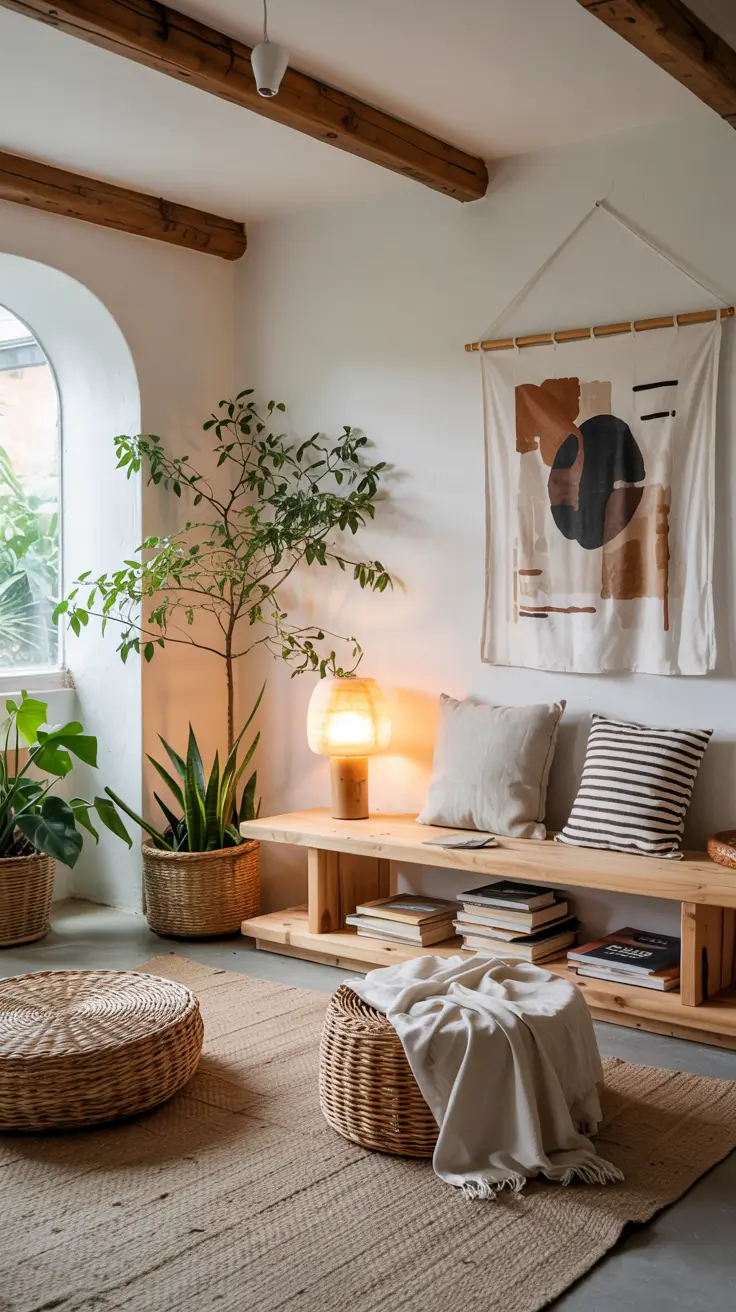
I typically include natural wood, linen textiles, stone surfaces, and indoor greenery. Each element serves a purpose, just like in nail design where every detail in a simple nail or short nail composition matters. Furniture is low-profile, often modular, and positioned to maintain visual flow and connection to outdoor spaces.
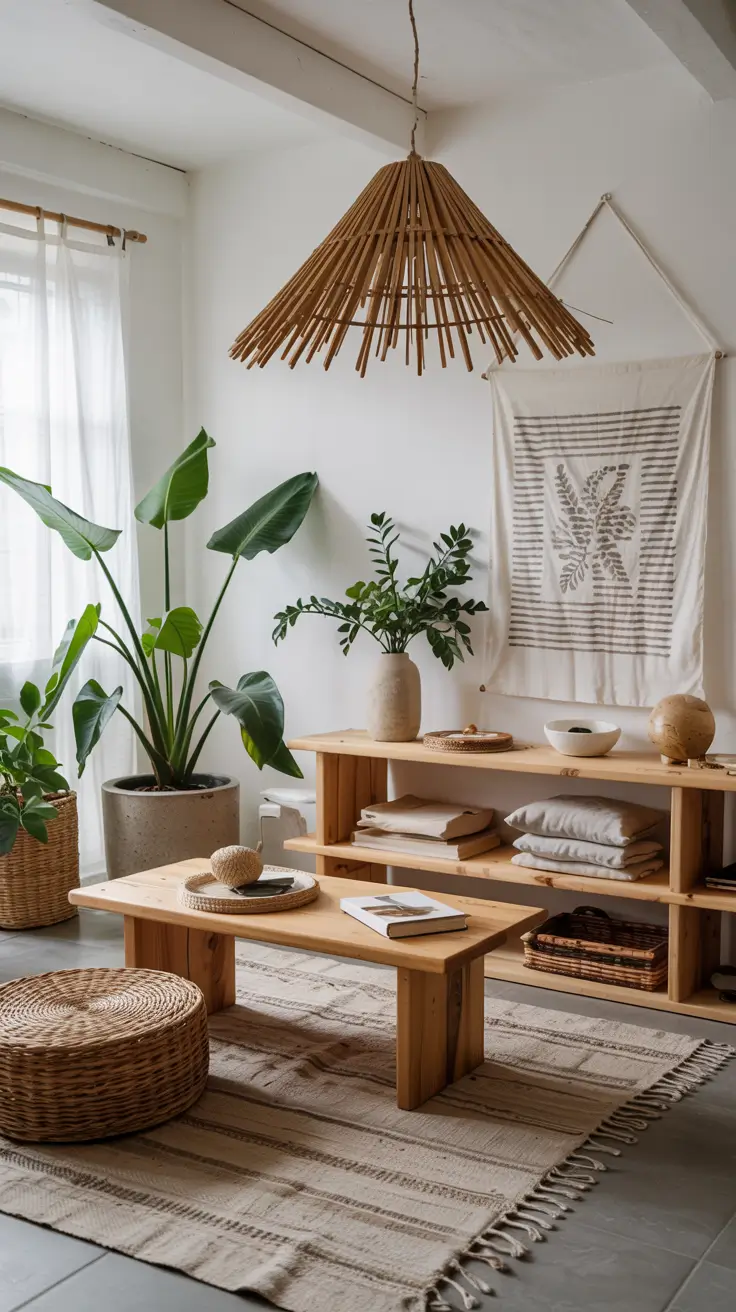
From my experience, publications like Architectural Digest emphasize that homes connected to nature improve both mental clarity and comfort. I fully agree – these interiors feel less staged and more intuitive to live in.
What I would add here is a stronger integration of water features – such as small indoor fountains or reflective surfaces – to enhance sensory depth and reinforce the natural concept.
Seamless Indoor-Outdoor Living for Modern Summer Homes
I design indoor and outdoor areas as one continuous space. This approach reflects a trending mindset – similar to how french nail designs blend clean edges with soft transitions. In 2026, boundaries between inside and outside are intentionally blurred.
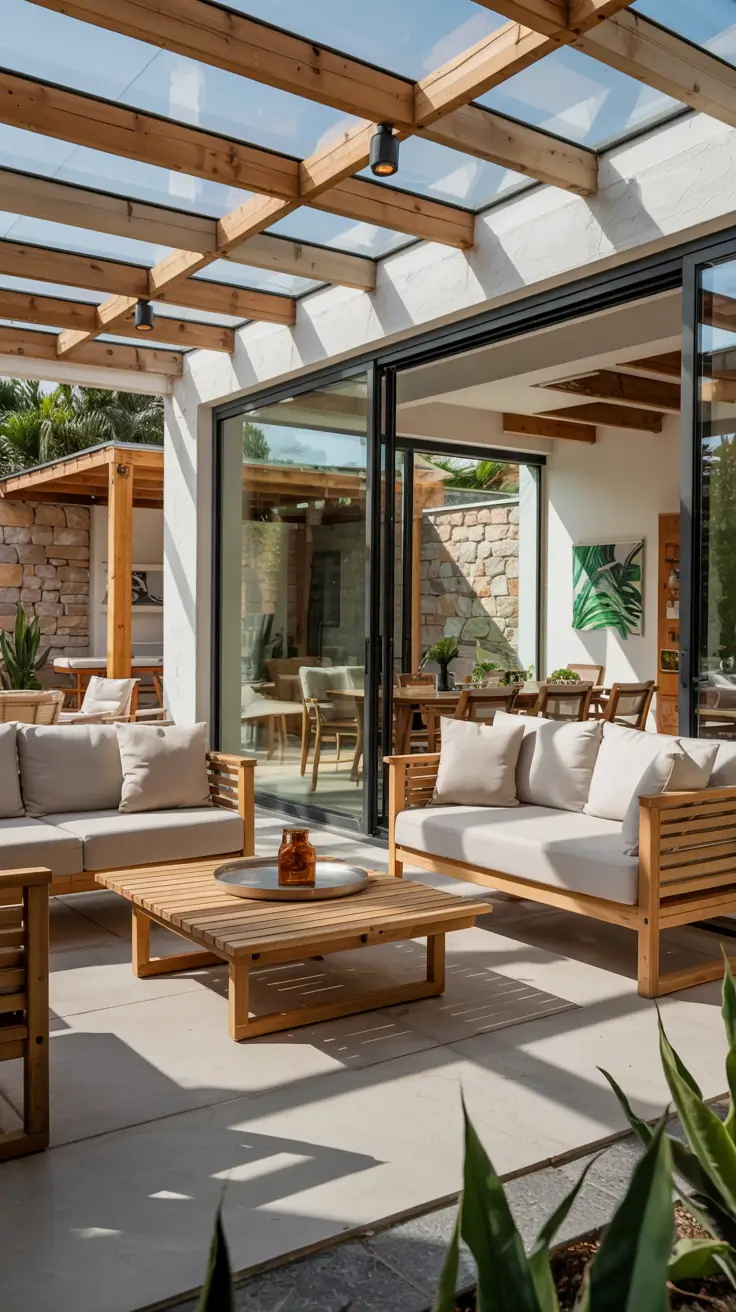
I use sliding glass walls, consistent flooring materials, and outdoor furniture that mirrors indoor pieces. Lightweight sofas, textured rugs, and shaded lounge areas help maintain continuity. The idea is to create a unified experience rather than separate zones.
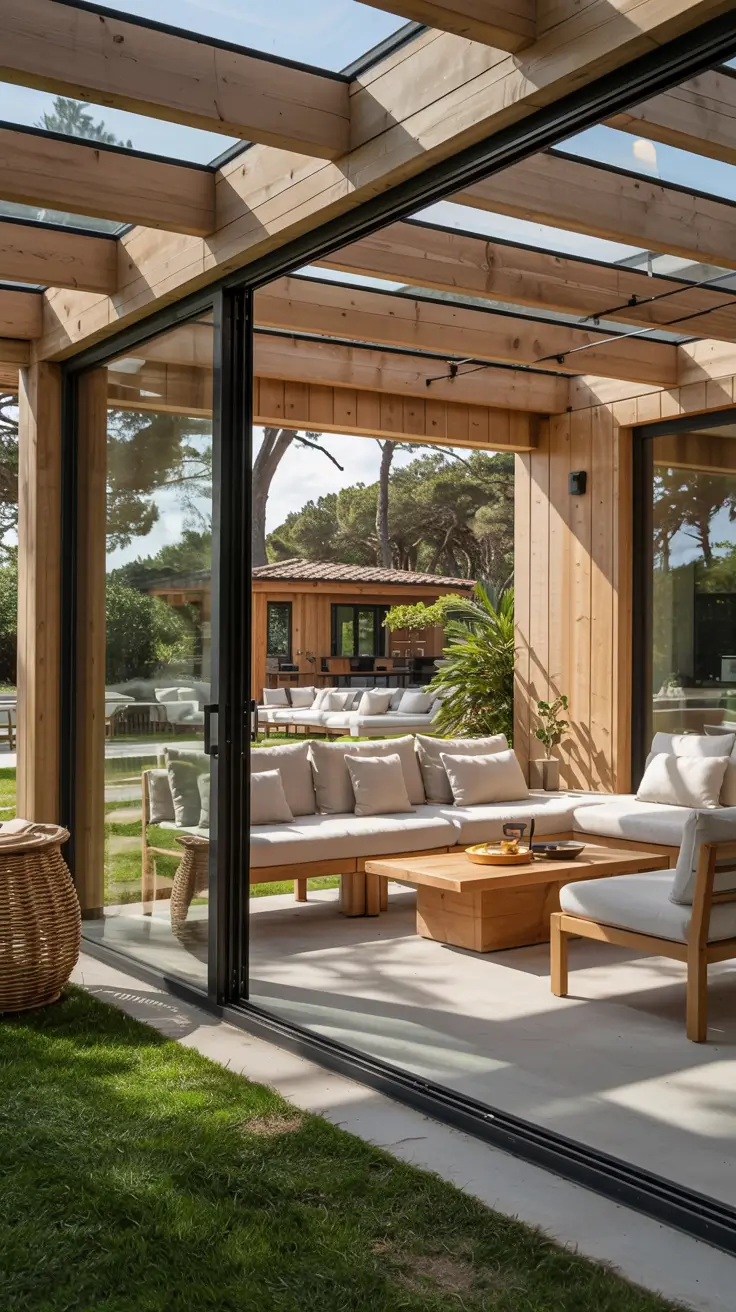
Personally, I find that this approach transforms how people use their homes. It encourages movement, social interaction, and relaxation in a way traditional layouts cannot.
What’s missing here is layered lighting – I would introduce subtle outdoor lighting schemes to extend usability into the evening while maintaining atmosphere.
Sustainable Materials Shaping Summer Interiors in 2026
Sustainability is no longer optional – it defines modern design. I approach materials the same way designers approach trending acrylic nail techniques: with precision, responsibility, and awareness of impact.
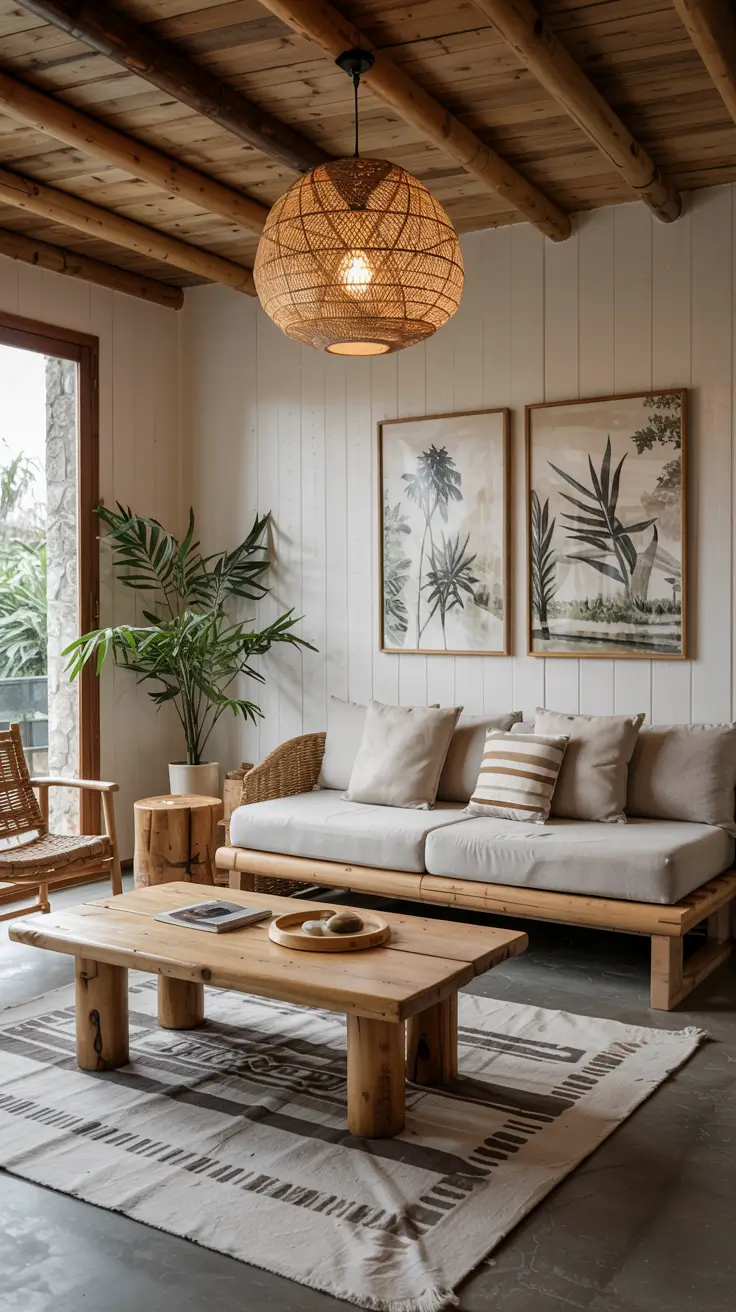
I prioritize reclaimed wood, recycled metals, bamboo, and eco-friendly fabrics. These materials are not only environmentally conscious but also visually rich, adding depth and authenticity to interiors.
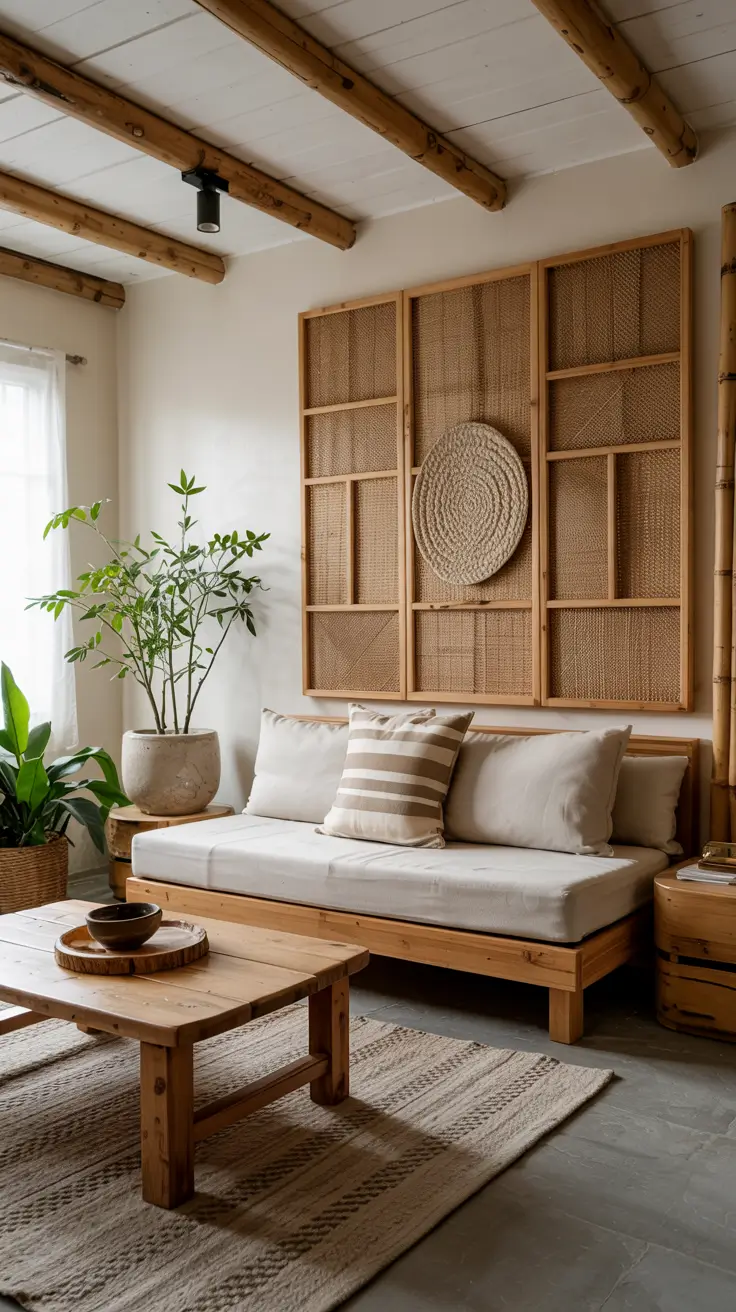
In my opinion, sustainable design aligns with long-term thinking. Just as short square nail styles remain practical and timeless, these materials ensure durability and relevance.
I would enhance this section by incorporating more locally sourced materials to reduce environmental footprint even further.
Coastal Minimalism and Light-Filled Open Spaces
Coastal minimalism continues to dominate summer interiors. I treat these spaces like a carefully curated square nail design – clean, structured, and intentional. Light plays a central role here.
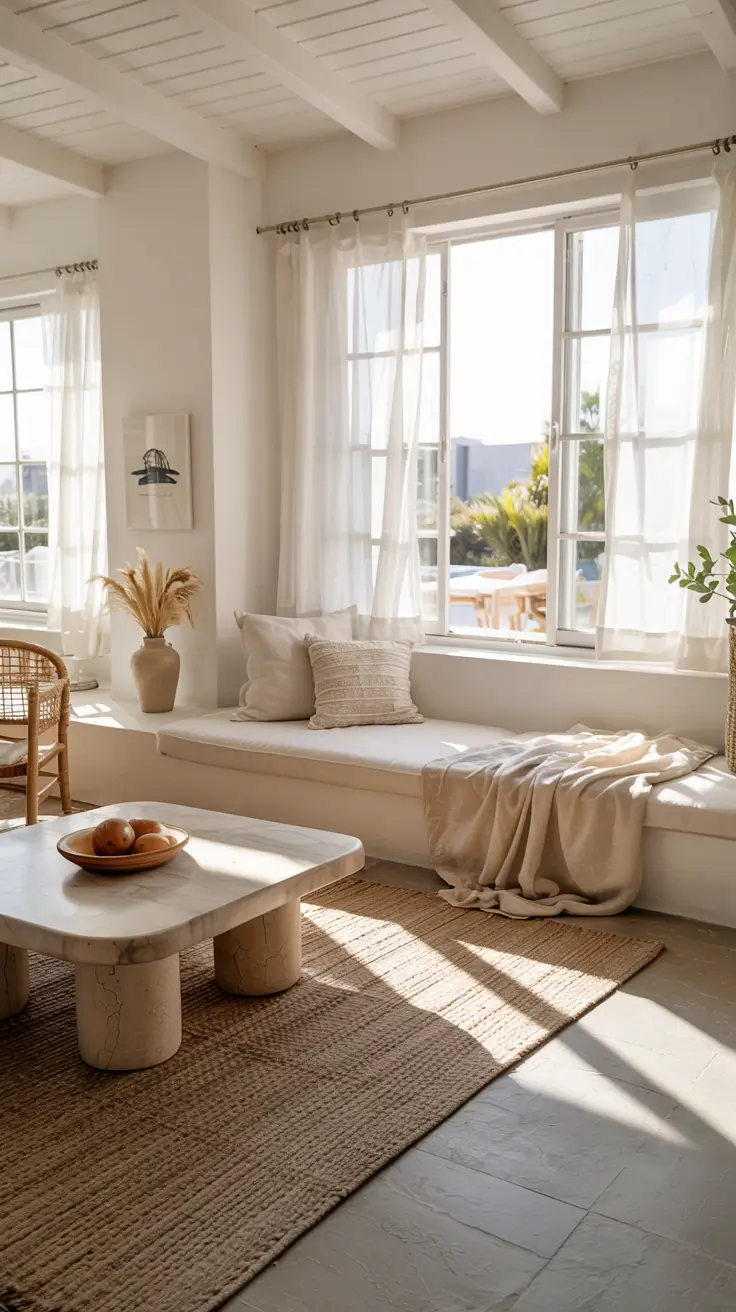
I use neutral palettes, sheer curtains, and open layouts to maximize daylight. Furniture is simple, often in soft whites or sandy tones, with minimal decoration. Every piece must justify its presence.
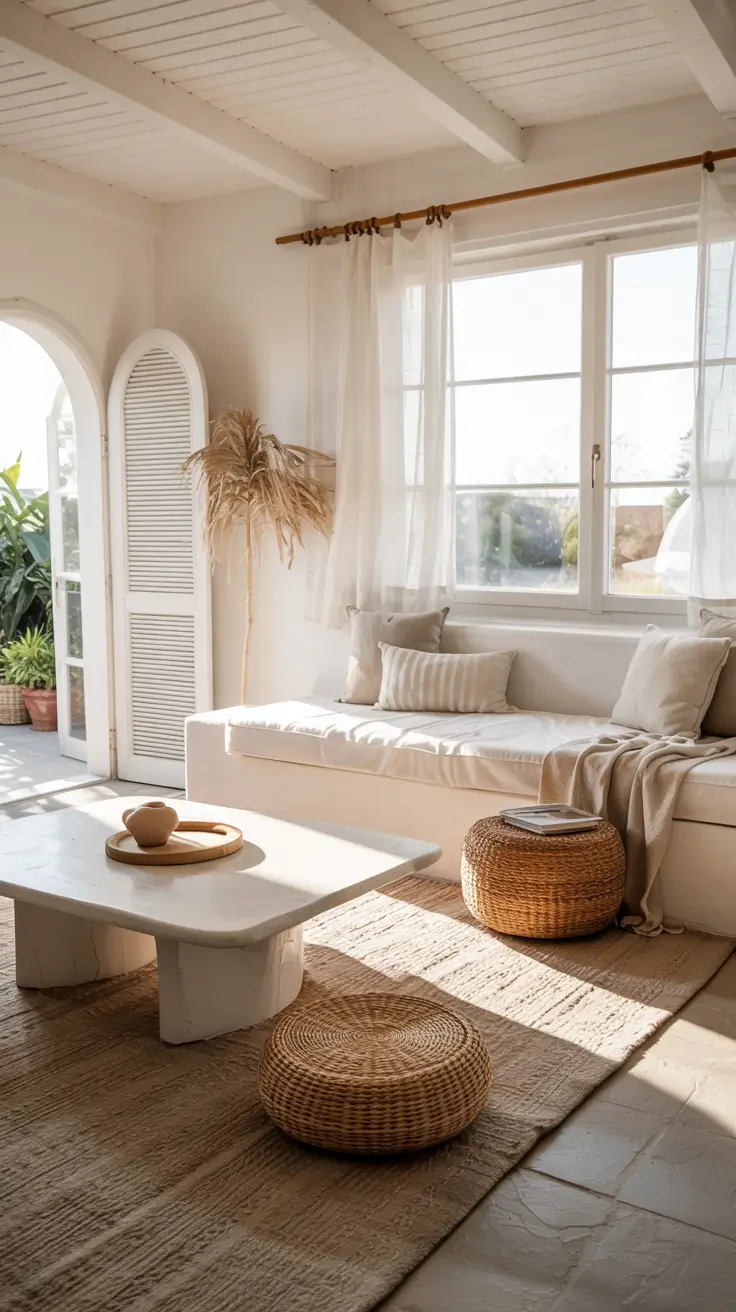
From my perspective, this style works because it reduces visual noise. It creates calm environments that feel effortless yet refined.
What I would add is subtle contrast – perhaps through darker wood accents or textured elements – to prevent the space from feeling too uniform.
Earthy Color Palettes Inspired by Nature
Color trends in 2026 are deeply rooted in nature. I often compare them to glitter blue accents in nail art – small but impactful elements that elevate the entire composition.
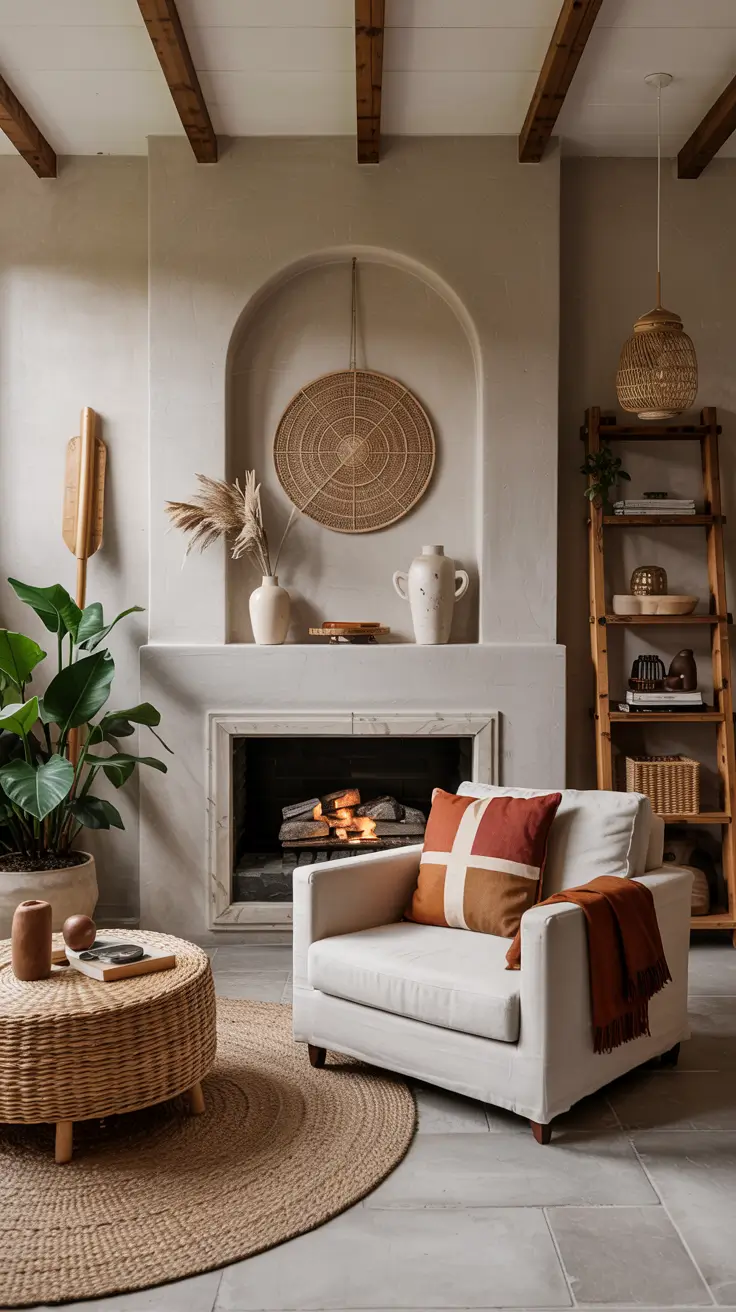
I work with terracotta, olive green, sand, clay, and muted blues. These tones create warmth without overwhelming the space. They also adapt well to changing light throughout the day.
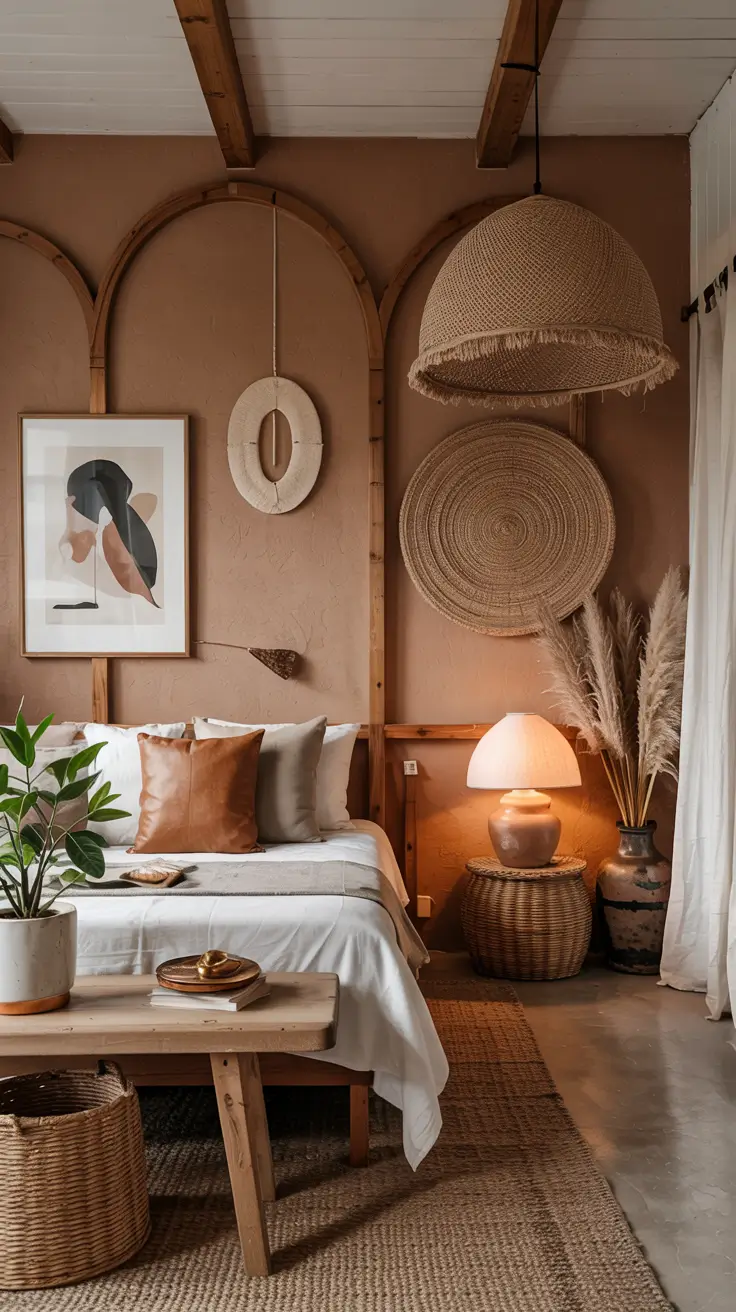
I believe earthy palettes are more versatile than traditional seasonal colors. They age better and remain relevant across trends.
What’s missing here is layering – I would introduce more tonal variation within the same color family to create depth and sophistication.
Smart Summer Homes with Invisible Technology
Technology in 2026 is subtle and integrated. I design smart homes where tech is almost invisible, similar to how minimal nail styles hide complexity behind simplicity.
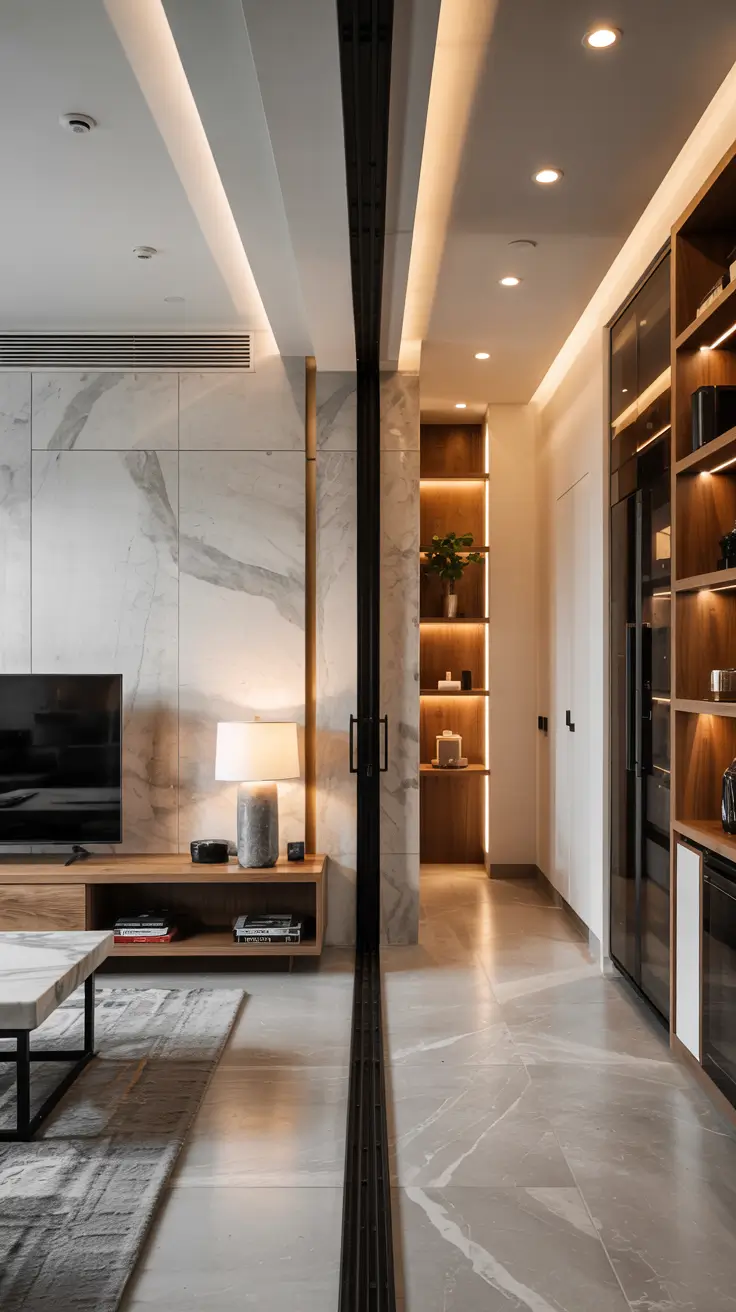
I include hidden speakers, automated lighting, climate control systems, and smart glass. The goal is to enhance comfort without disrupting aesthetics.
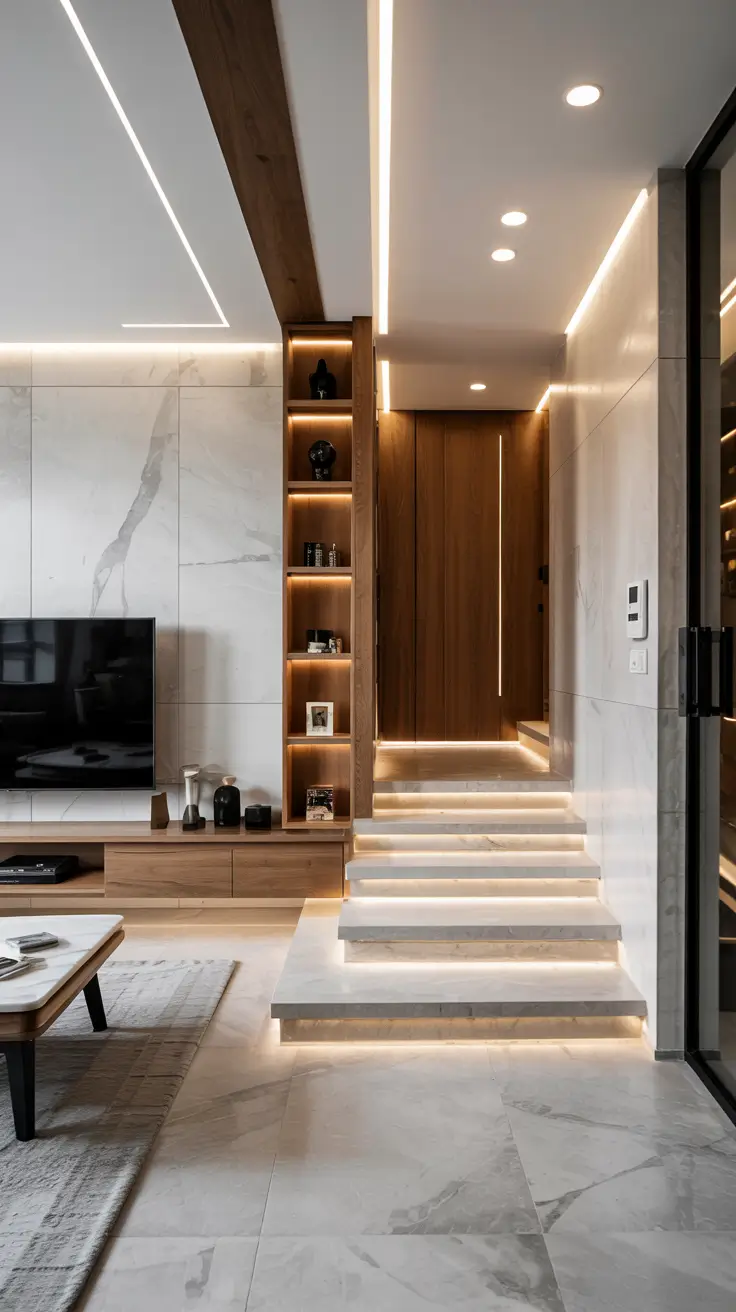
In my experience, the best smart homes are the ones you don’t notice. Functionality should support lifestyle, not dominate it.
I would improve this concept by adding user customization features – allowing homeowners to adapt technology settings based on daily routines.
Biophilic Design Trends for Relaxed Living
Biophilic design is one of the strongest influences in summer home design trends 2026. I approach it as a pattern-driven concept, similar to 2025 graphic trends in nail design, where repetition and organic flow create harmony.
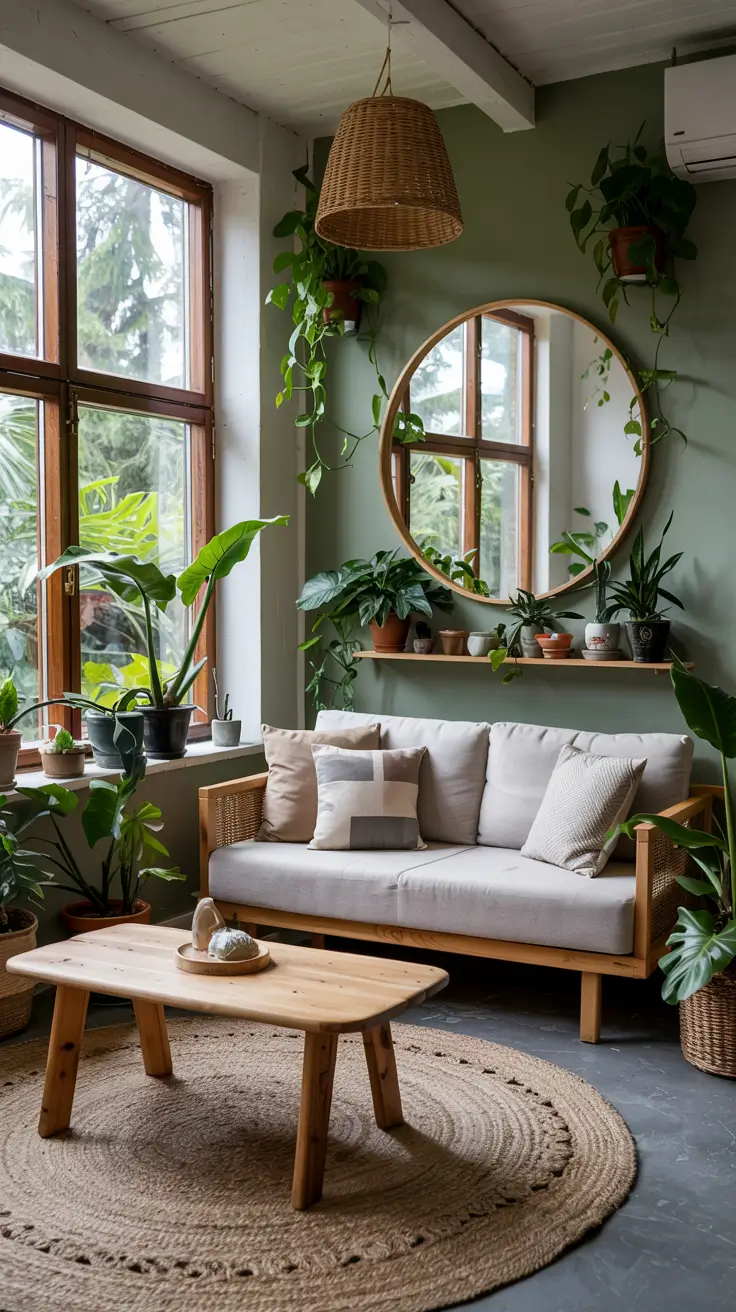
I integrate plants, natural light, ventilation, and materials that mimic nature. Vertical gardens, indoor trees, and natural textures are key components.
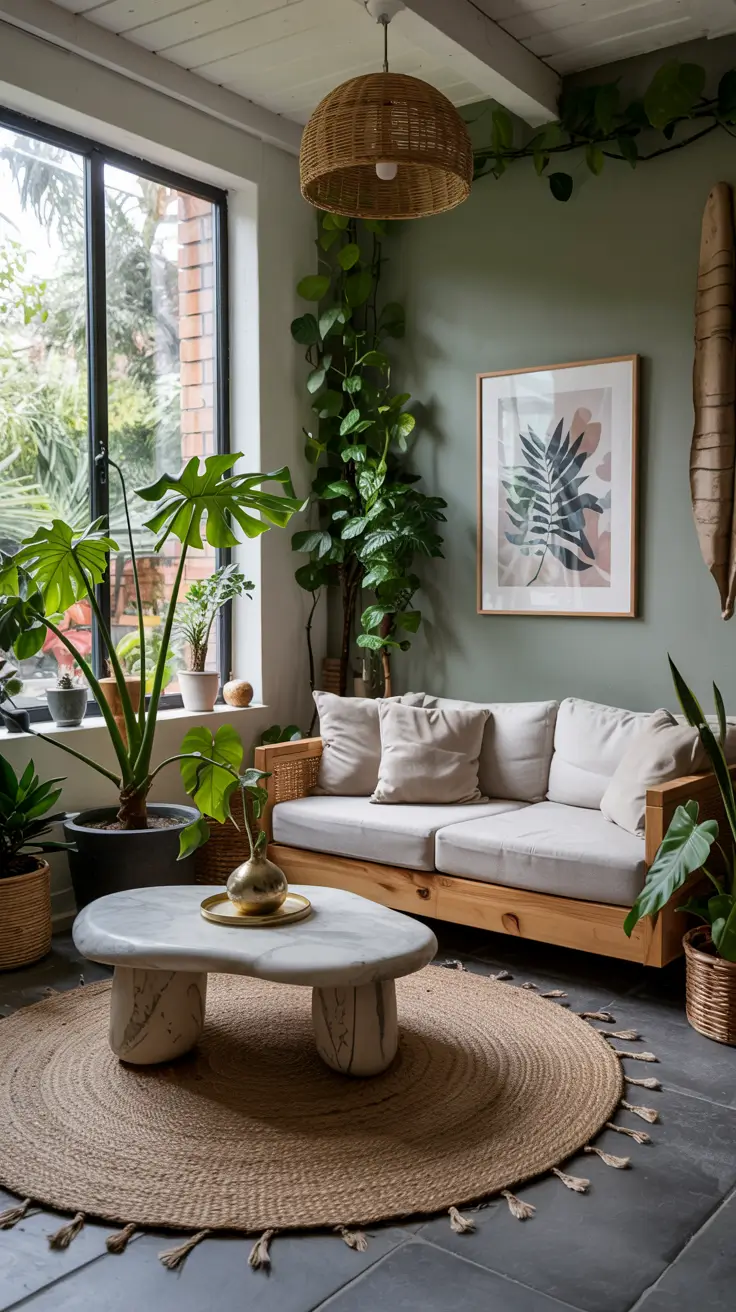
From my perspective, this design improves both aesthetics and well-being. It creates spaces that feel grounded and restorative.
What I would add is scent integration – using natural aromas like wood or citrus to enhance the sensory experience.
Outdoor Kitchens and Dining Zones Redefined
I design outdoor kitchens as fully functional extensions of the home rather than seasonal add-ons. In summer home design trends 2026, these spaces are as refined as indoor kitchens, with a layout that feels intentional and fluid. I approach them like a well-balanced composition, similar to how a french nail or simple nail design relies on clarity and structure.
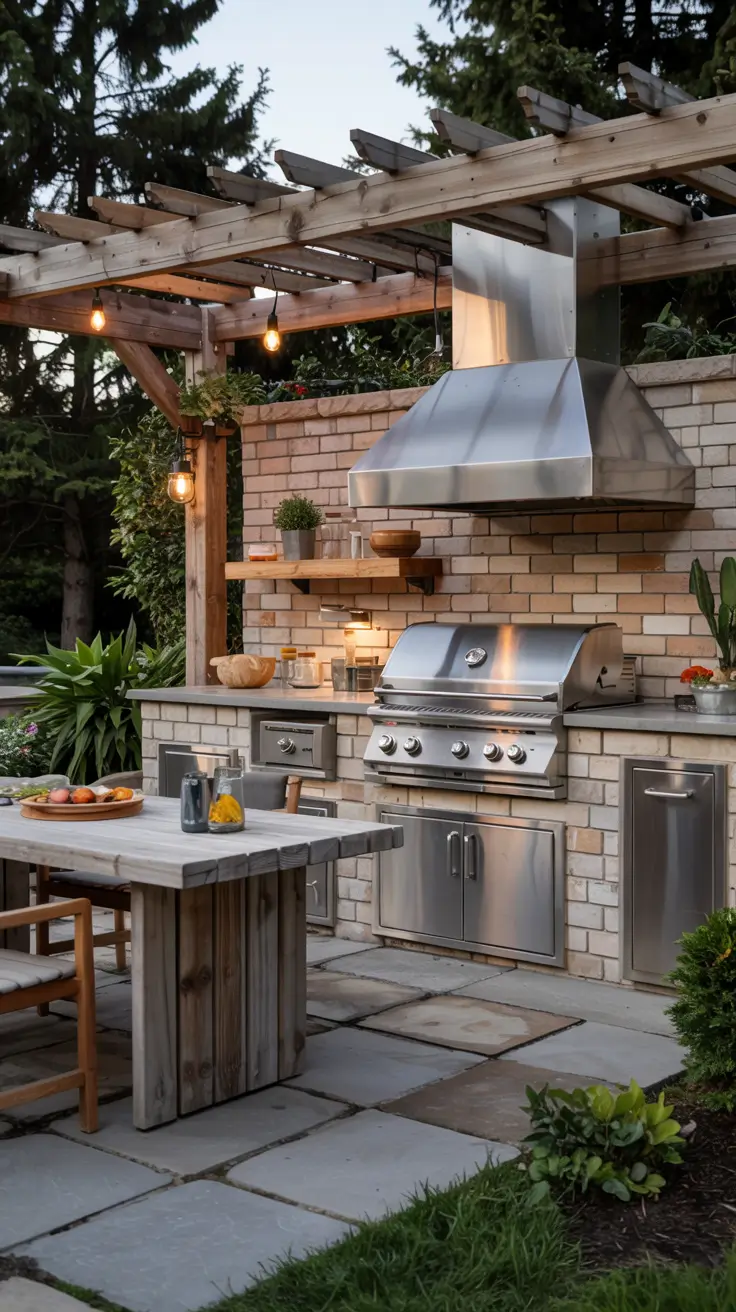
I include built-in grills, stone countertops, weather-resistant cabinetry, and shaded dining areas. Materials must withstand heat and moisture, so I often use stainless steel, treated wood, and ceramic finishes. Comfortable seating and large dining tables encourage gatherings and long evenings outdoors.
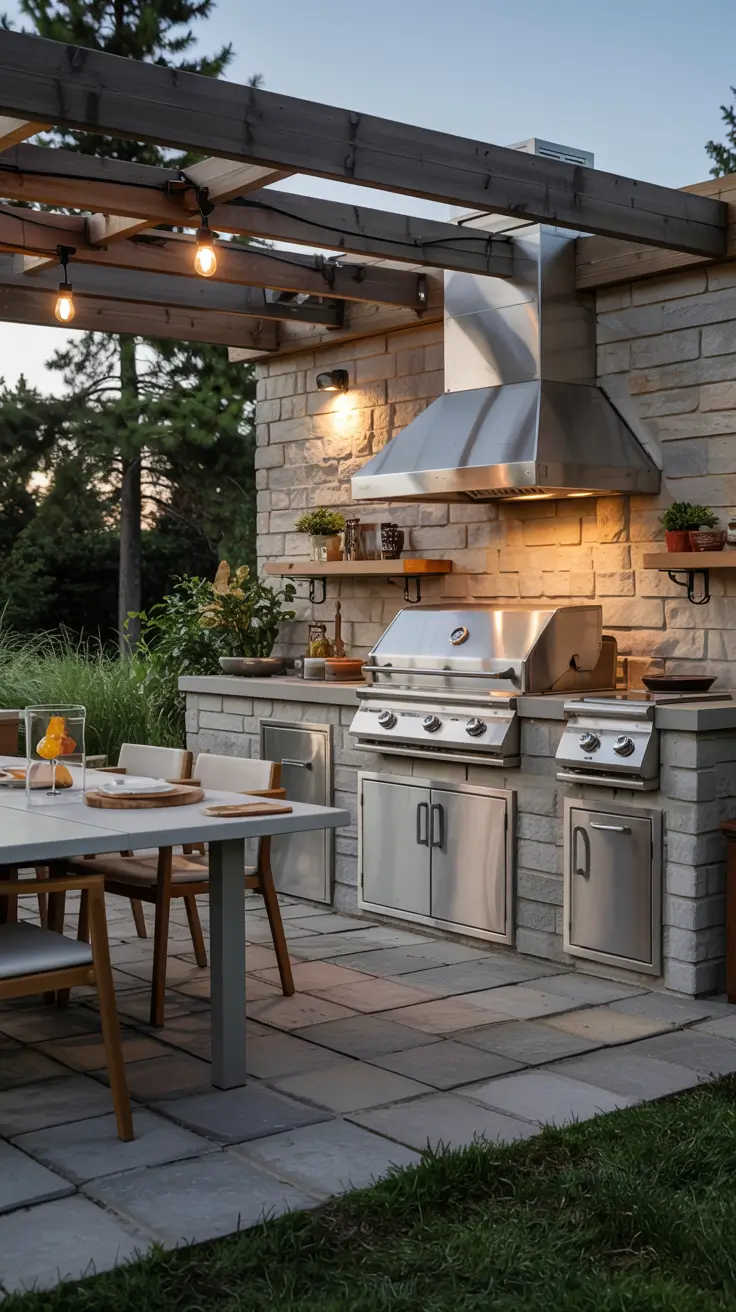
From my experience, outdoor dining areas significantly increase how often people use their space. I always recommend adding a prep zone and storage to make the area truly functional, not just decorative.
What I would add here is a dedicated beverage station or bar area to enhance usability and make entertaining more efficient.
Multifunctional Spaces for Summer Entertaining
I see multifunctional spaces becoming essential in modern summer homes. These areas are designed to adapt, much like trending acrylic nail styles that combine multiple techniques into one cohesive look. Flexibility is the key principle here.
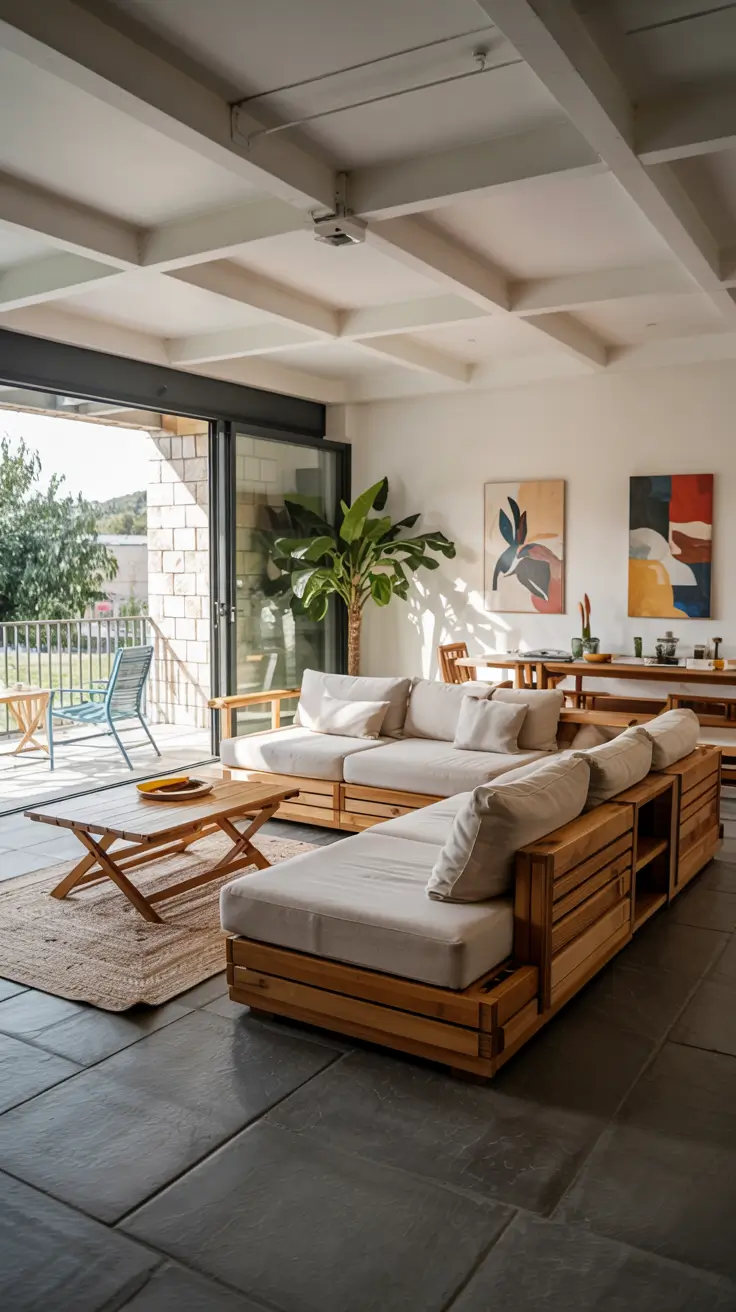
I use modular seating, foldable tables, and movable partitions to create spaces that can transition from relaxation to entertaining. Storage is integrated to keep the area clean and uncluttered. Each element must serve more than one purpose.
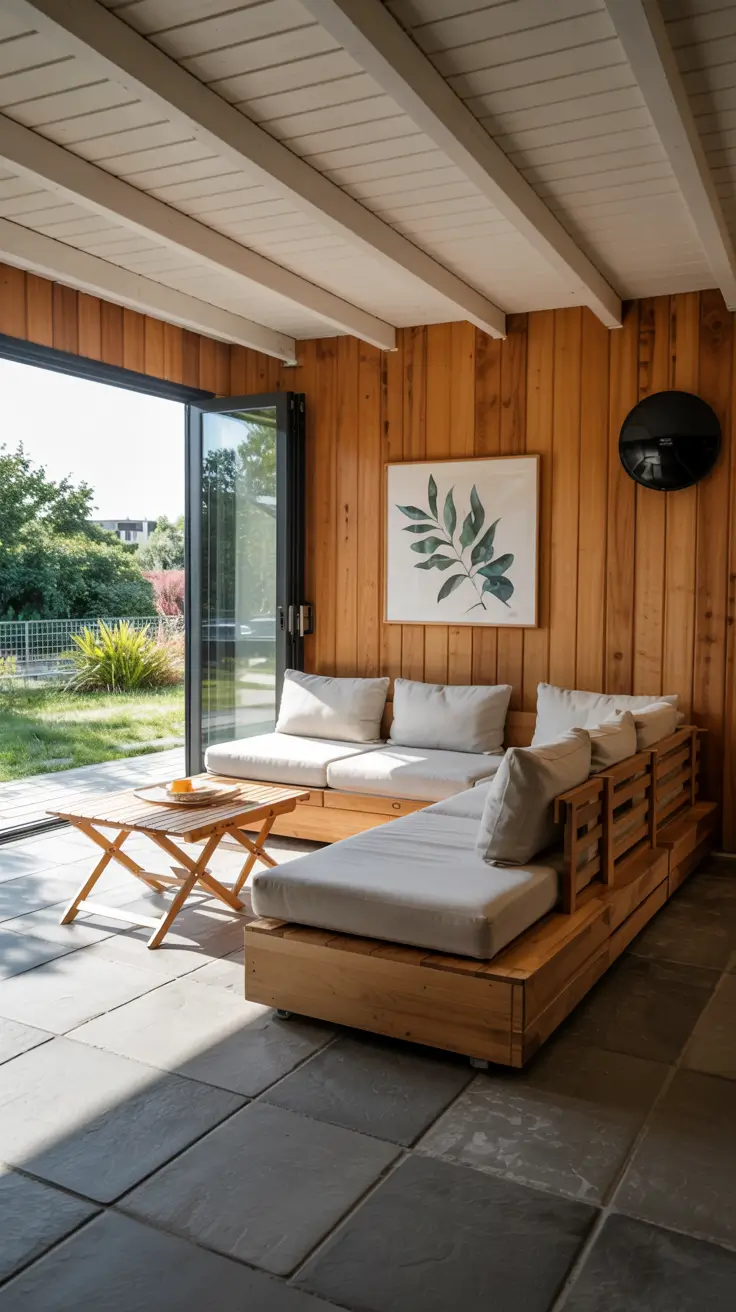
Personally, I find that multifunctional design makes homes feel larger and more dynamic. It allows homeowners to adjust their environment based on their needs without major changes.
What’s missing here is acoustic consideration – I would incorporate soft materials or panels to improve sound quality during gatherings.
Lightweight and Modular Furniture Trends
Furniture in 2026 is designed to move with the user. I approach this trend similarly to short almond nail or short square nail aesthetics – practical, clean, and adaptable. Lightweight pieces allow for easy rearrangement and flexibility.
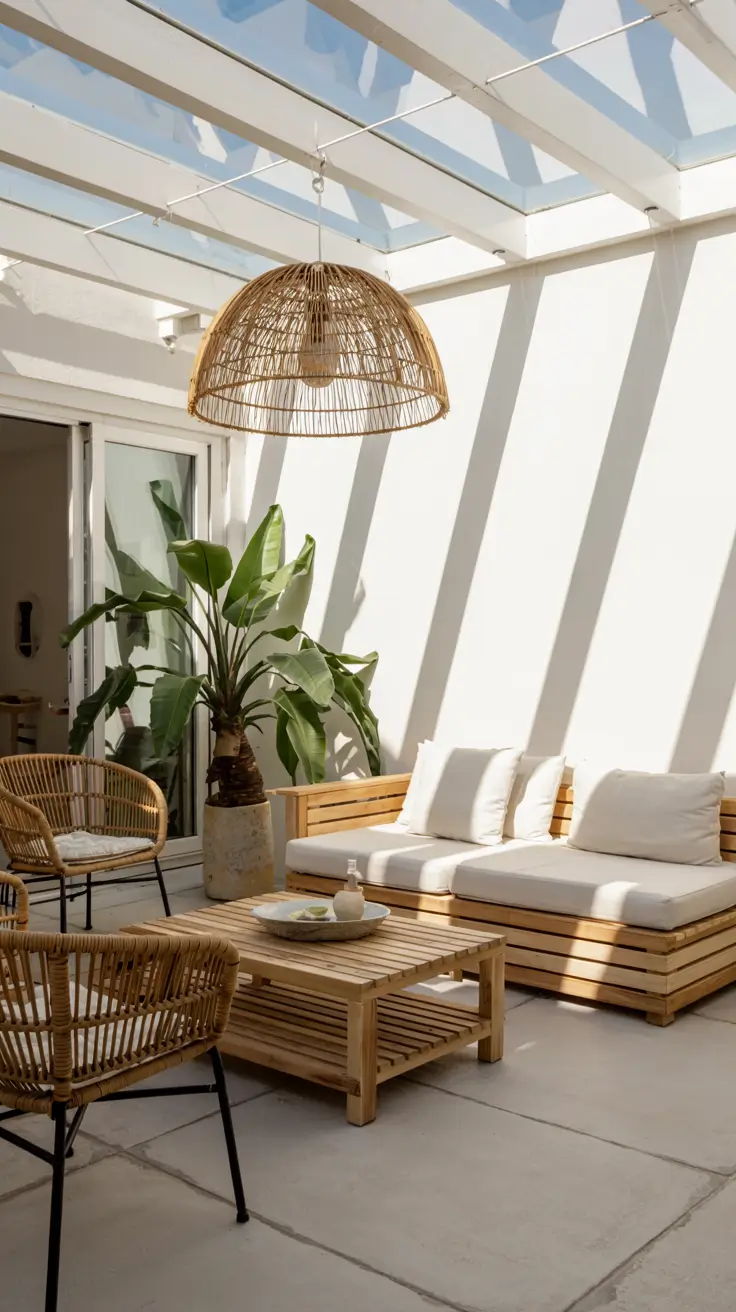
I select furniture made from aluminum, rattan, and composite materials. Modular sofas, stackable chairs, and compact tables are essential. These pieces are easy to store and reconfigure depending on the occasion.
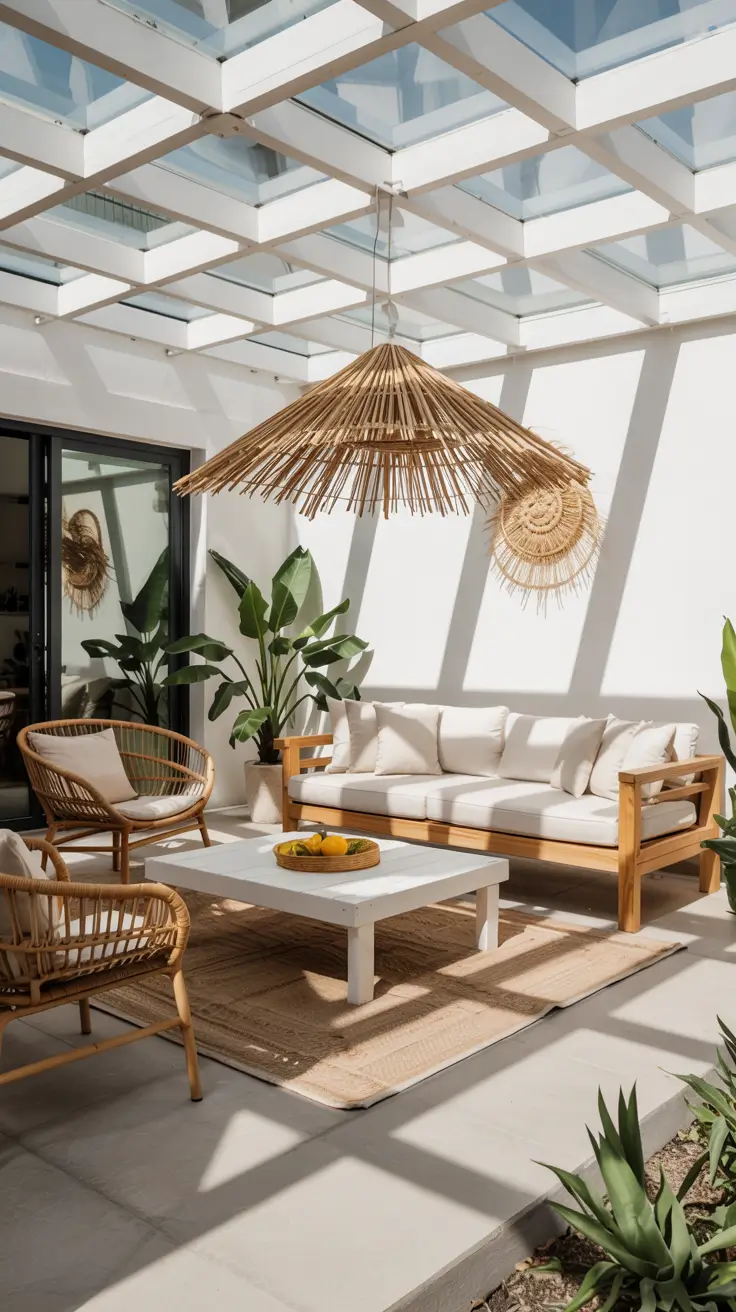
In my opinion, this trend reflects a shift toward more dynamic living. Homes are no longer static – they evolve throughout the day.
I would enhance this section by adding more emphasis on durability, ensuring that lightweight furniture still maintains long-term performance.
Textured Fabrics and Natural Finishes for Warm Weather Comfort
Texture plays a major role in summer interiors. I treat it like nail art patterns – subtle variations that add depth without overwhelming the design. In 2026, tactile comfort is just as important as visual appeal.
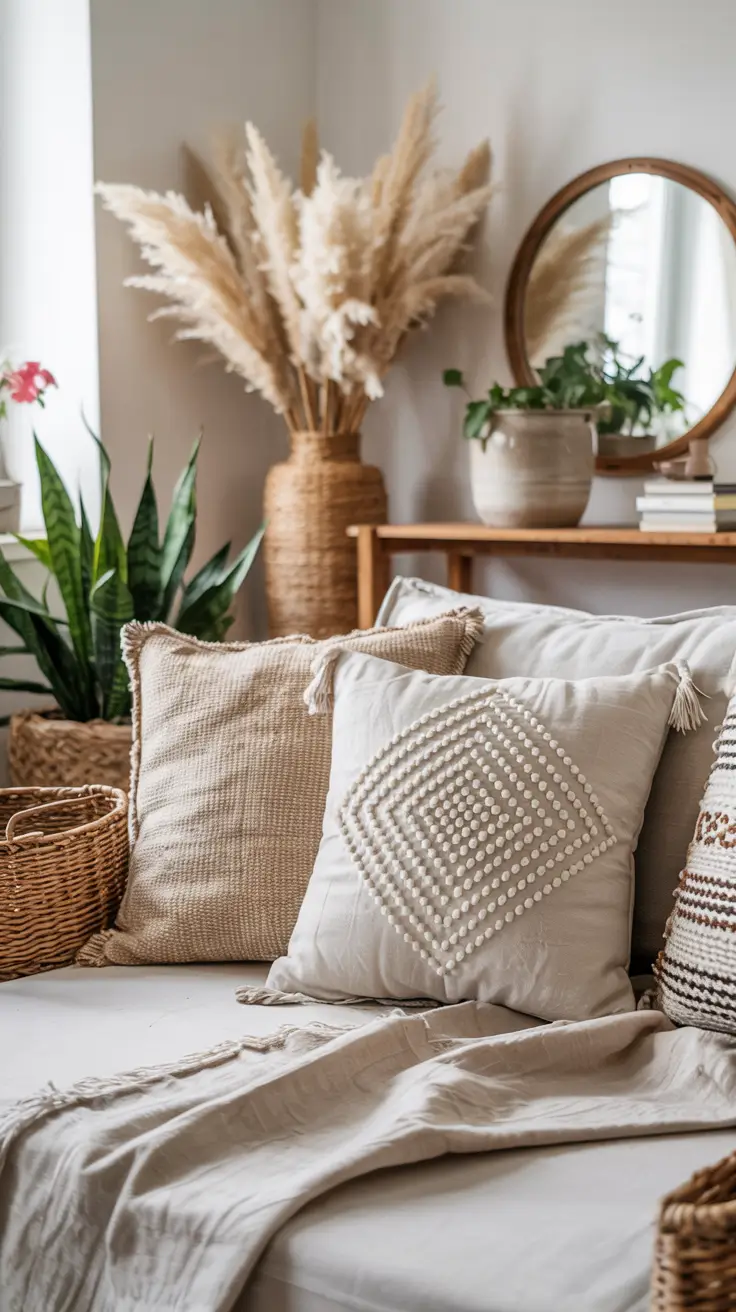
I use linen, cotton, jute, and woven materials to create layered textures. Upholstery is breathable, and finishes are matte or lightly treated to maintain a natural feel. Rugs, cushions, and throws add softness without heaviness.
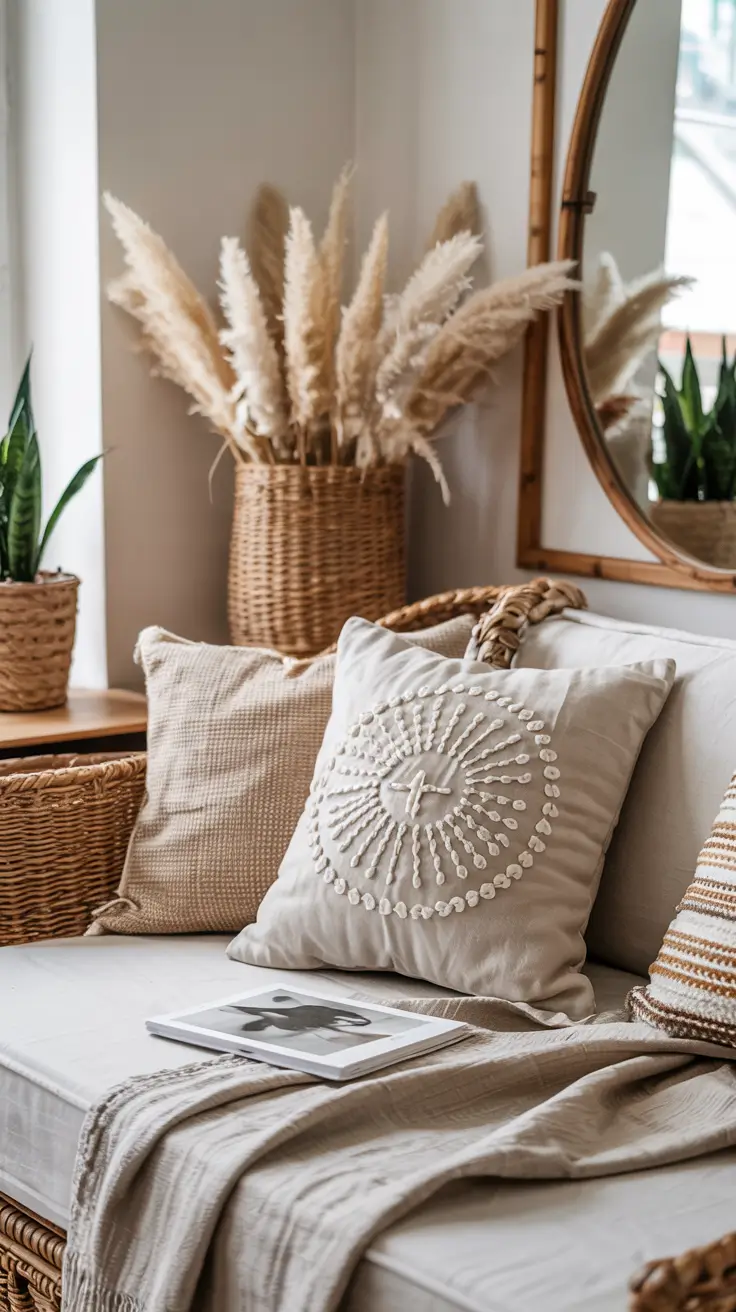
From my experience, texture makes a space feel more inviting and lived-in. It softens minimal designs and adds character.
What I would add is a stronger contrast between rough and smooth surfaces to create a more dynamic visual balance.
Panoramic Windows and Open Views as a Core Design Element
Large windows are no longer just architectural features – they define the entire interior. I design spaces around views, much like how a long nail design becomes the focal point of an entire look.
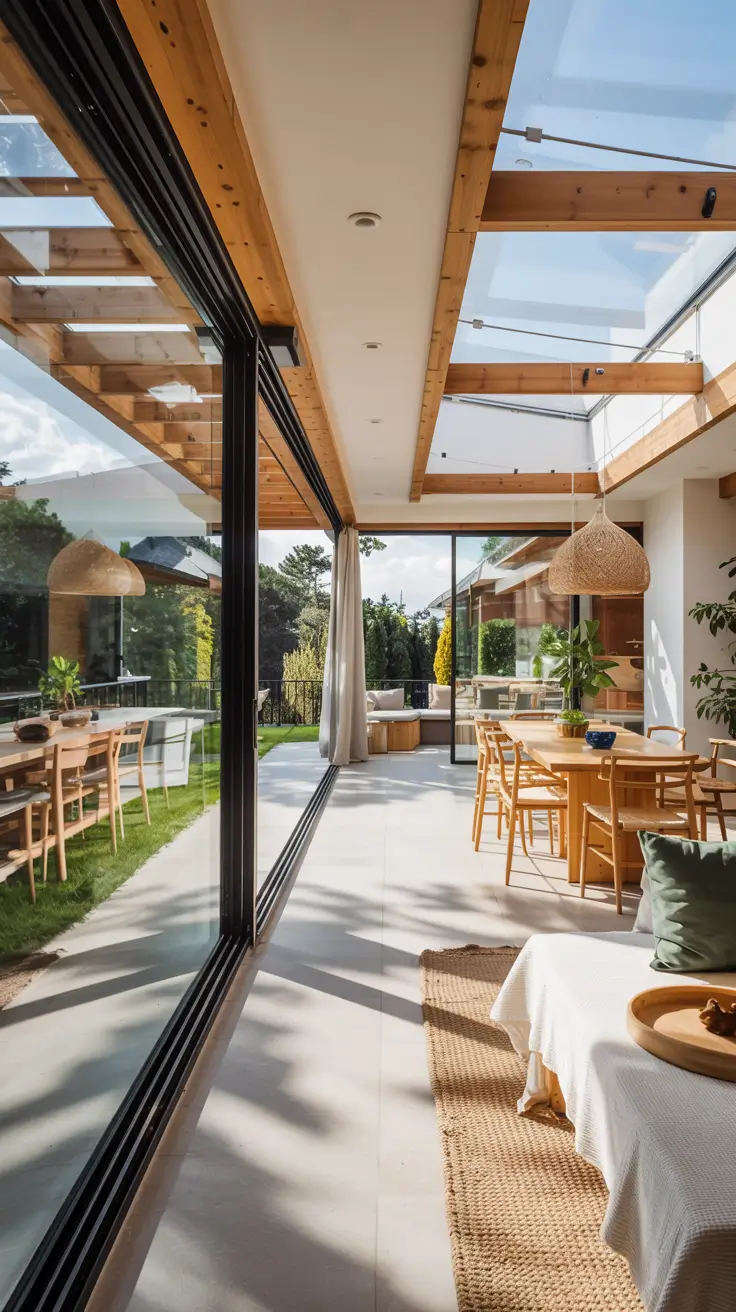
I use floor-to-ceiling glass, minimal frames, and strategic placement to maximize natural light and outdoor visibility. Interiors are arranged to face these views, making them part of daily life.
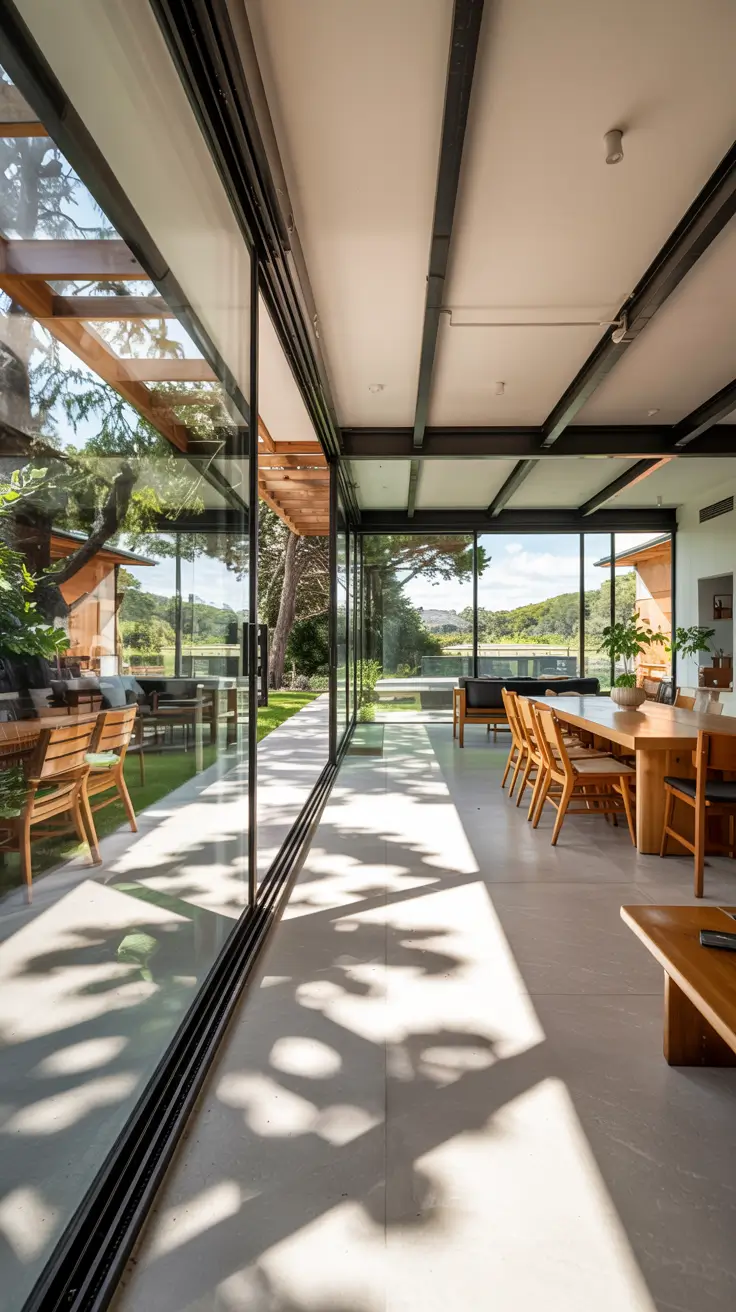
Personally, I believe that connection to the outside environment enhances both aesthetics and well-being. It changes how people experience their homes.
What’s missing here is proper shading solutions – I would integrate smart blinds or architectural overhangs to control light and heat.
Poolside Lounge Aesthetics and Resort-Style Backyards
Poolside areas in 2026 are designed with a resort mindset. I approach them like a complete visual composition, similar to glitter blue accents in nail design that elevate the entire look. These spaces must feel luxurious yet relaxed.
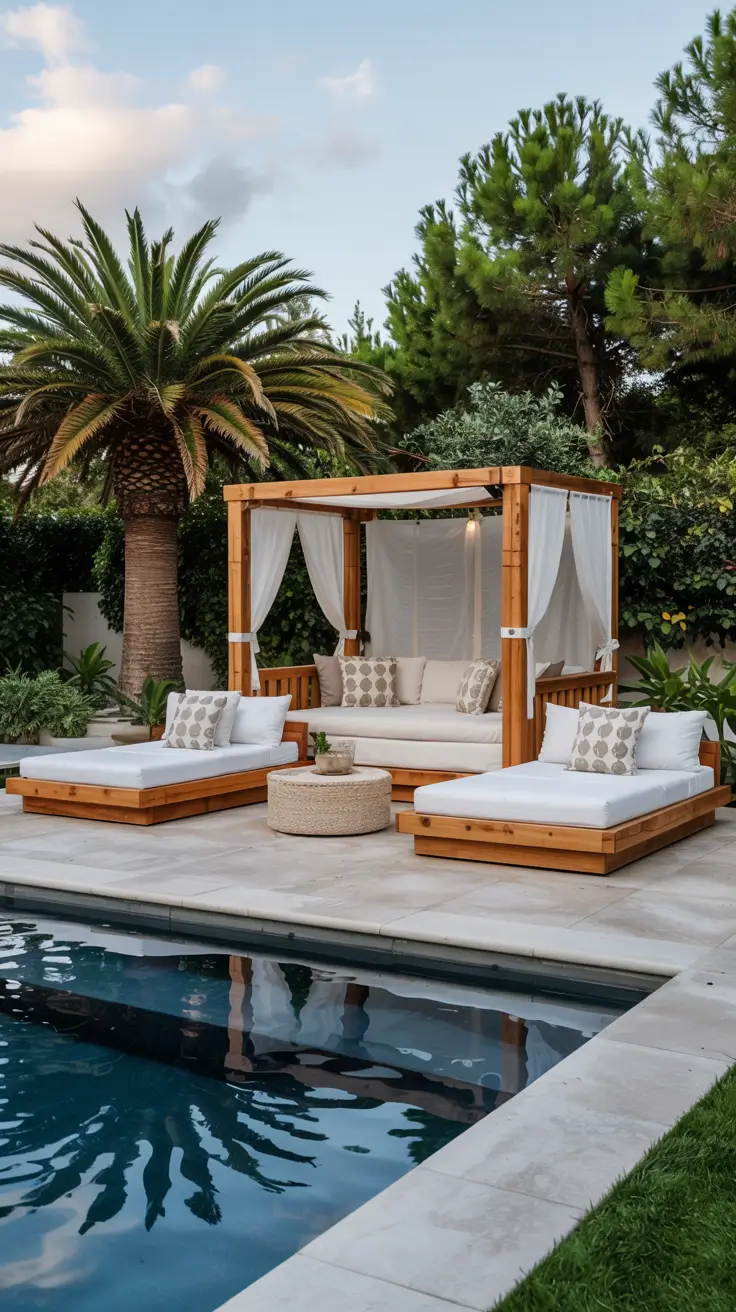
I include sun loungers, shaded cabanas, outdoor rugs, and soft lighting. Materials must be water-resistant and durable, while still maintaining a refined appearance. Neutral tones dominate, with occasional bold accents.
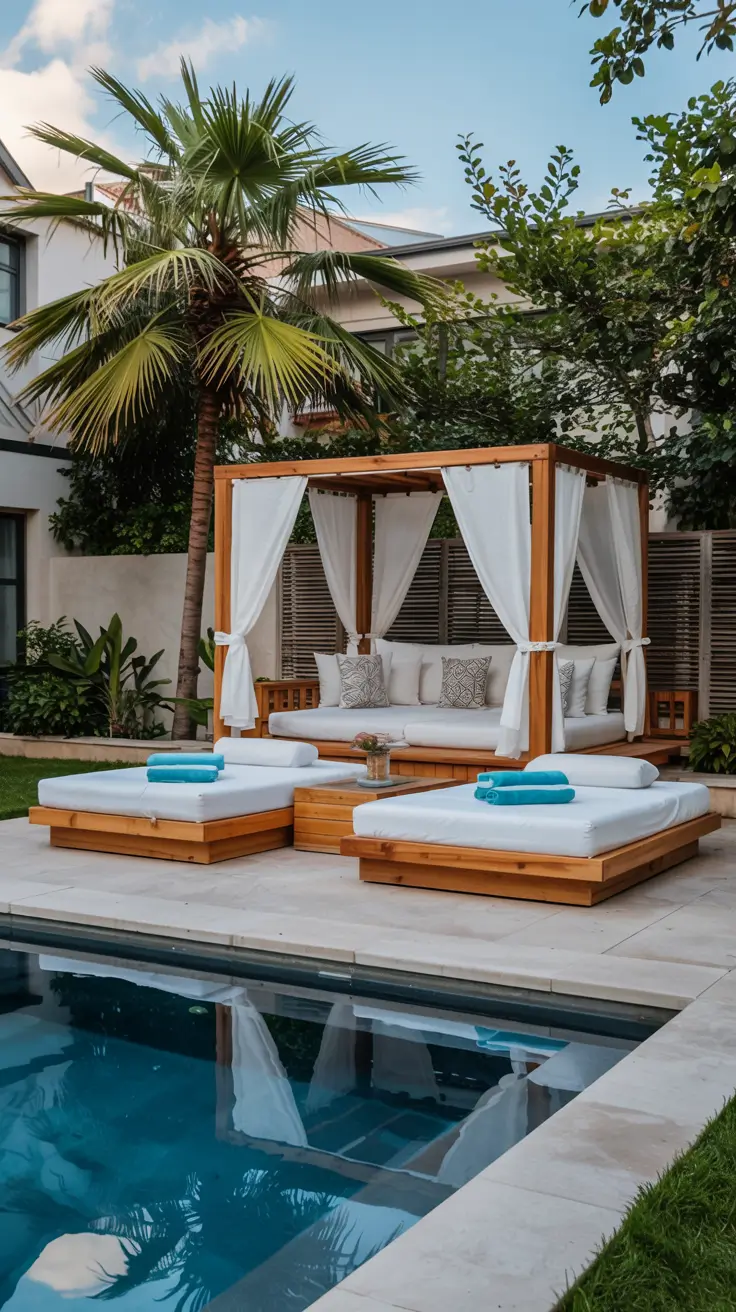
From my perspective, a well-designed pool area becomes the centerpiece of summer living. It encourages relaxation and social interaction.
I would enhance this concept by adding integrated sound systems and subtle water features to elevate the sensory experience.
Mediterranean Influences in Modern Summer Homes
Mediterranean design continues to influence summer interiors in 2026. I see it as a timeless approach, much like square nail or minimal nail styles that remain relevant across trends. It combines warmth, texture, and simplicity.
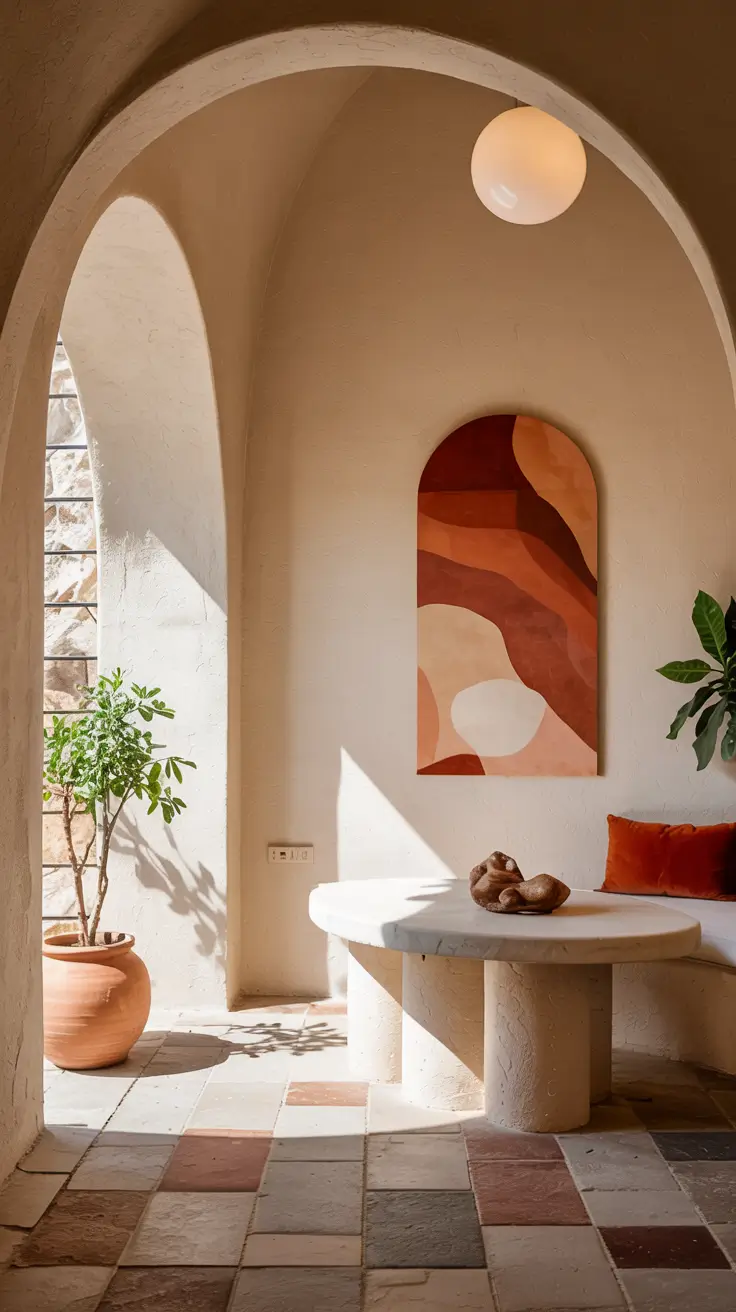
I use arched doorways, stucco walls, terracotta tiles, and natural wood. Color palettes include warm whites, sandy tones, and deep blues. Decorative elements are minimal but meaningful.
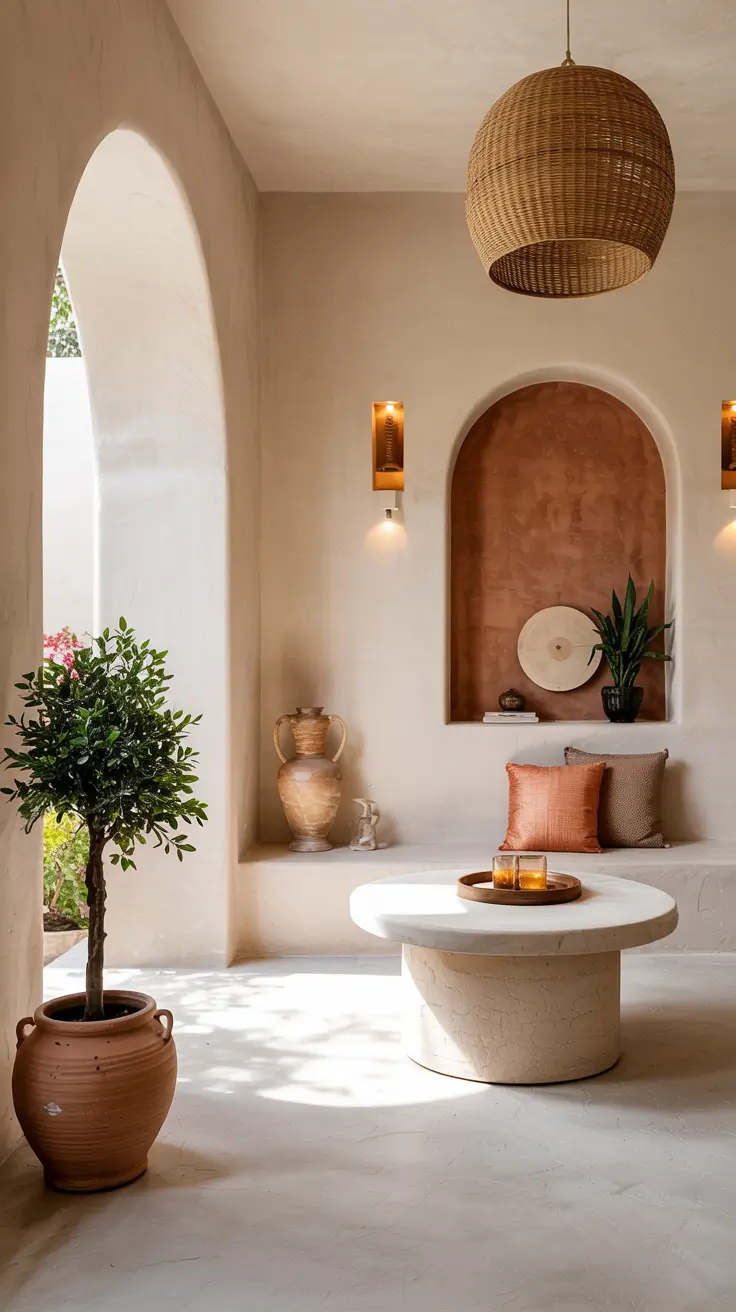
In my experience, this style creates a welcoming and relaxed atmosphere. It feels both elegant and comfortable, making it ideal for summer homes.
What I would add is more modern integration – blending traditional Mediterranean elements with contemporary furniture for a more balanced look.
Japandi Summer Style for Calm and Simplicity
I approach Japandi summer interiors as a balance between Japanese minimalism and Scandinavian comfort, creating a calming environment perfect for hot seasons. I focus on clean lines, light wood tones, and breathable layouts that reduce visual noise and improve daily living. This style is especially practical in summer homes because it enhances airflow and emphasizes natural light, making spaces feel open and tranquil.
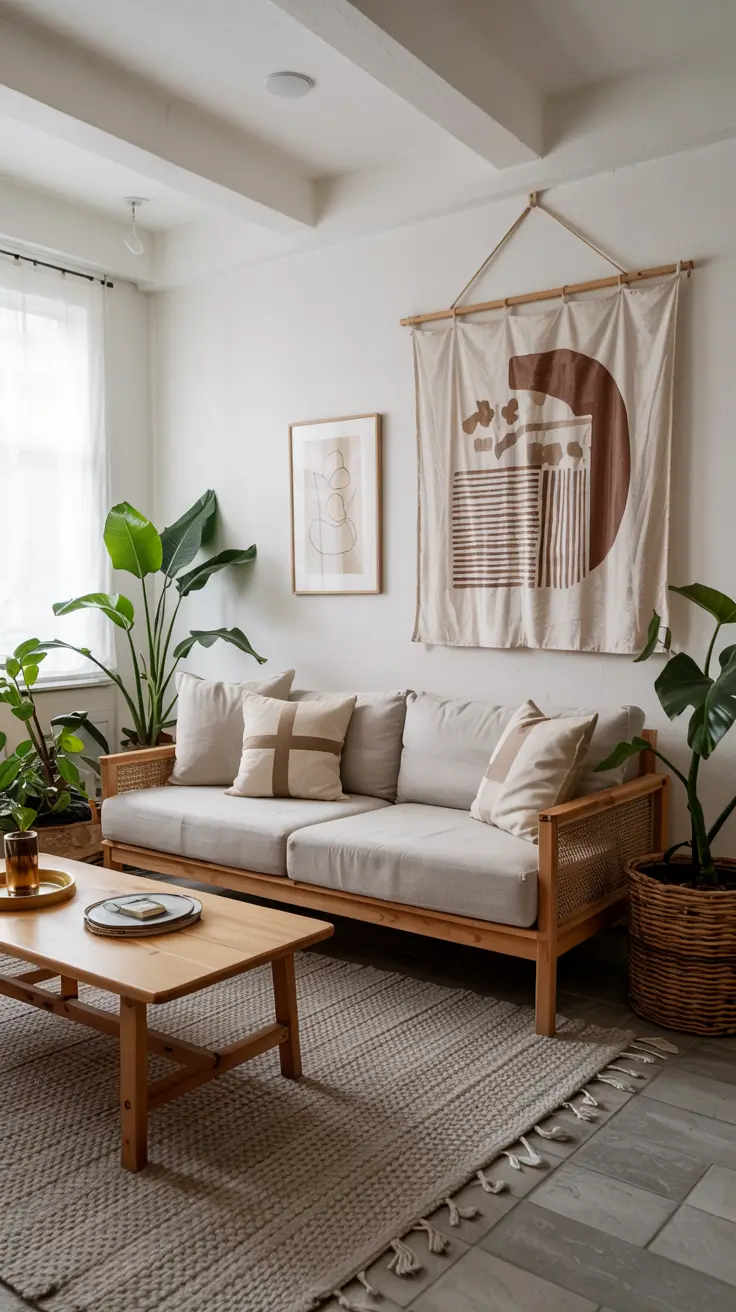
I include low-profile furniture, neutral textiles, and functional decor pieces that serve both aesthetic and practical roles. Linen sofas, light oak tables, and soft cotton curtains help regulate temperature while maintaining a refined look. I also prioritize uncluttered surfaces and integrated storage to maintain harmony, similar to how simple nail or minimal nail designs rely on clean execution rather than excess detail.
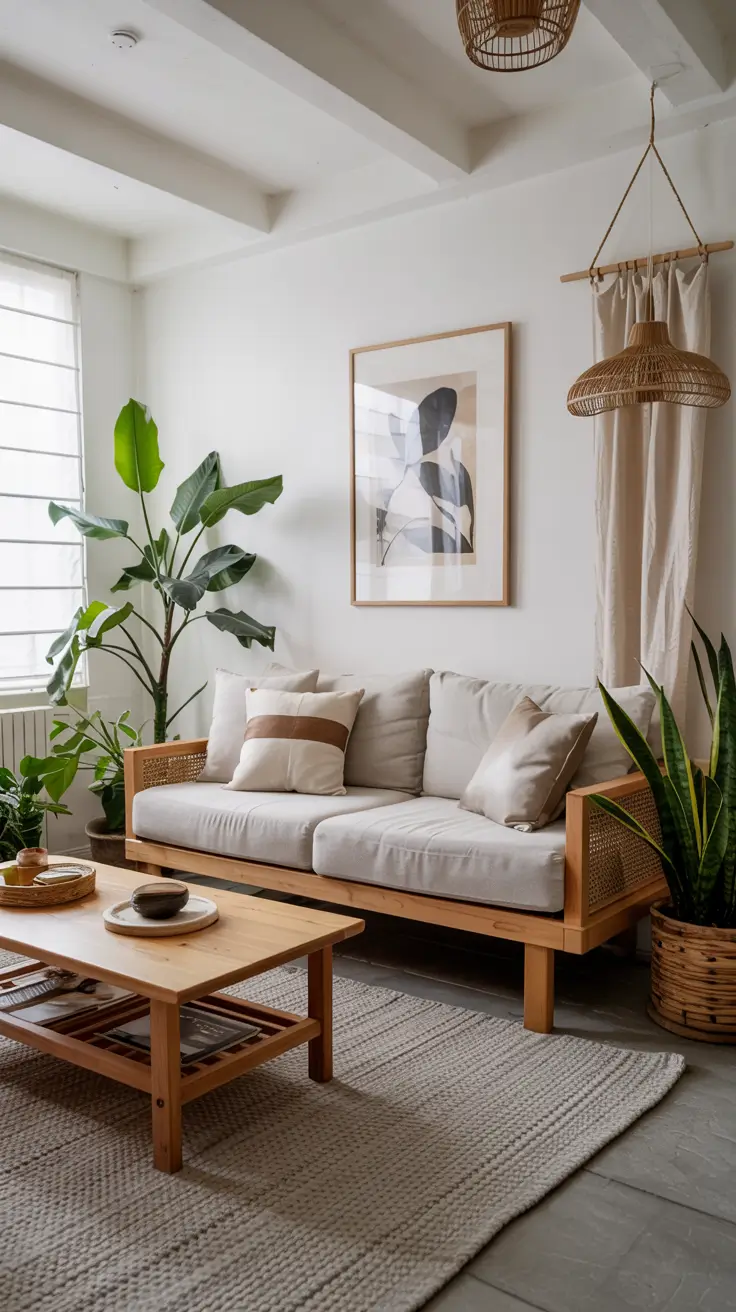
From my experience, Japandi works best when restraint is intentional. Designers featured in publications like Architectural Digest often highlight that simplicity requires discipline, not absence of style. I apply this mindset by carefully selecting each piece rather than filling space unnecessarily.
What this section could benefit from is more integration of outdoor continuity, such as sliding panels or terraces that extend the Japandi philosophy beyond interior walls.
Bold Accent Pieces in Soft Neutral Interiors
I often design neutral interiors as a canvas, then introduce bold accent pieces to create visual interest without overwhelming the space. In summer homes, this contrast becomes even more effective because natural light amplifies textures and colors. I use soft beige, sand, and off-white tones as a base, allowing statement elements to stand out naturally.
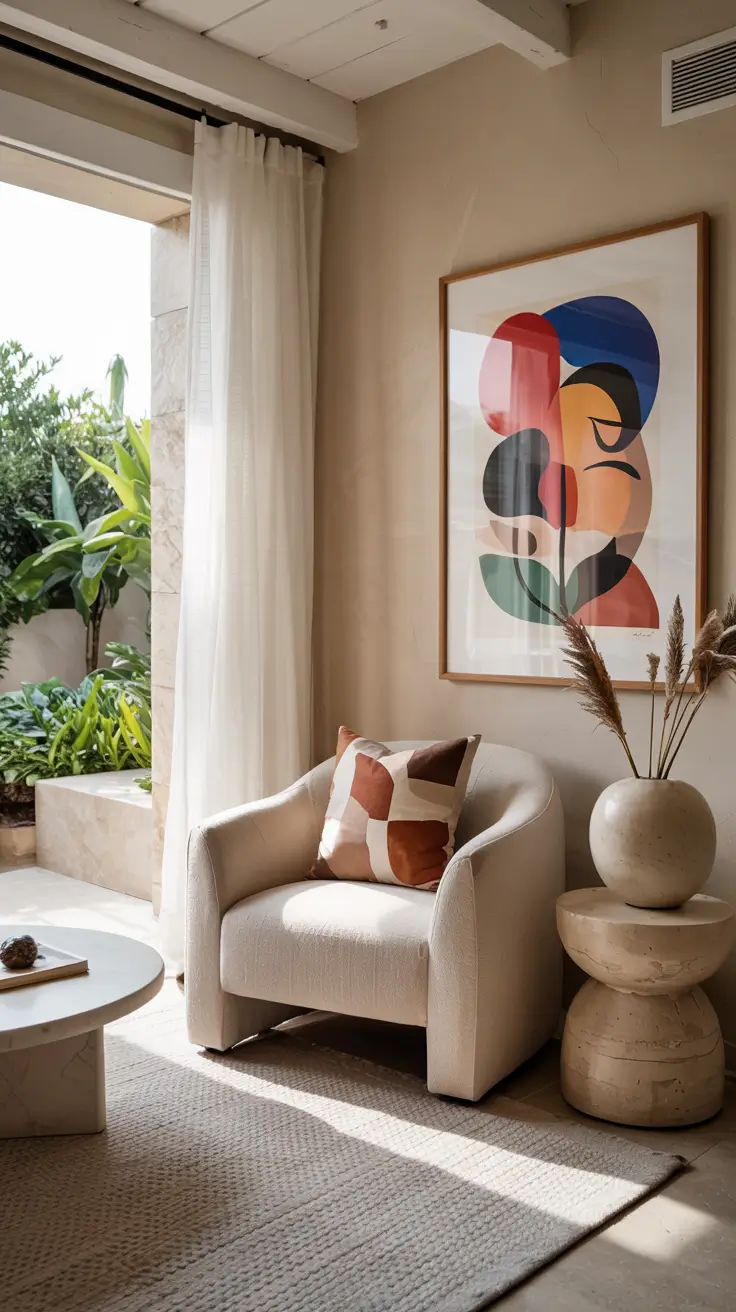
Key elements include sculptural chairs, vibrant artwork, or a single striking sofa. These accents function like glitter blue or 2025 graphic details in nail art – small but impactful features that define the entire composition. I carefully select materials like velvet, ceramic, or colored glass to introduce depth and personality.
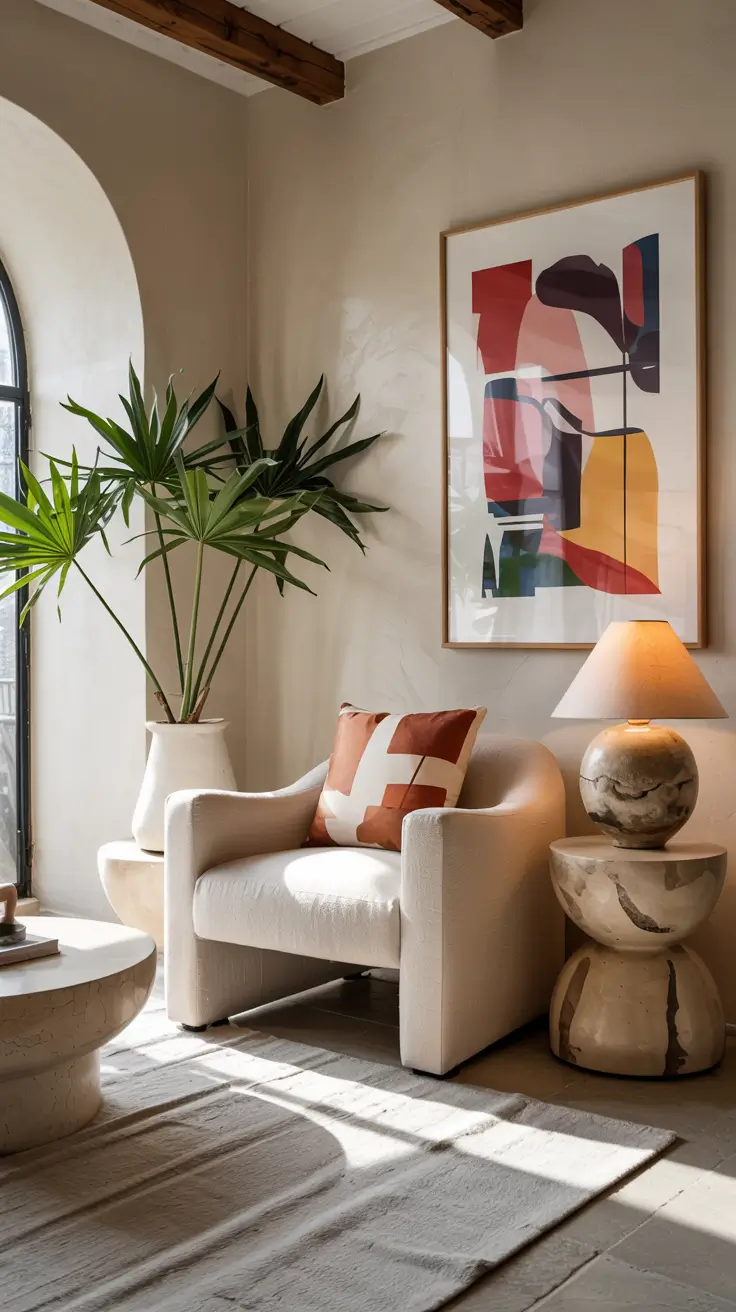
In my opinion, balance is everything. Too many accents can disrupt the calm atmosphere, while too few make the space feel unfinished. I usually follow a one focal point per room principle, which aligns with modern design practices recommended by Elle Decor.
This section could be enhanced by exploring seasonal flexibility – how accent pieces can be swapped or adapted throughout the year for evolving trends.
Eco-Friendly Cooling Solutions and Passive Design
I prioritize passive cooling strategies when designing summer homes, as they reduce energy consumption while improving comfort. This includes cross-ventilation, shaded windows, and strategic orientation of living spaces. These solutions are not only sustainable but also cost-effective over time.
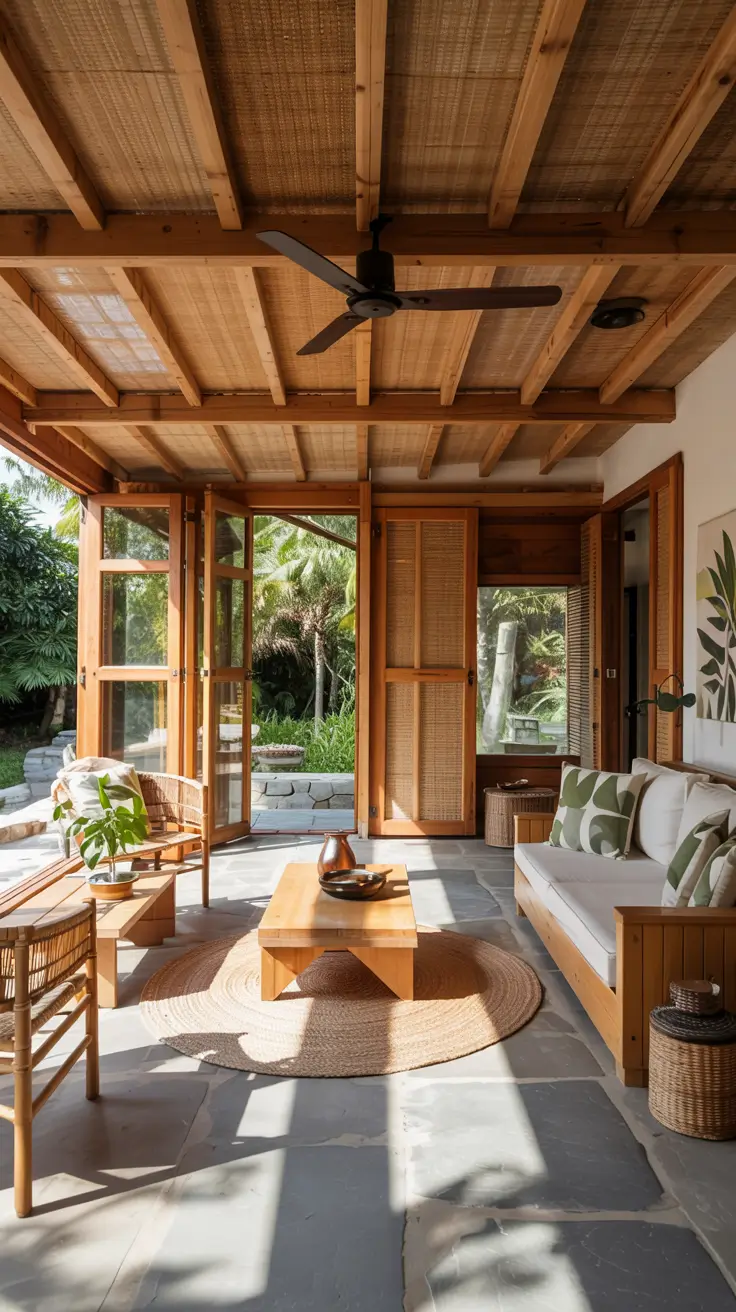
I incorporate materials like stone flooring, bamboo panels, and breathable fabrics that naturally regulate temperature. Ceiling fans, pergolas, and green roofs also play a significant role. Much like trending acrylic nail designs focus on both aesthetics and durability, eco-design merges beauty with long-term performance.
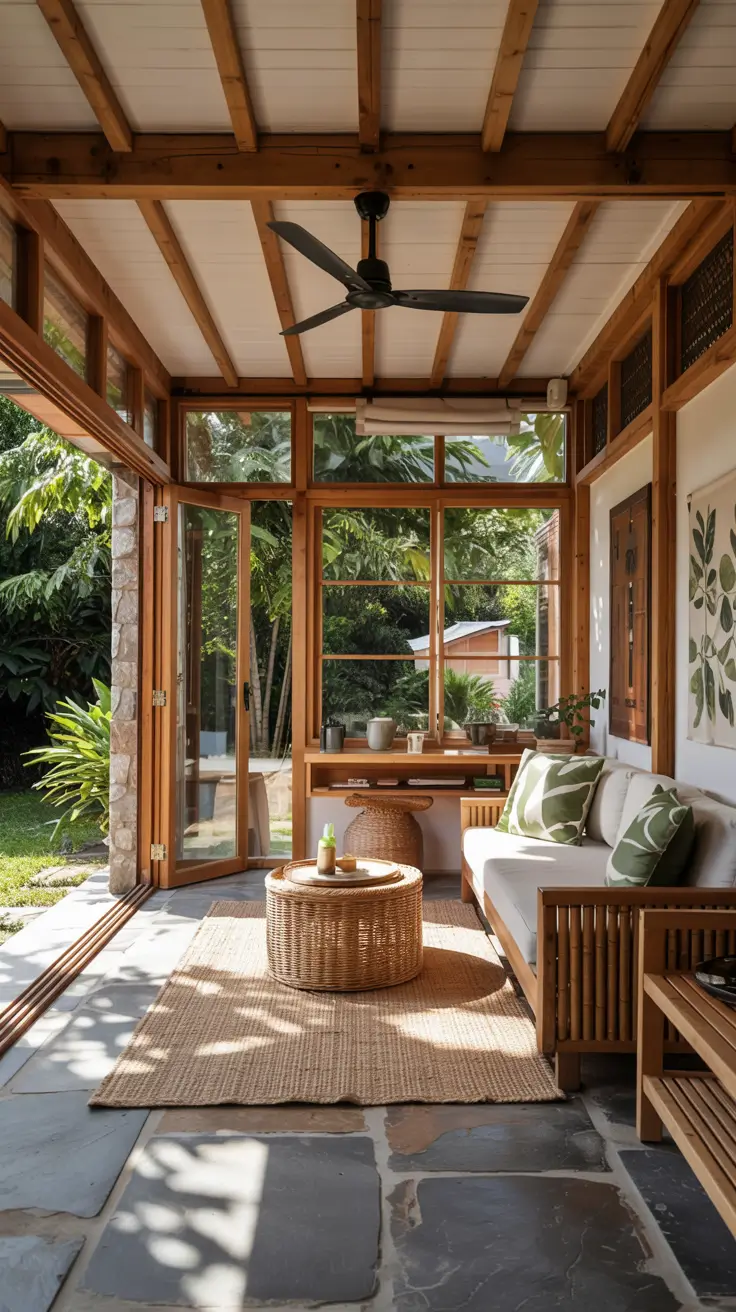
Personally, I find that passive design creates a more authentic living experience. Instead of relying on artificial cooling, the home adapts to its environment. Experts from the US Green Building Council often emphasize that sustainability should feel seamless, not forced.
What is missing here is a deeper dive into smart home integration – combining passive systems with modern technology for optimal efficiency.
Artisanal Decor and Handcrafted Details
I see a strong shift toward handcrafted decor in summer homes, where individuality replaces mass production. Artisanal elements bring warmth and authenticity, making spaces feel curated rather than manufactured. This trend reflects a growing appreciation for craftsmanship and cultural storytelling.
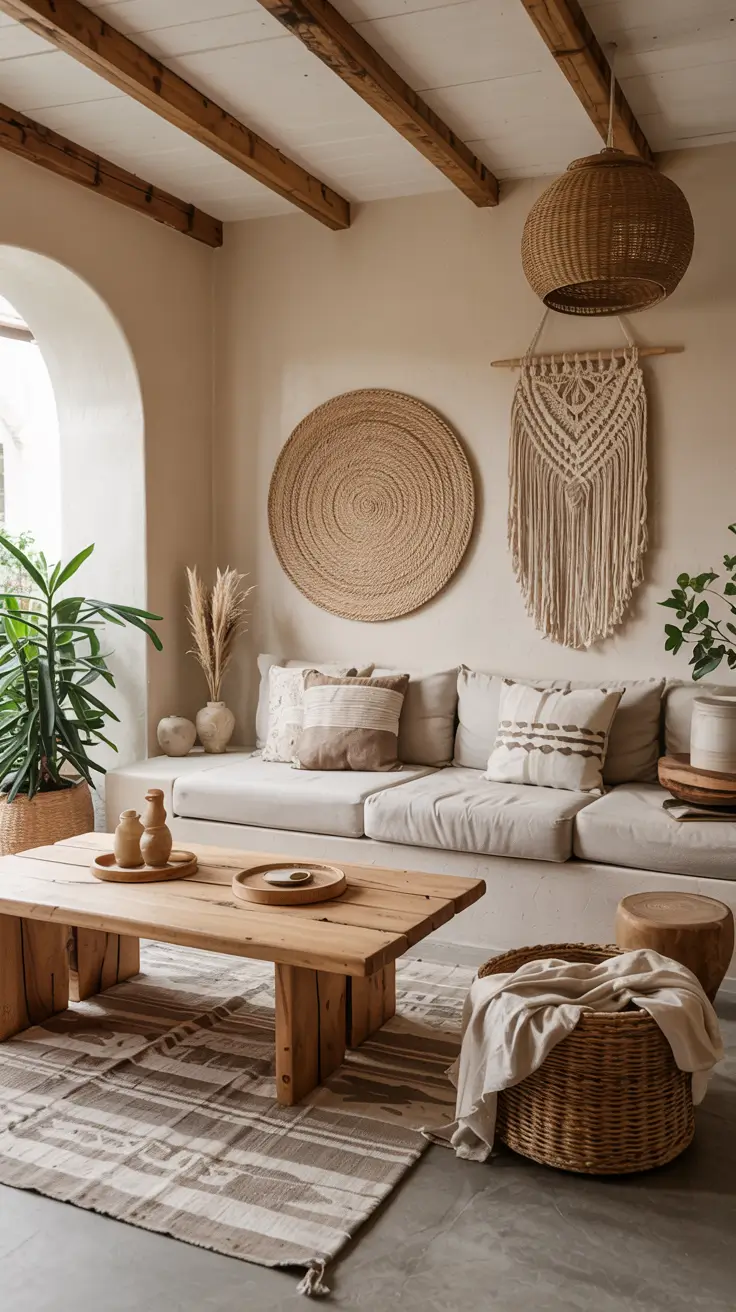
I incorporate handmade ceramics, woven textiles, and custom woodwork to create layered interiors. Each piece adds character, similar to how pattern and detail define 2024 nail or long nail designs. These elements also create tactile experiences, enhancing the sensory quality of the home.
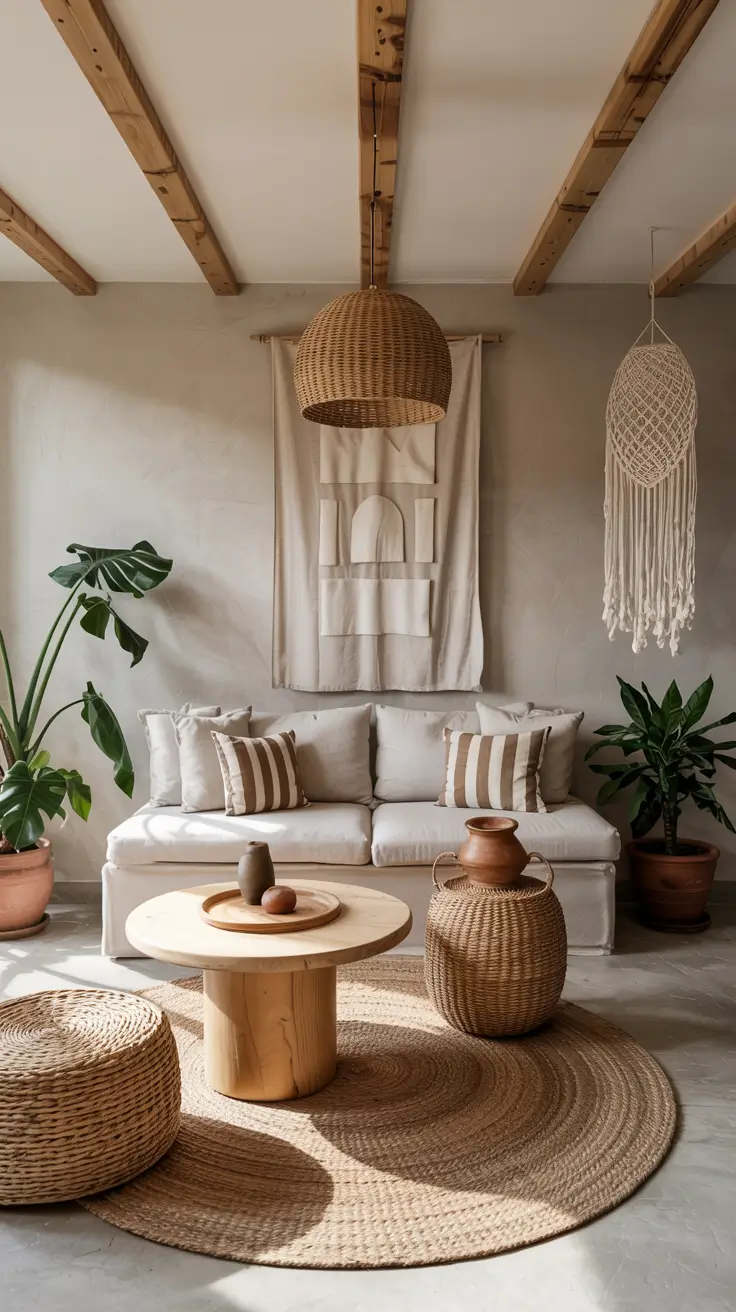
From my perspective, artisanal decor builds emotional connection. When I include handcrafted items, clients often feel more attached to their space. Designers frequently highlight that imperfection is what makes a home feel real and lived-in.
This section could be expanded by including sourcing strategies – where to find authentic artisans or how to commission custom pieces.
Future-Proof Summer Homes Blending Style and Functionality
I design future-proof homes by focusing on adaptability, ensuring that spaces remain relevant as trends evolve. In summer homes, this means flexible layouts, modular furniture, and durable materials that withstand seasonal changes.
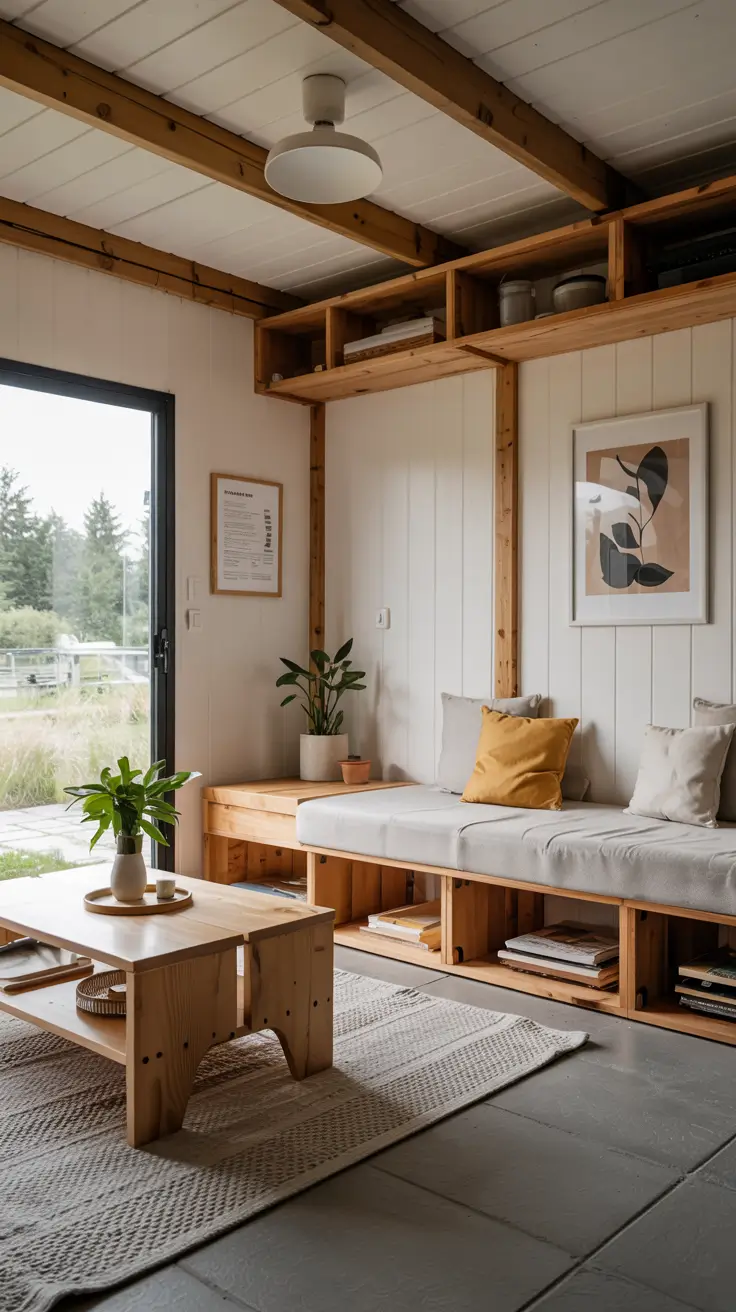
I use multi-functional pieces such as extendable tables, convertible seating, and hidden storage solutions. These elements maximize usability without compromising aesthetics. Like short square nail or short nail trends, simplicity and practicality define the design.
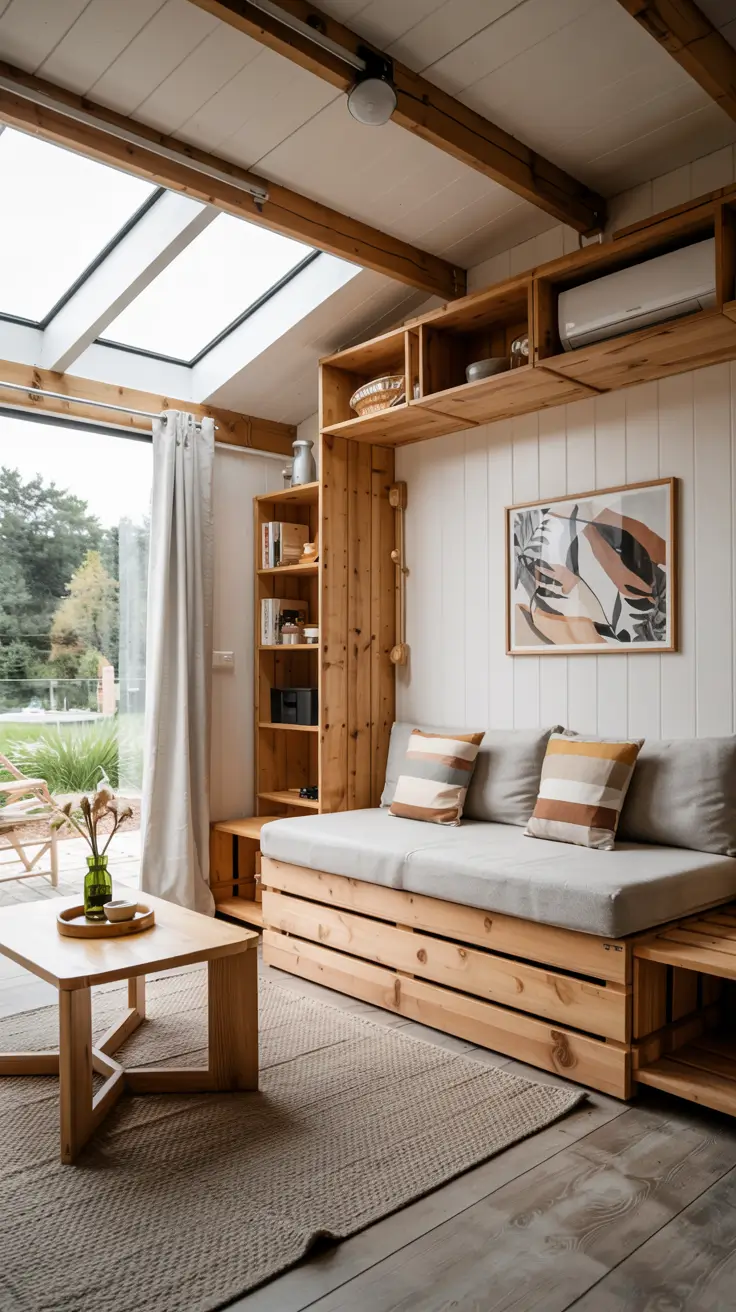
In my experience, clients increasingly value longevity over fleeting trends. Industry experts often emphasize investing in quality foundations rather than constantly redesigning. I follow this principle by prioritizing structure over decoration.
This section would benefit from more emphasis on technological integration, such as smart climate systems and adaptive lighting.