Are you looking for fresh trellis garden ideas that combine style, structure, and productivity in 2026? Wondering how a trellis garden wall or trellis garden fence can completely transform your outdoor space? In this guide, I will walk through practical, modern, and visually striking approaches to trellis gardening, from vertical vegetable layouts to elegant entrances and arches. You will discover how to design trellis gardens that are both functional and beautiful, whether you are working with a compact backyard or a spacious landscape.
Trellis Garden 2026: The Ultimate Guide to Stylish Vertical Gardening
I see trellis gardening in 2026 as a perfect fusion of vertical efficiency and architectural beauty. When I design a trellis garden, I focus on creating layers that guide the eye upward while maximizing planting space. Vertical structures such as wooden frames, metal grids, or cattle panel systems allow even small gardens to feel expansive and organized. This approach is especially useful when designing trellis garden ideas for backyards where space must be used wisely.
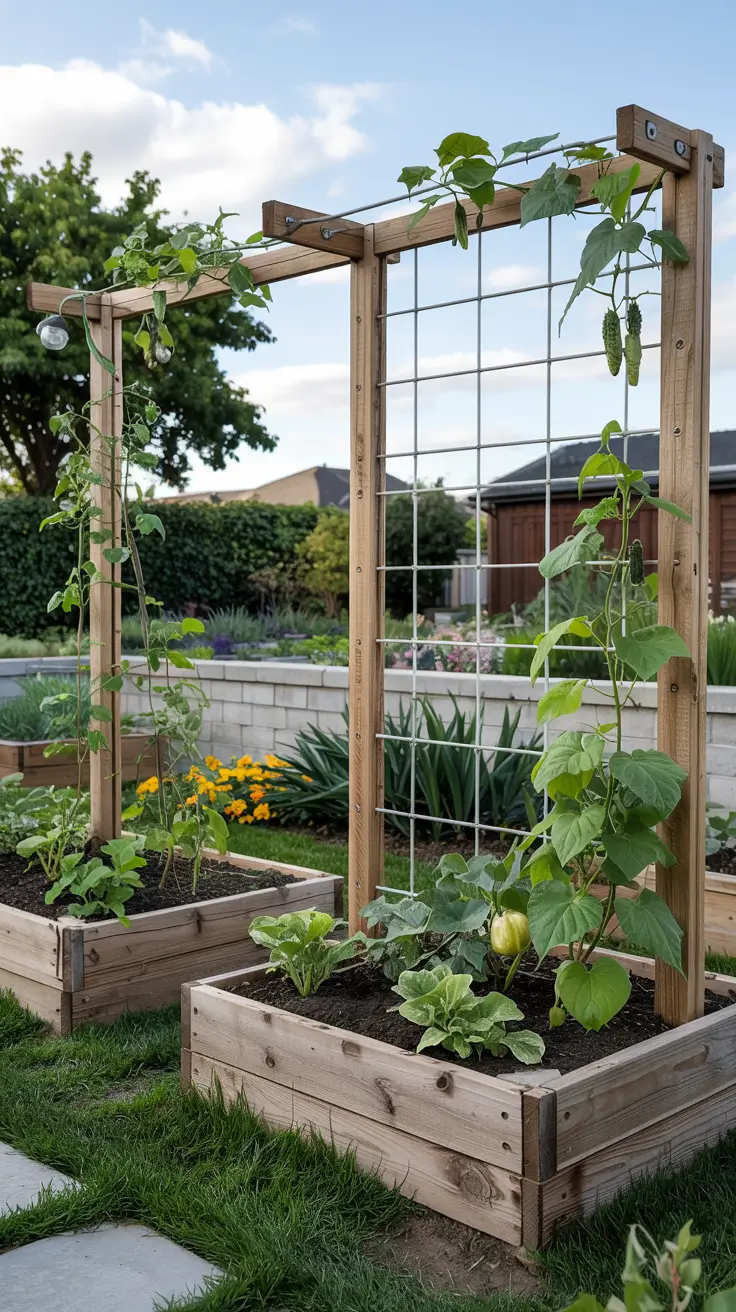
From my experience, materials matter just as much as layout. I often include wooden trellis panels for warmth, paired with planter boxes or raised beds to create a structured base. Adding elements like a trellis garden bed or a vertical cucumber support system ensures that plants grow efficiently while maintaining visual order. Lighting, such as soft garden lanterns, enhances the overall atmosphere and extends usability into the evening.
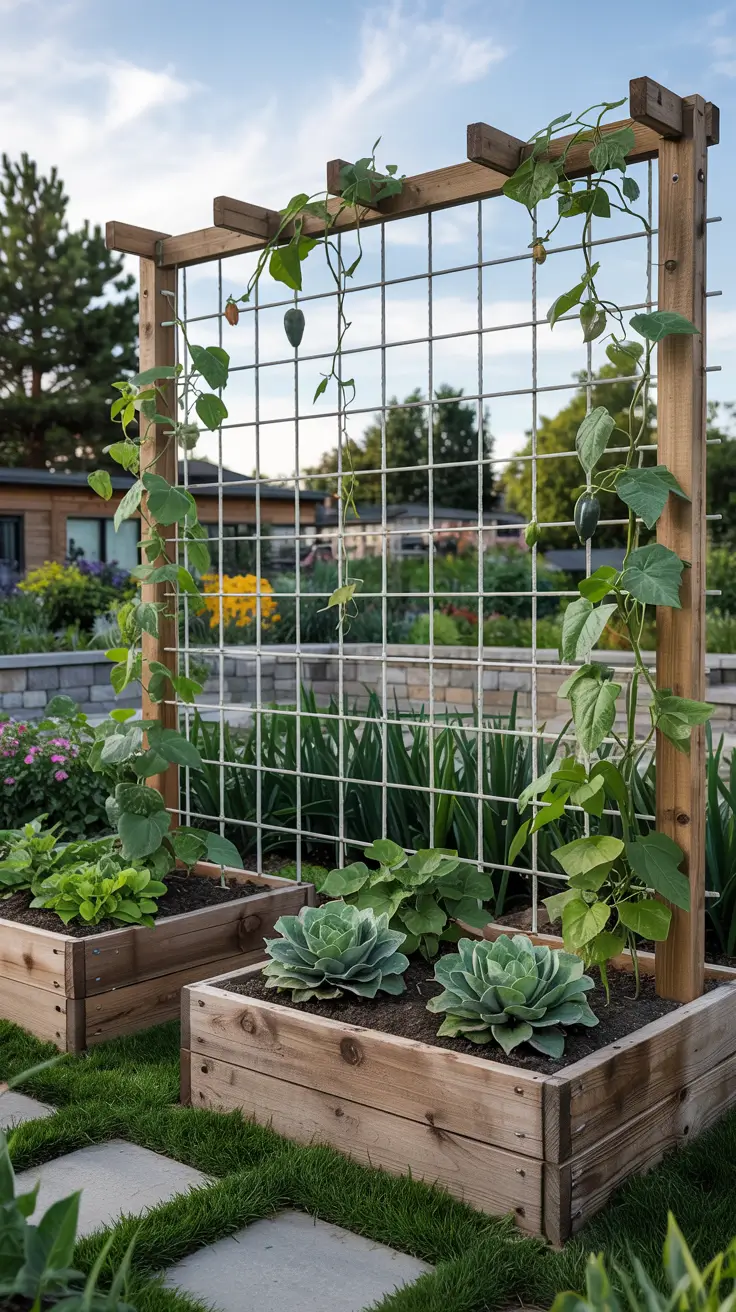
I personally believe that vertical gardening is not just practical but essential for modern outdoor living. Many designers emphasize sustainability and space optimization, and I follow the same principle. A well planned trellis garden becomes both a productive vegetable zone and a decorative outdoor room.
What I would add here is a stronger irrigation strategy. I always recommend integrating drip irrigation systems early in the design to support vertical plant growth and reduce maintenance time.
Trellis Garden Ideas to Transform Modern Outdoor Spaces
When I approach trellis garden ideas, I think beyond simple plant support and focus on transformation. A trellis garden can redefine an outdoor space by creating zones, adding height, and introducing texture. I often design trellis dividers that separate lounging areas from planting zones, making the garden feel like an outdoor room.
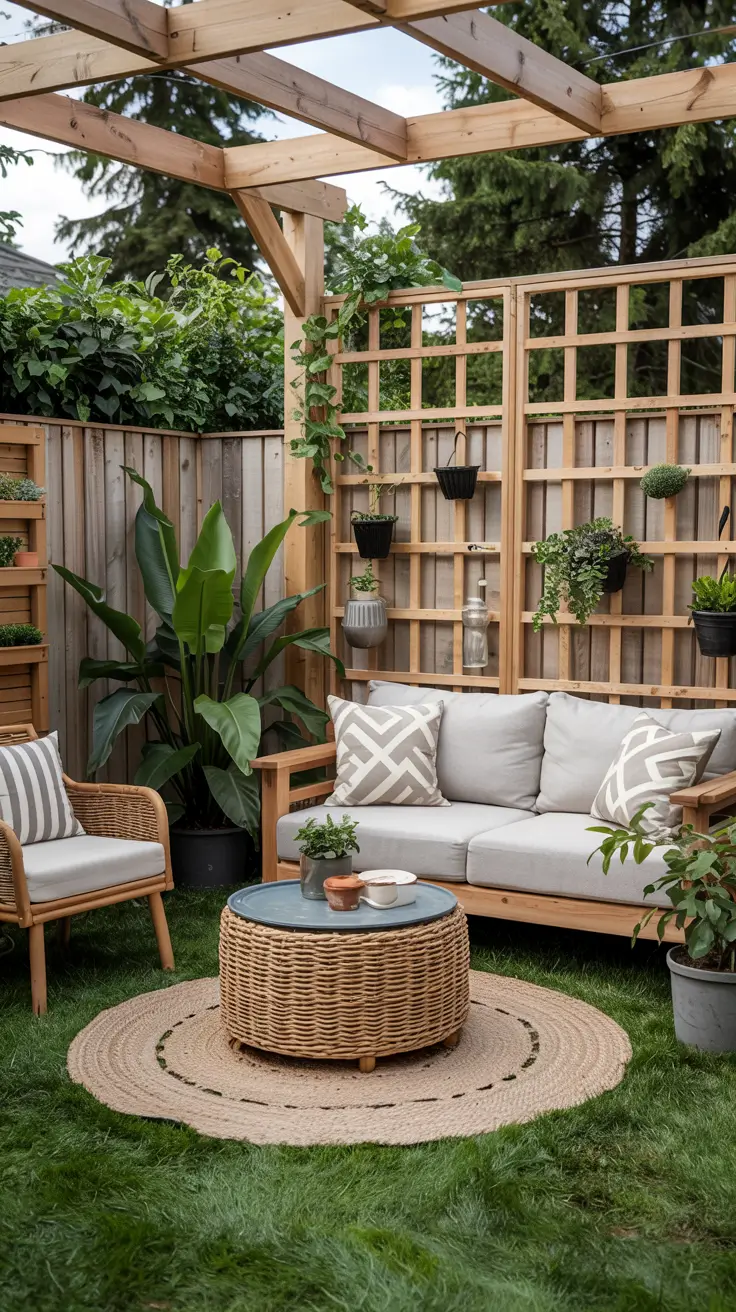
I include features like branch style trellises or geometric metal panels to add personality. Combining these with comfortable outdoor furniture, such as modular seating or a small dining set, creates a balanced environment. I also like incorporating trellis garden wall sections with climbing plants like ivy or roses to soften the structure.
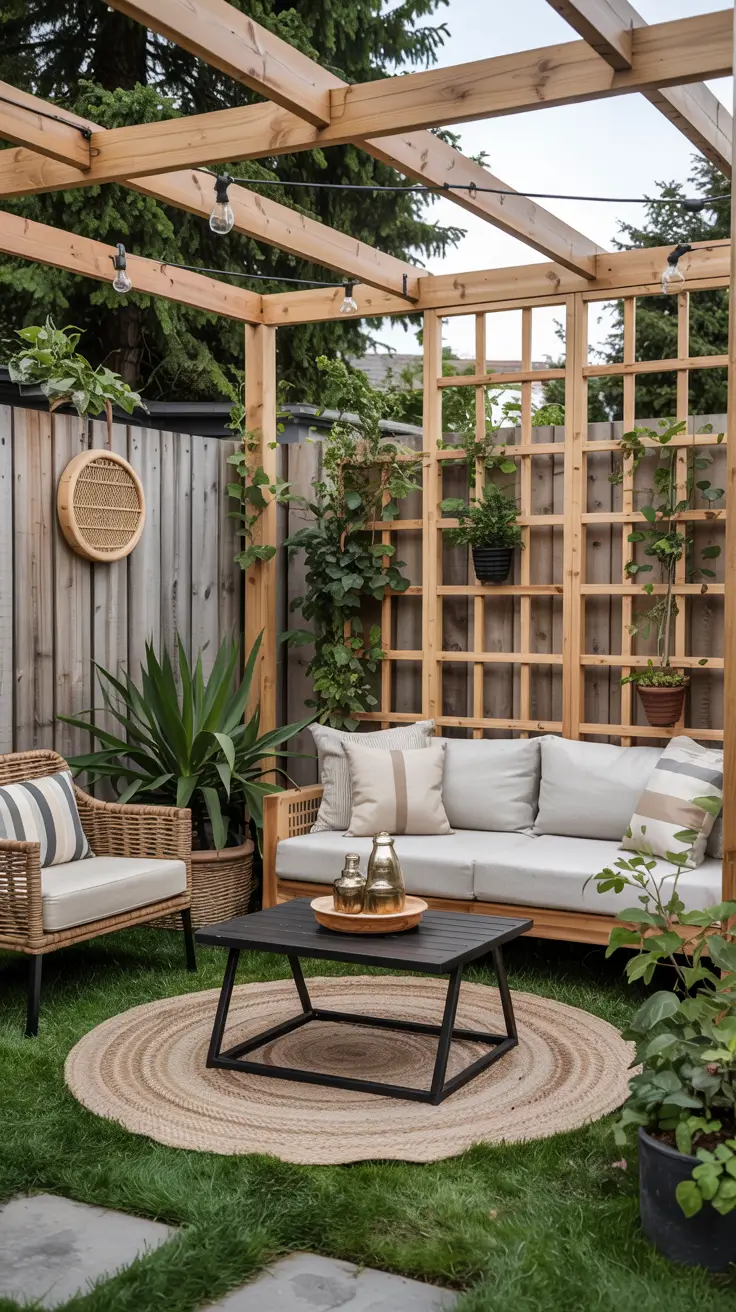
From my perspective, the most successful designs are those that feel intentional rather than decorative. I always aim for a cohesive look where every trellis element contributes to both function and style. Inspiration often comes from modern landscape trends that emphasize clean lines and natural materials.
What I find missing in many designs is adaptability. I recommend adding movable trellis panels or modular systems so the layout can evolve with changing needs.
Trellis Garden Wall Designs for Functional and Decorative Use
A trellis garden wall is one of the most versatile features I use in outdoor design. It acts as both a vertical garden and a visual anchor. I typically position it along boundaries or as a backdrop for seating areas to create depth and structure. This is particularly effective in urban environments where space is limited.
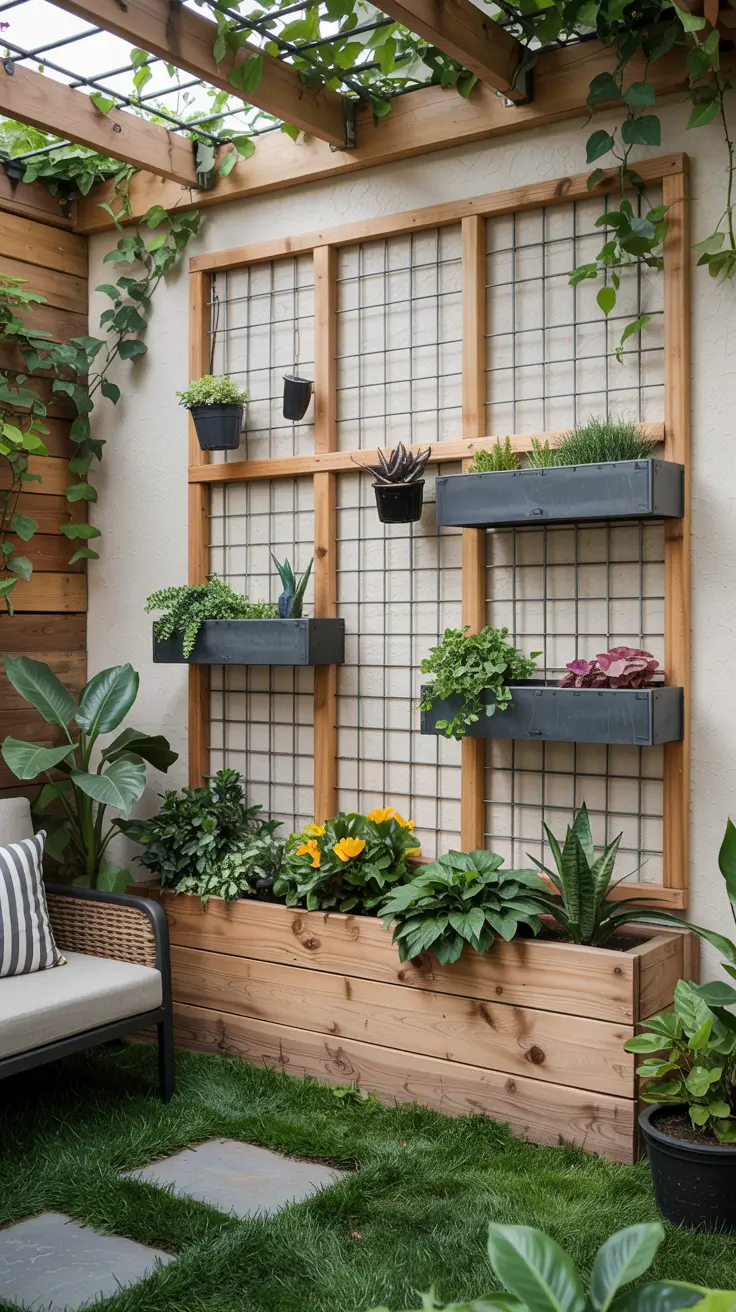
I prefer combining wooden slats with metal grid inserts to balance durability and aesthetics. Adding integrated planter boxes at the base allows for layered planting, while climbing plants like clematis or beans create a lush green wall. Sometimes I incorporate shelves or hooks into the wall design to hold decorative items or small pots.
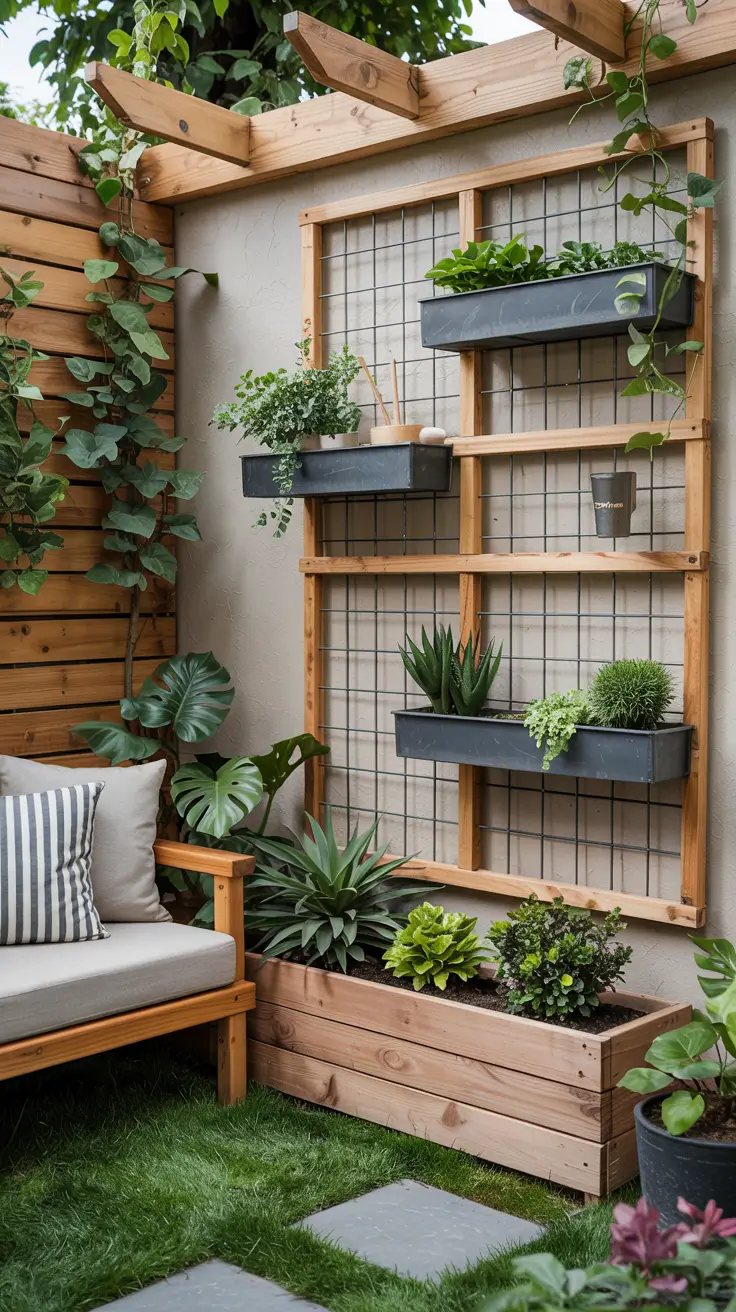
In my opinion, a trellis garden wall should feel like part of the architecture rather than an afterthought. I often draw inspiration from modern outdoor living concepts where walls serve multiple purposes, including privacy and decoration.
What I would improve here is seasonal adaptability. I recommend planning for year round interest by mixing evergreen plants with seasonal climbers.
Trellis Garden Fence Ideas for Privacy and Style
I often use a trellis garden fence to solve two problems at once – privacy and aesthetics. Instead of traditional fencing, a trellis structure allows light and air to pass through while still defining boundaries. This creates a more open and inviting garden environment.
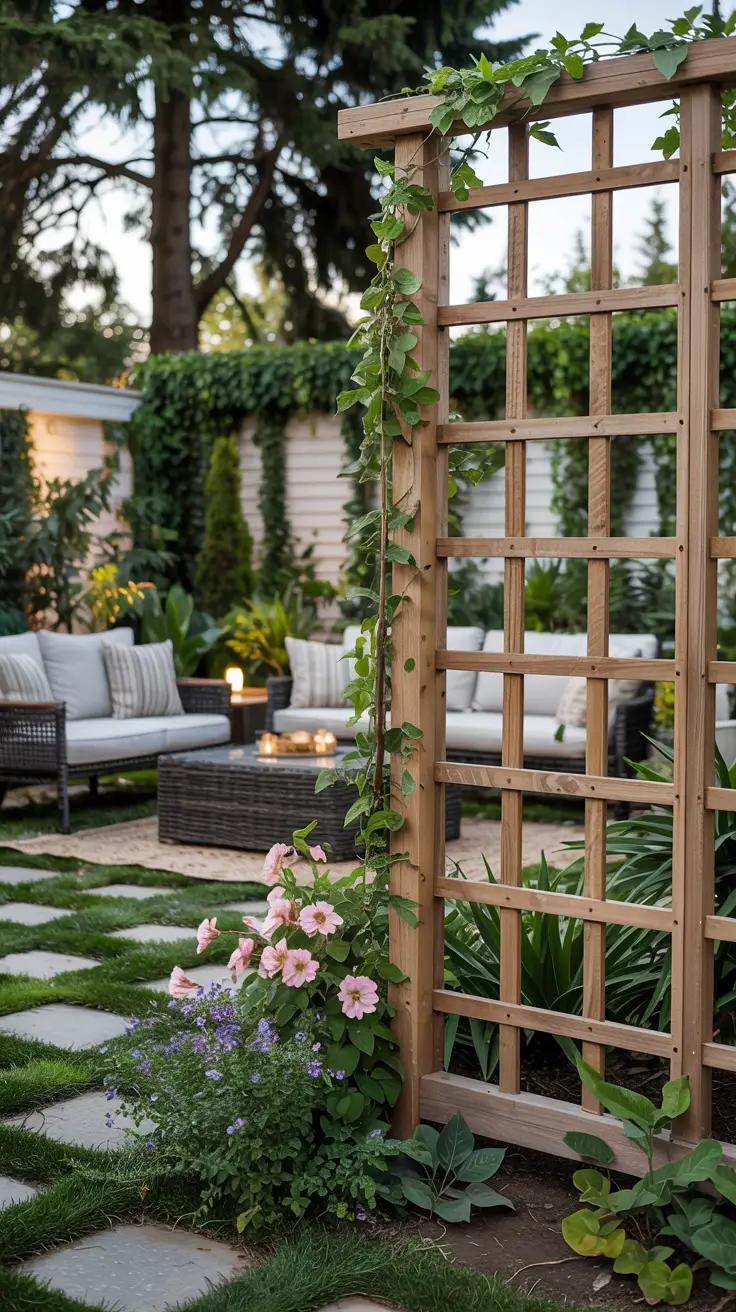
I typically design fences using wooden frames combined with vertical or diagonal lattice patterns. Adding climbing plants like jasmine or grapevines enhances privacy naturally over time. For a more modern look, I sometimes use metal or painted finishes to match the overall landscape design.
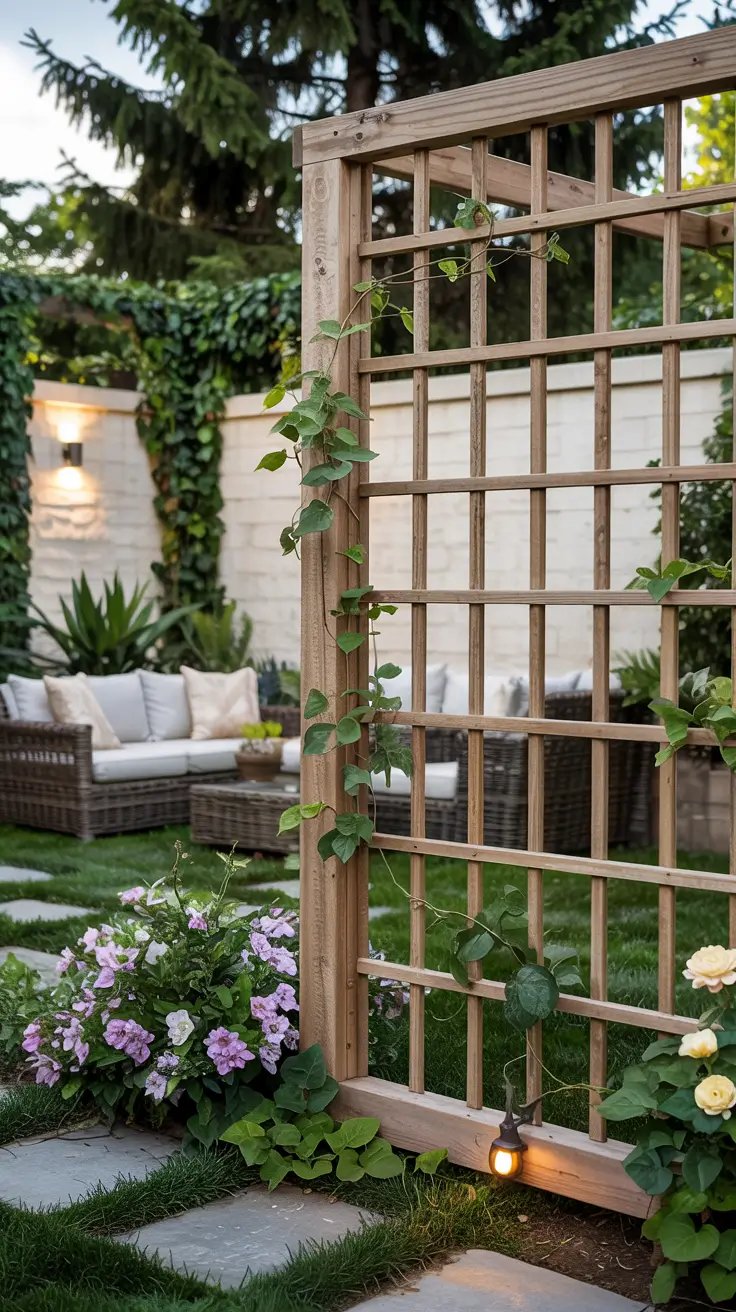
From my experience, a trellis fence feels less restrictive than solid walls. It creates a balance between enclosure and openness, which is essential for comfortable outdoor living. Many contemporary designs emphasize this balance, and I always aim to achieve it.
What I would add is integrated seating or storage along the fence line. This increases functionality and makes better use of available space.
Trellis Garden Bed Concepts for Organized Planting
A trellis garden bed is one of the most practical solutions I use for organized planting. By combining raised beds with vertical supports, I can create a highly efficient growing system. This approach works especially well for vegetables and herbs.
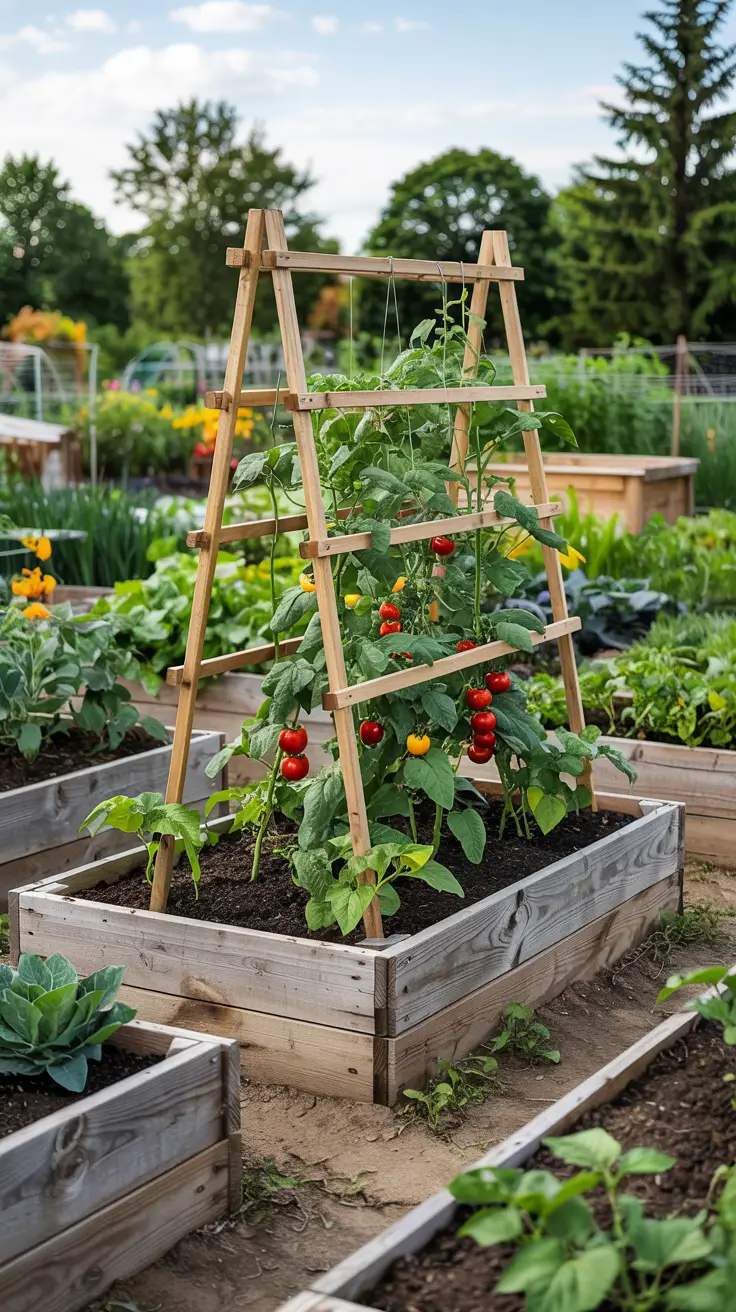
I usually construct raised beds using wood or composite materials and attach trellis panels directly to the back or center. This setup is ideal for crops like cucumbers, tomatoes, and beans. It also improves airflow and sunlight exposure, which are critical for healthy growth.
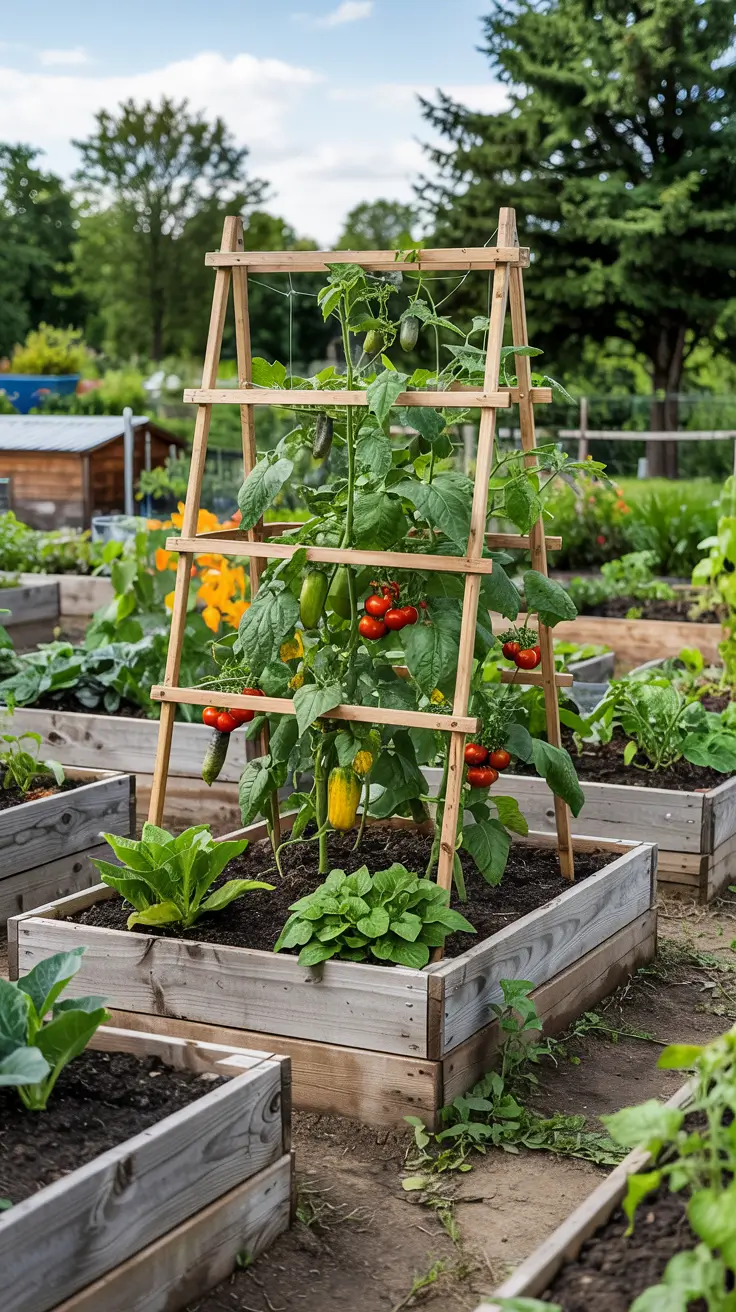
In my view, organization is key to successful gardening. A well designed trellis garden bed not only increases yield but also makes maintenance easier. I always recommend grouping plants based on their growth habits to maximize efficiency.
What I would refine here is soil management. I suggest incorporating layered soil systems and composting sections within the bed for long term sustainability.
Trellis Gardening Techniques for Beginners and Experts
Trellis gardening is accessible to both beginners and experienced gardeners, and I always tailor techniques accordingly. For beginners, I recommend starting with simple vertical supports and easy to grow plants. For more advanced setups, complex structures like pergola style trellises can be introduced.
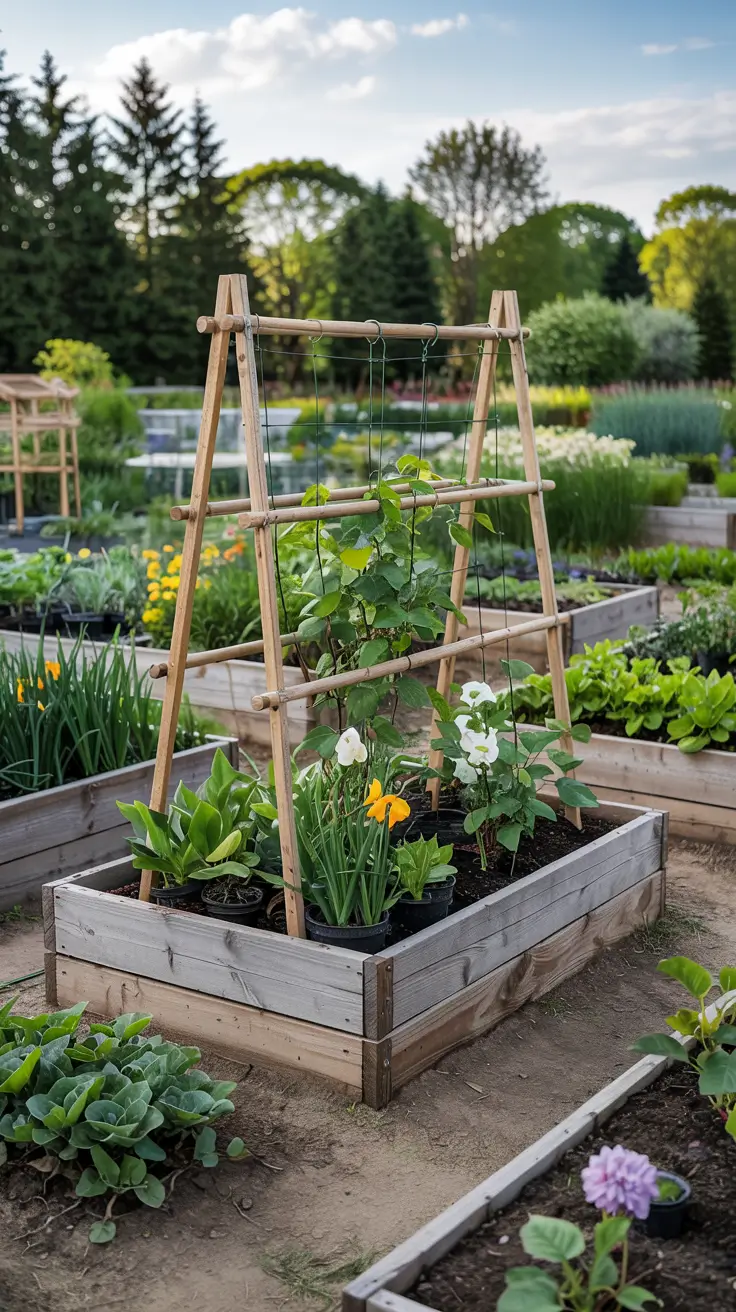
I focus on proper plant training methods, such as tying stems gently and guiding growth along the trellis. Using materials like soft ties or clips prevents damage while ensuring stability. I also emphasize spacing, as overcrowding can reduce plant health.
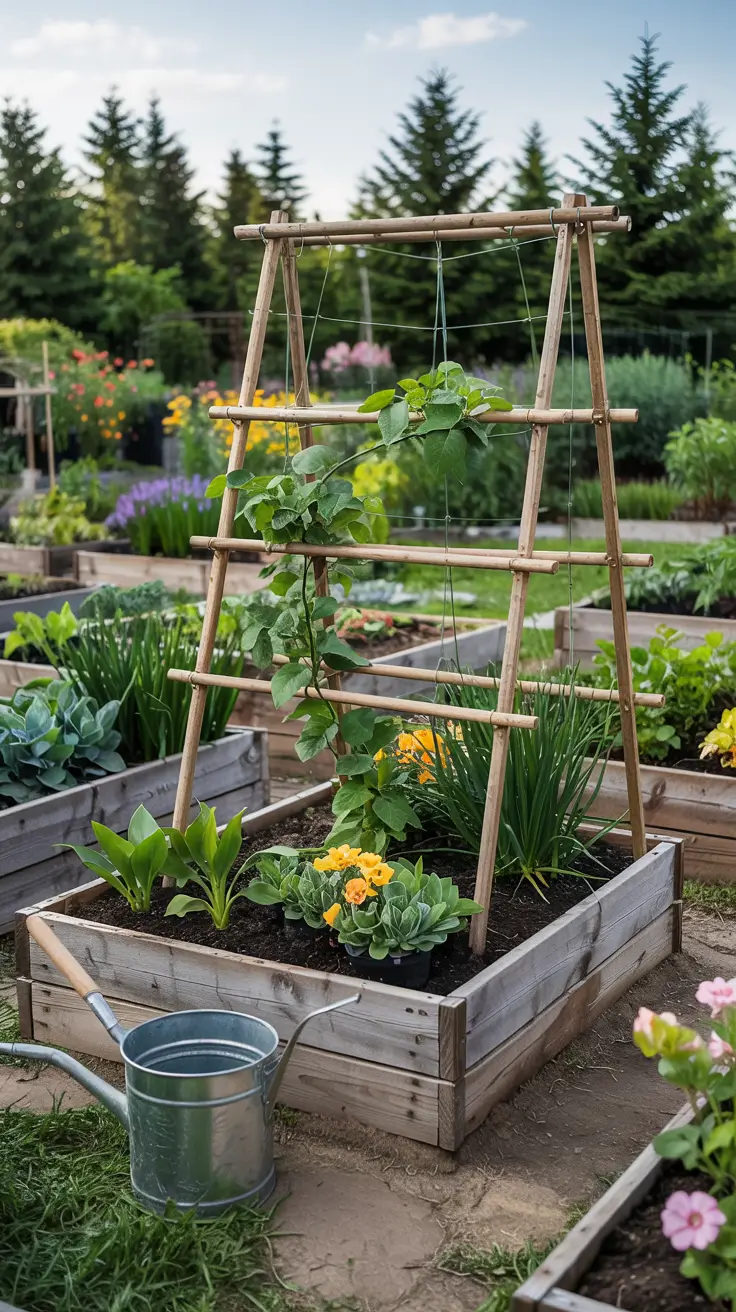
From my experience, consistency is more important than complexity. Even a simple trellis system can produce excellent results if maintained properly. Many experts highlight the importance of observation, and I strongly agree with this approach.
What I would include is a clearer maintenance schedule. Regular pruning, watering, and inspection should be planned to keep the system efficient.
Creative Trellis Gardens That Maximize Small Spaces
When working with small spaces, I rely heavily on creative trellis gardens to maximize every inch. Vertical structures allow me to turn walls, fences, and even corners into productive planting areas. This is especially useful for urban gardens or compact backyards.
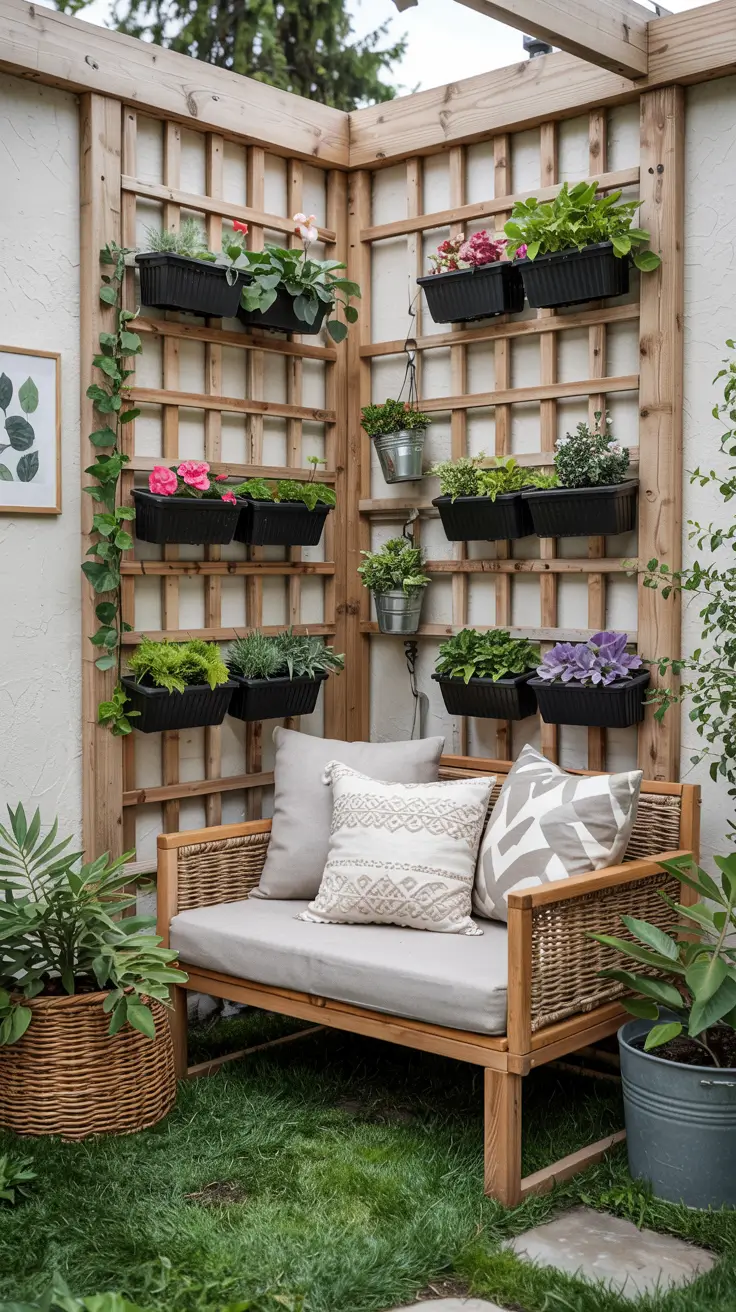
I often use corner trellises, stacked planter boxes, and hanging systems to create multi level designs. Mirrors, light colors, and minimal furniture help enhance the sense of space. A trellis garden divider can also be used to create separate zones without making the area feel crowded.
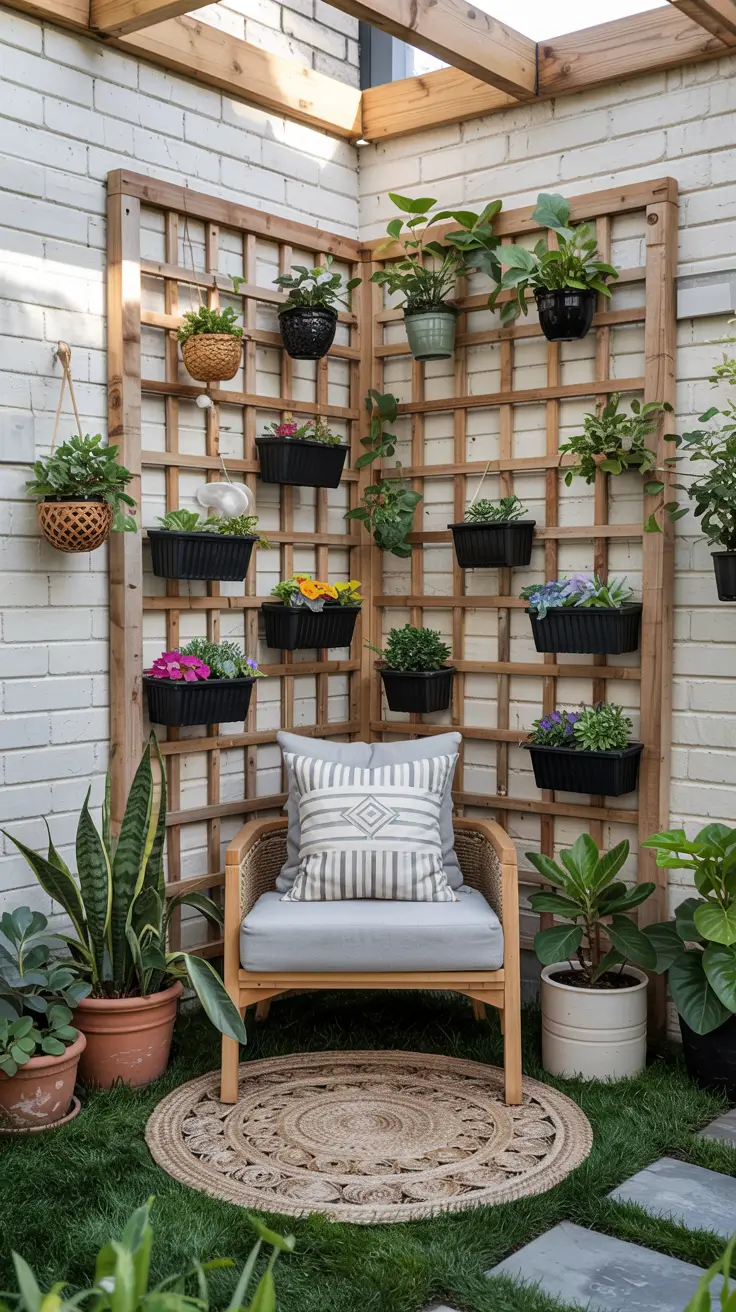
Personally, I find small space gardening to be the most rewarding challenge. It requires thoughtful planning and creativity, but the results can be surprisingly impactful. Many modern designers emphasize vertical solutions, and I fully support this direction.
What I would add is integrated lighting. Proper lighting can make a small trellis garden feel larger and more inviting, especially in the evening.
Trellis Garden Entrance Ideas That Make a Statement
I always treat a trellis garden entrance as the first impression of the entire outdoor space. In 2026, entrances are no longer just functional passages – they are designed as visual highlights that frame the garden. I often use vertical trellis panels combined with an arched or rectangular structure to create a sense of transition from one zone to another. This approach works especially well when defining a walkway or leading into a private garden area.
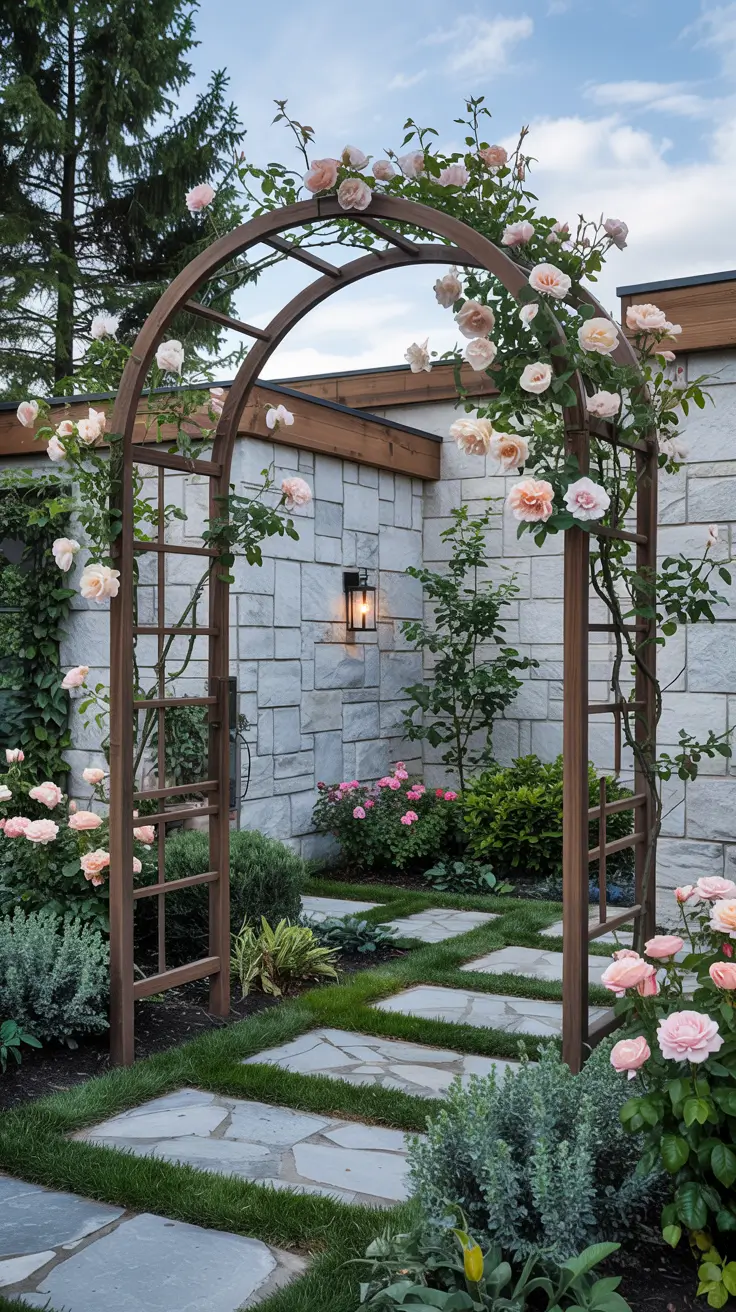
In my projects, I like to combine wooden or metal trellis frames with climbing plants such as roses or ivy to soften the structure. Adding a clear pathway with stone or gravel, along with subtle lighting, enhances both usability and atmosphere. A trellis garden entrance can also include side planters or decorative elements to create a more layered and inviting composition.
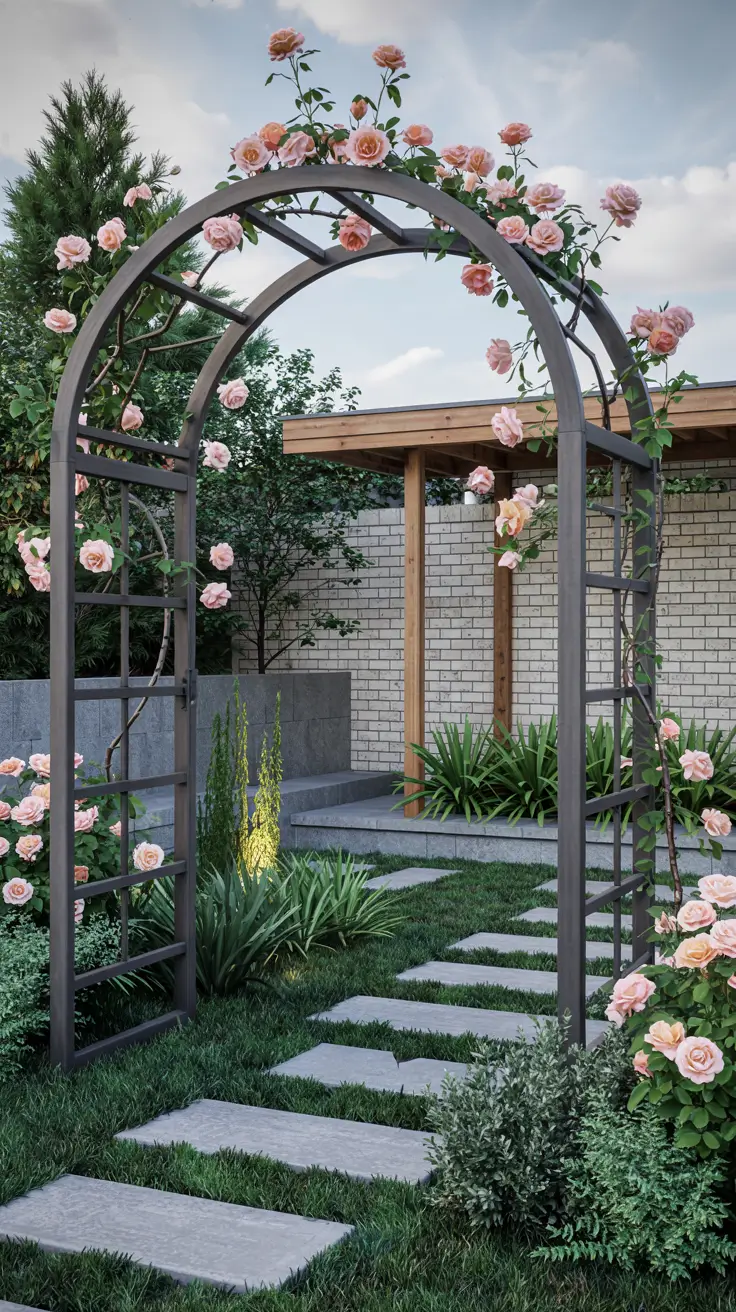
From my perspective, a well designed entrance sets the tone for the entire garden. I often follow principles used in landscape architecture, where entry points are designed to guide movement and create anticipation. This makes the garden feel more intentional and immersive.
What I would improve here is adding seasonal variation. I recommend choosing plants that bloom at different times to ensure the entrance remains visually appealing throughout the year.
Trellis Garden Vegetable Layouts for Productive Harvests
When I design a trellis garden vegetable layout, I focus on maximizing yield while maintaining order. Vertical growing systems allow vegetables like cucumbers, beans, and tomatoes to thrive without taking up excessive ground space. This makes trellis gardening one of the most efficient methods for productive planting.
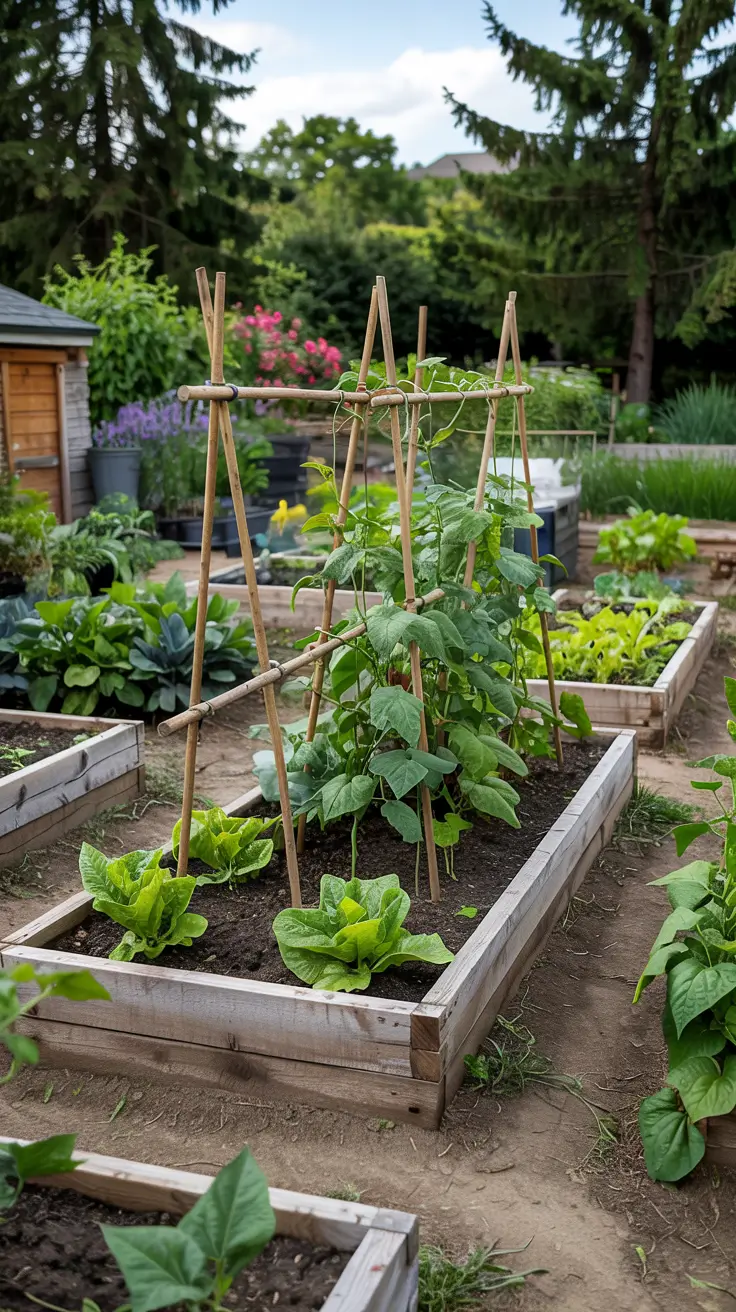
I usually organize the layout by grouping plants based on their height and growth habits. Taller climbing plants are placed along trellis structures, while lower crops are planted in front within raised beds. This layered approach improves sunlight exposure and airflow, which are essential for healthy growth.
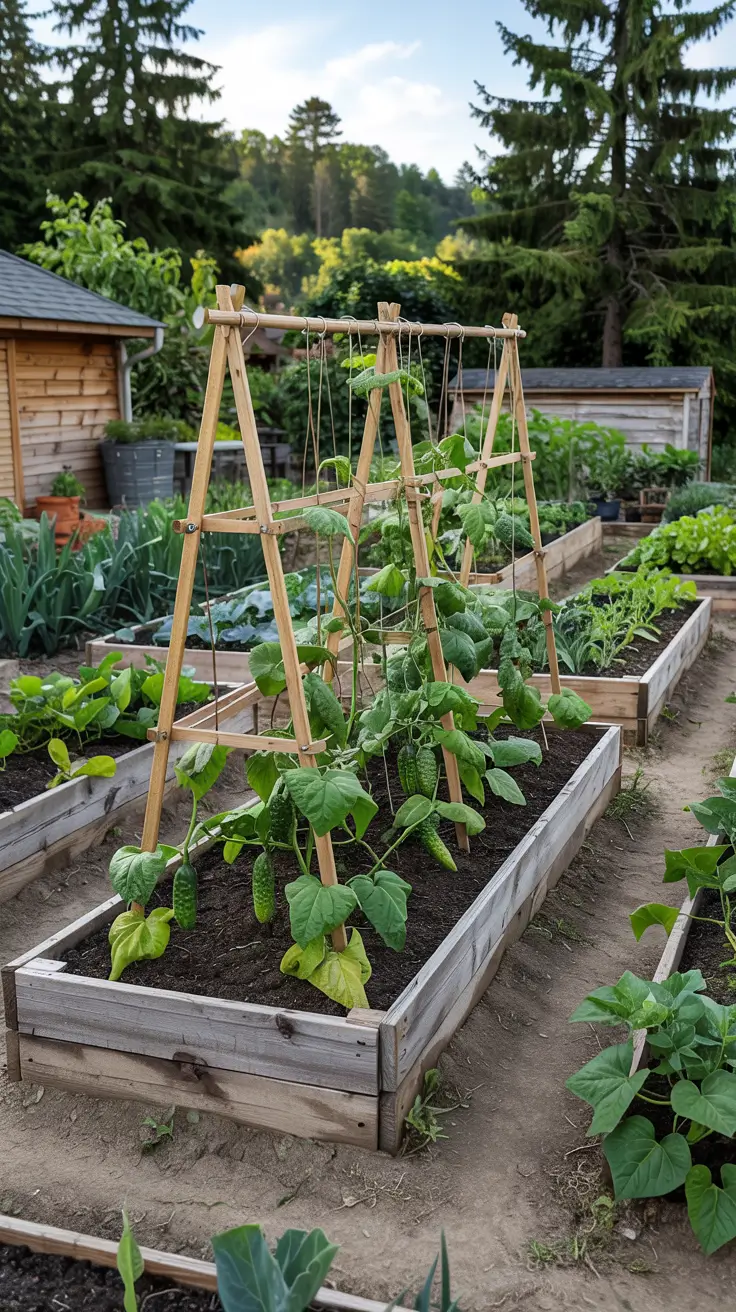
I find that structured layouts significantly reduce maintenance time. Harvesting becomes easier, and plants are less prone to disease due to better spacing. Many experienced gardeners emphasize vertical systems for this reason, and I consistently see the benefits in practice.
What I would add here is crop rotation planning. Including a rotation strategy helps maintain soil health and ensures long term productivity.
Trellis Garden Gate Designs That Blend Beauty and Function
A trellis garden gate is one of my favorite features because it combines structure with elegance. It acts as both a functional entry point and a decorative focal element. I often design gates that align with the overall trellis system to maintain visual consistency across the garden.
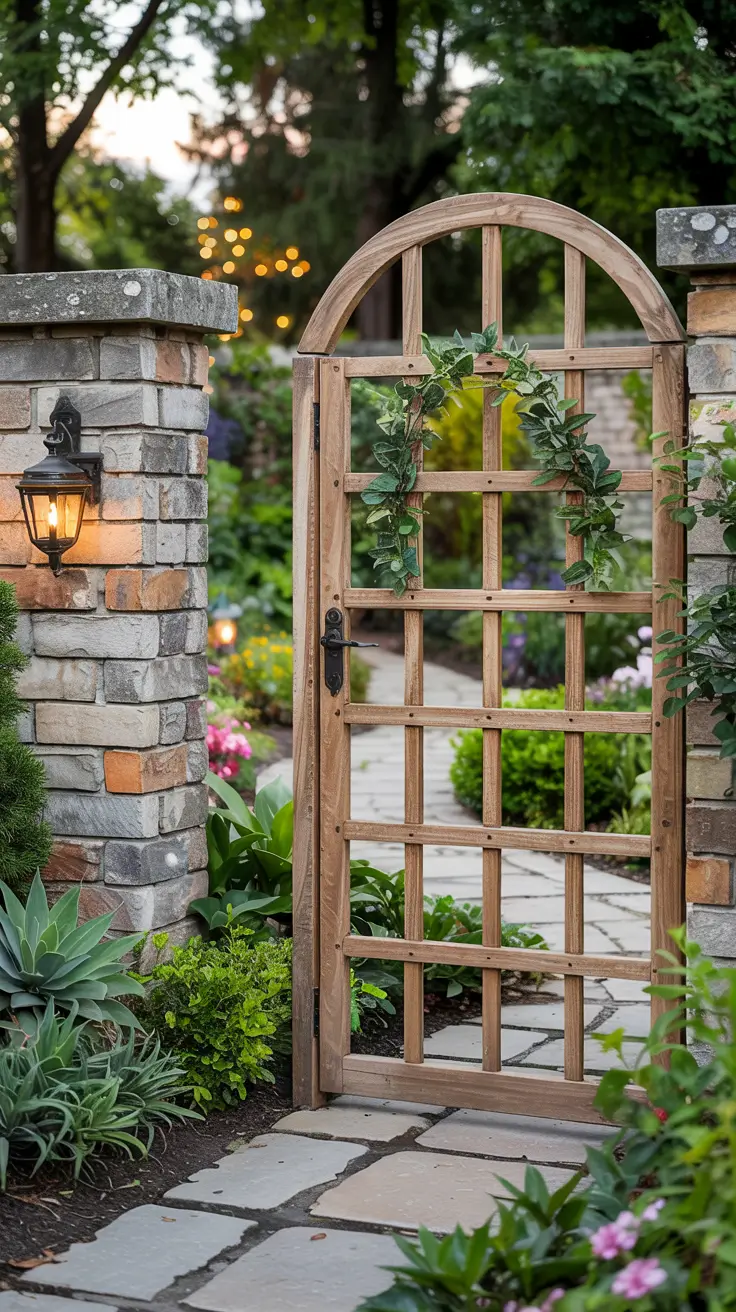
I typically use materials like wood or metal, depending on the desired style. Adding climbing plants around the gate softens its appearance and integrates it into the surrounding landscape. Details such as handles, hinges, and framing should not be overlooked, as they contribute to both usability and aesthetics.
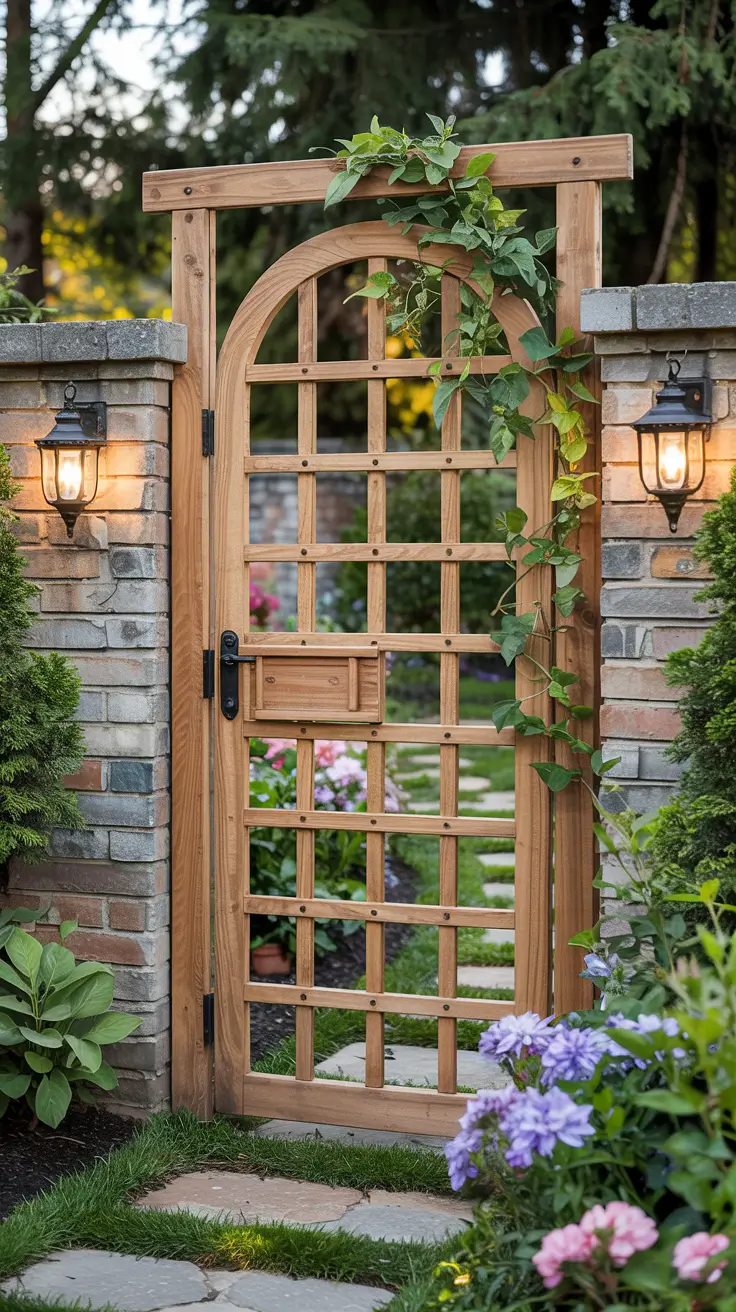
In my experience, a well designed gate creates a sense of enclosure without feeling restrictive. It adds character and defines the space while maintaining openness. This balance is essential in modern garden design.
What I would refine is the inclusion of lighting. Installing subtle lighting around the gate enhances safety and highlights the design at night.
Trellis Garden Arch Styles for Elegant Outdoor Walkways
I often use a trellis garden arch to create elegant walkways that feel both structured and natural. Arches introduce vertical movement and can transform a simple path into a visually engaging experience. They are especially effective in guiding visitors through the garden.
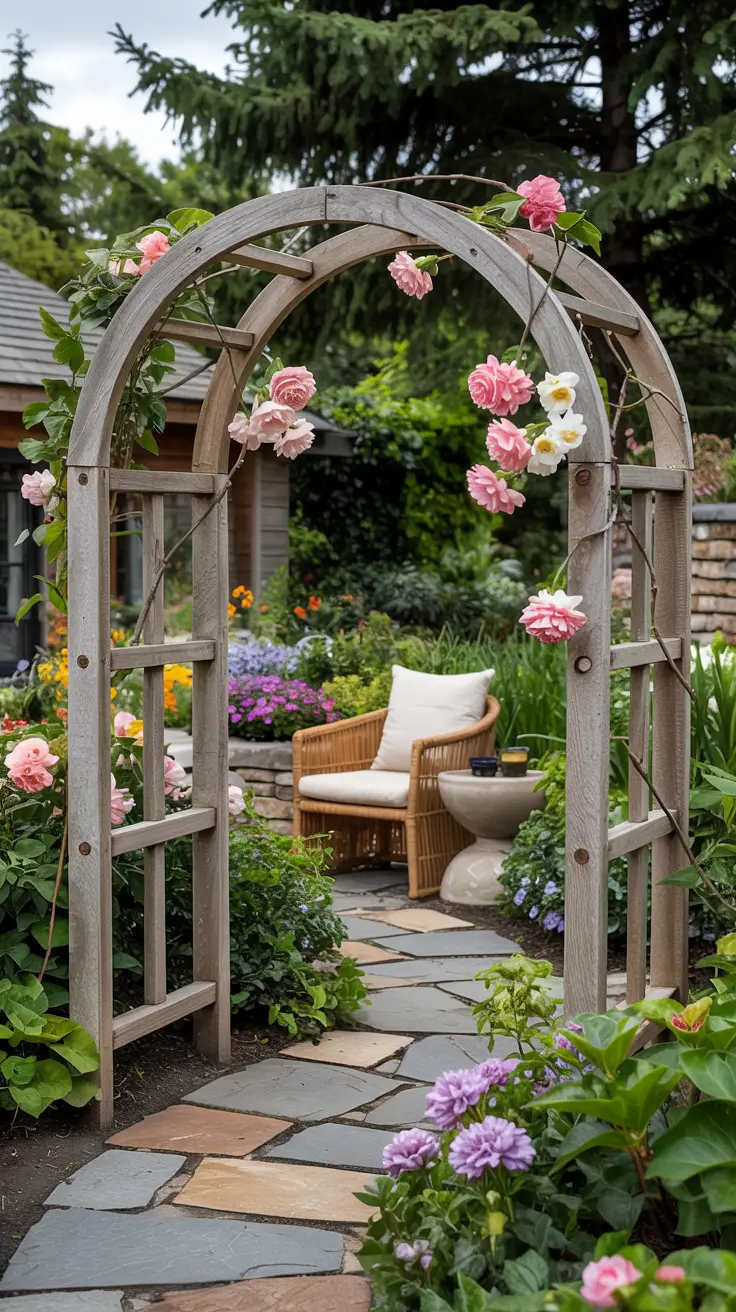
In my designs, I prefer using wooden or metal arches combined with climbing plants like wisteria or roses. The arch can be placed over a pathway made of stone, brick, or gravel to create a cohesive look. Adding benches or small seating areas nearby enhances the usability of the space.
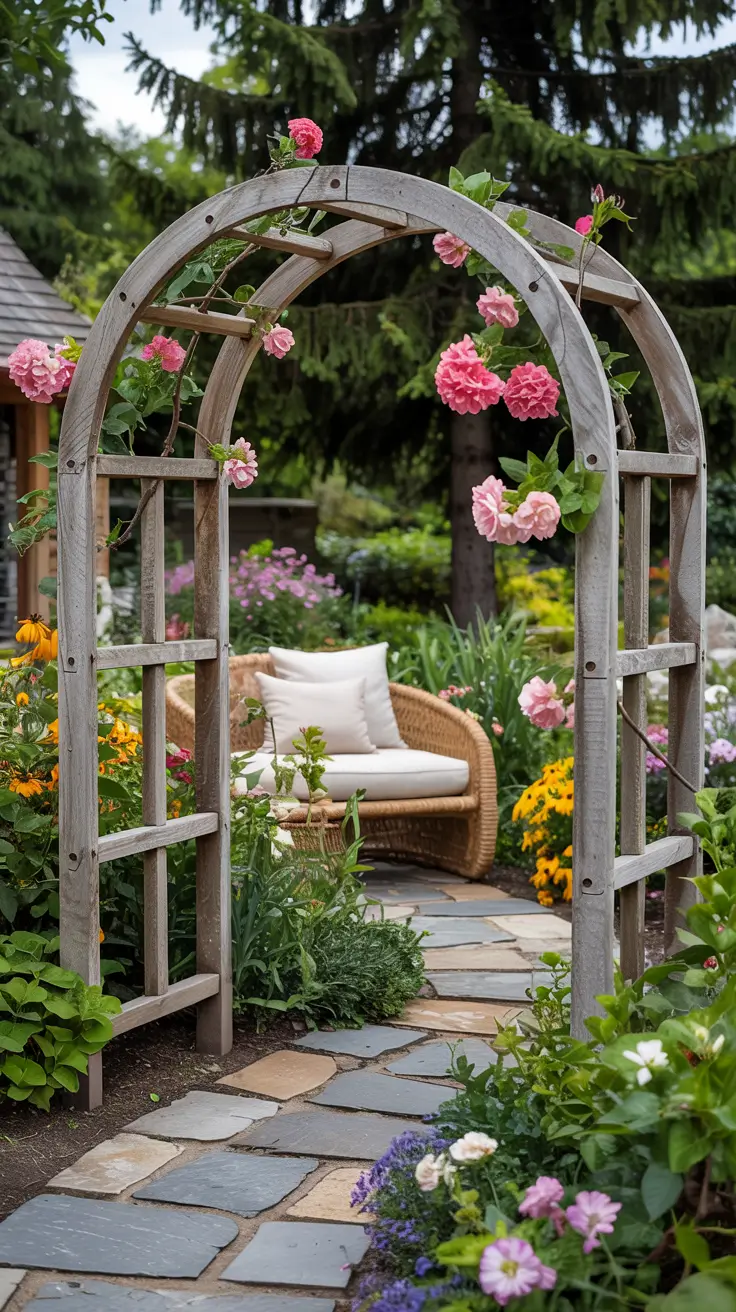
Personally, I believe arches bring a romantic and timeless quality to gardens. They are often used in classic landscape designs, and I enjoy adapting them to modern settings. The result is a balanced combination of tradition and contemporary style.
What I would add is structural reinforcement. Ensuring the arch is stable and durable is essential, especially when supporting heavy plant growth.
Trellis Garden Ideas for Backyards of Any Size
I approach trellis garden ideas for backyards with flexibility in mind. Whether the space is large or small, vertical structures can adapt to different layouts. In smaller yards, trellises help maximize space, while in larger areas they add depth and organization.
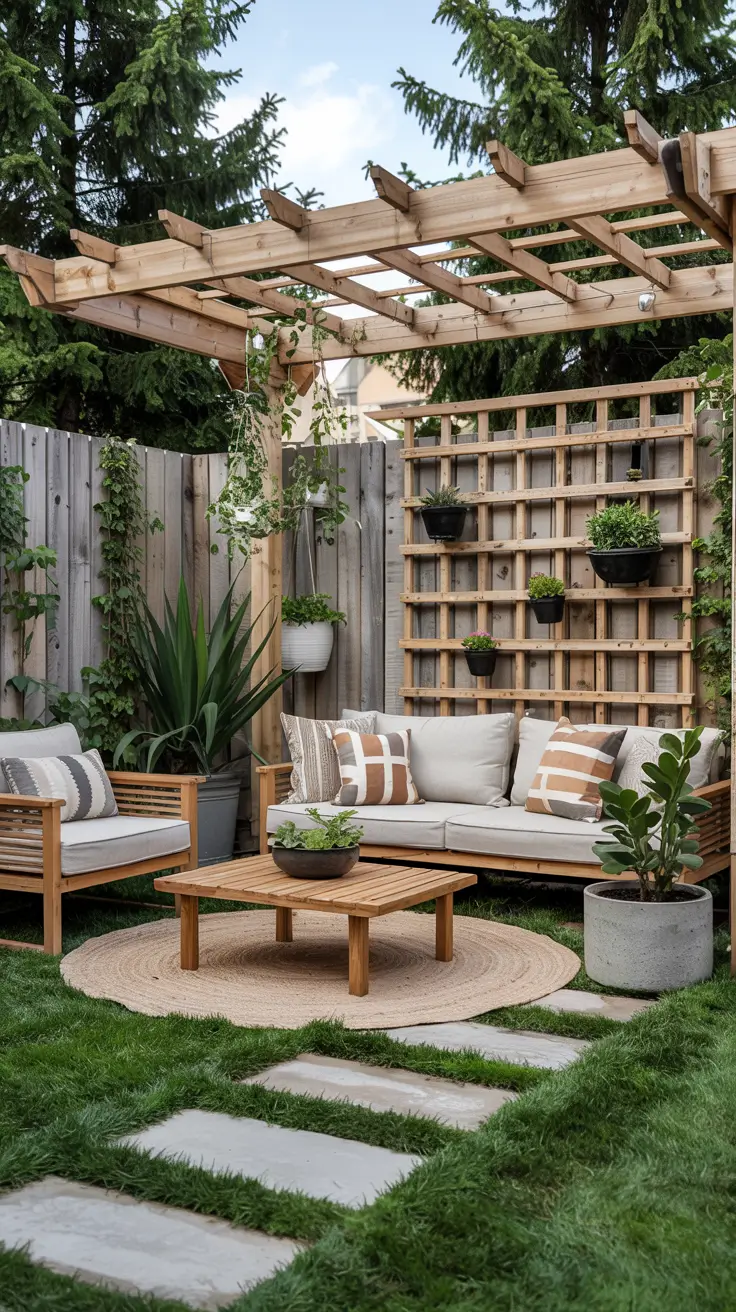
I often divide backyards into zones using trellis panels or fences. This creates distinct areas for dining, relaxing, and planting. Adding features like pergolas, vertical planters, or privacy screens enhances both functionality and visual appeal.
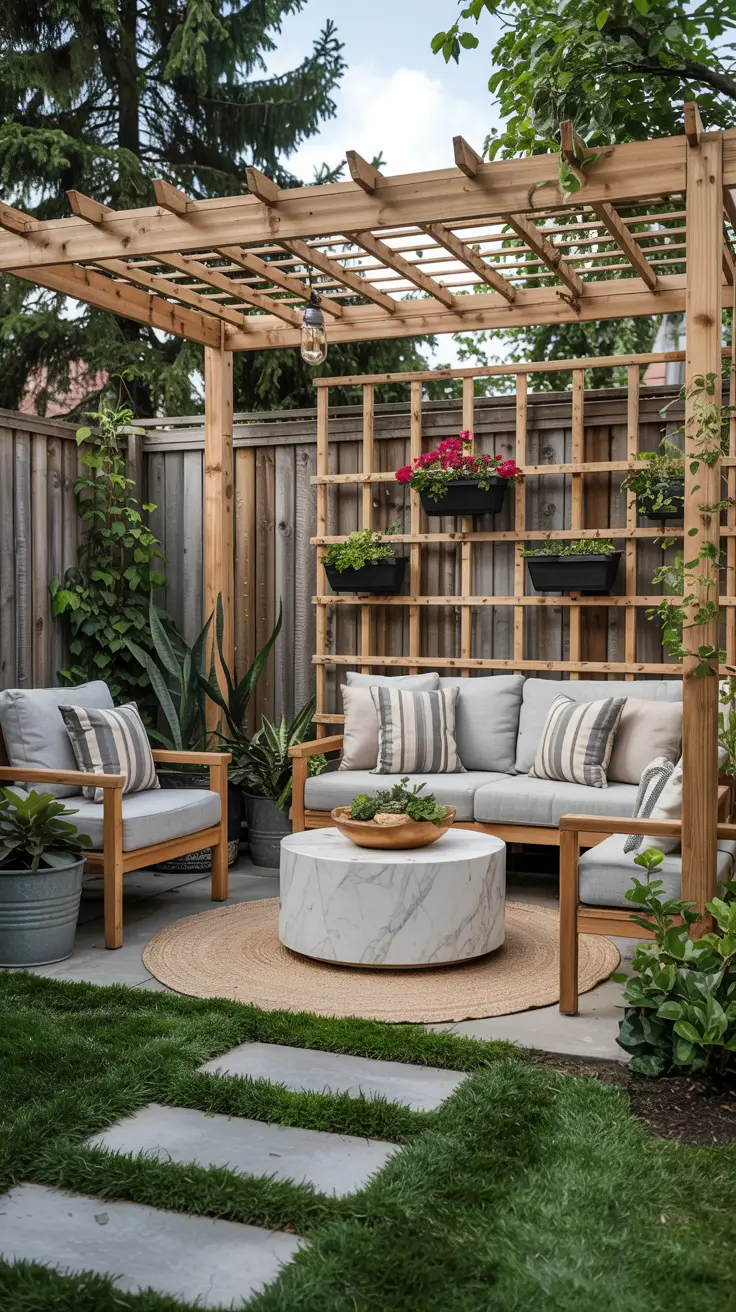
From my experience, the key is balance. Too many elements can overwhelm the space, while too few can make it feel incomplete. I aim to create a layout that feels cohesive and easy to navigate.
What I would include is a clear focal point. Every backyard design benefits from a central feature, such as a trellis wall or arch, that anchors the space visually.
Best Trellis Garden Plants for Vertical Growth
Choosing the right plants is essential for successful trellis gardening. I always select species that naturally climb or can be easily trained to grow vertically. Popular options include cucumbers, beans, peas, roses, and clematis.
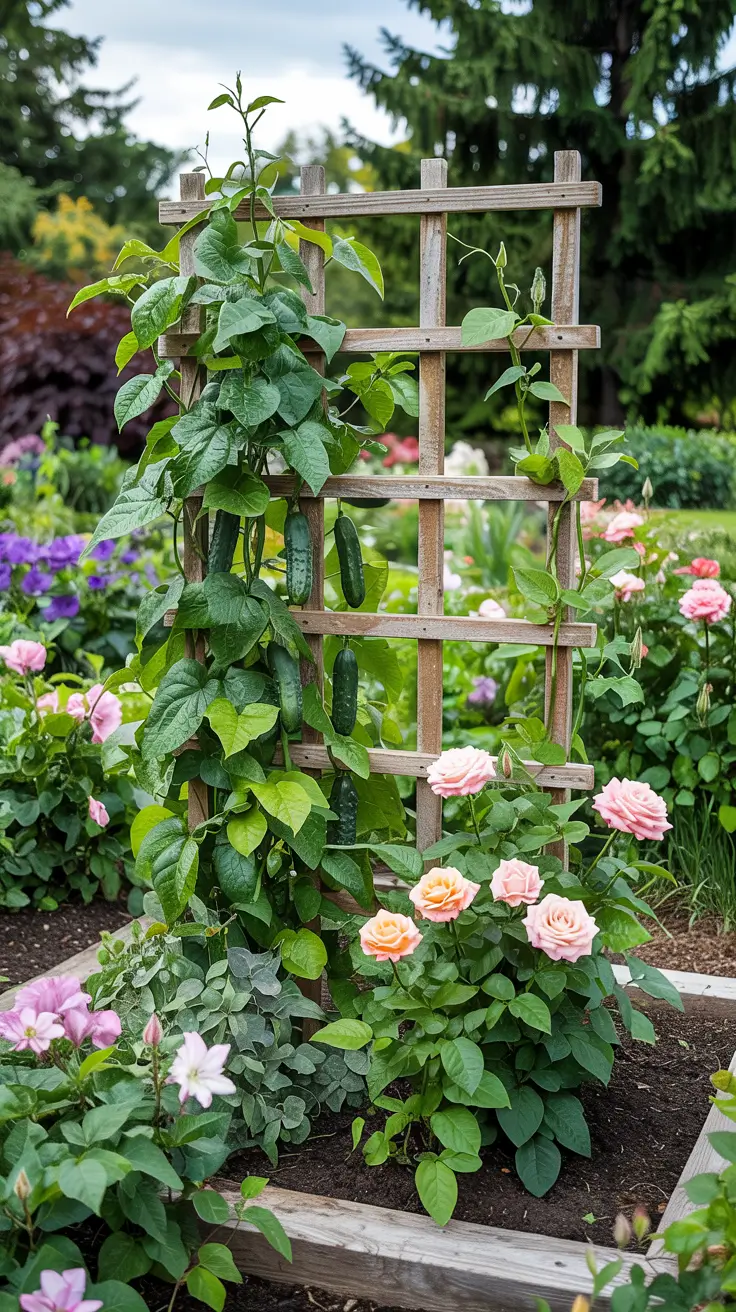
I consider both aesthetics and functionality when selecting plants. Flowering climbers add beauty, while vegetables provide practical benefits. Mixing these types creates a dynamic and productive garden. I also pay attention to growth speed and maintenance requirements.
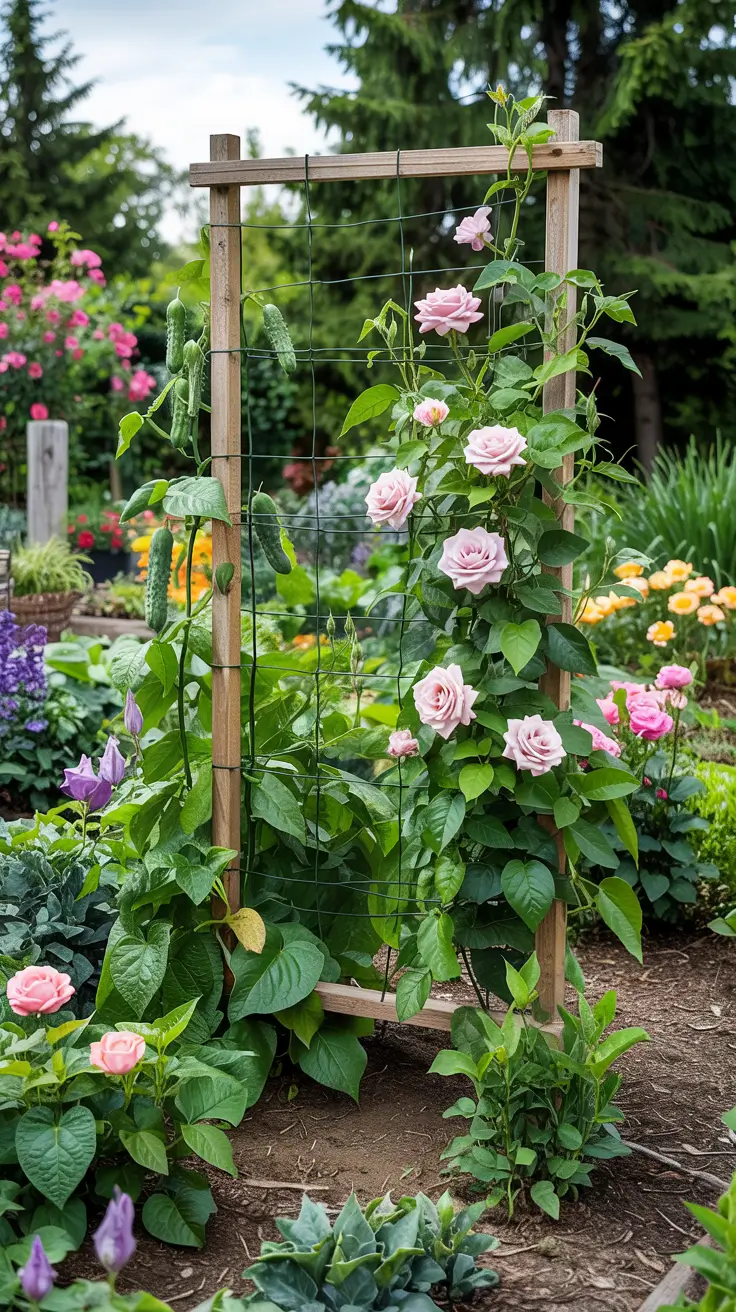
In my opinion, plant selection defines the success of the entire system. Healthy, well suited plants will thrive and enhance the overall design. I often recommend starting with reliable varieties before experimenting with more complex options.
What I would add is a seasonal planting guide. This helps ensure continuous growth and visual interest throughout the year.
Arched Trellis Garden Designs for Romantic Landscapes
Arched trellis garden designs are ideal for creating romantic and visually soft landscapes. I use these structures to introduce curves and contrast against straight lines in the garden. This adds a sense of movement and elegance.
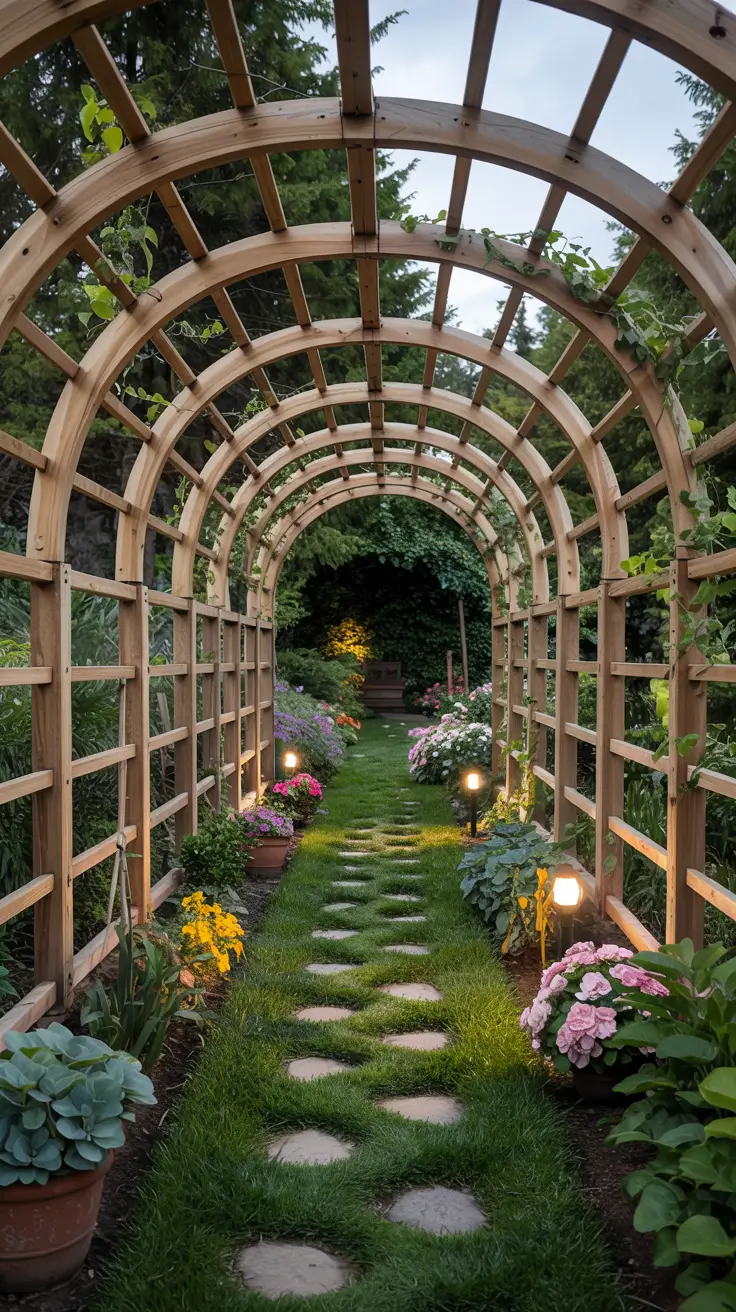
I typically design arches with natural materials like wood and pair them with lush climbing plants. Placing multiple arches along a walkway creates a tunnel effect that feels immersive and inviting. Adding subtle decor elements such as lanterns or seating enhances the atmosphere.
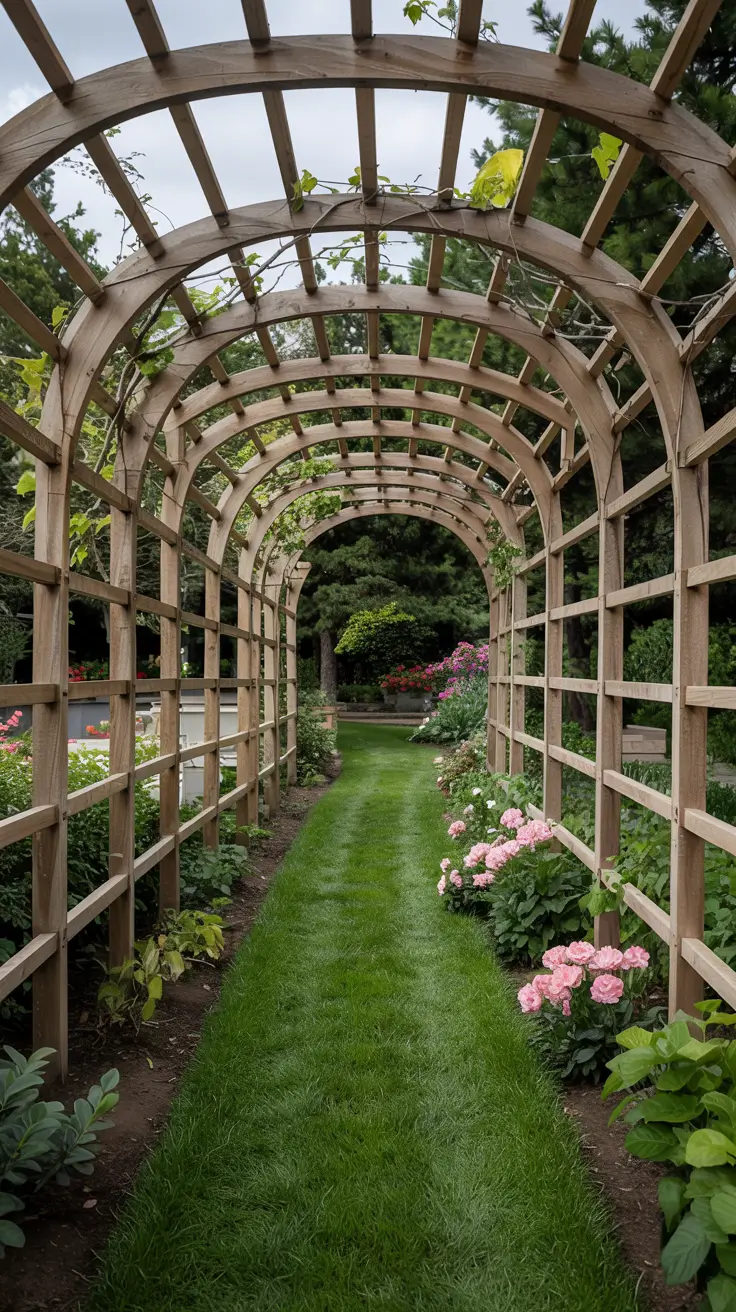
From my perspective, arched designs are perfect for creating memorable outdoor spaces. They are often associated with classic garden styles, but I enjoy adapting them to modern aesthetics.
What I would refine here is layering. Adding ground level plants and mid height shrubs around the arches creates a richer and more complete composition.
DIY Trellis Garden Projects for Budget-Friendly Solutions
I find that DIY trellis gardening is one of the most practical ways to create a personalized outdoor space without overspending. In 2026, the focus is on simple wooden frames, branch-based structures, and repurposed materials that still look modern and intentional. A DIY trellis garden bed can define zones in a backyard while also supporting climbing plants like cucumber or beans.
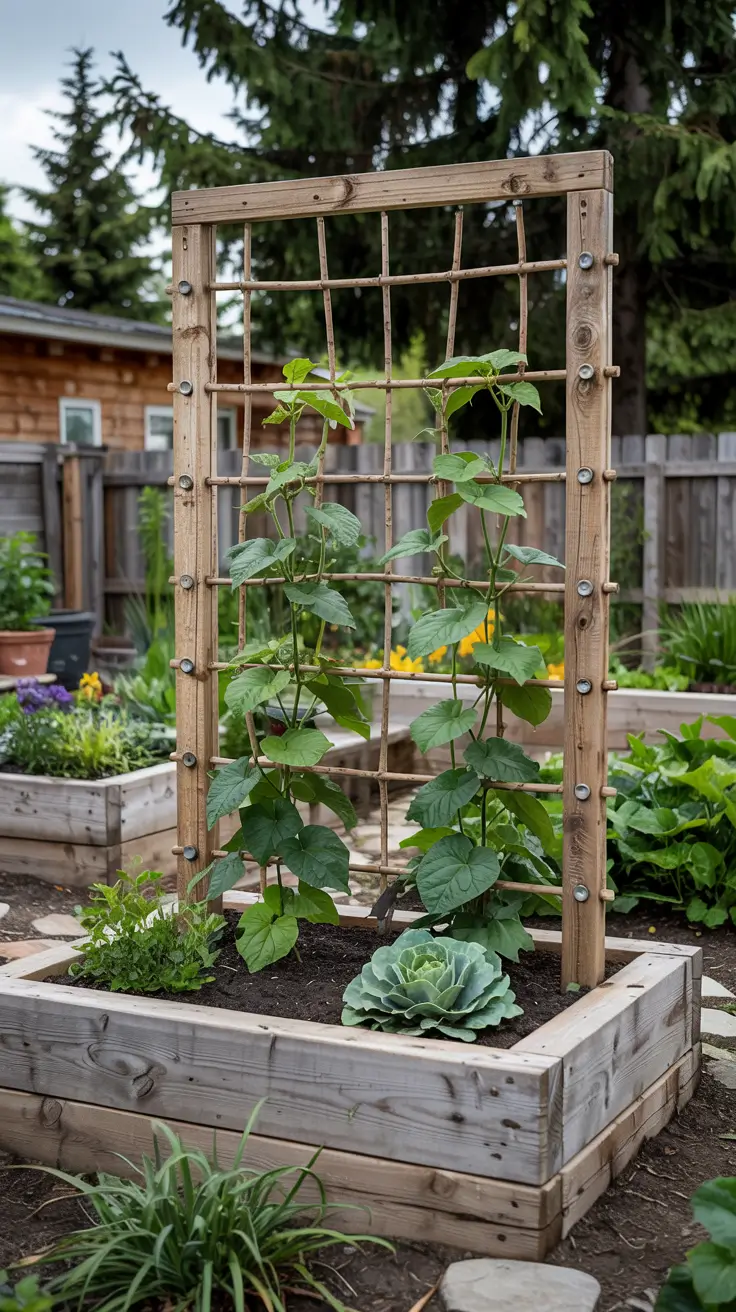
From my experience, the key elements include wooden slats, metal mesh, or even cattle panel inserts for strength. I usually recommend combining a trellis garden fence with planter boxes to maximize vertical space. Adding a pergola-style top or a hoop shape creates visual interest while improving plant growth support.
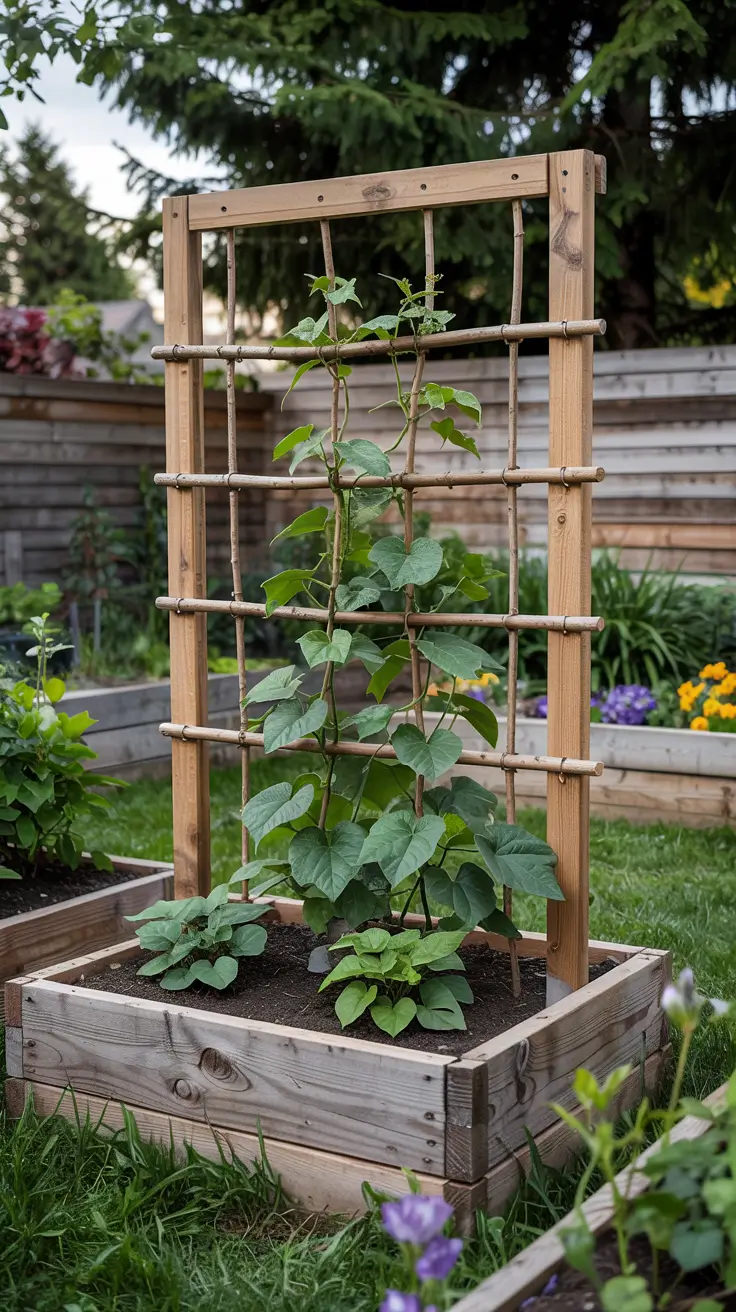
Personally, I appreciate how DIY trellis gardens allow flexibility. Many designers featured in publications like Architectural Digest emphasize mixing raw materials with greenery to create a natural but curated look. I always suggest keeping proportions balanced so the structure does not overwhelm the garden.
What I would add here is a clear irrigation solution. Even a simple drip system or hidden watering line can significantly improve plant health and reduce maintenance in a DIY setup.
Vertical Trellis Garden Ideas for Urban Living
When working with limited space, I rely heavily on vertical trellis garden ideas. In urban environments, a trellis garden wall becomes both a design feature and a practical growing system. Vertical layouts allow small balconies or patios to function as полноценные green spaces.
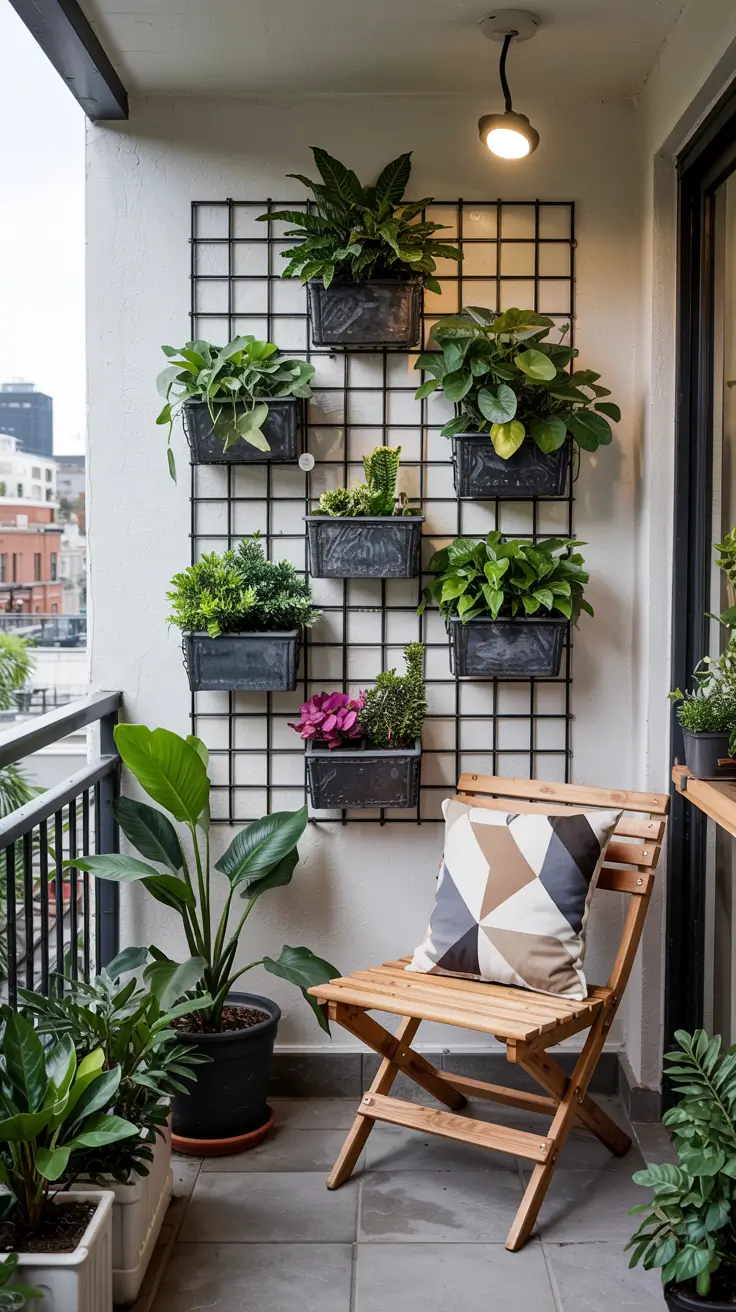
I usually incorporate slim metal frames or modular wooden panels attached to walls. Hanging planters, integrated lighting, and layered greenery help create depth. A vertical trellis garden can also act as a divider, separating relaxation areas from functional gardening zones.
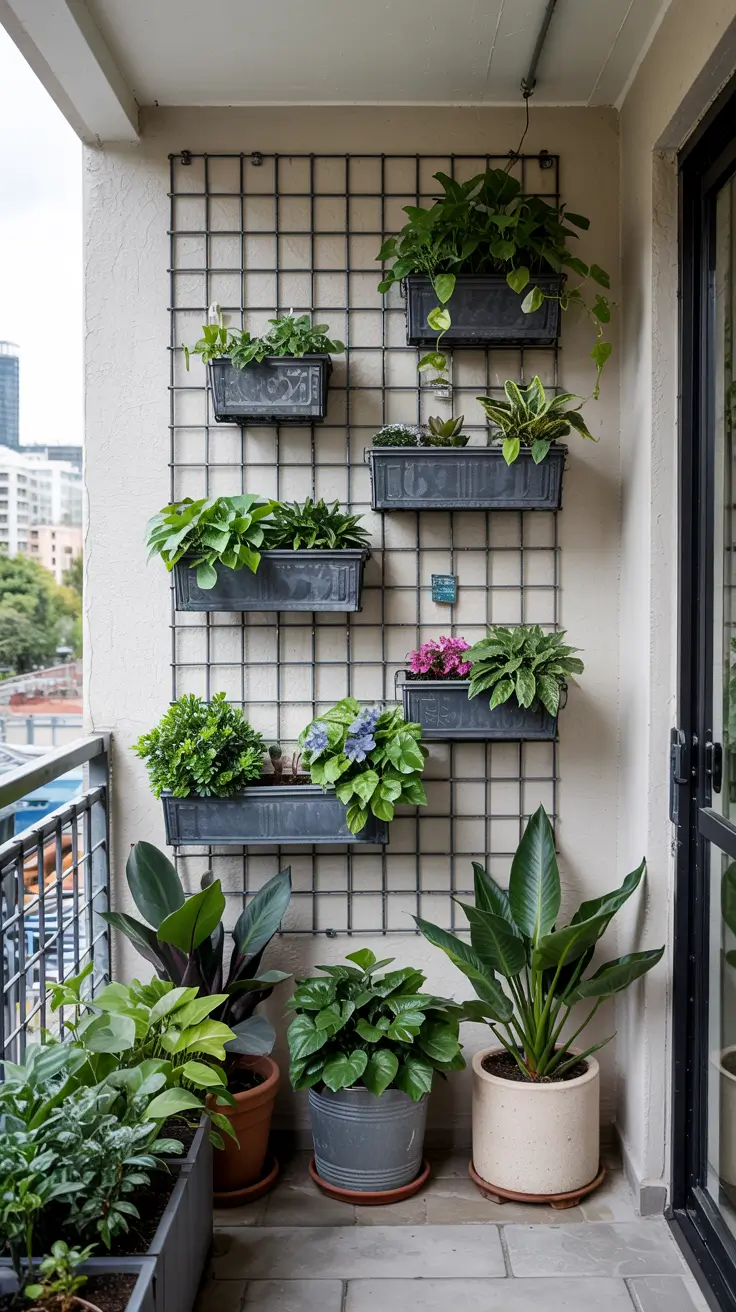
In my opinion, vertical trellis gardens are not just about saving space but about enhancing the visual experience. Designers often recommend combining different plant textures to create a living wall effect that feels dynamic and modern.
What is often missing in these designs is proper weight distribution planning. I always make sure the wall or support structure can handle moisture, soil, and plant weight over time.
Raised Bed Trellis Garden Designs for Easy Maintenance
I often recommend raised bed trellis garden solutions for those who want easier maintenance and better soil control. These designs combine structured planting areas with vertical support, making them ideal for trellis garden vegetables.
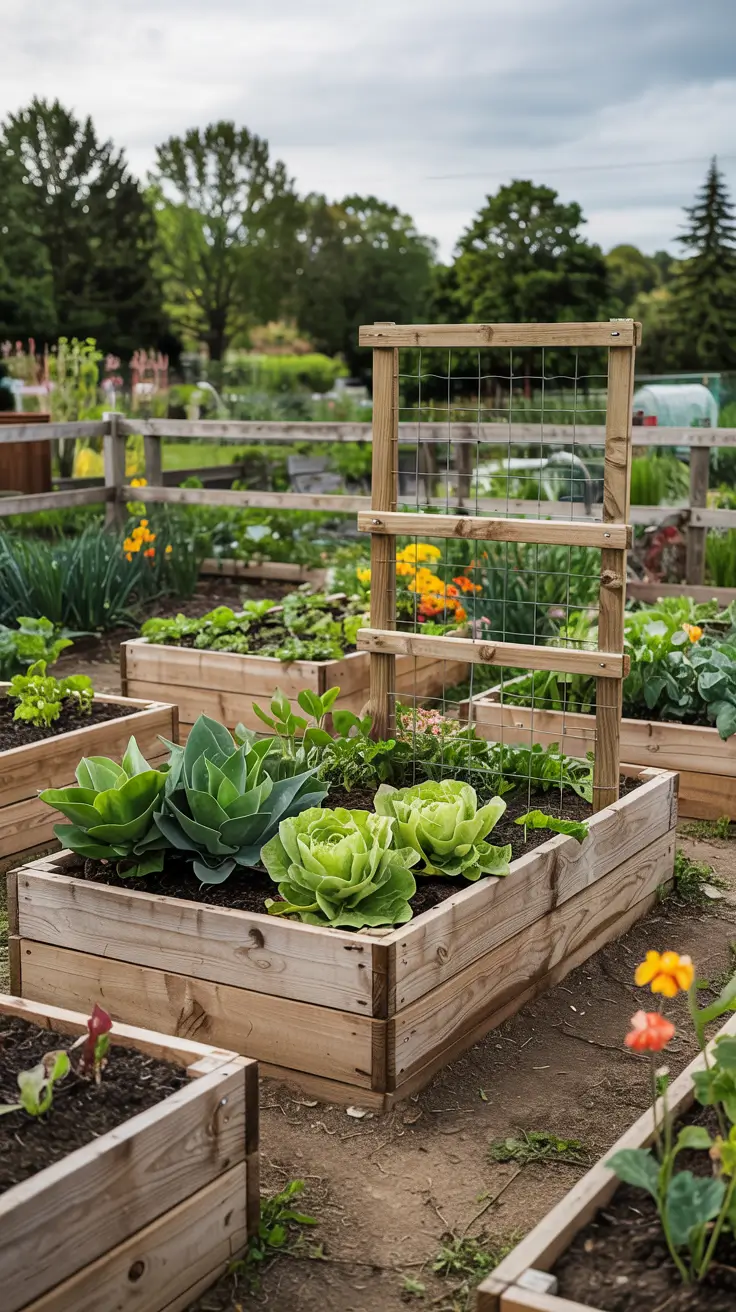
A typical setup includes wooden or composite raised beds paired with vertical frames or arches. I like to integrate cattle panel trellis systems because they are durable and support heavier plants. Adding mulch and proper spacing ensures healthier growth and easier access.
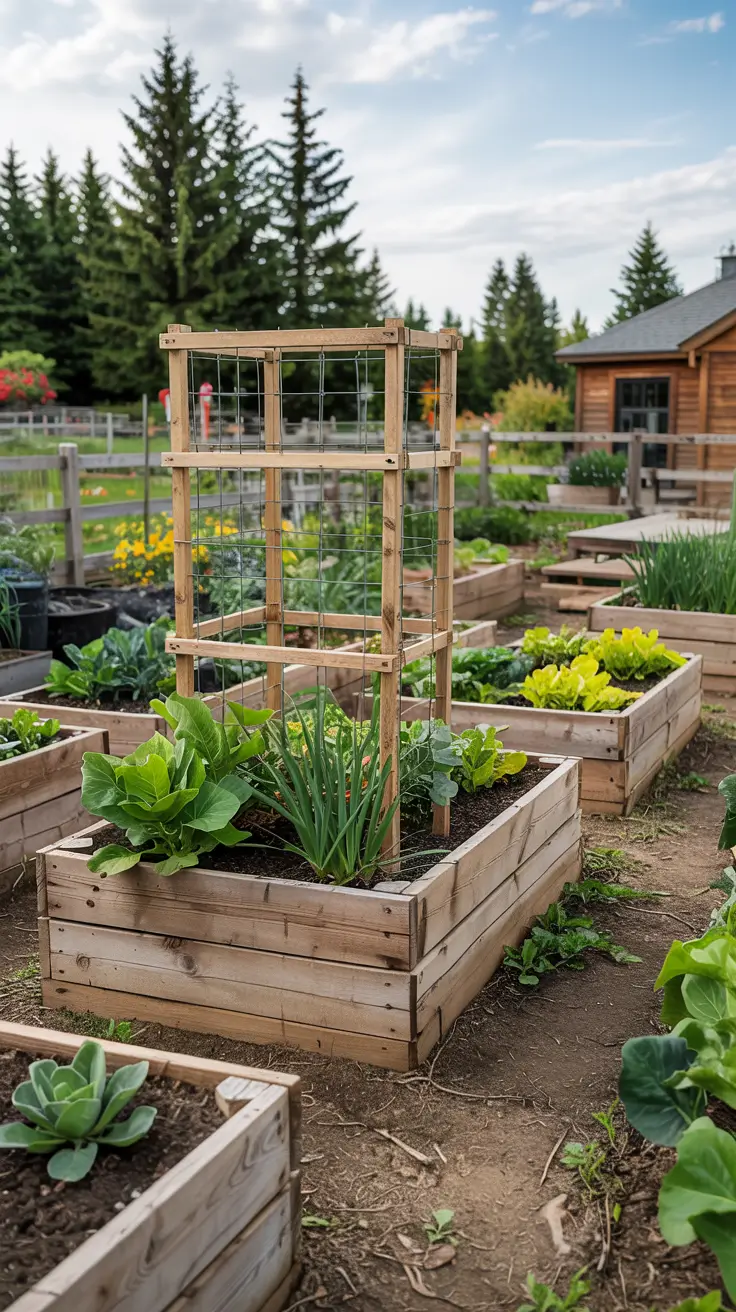
From my perspective, raised bed trellis gardens are especially effective for beginners. They simplify planting, watering, and harvesting. Many landscaping professionals highlight raised systems as one of the most efficient gardening methods for modern homes.
I would include more seating or functional elements nearby, such as a small bench or tool storage, to enhance usability and comfort.
Wall Trellis Garden Inspiration for Compact Spaces
A trellis garden wall is one of the most elegant solutions for compact spaces. I use it to transform plain walls into living features that add both greenery and texture. It works especially well in courtyards and small backyards.
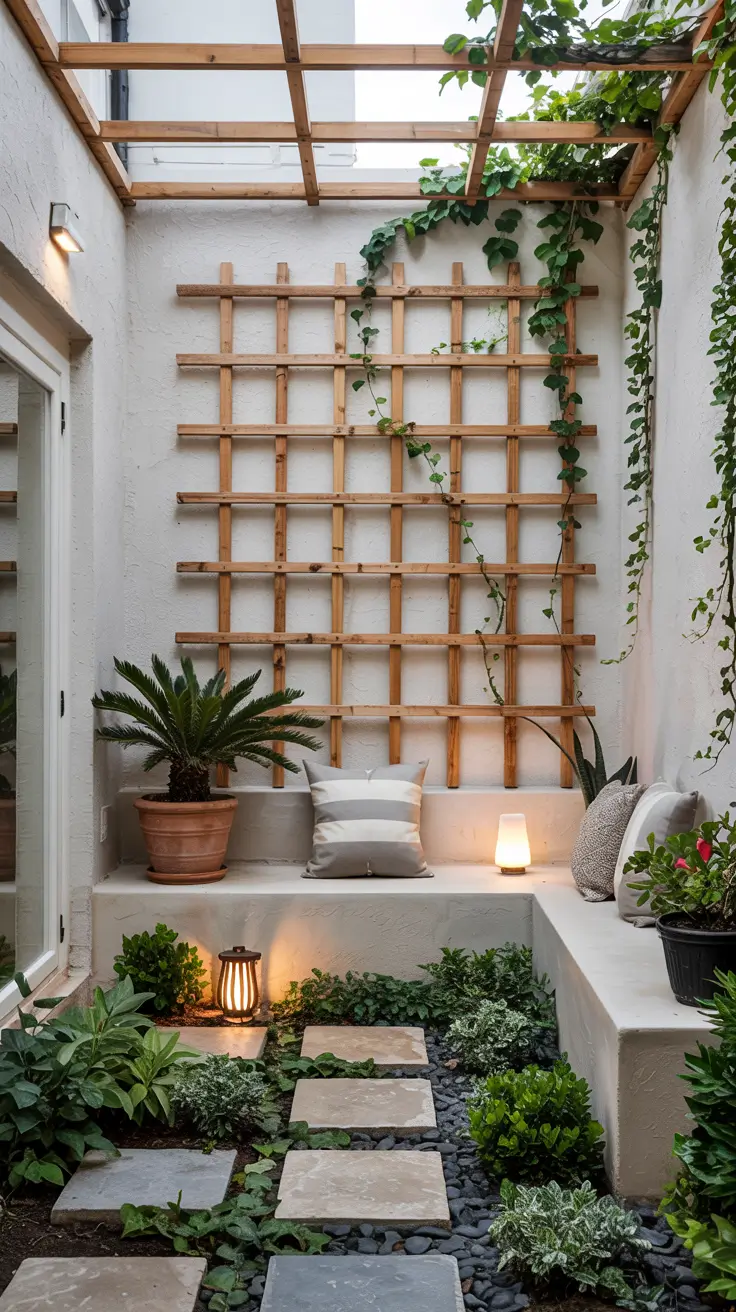
I typically design these spaces using wooden lattice panels or metal grids. Climbing plants such as ivy or flowering vines create a soft, layered effect. Adding lighting fixtures or small shelves can elevate the overall look and make the wall multifunctional.
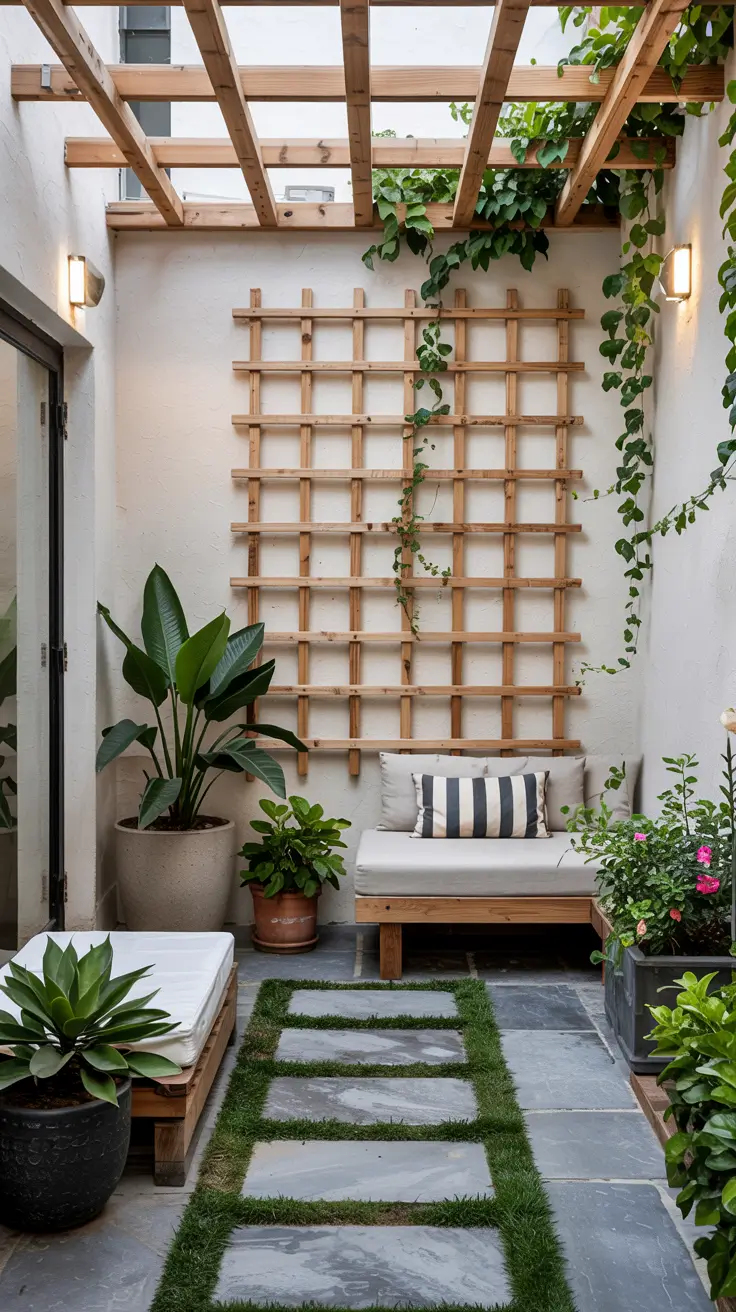
In my experience, wall trellis gardens create a strong visual focal point. They can completely change how a space feels, making it more inviting and finished. Designers often suggest pairing greenery with neutral materials for a balanced aesthetic.
What could improve this setup is seasonal planning. I always recommend selecting plants that maintain visual interest throughout the year.
Fence Trellis Garden Solutions for Climbing Plants
I often integrate trellis garden fence designs to maximize existing boundaries. A fence can easily become a productive and decorative feature when combined with climbing plants.
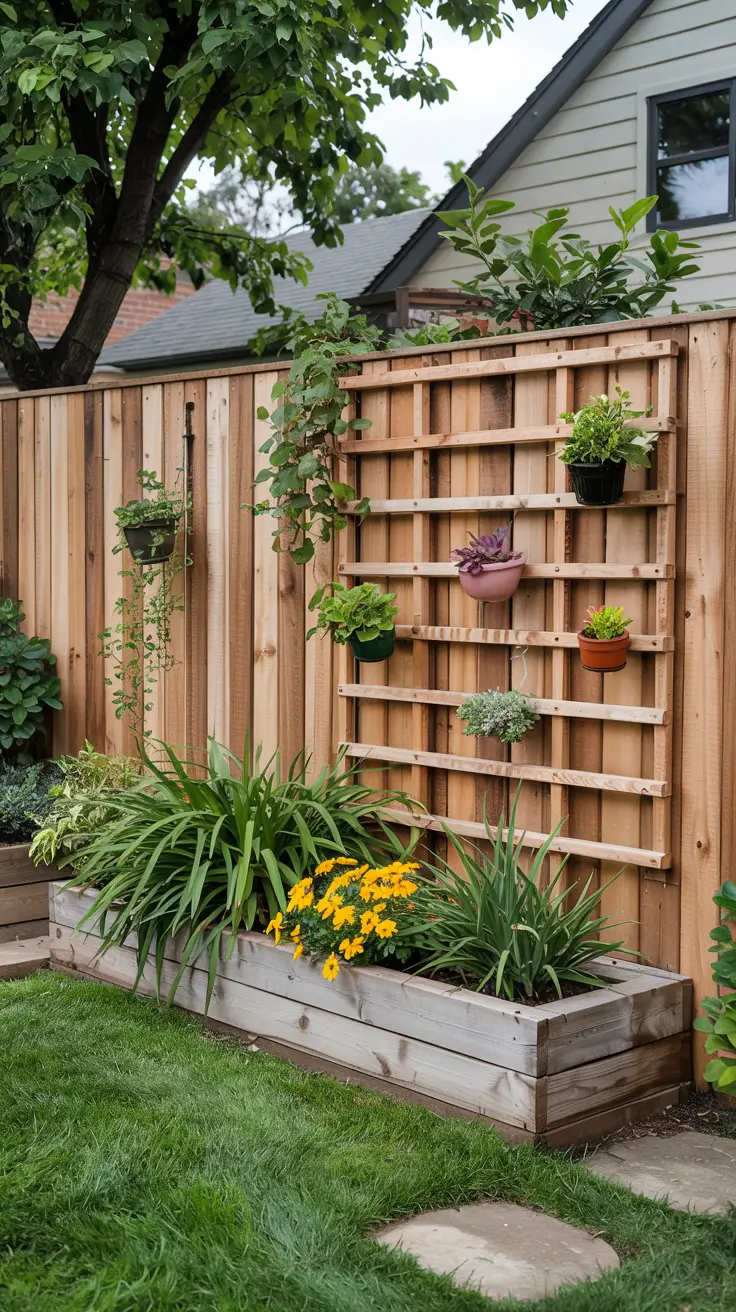
I prefer using wooden or metal fences with built-in trellis sections. These can support plants like cucumbers, roses, or beans while also enhancing privacy. Adding horizontal supports or layered panels improves stability and plant distribution.
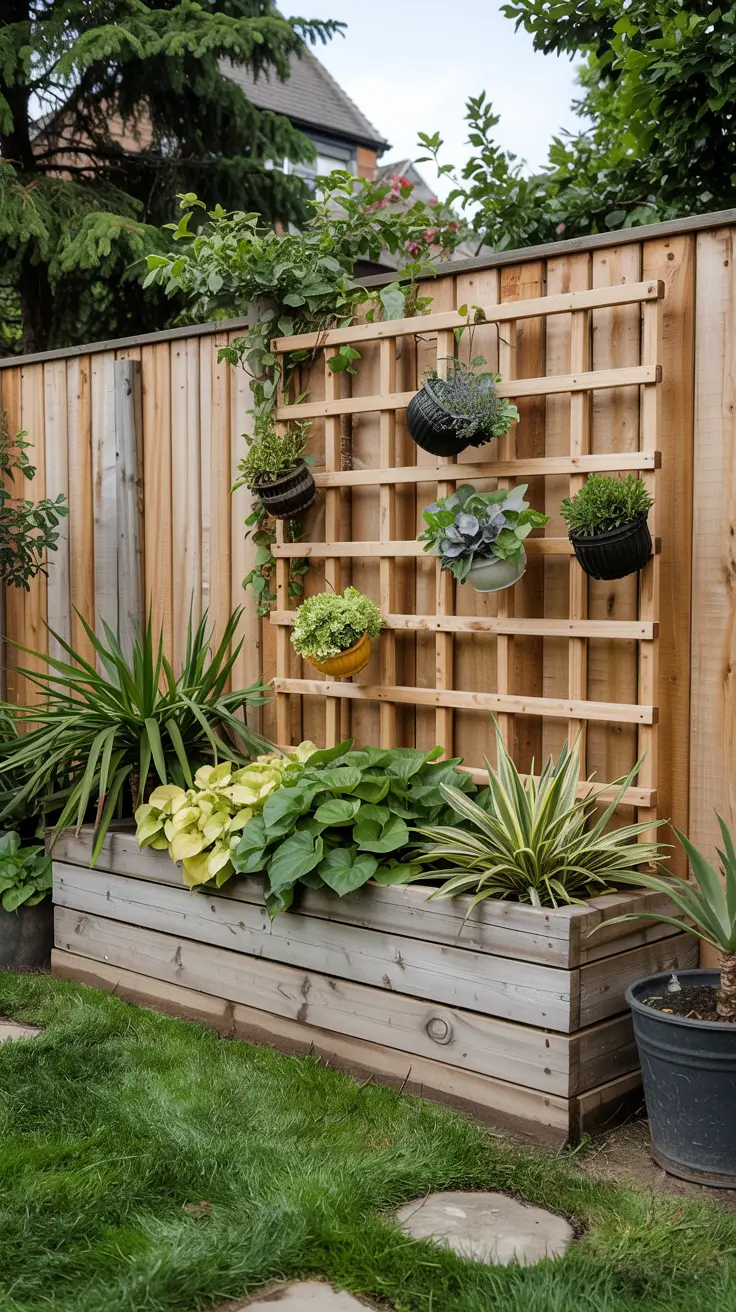
From my perspective, this approach is both practical and visually appealing. It allows the garden to feel cohesive without adding unnecessary structures. Many experts recommend using fences as vertical growing surfaces to save space.
One improvement I would suggest is incorporating access points or maintenance gaps, ensuring that plant care remains convenient.
Cattle Panel Trellis Garden Ideas for Strong Support
Cattle panel trellis garden systems are one of the most durable solutions I use. They are ideal for supporting heavy plants and creating structured garden layouts.
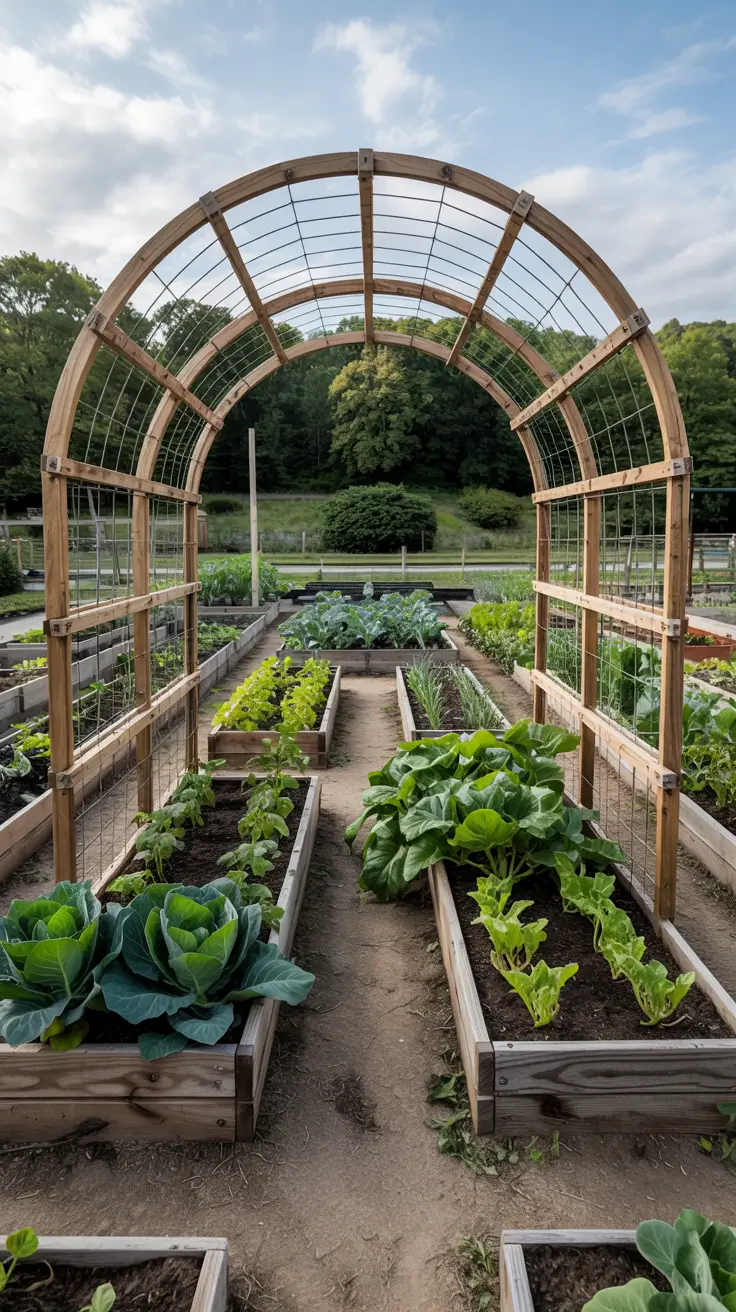
I usually install curved or arched cattle panels to form tunnels or walkways. These can double as trellis garden arches, adding both function and visual interest. Combined with raised beds or ground planting, they create a cohesive system.
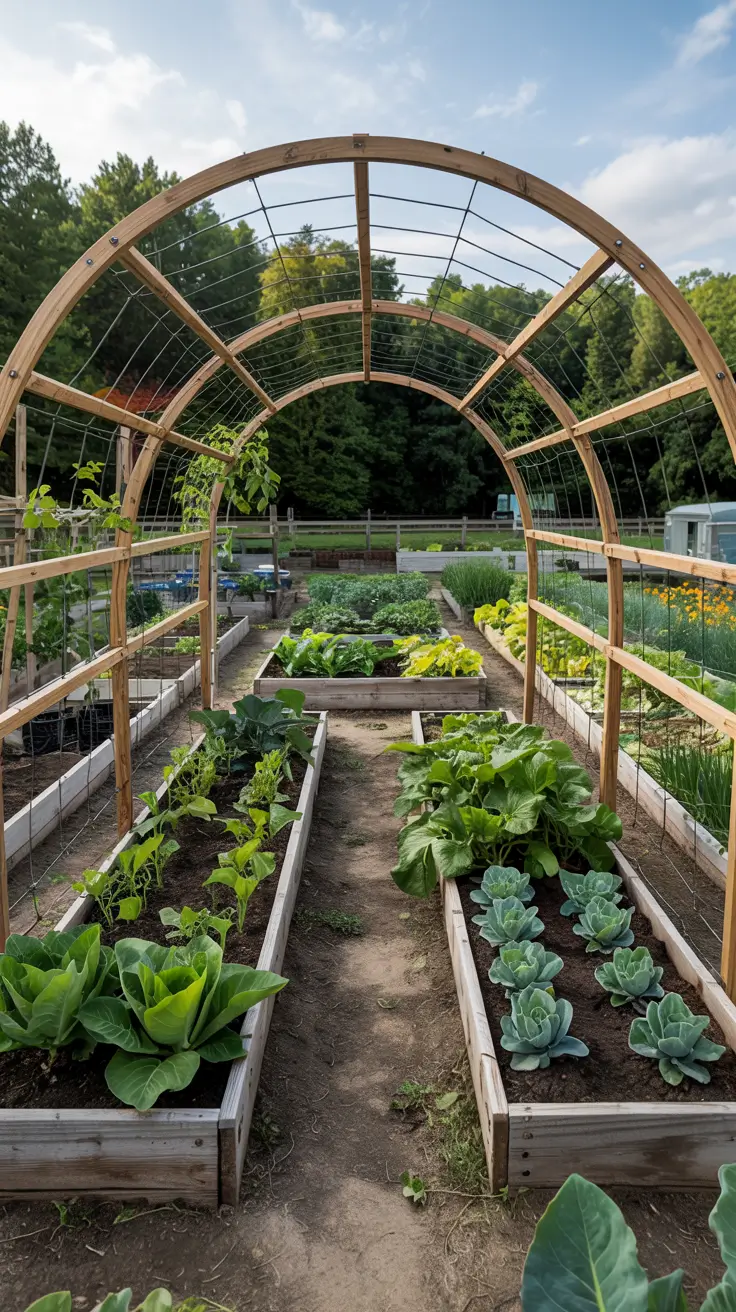
In my experience, cattle panels are incredibly reliable. They withstand weather conditions and require minimal maintenance. Many gardeners prefer them for vegetable gardening due to their strength.
What I would add is aesthetic refinement. Painting or framing the panels can help them blend better into modern garden designs.
Trellis Garden Entrance Designs for Inviting Spaces
A trellis garden entrance sets the tone for the entire space. I like to design entrances using arches or pergola-style structures that immediately draw attention.
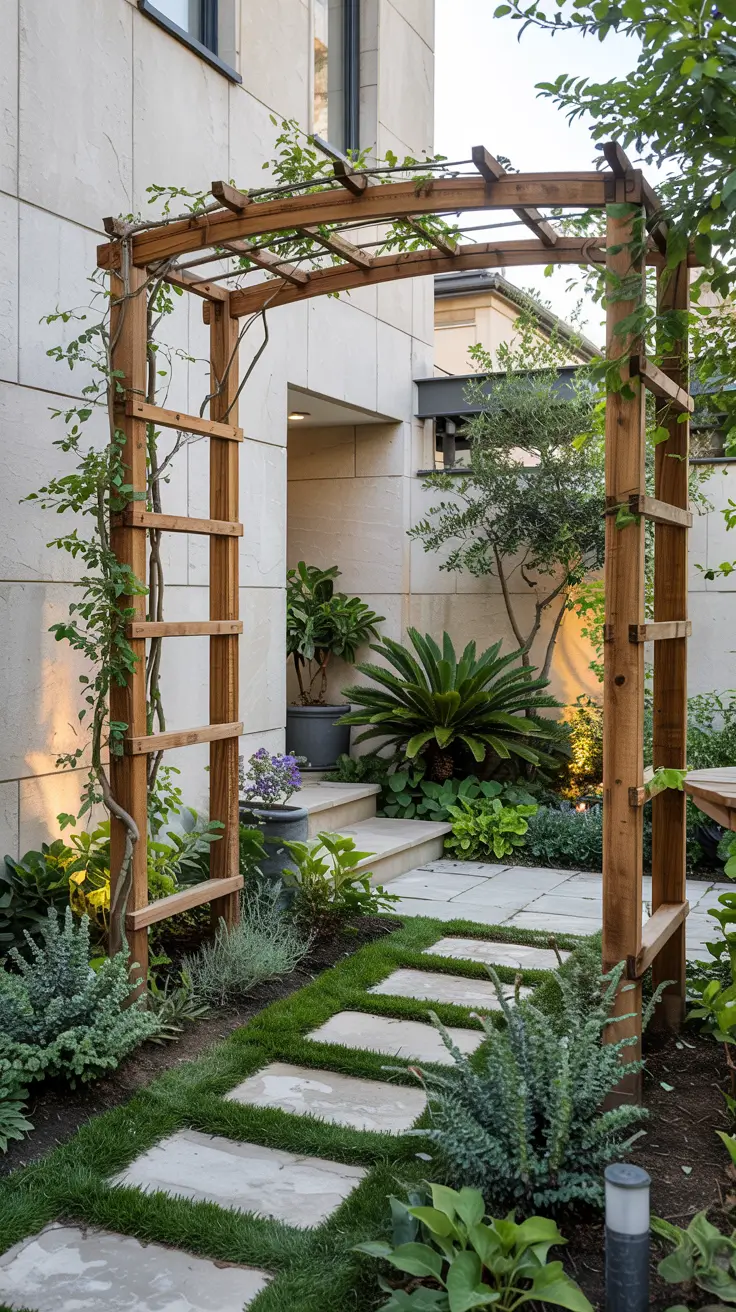
I typically include wooden or metal frames with climbing plants that grow over time to create a natural canopy. Adding a trellis garden gate enhances both functionality and visual appeal. Pathways leading through the entrance should feel intentional and welcoming.
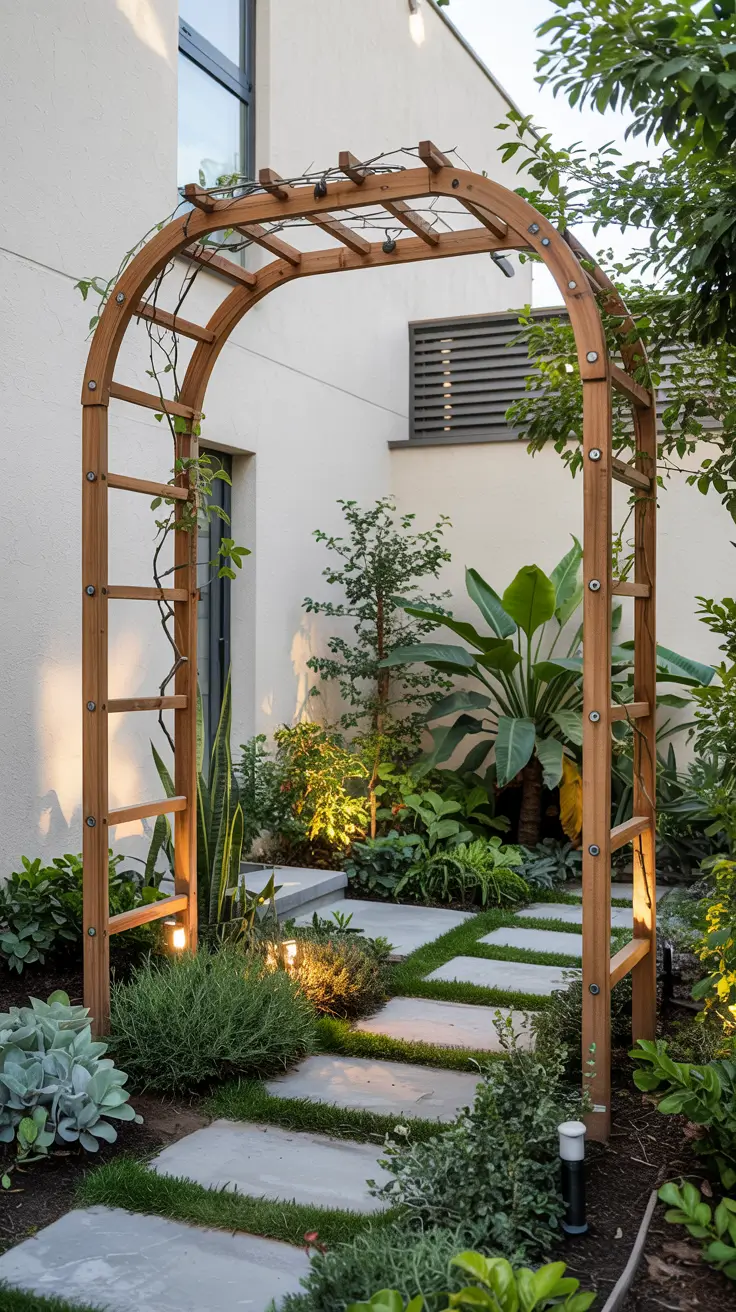
From my perspective, the entrance is one of the most important design elements. It creates the first impression and defines the overall style of the garden. Designers often emphasize symmetry and proportion in these structures.
I would improve this section by adding lighting elements such as soft LED fixtures or lanterns to enhance usability in the evening.
Trellis Garden Gate Concepts for Stylish Access
I see a trellis garden gate as more than just an entry point, it becomes a defining architectural feature that connects different zones of the garden. In 2026 designs, gates are often integrated with trellis garden fence systems, creating a seamless transition between enclosed and open areas. I like to position gates where they naturally guide movement through a walkway or garden path.
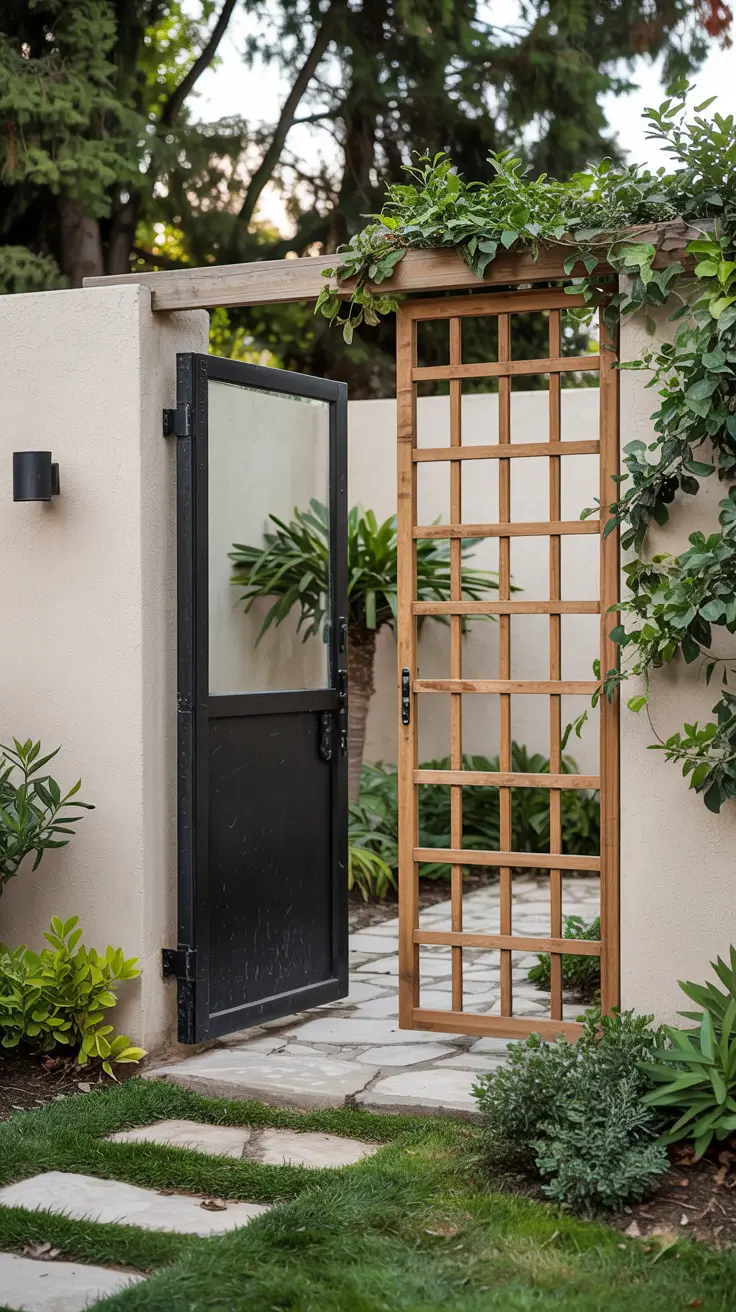
In my projects, I prefer using wooden or metal-framed gates combined with vertical slats or lattice panels. This allows climbing plants to grow directly onto the structure, softening its appearance over time. Adding elements like a curved top or arched detail enhances the visual appeal while maintaining functionality.
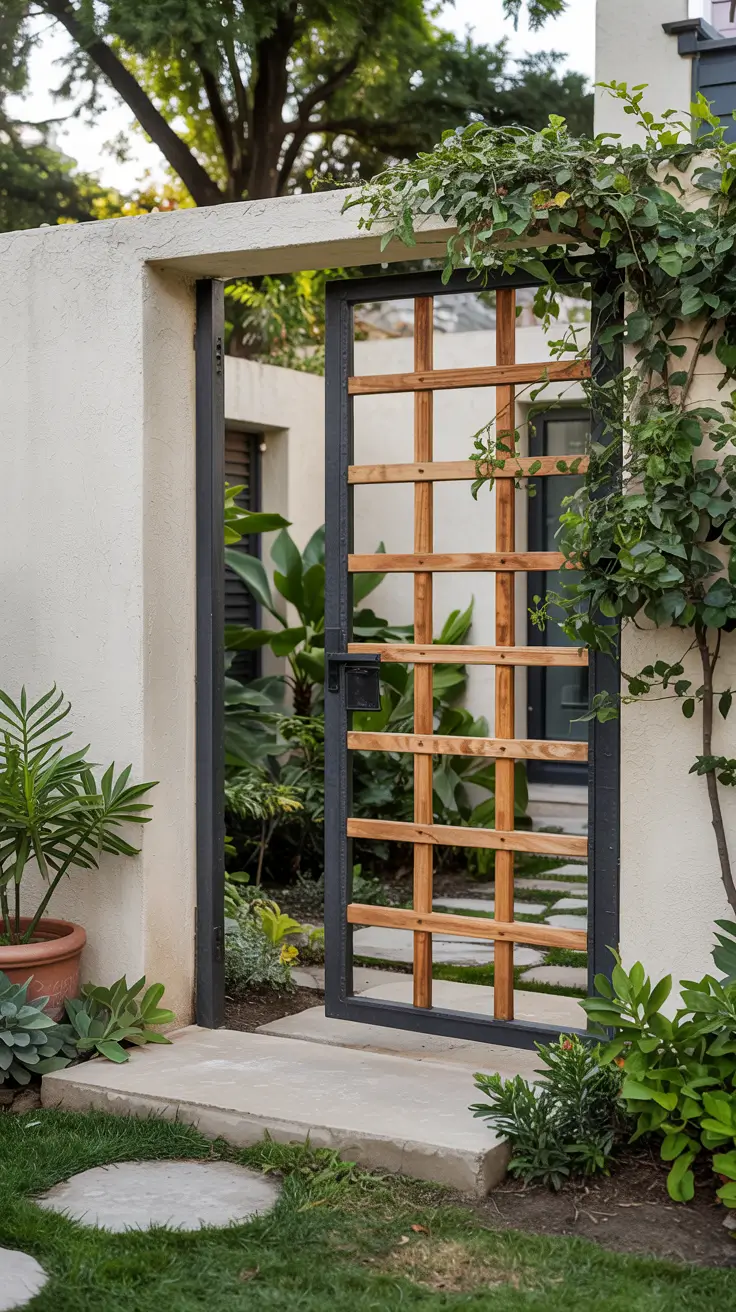
From my experience, a well-designed gate can elevate the entire garden composition. Designers often recommend aligning gate materials with nearby structures like pergolas or fences to maintain cohesion. I always aim for a balance between durability and elegance.
What I would add here is a locking or soft-close mechanism that improves usability without compromising the aesthetic.
Cattle Trellis Garden Structures for Durable Frameworks
Cattle trellis garden systems are essential when durability is a priority. I often use them to create strong frameworks that support heavy trellis garden plants, especially in vegetable-focused layouts.
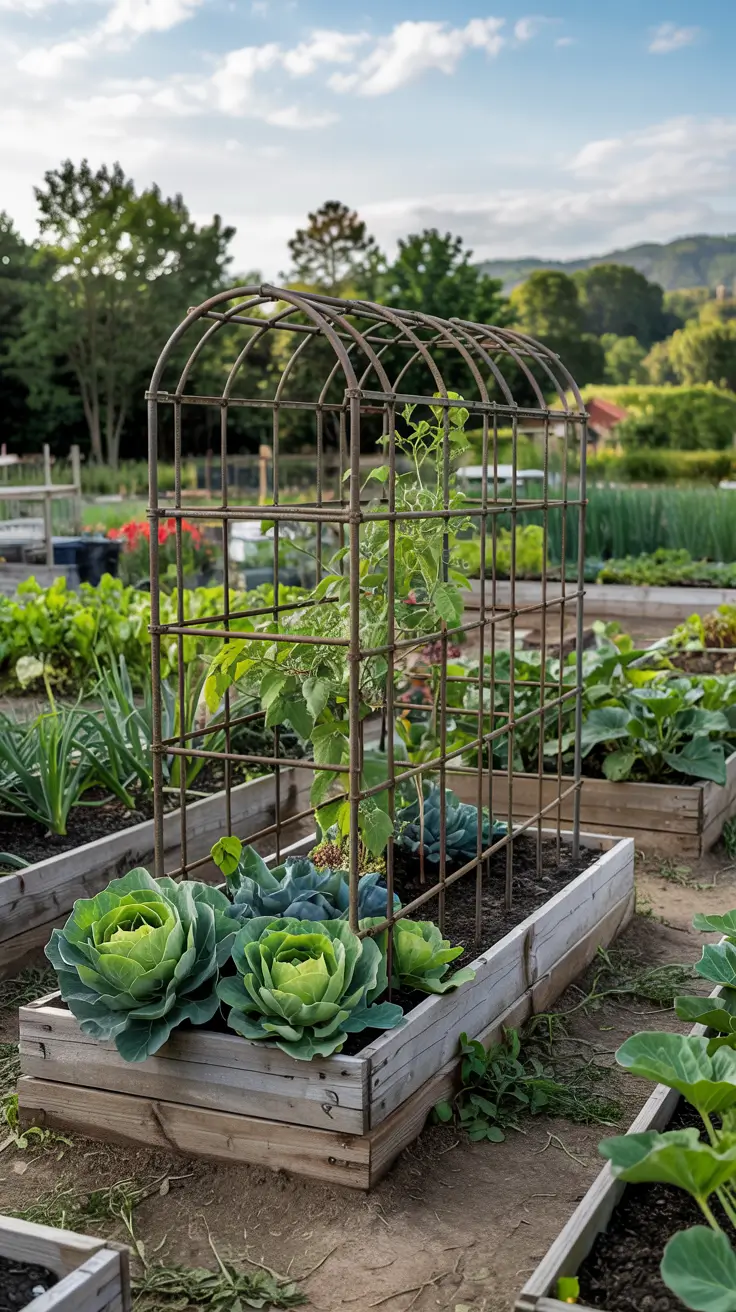
Typically, I install these structures using metal cattle panels secured to wooden or steel posts. They can be shaped into arches, tunnels, or flat vertical supports. This flexibility allows me to adapt the design to both small and large spaces while maintaining structural integrity.
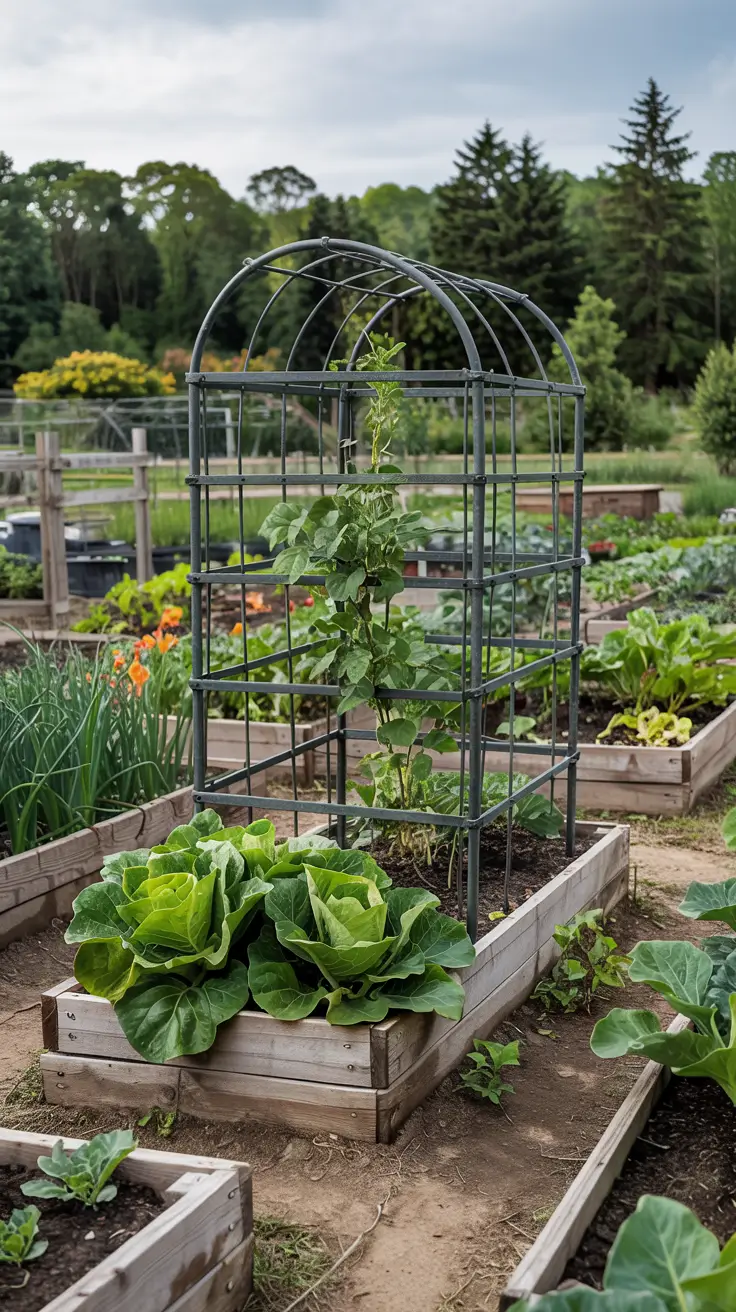
In my opinion, these frameworks are among the most reliable solutions available. Many gardening experts highlight their longevity and ability to handle weight without bending or breaking. I find them especially useful for crops like cucumbers and squash.
What is often missing is integration with surrounding design elements. I recommend adding wooden frames or painting the panels to better match the overall garden style.
Box Trellis Garden Ideas for Organized Growing
Box trellis garden ideas are perfect for creating clean, organized planting systems. I use them to divide space into manageable sections while still incorporating vertical growth.
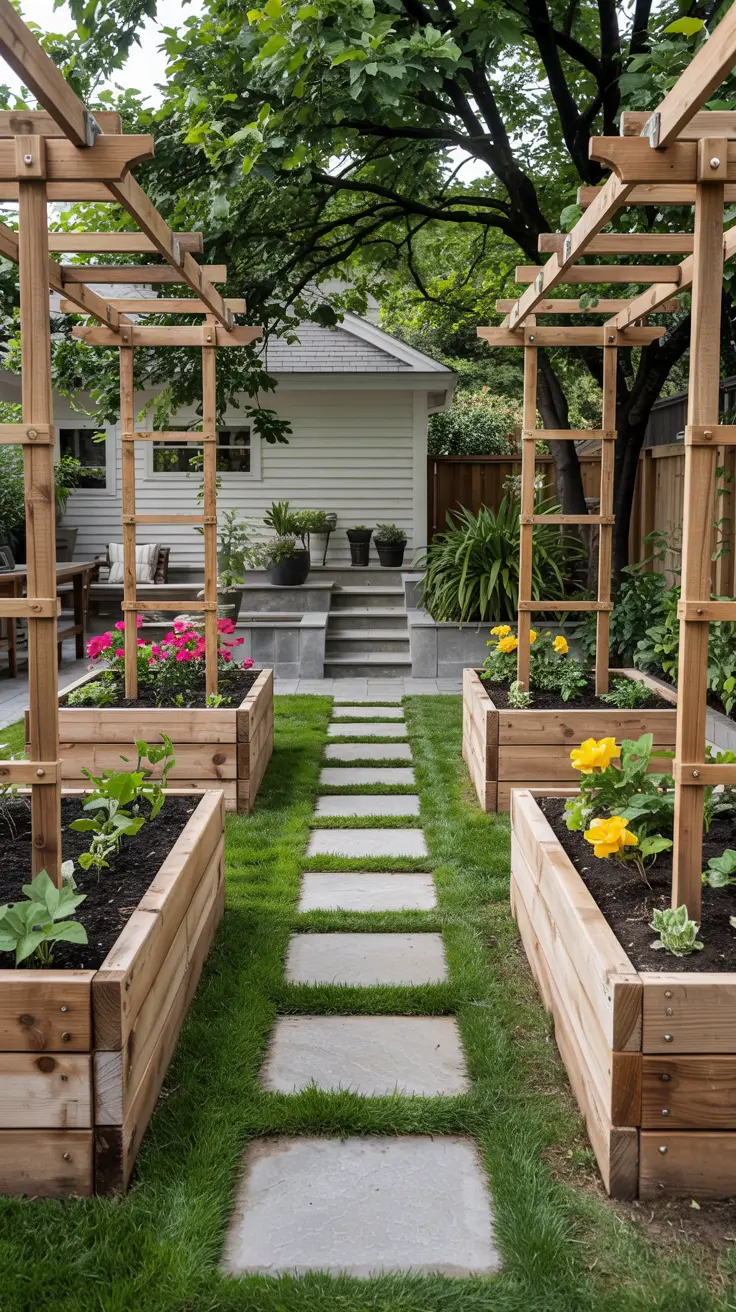
A typical design includes square or rectangular planter boxes with built-in trellis supports. These can be arranged symmetrically to create a structured layout. Materials like wood or composite boards work best for achieving a modern look.
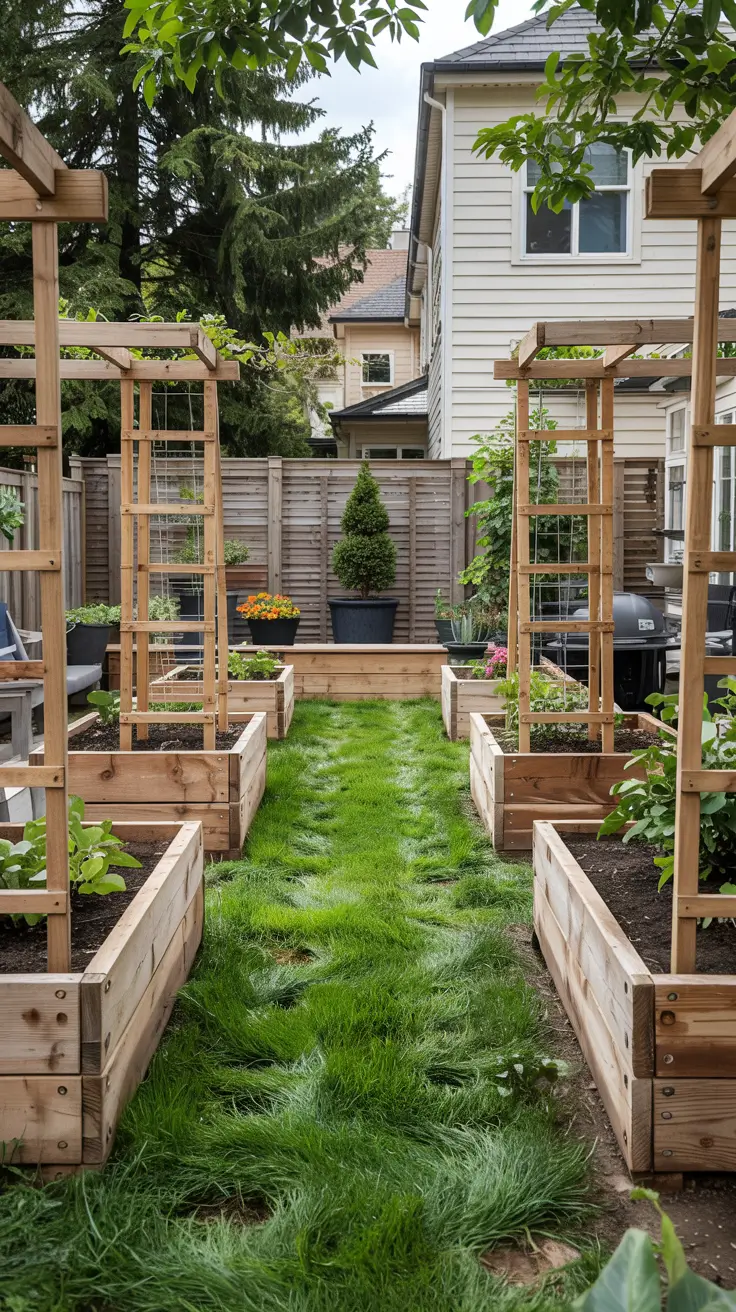
From my perspective, this approach improves both aesthetics and efficiency. It becomes easier to manage different plant types and maintain order in the garden. Many designers recommend this layout for backyards where clarity and organization are key.
I would enhance this concept by adding labeling or smart gardening features, such as moisture sensors or automated watering systems.
Trellis Garden Privacy Screens for Secluded Spaces
I often design trellis garden privacy screens to create secluded outdoor areas without fully closing off the space. These structures act as both visual barriers and decorative elements.
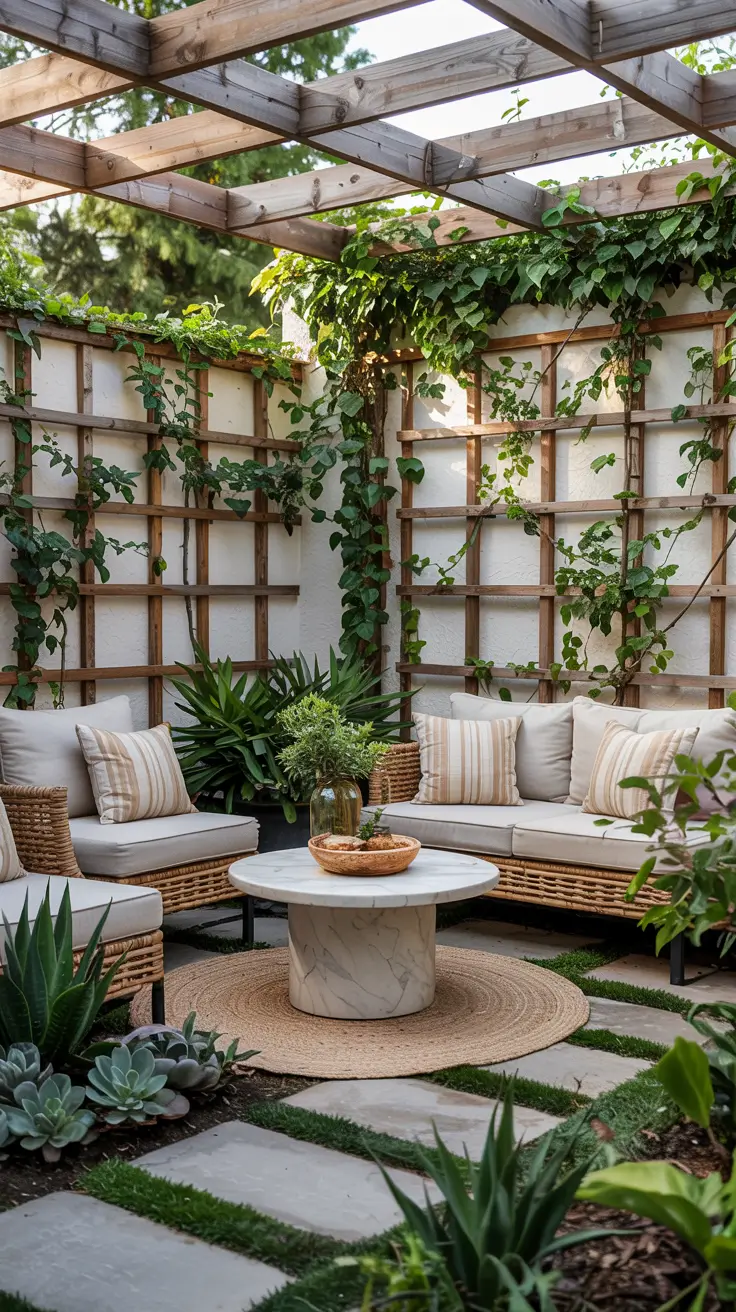
I typically use tall trellis panels combined with dense climbing plants. Wooden or metal frames can be arranged in layers to increase coverage. This works especially well for patios or seating areas where privacy is important.
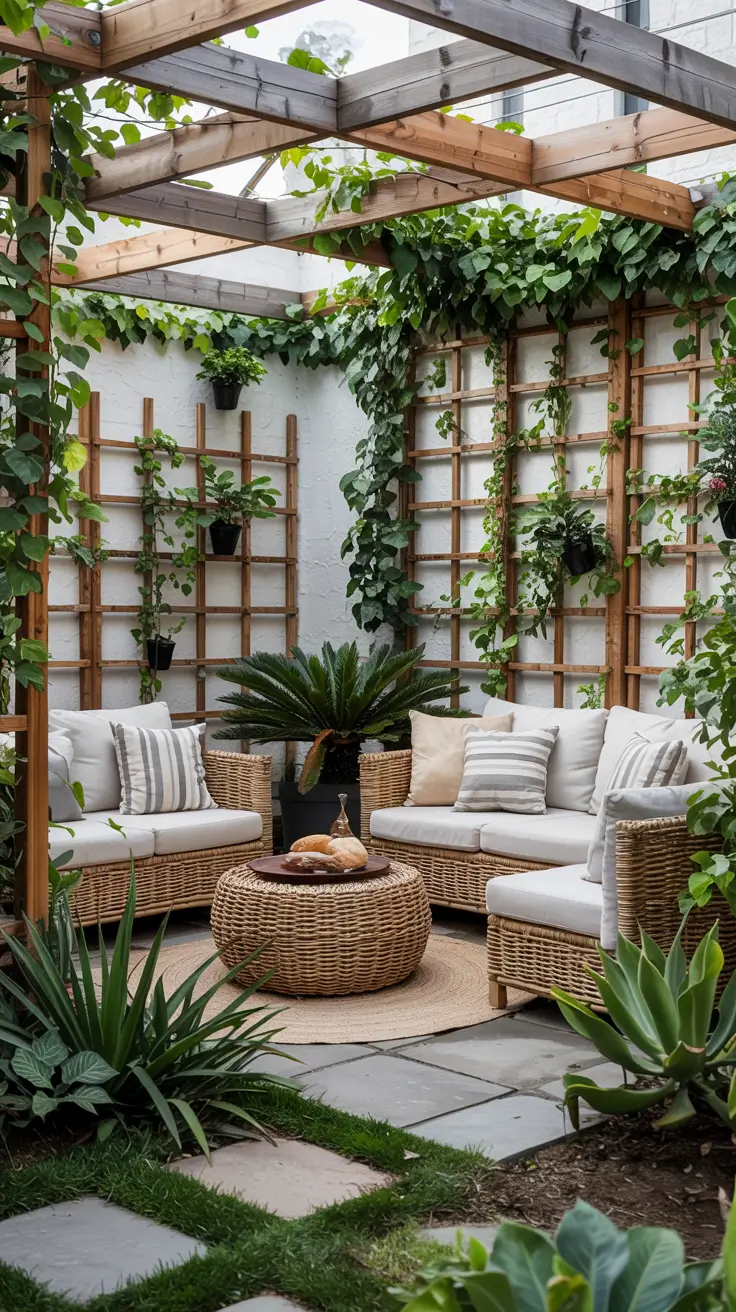
In my experience, privacy screens significantly improve comfort and usability. Designers frequently suggest combining greenery with structural elements to maintain airflow while still providing coverage.
What I would add is acoustic consideration. Using thicker plant coverage or layered panels can help reduce noise in urban environments.
French Trellis Garden Styles for Classic Elegance
French trellis garden styles bring a sense of timeless elegance to outdoor spaces. I often draw inspiration from classic European gardens that emphasize symmetry and refined details.
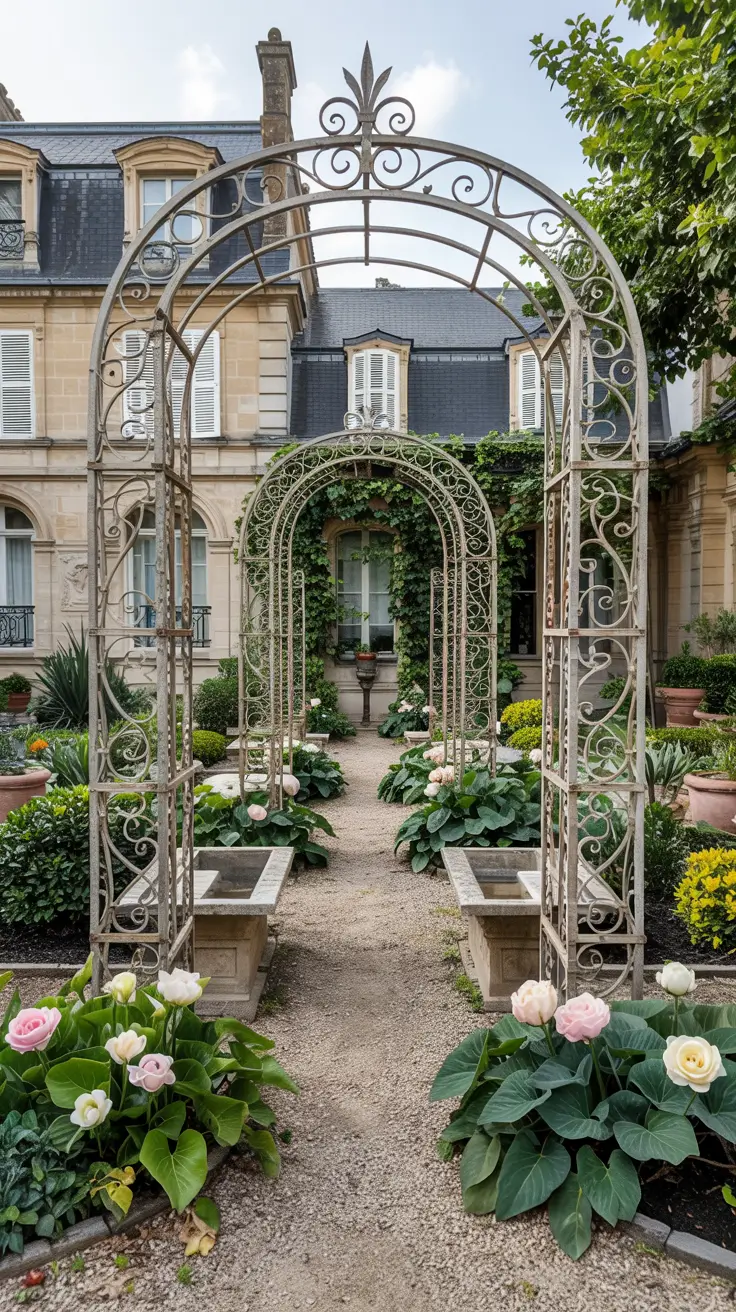
These designs usually feature ornate metal trellis panels, arched pathways, and carefully selected plants. I like to pair them with gravel paths and structured layouts to enhance the overall composition.
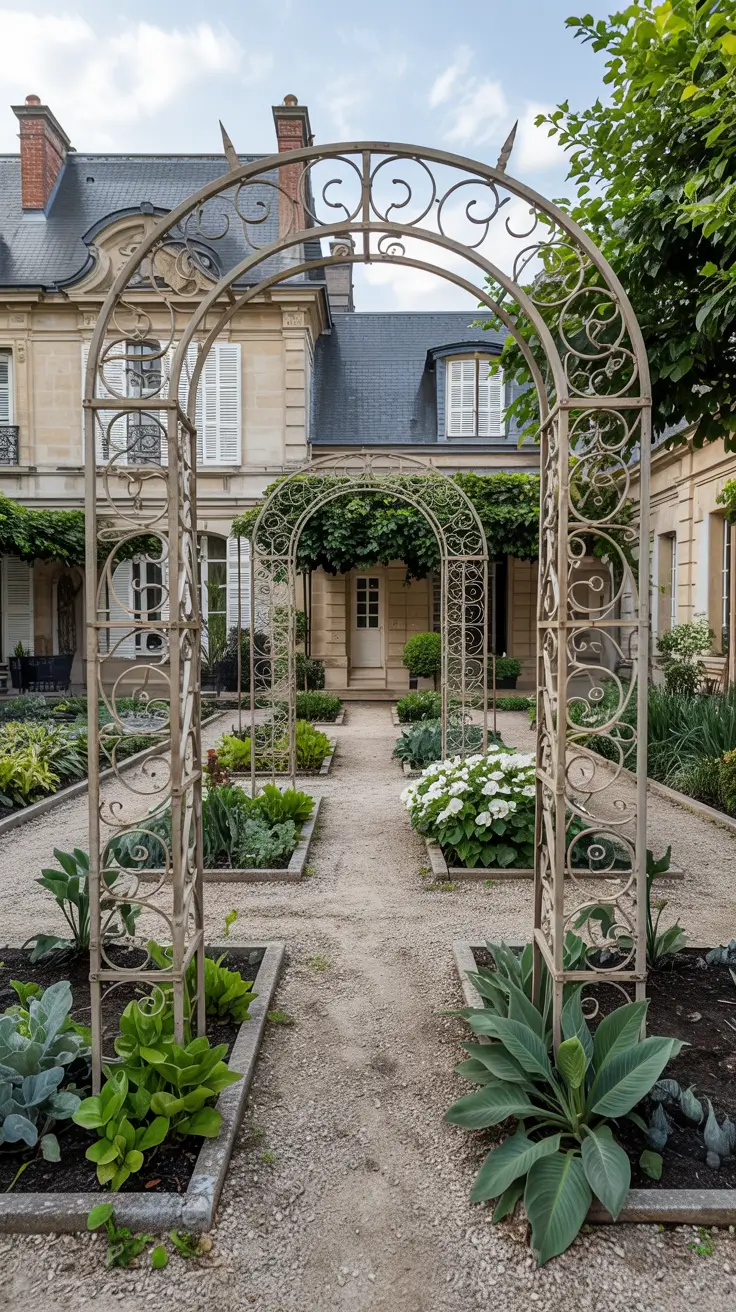
From my perspective, this style is ideal for those who appreciate a formal and polished look. Many design publications highlight French gardens for their balance and sophistication.
What could improve this section is the addition of subtle decorative elements such as vintage-style lighting or sculptural accents.
Round Trellis Garden Layouts for Unique Designs
Round trellis garden layouts offer a refreshing alternative to traditional linear designs. I use them to create focal points that feel dynamic and inviting.
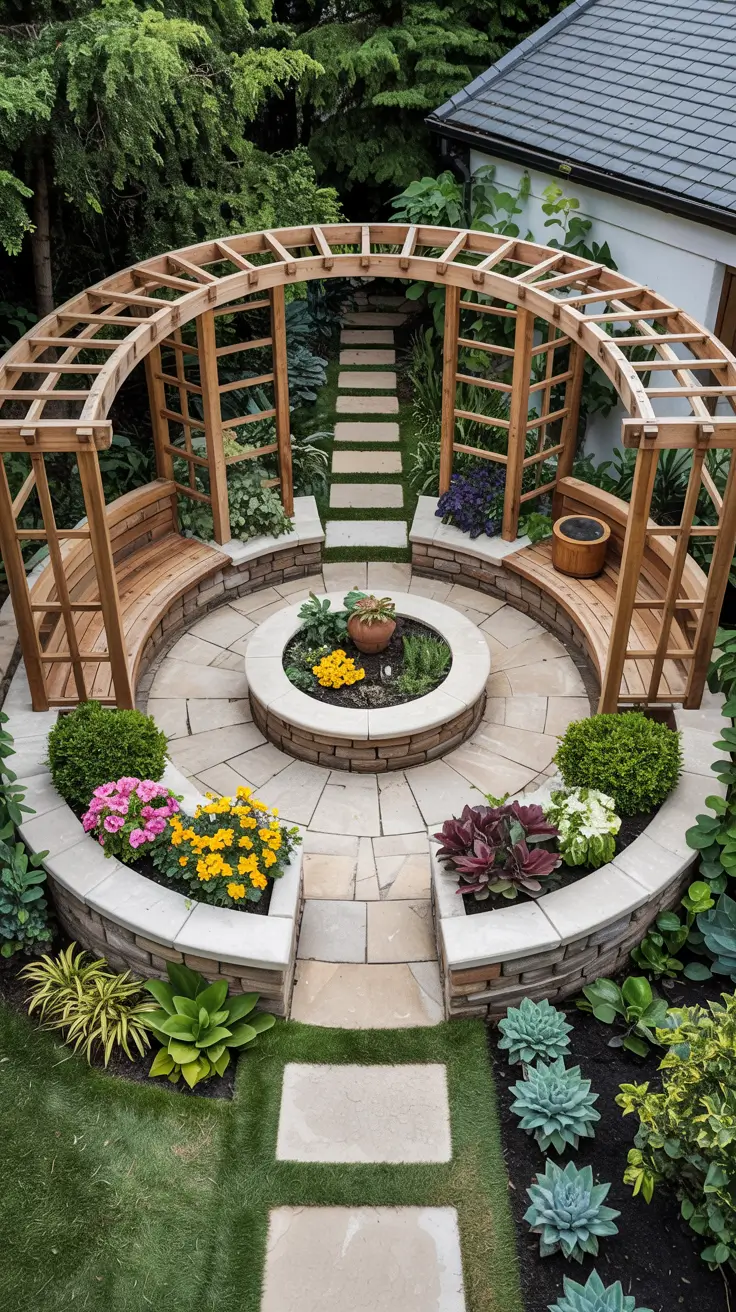
These layouts often include circular beds surrounded by trellis structures or arches. I like to position seating areas in the center, creating a functional and visually appealing garden room.
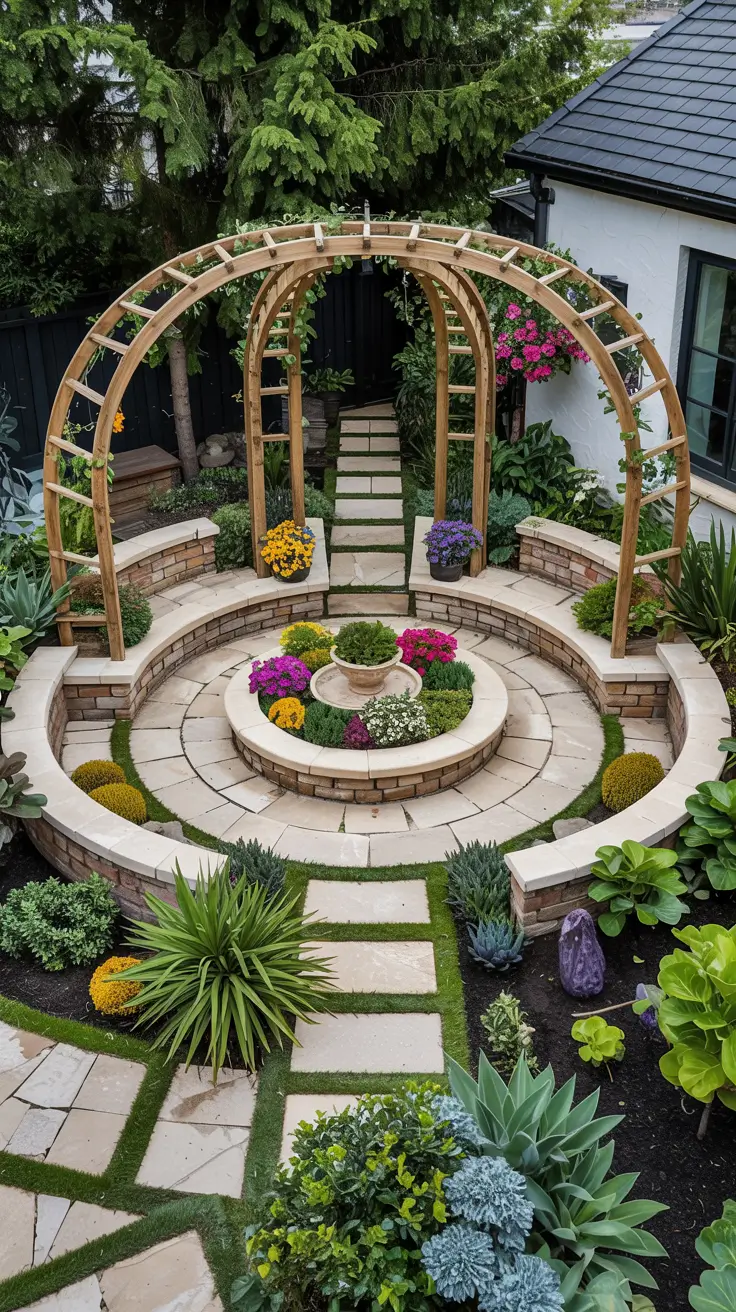
In my experience, round designs encourage movement and exploration. They break away from rigid layouts and make the space feel more organic.
I would suggest incorporating pathways that connect the circular area to the rest of the garden, ensuring smooth navigation.
Trellis Garden Room Dividers for Functional Outdoor Living
Trellis garden room dividers are an excellent way to organize outdoor spaces into functional zones. I use them to separate dining, relaxation, and gardening areas without building solid walls.
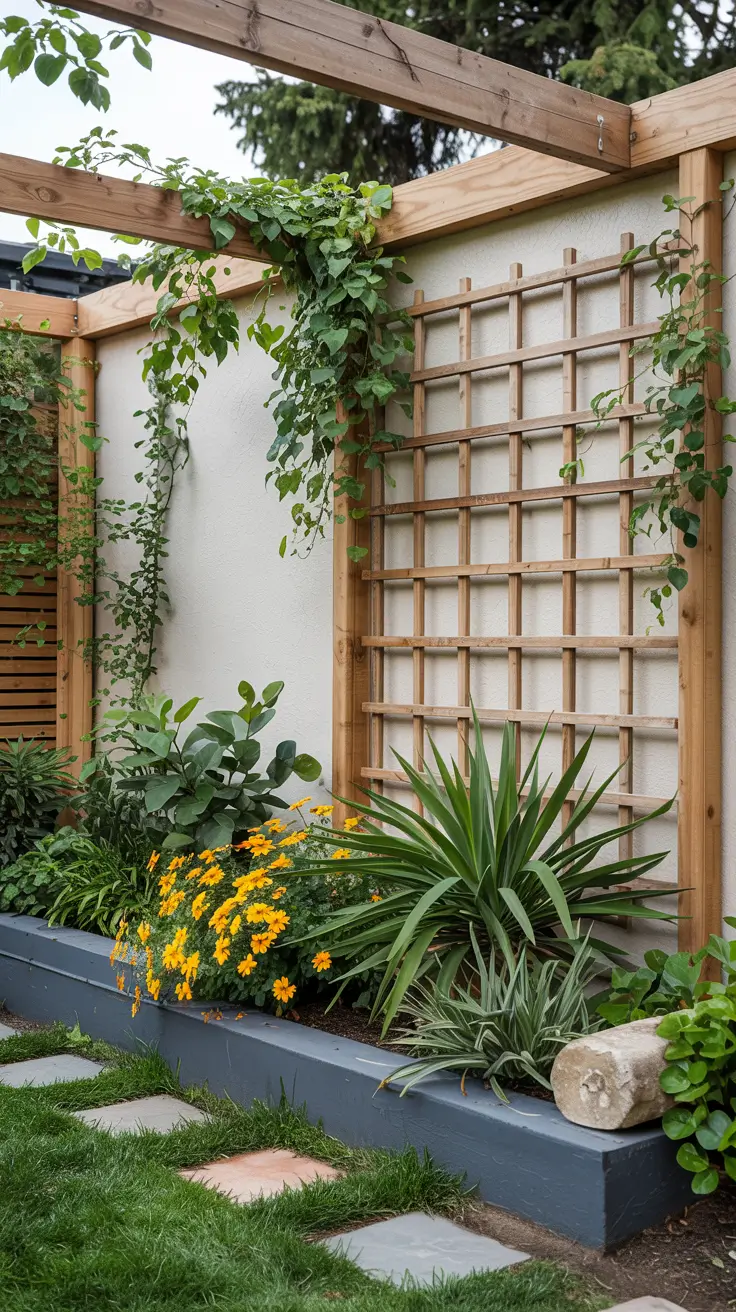
I typically install vertical trellis panels with climbing plants to create semi-transparent partitions. This maintains openness while still defining boundaries. Materials like wood or metal can be chosen based on the overall design style.
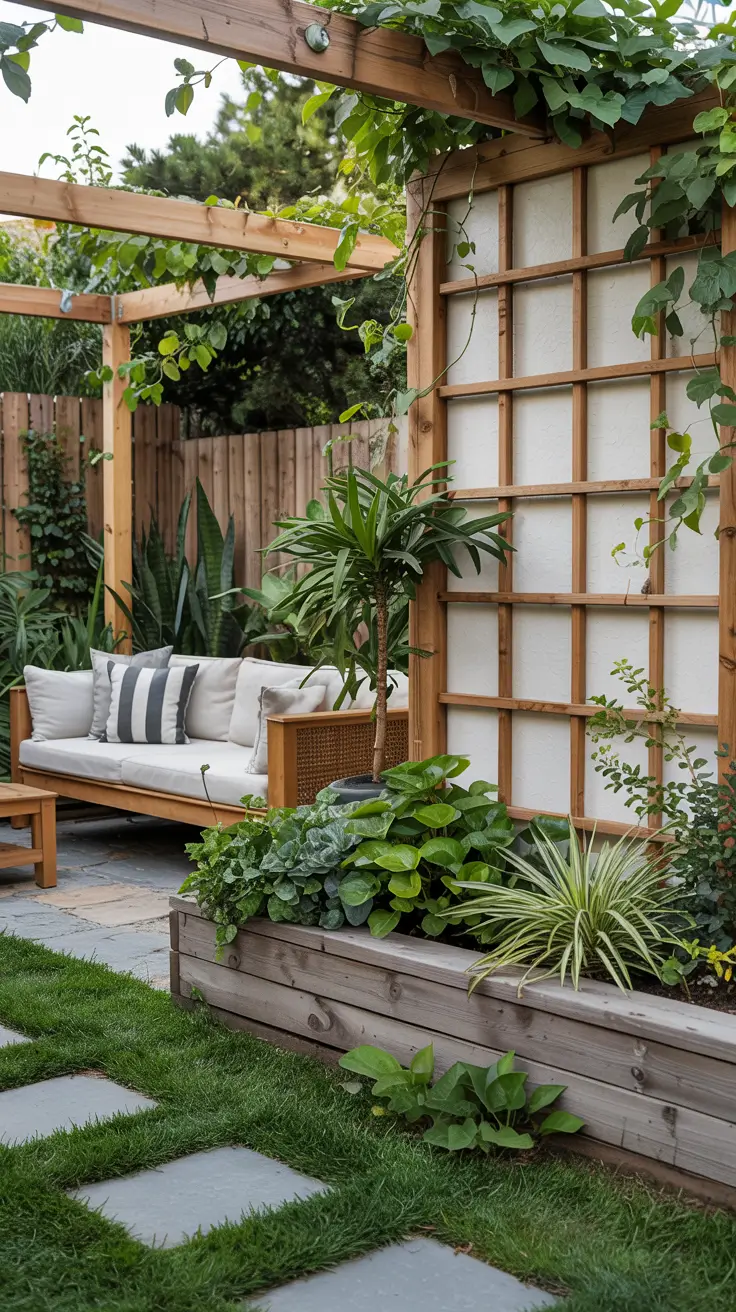
From my perspective, this approach enhances both usability and aesthetics. It allows the garden to function like an outdoor living room, with clearly defined areas.
What I would add is flexibility. Movable or modular dividers can adapt to changing needs and make the space more versatile.
Branch Trellis Garden Ideas for Natural Aesthetics
I like to start with branch-based trellis garden ideas when aiming for a natural, organic aesthetic. Using real branches creates a soft, irregular structure that blends effortlessly into the landscape. This approach works particularly well in trellis garden beds or along a trellis garden fence, where the goal is to support climbing plants while maintaining a rustic charm. I often use this method in trellis gardens designed to feel like a seamless extension of nature.
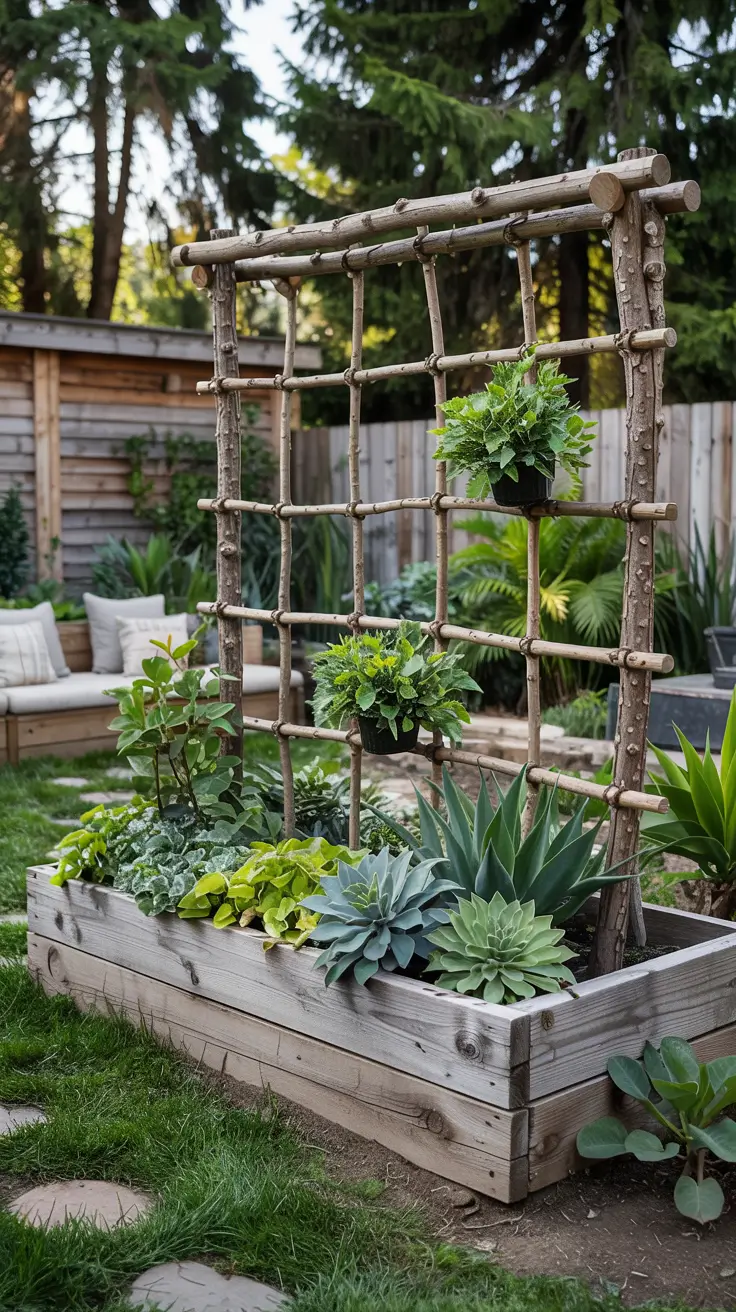
From a design perspective, I select sturdy branches of varying thickness and arrange them in crisscross or lattice patterns. I pair them with climbing trellis garden plants like peas or flowering vines. Adding a wooden box bed beneath enhances structure and defines the planting zone. The combination of raw materials and intentional layout creates a balance between wild and controlled design.
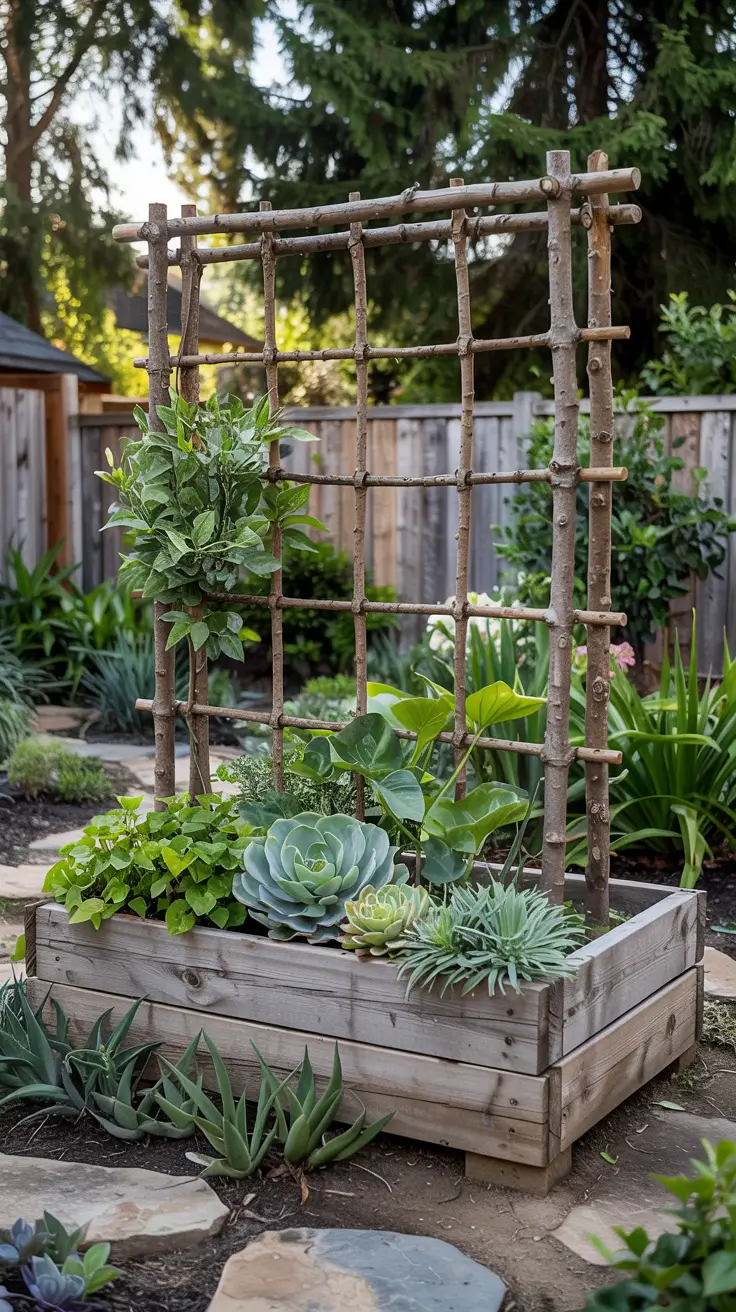
In my experience, this type of trellis gardening is not only visually appealing but also sustainable. Designers featured in publications like Architectural Digest often emphasize using natural materials to reduce environmental impact while adding authenticity to outdoor spaces.
What I would add here is subtle lighting. Small solar lights woven into the branch structure can elevate the design at night, turning a simple trellis garden wall into a cozy focal point.
Trellis Garden Walkway Designs for Guided Paths
When I design a trellis garden walkway, I focus on guiding movement through the space while creating a sense of enclosure. A walkway framed with vertical or arched trellis structures instantly adds depth and intention. This is especially effective in trellis garden ideas for backyards where zoning is essential.
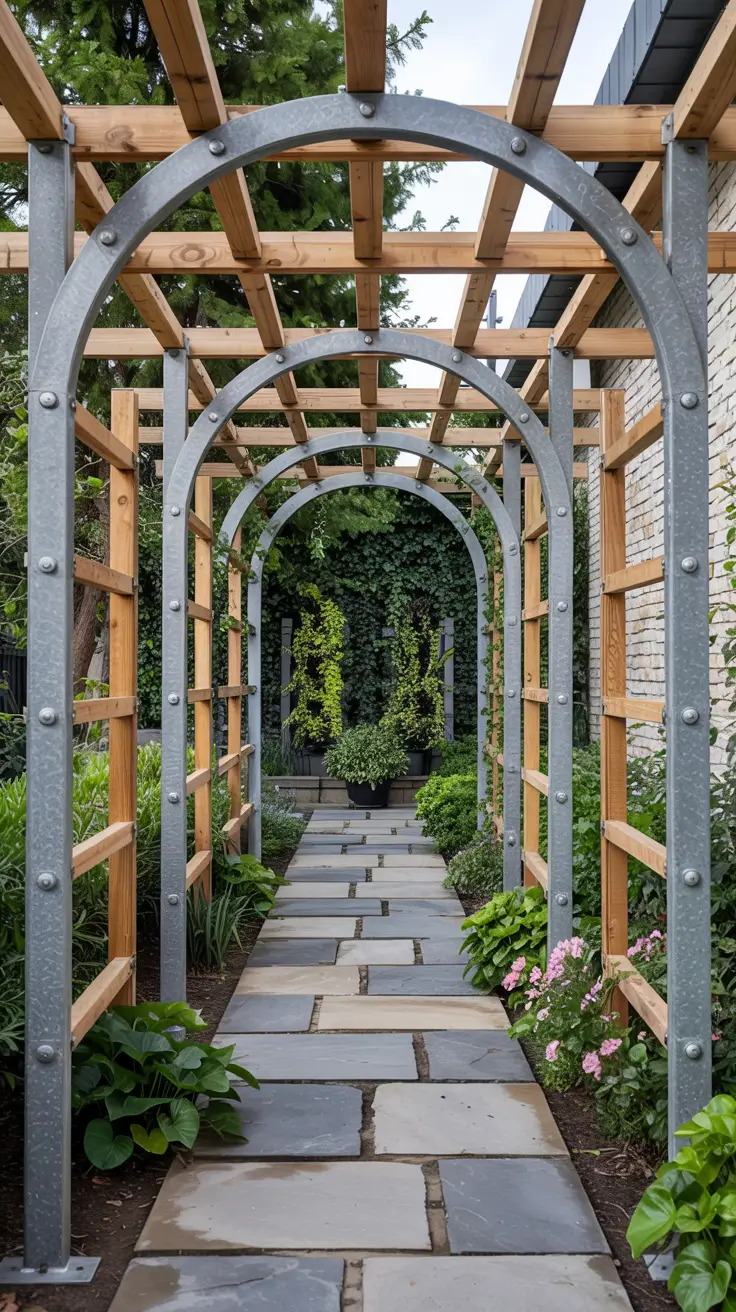
I typically use evenly spaced trellis frames on both sides of the path, often connected overhead to form a tunnel effect. Materials like wood or metal cattle panel trellis systems work well here. I integrate climbing plants such as roses or ivy to soften the structure and create a living corridor. Ground elements like gravel or stone enhance durability and visual contrast.
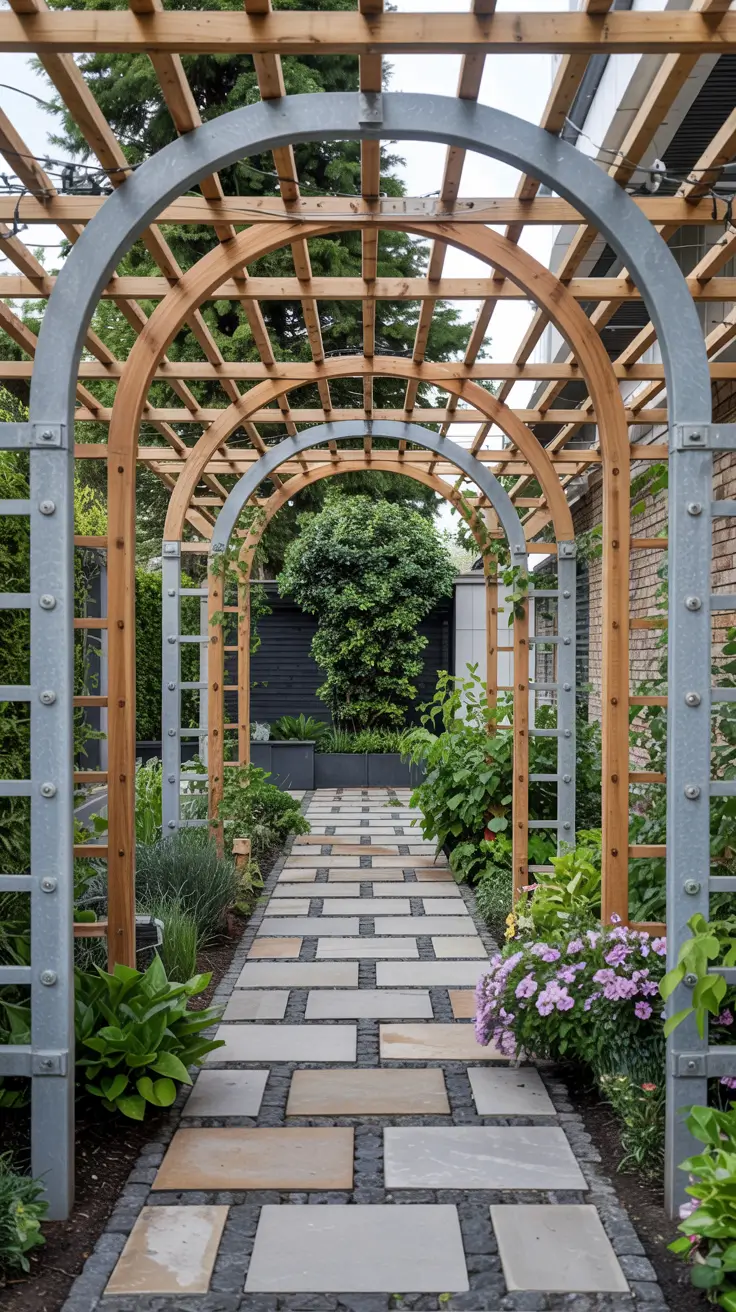
Personally, I find that walkway trellis gardens create a memorable experience. As noted by landscape designers in Better Homes and Gardens, pathways framed by vertical greenery encourage slower movement and deeper appreciation of the garden.
To improve this section, I would include seating or pause points along the walkway, such as a bench or small garden nook, to enhance usability.
Trellis Garden Headboard Ideas for Creative Outdoor Decor
I enjoy experimenting with unconventional uses of trellis structures, and one of my favorites is a trellis garden headboard concept. This idea transforms a vertical trellis into a decorative backdrop for outdoor seating or lounging areas, almost like an outdoor room.
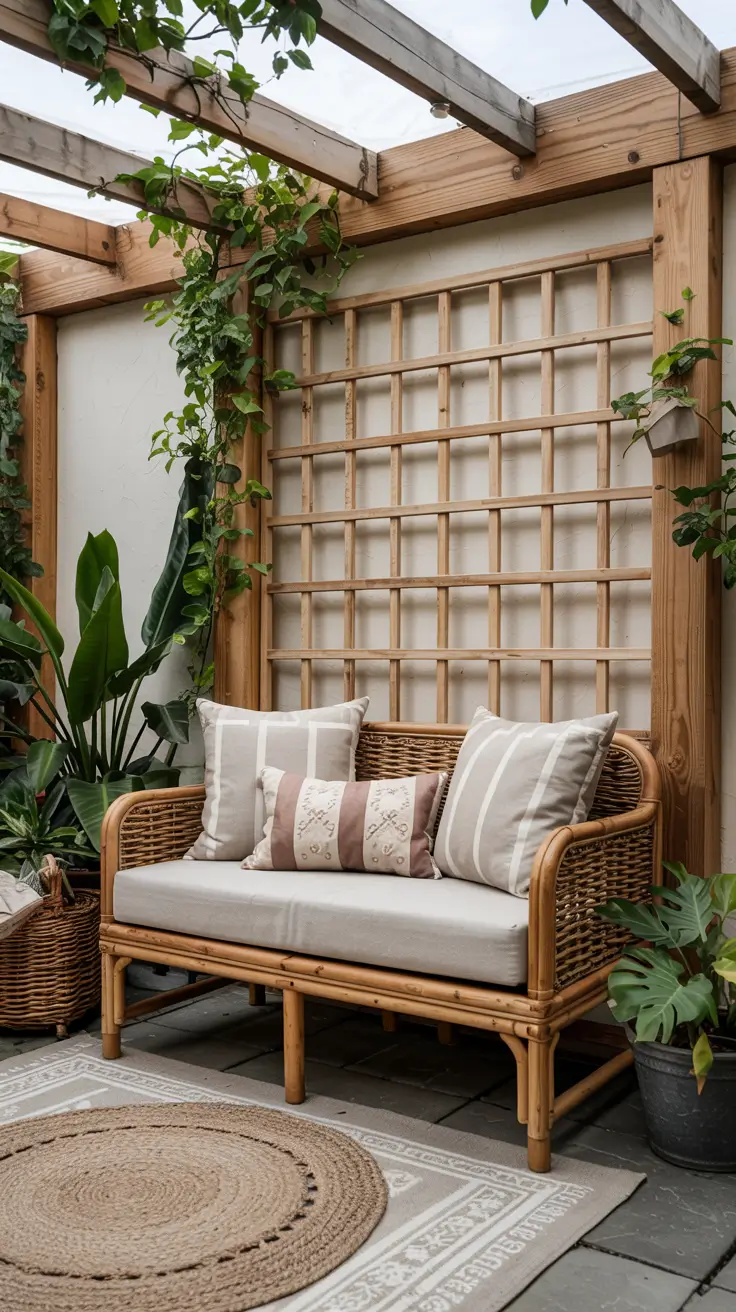
I usually construct a wooden or metal trellis panel and place it behind a garden bench or daybed. Climbing plants or hanging planters add softness and texture. This setup works well in small patios or enclosed trellis garden fence areas where vertical space is more available than horizontal.
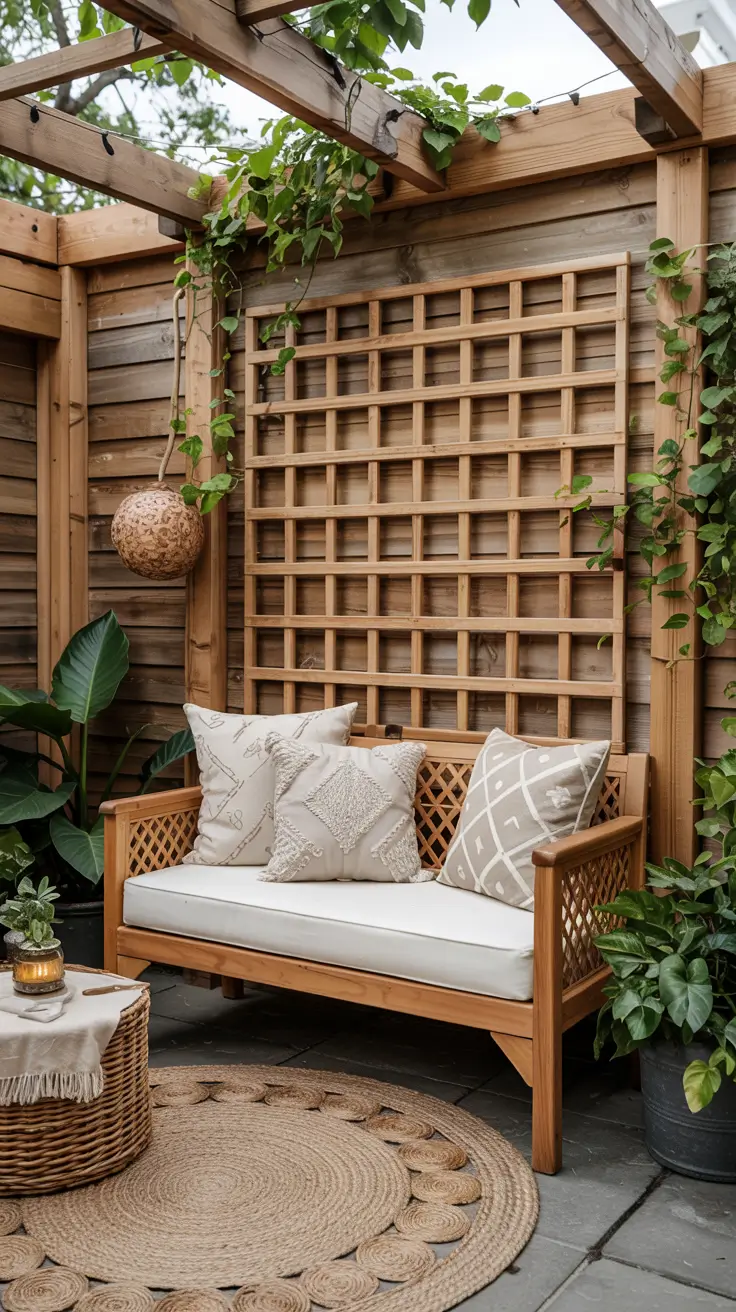
From my perspective, this approach adds a layer of intimacy to outdoor spaces. Designers often highlight the importance of vertical elements in defining “rooms” outdoors, and this is a perfect example of that principle.
What’s missing here is textile integration. Adding outdoor cushions, throws, or even a canopy element would make the space more inviting and functional.
Cucumber Trellis Garden Systems for Healthy Growth
For anyone interested in trellis garden vegetable systems, I always recommend starting with cucumbers. A cucumber trellis garden setup maximizes vertical growth, improves air circulation, and makes harvesting easier.
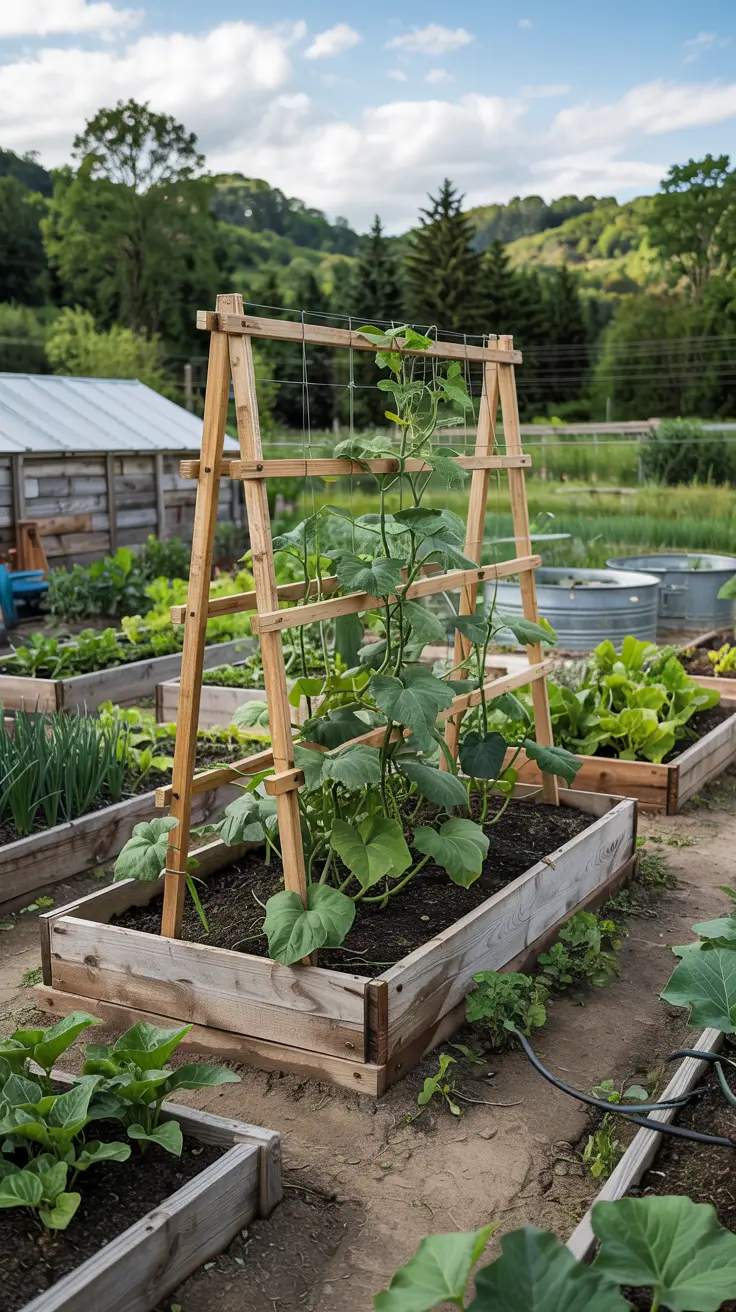
I typically use a sturdy trellis garden bed with a vertical frame made from cattle panel or wood. The structure needs to support weight, so I ensure it is securely anchored. Training cucumber vines upward not only saves space but also reduces disease risk compared to ground planting.
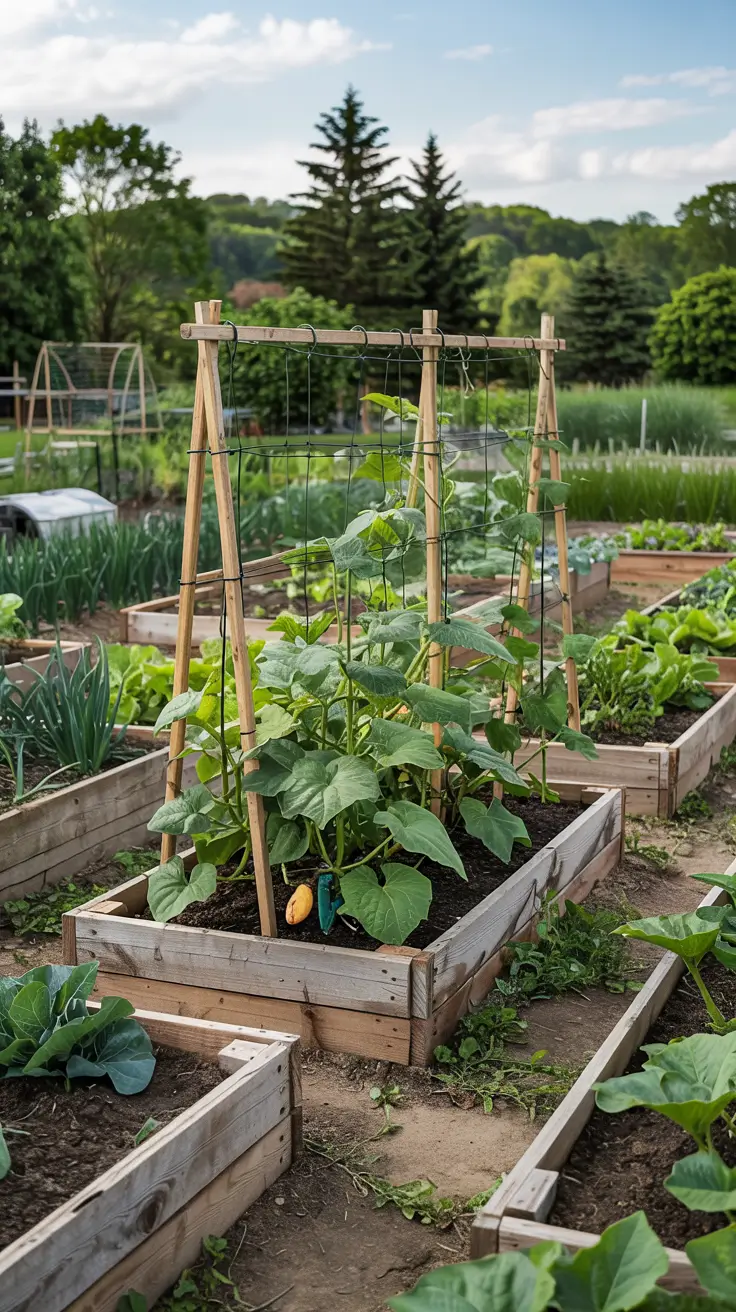
In my experience, vertical vegetable gardening is one of the most efficient methods for small spaces. Experts from gardening communities and publications like Gardener’s Supply Company consistently recommend trellis systems for crops like cucumbers due to their productivity and health benefits.
To enhance this section, I would add irrigation planning. A drip system integrated into the trellis garden bed would significantly improve consistency and plant health.
Wooden Hoop Pergola Trellis Garden Designs
I often combine the concepts of a trellis garden arch and pergola to create wooden hoop structures. These designs bring a sculptural quality to the garden while providing support for climbing plants.
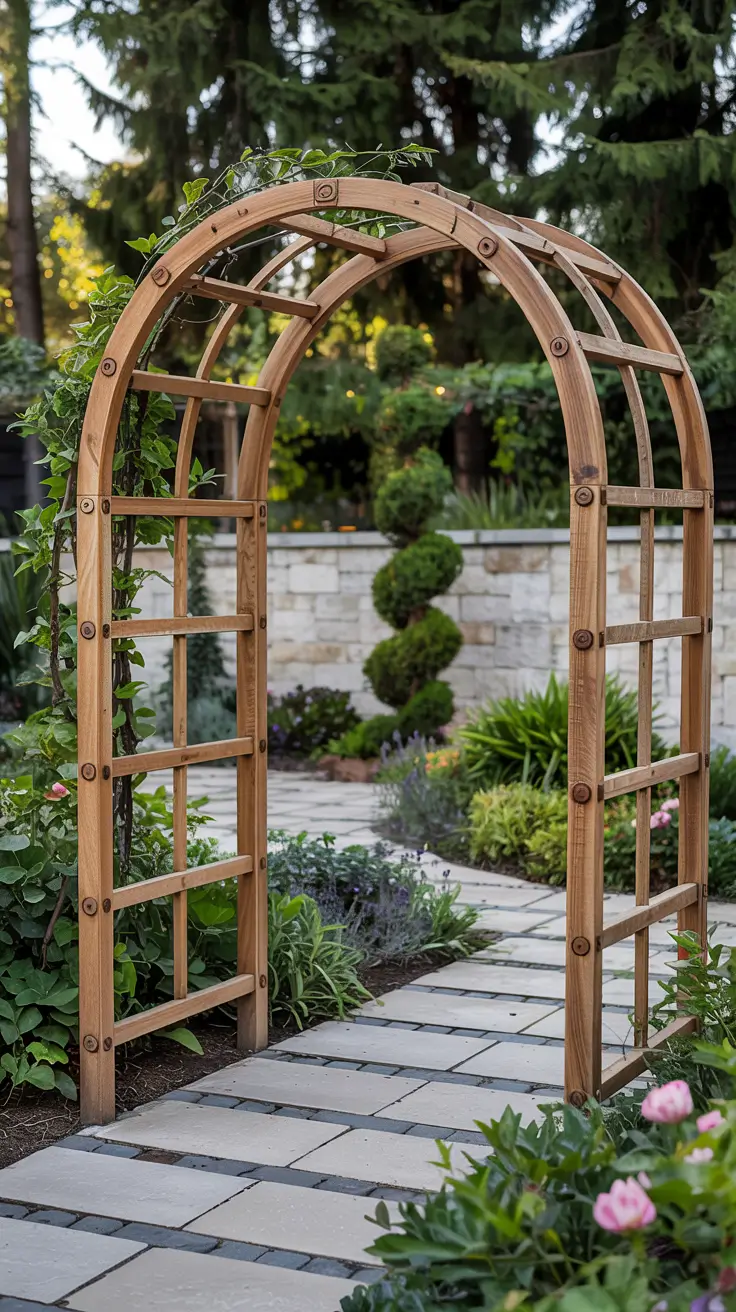
I construct these using curved wooden beams or flexible materials shaped into arches, connected to form a pergola-like tunnel. This works beautifully as a trellis garden entrance or as a transition between different garden zones. Adding climbing plants like grapes or wisteria enhances the effect.
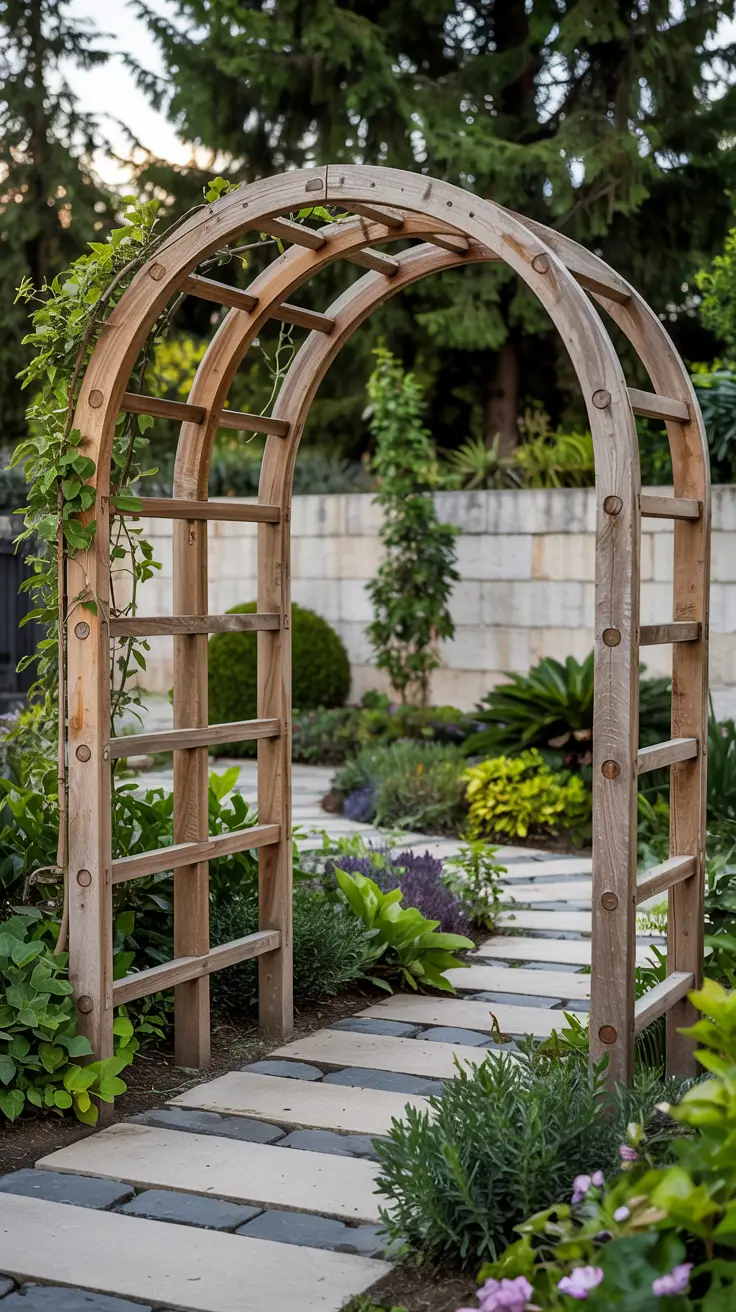
From my perspective, this is one of the most visually impactful trellis garden ideas. Landscape designers frequently use arches and pergolas to create focal points and define movement through outdoor spaces.
What I would improve here is durability. Treating the wood properly or combining it with metal reinforcements ensures longevity, especially in varying weather conditions.